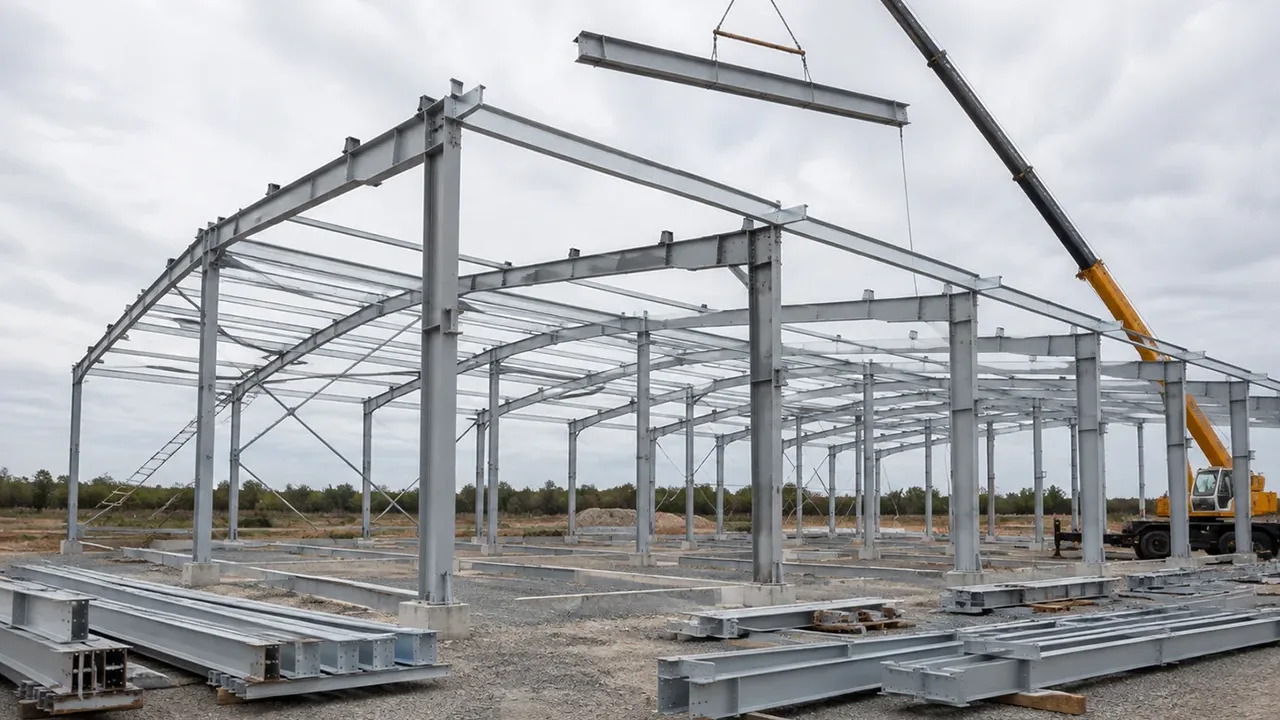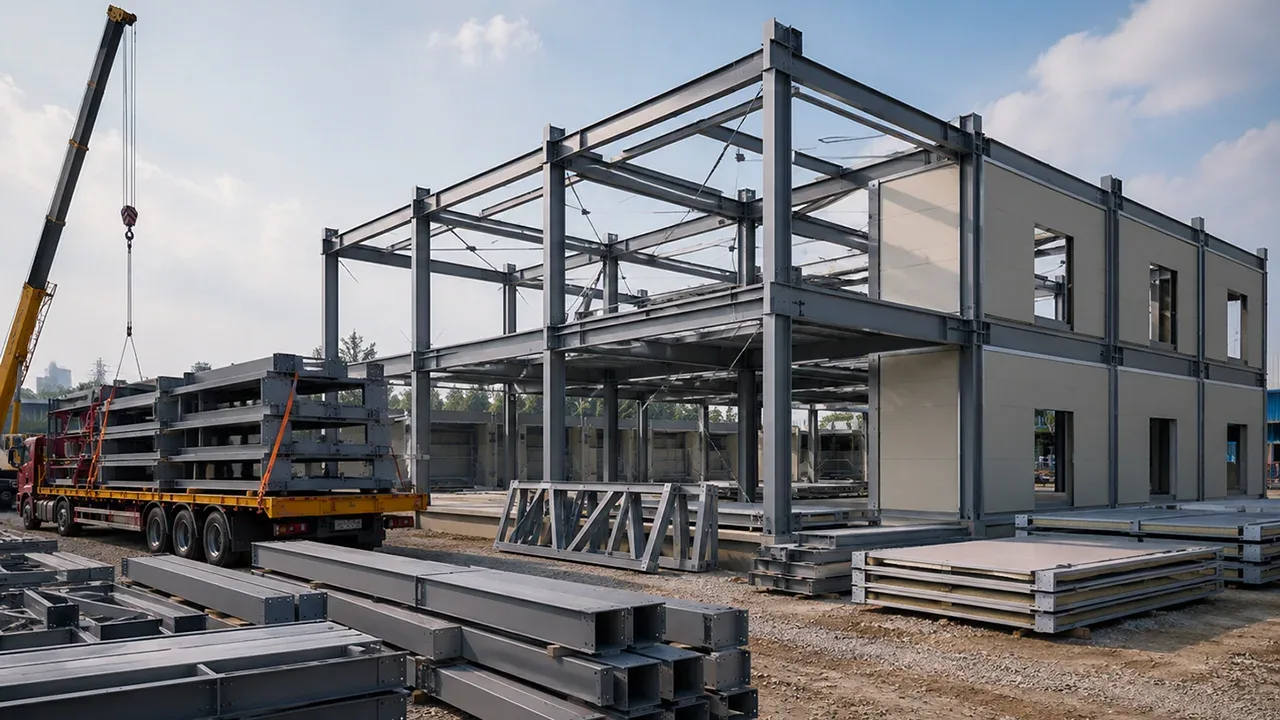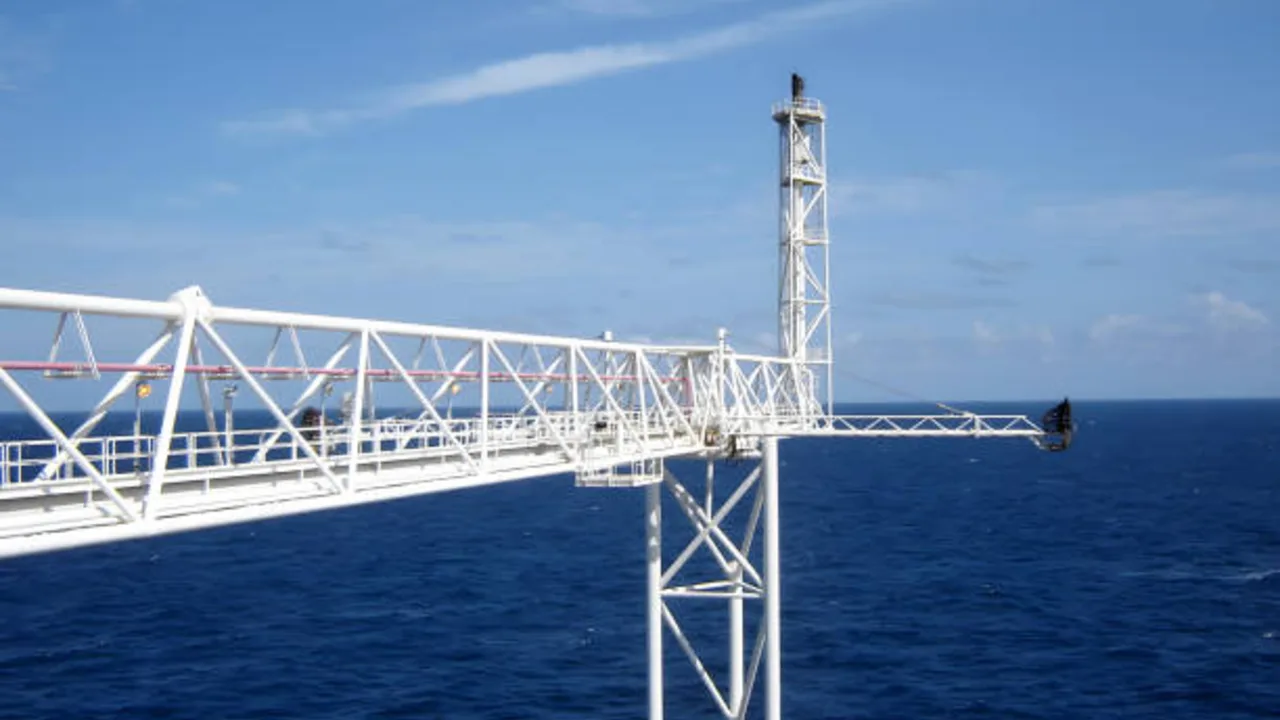
Remote construction projects are rarely simple. A building site may be far from major roads, skilled labor, fabrication workshops, reliable power supply, port access, or heavy lifting resources. In these conditions, every construction decision becomes more sensitive. A missing component, an unclear drawing, a delayed truck, or a foundation error can create problems that are much harder to solve than they would be in an urban or industrial zone.
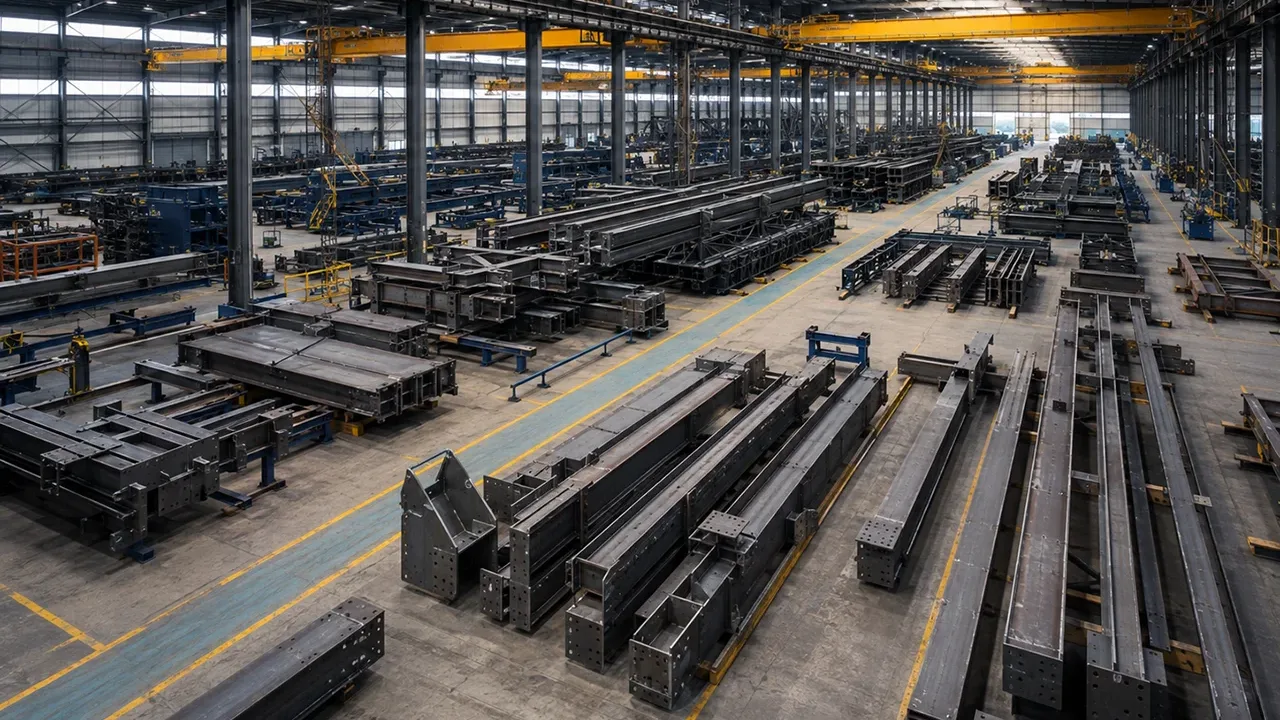
This is why prefab remote site construction has become an important strategy for steel building projects in isolated areas. Instead of relying heavily on site fabrication, more of the cutting, drilling, welding, coating, marking, and quality inspection can be completed in a controlled factory environment before shipment. The remote site then focuses more on unloading, sorting, lifting, bolting, alignment, and final verification.
However, prefabrication alone does not automatically solve every remote construction challenge. Remote projects still depend on careful logistics, route planning, packaging, lifting coordination, site readiness, foundation verification, and installation sequencing. A steel frame may be manufactured accurately, but if it arrives in the wrong order, cannot pass through the access road, or reaches the site before anchor bolts are verified, the advantage of prefabrication can quickly disappear.
Successful remote steel construction is not just about sending steel components to a distant location. It is about creating a coordinated system where design, factory production, transport planning, site preparation, and installation work together from the beginning.
Why Remote Locations Make Steel Construction More Complex
Remote locations magnify small mistakes. In a city or developed industrial park, it may be possible to call another crane, bring extra welders, order replacement bolts, or send a technician to the site quickly. In a remote project area, those options may require days or weeks.
That is why steel construction in remote locations needs a different level of planning. The project team must think beyond the structural drawings and consider how the steel will actually move, arrive, be stored, lifted, connected, inspected, and protected.
Limited labor and equipment availability
One of the biggest challenges in remote steel construction is limited access to skilled labor. A remote project site may not have enough qualified welders, fitters, riggers, crane operators, coating repair workers, surveyors, or inspectors nearby. If the project depends too much on field fabrication, the contractor may need to mobilize a large specialized workforce from another region.
That increases cost and risk.
Field fabrication also requires tools, power, welding machines, cutting equipment, inspection resources, safety systems, temporary shelters, and sometimes coating repair facilities. When all of these resources must be transported to a remote location, the project becomes more complicated.
Prefabricated steel helps reduce this burden. By completing more work in the factory, the site team can focus on assembly instead of production. Columns, beams, trusses, roof members, bracing, and secondary steel can arrive with holes drilled, connection plates welded, surfaces coated, and installation marks already applied.
This does not remove the need for skilled site supervision, but it reduces the amount of work that must be performed under difficult field conditions.
Long transport routes and uncertain access
Transport access is another major issue. Remote sites may be reached through narrow roads, unpaved tracks, mountain routes, temporary roads, coastal access points, river crossings, border checkpoints, or seasonal routes affected by rain, snow, or flooding.
For steel structures, transport conditions directly affect fabrication decisions.
A component that is efficient to fabricate as one large piece may be difficult to move through a remote access route. Long beams may be limited by turning radius. Heavy modules may exceed bridge capacity. Wide frames may create clearance problems. Large bundles may be difficult to unload if the site has limited laydown space.
This means logistics planning should begin before fabrication, not after production is complete.
The project team should review:
- Maximum transportable component length
- Road width and turning limitations
- Bridge and culvert load capacity
- Port or inland handling restrictions
- Truck unloading space at the project site
- Seasonal weather risks along the transport route
In remote construction, transport is not just a shipping issue. It is part of the design and fabrication strategy.
Weather exposure and site productivity risk
Remote sites often face stronger exposure to weather and environmental conditions. Rain, snow, wind, high humidity, dust, coastal air, extreme heat, or freezing temperatures can slow steel erection and reduce productivity.
Weather can affect:
- Crane lifting windows
- Field welding quality
- Surface preparation and coating repair
- Bolt installation and torque control
- Worker safety and access
- Temporary storage conditions
The more fabrication work that is shifted to the factory, the less the project depends on weather-sensitive field production. This is one of the strongest advantages of prefabricated steel in remote areas.
Factory conditions allow better control of welding, dimensional accuracy, surface treatment, marking, and inspection. The site still faces weather risk during lifting and assembly, but the amount of exposed field work is reduced.
How Prefab Remote Site Construction Changes the Project Strategy
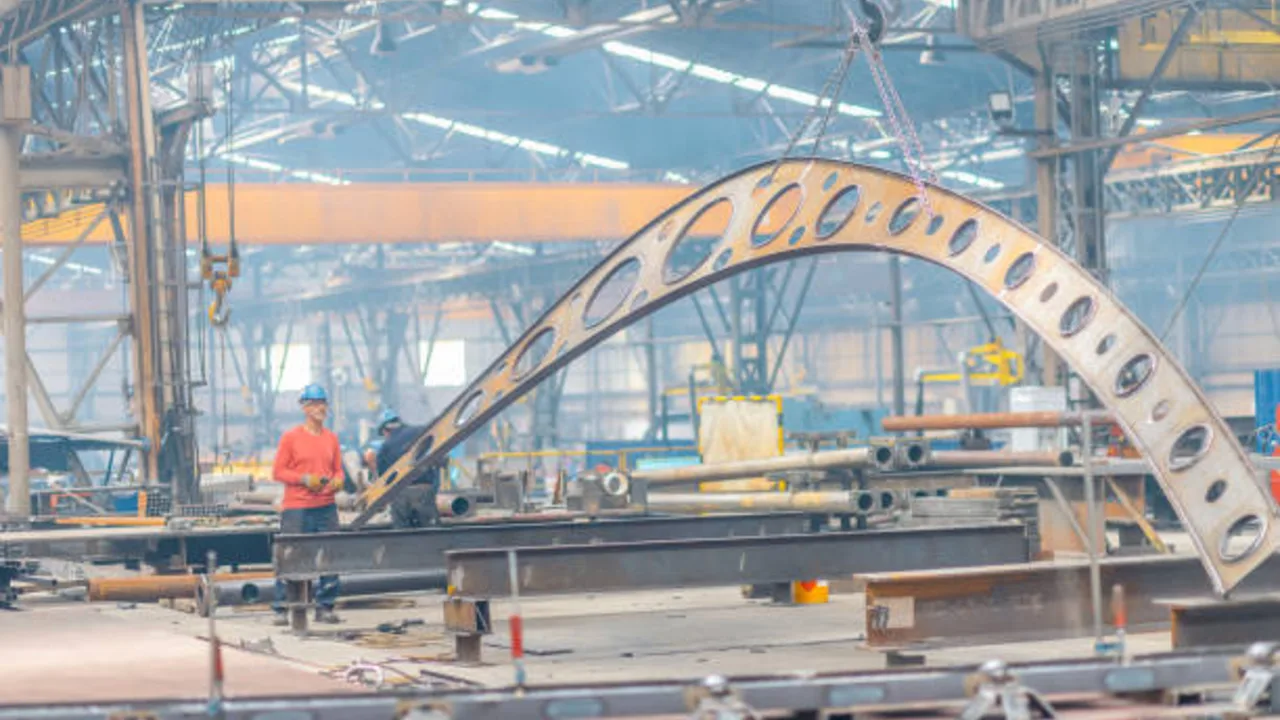
Prefab remote site construction changes the project strategy by moving critical work away from uncertain site conditions and into a controlled production environment. Instead of treating the remote site as the main place of fabrication, the factory becomes the main production center, while the site becomes the final assembly location.
This shift affects design, procurement, inspection, logistics, packing, and installation planning.
Moving critical work from site to factory
Factory preparation is especially valuable for remote projects because it reduces dependency on local fabrication resources. Steel members can be cut, drilled, fitted, welded, trial-checked, coated, labeled, and packed before they ever reach the site.
Typical factory-controlled work may include:
- CNC cutting and drilling
- Welding of connection plates and stiffeners
- Assembly of frames or truss sections
- Surface preparation and coating
- Dimensional inspection
- Component marking and orientation labeling
- Packing by shipment and erection sequence
This approach makes the remote site less dependent on emergency modification. If the factory prepares the steel properly, the installation crew can work with predictable components that are designed to be assembled efficiently.
Creating predictable installation packages
A remote site should not receive random loose steel. It should receive organized installation packages.
That means steel components should be grouped and packed according to the actual erection sequence. The first steel needed on site should not be buried under components required much later. Bolts, clips, brackets, washers, small plates, and temporary installation accessories should be packed by zone or erection stage.
A practical installation package may include:
- Main columns and base plates
- Primary beams or rafters
- Roof trusses or roof framing members
- Bracing systems
- Secondary steel members
- Bolts and connection accessories
- Installation drawings and packing references
Predictable packaging helps the site team unload faster, reduce material searching time, and avoid unnecessary re-handling. In remote areas, this matters because every extra handling step consumes equipment time, labor time, and storage space.
Reducing field improvisation
Remote construction leaves less room for improvisation. If a part is missing, if a drawing is unclear, or if a connection detail is not coordinated, the site team may not have immediate support nearby.
Improvisation can also create safety and quality risks. Cutting steel, drilling new holes, adding field welds, or modifying connection plates without engineering approval can affect structural performance and inspection acceptance.
A strong prefabrication strategy reduces this risk by making more decisions before shipment. Components should be checked before dispatch, drawings should match the latest revision, accessories should be complete, and installation marks should be clear.
The goal is simple: the site team should spend less time solving preventable problems and more time assembling the structure safely.
Logistics Planning for Remote Prefabricated Steel Projects
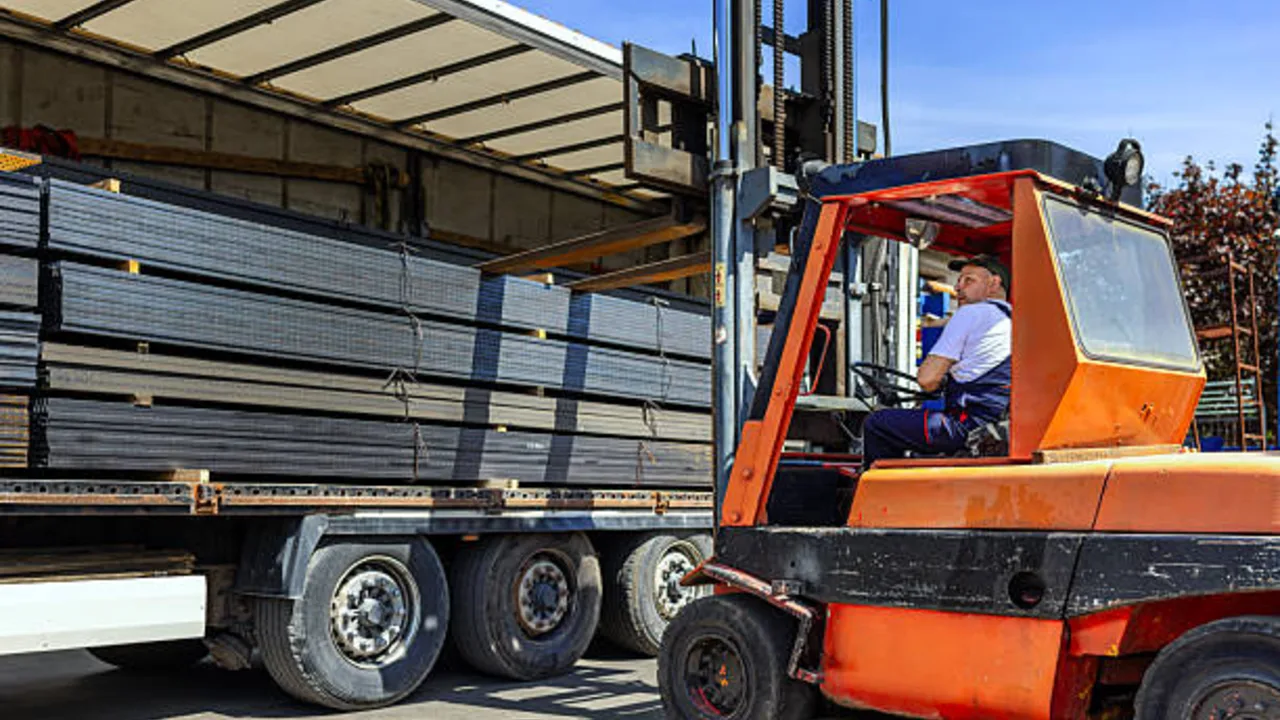
Logistics is one of the most important success factors in remote prefabricated steel projects. In many cases, the steel is not difficult to manufacture. The real challenge is getting it to the project location in the right condition, in the right order, and at the right time.
The table below summarizes key logistics factors that should be reviewed before fabrication and shipment.
| Logistics factor | Remote site risk | Prefab planning response |
|---|---|---|
| Road access | Narrow roads, weak bridges, poor turning radius, seasonal damage, or difficult terrain | Review route limits before fabrication and divide components according to real transport capacity. |
| Component length and weight | Oversized members may be difficult to transport, unload, or lift safely | Balance module size with truck access, crane capacity, and site laydown conditions. |
| Packing sequence | Wrong loading order can force the site team to move steel multiple times | Pack components according to erection sequence and make early-stage steel easy to access. |
| Lifting equipment availability | Remote sites may have limited crane options or lower lifting capacity than expected | Match module weight and lifting points with confirmed crane availability before shipment. |
| Weather window | Rain, snow, wind, or heat may reduce lifting and installation productivity | Coordinate delivery with realistic installation windows and avoid unnecessary early exposure. |
| Customs or border movement | International remote projects may face documentation delays or inspection requirements | Prepare packing lists, certificates, and shipment documents before dispatch. |
| Temporary storage | Limited flat ground can create congestion, damage, or difficult material retrieval | Plan laydown areas and package identification before the steel arrives. |
Transport route study before fabrication
A transport route study should happen before major fabrication decisions are finalized. This is especially important for remote projects where access routes may not support standard assumptions.
The study should consider:
- Maximum truck length allowed on the route
- Road turning radius
- Bridge capacity and clearance
- Port loading and unloading conditions
- Border or customs requirements
- Condition of final access roads near the project site
If route constraints are discovered late, the factory may need to split components, revise packing, change transport methods, or redesign certain assemblies. Early planning avoids this kind of late disruption.
Weight and module size decisions
Larger prefabricated modules can reduce site work, but they can also increase transport and lifting difficulty. Smaller components are easier to move through remote routes, but they require more site assembly.
The best solution depends on the balance between logistics and installation efficiency.
For example, a large roof truss section may reduce field bolting time, but if the site crane cannot lift it safely or the access road cannot handle the load, the design becomes impractical. On the other hand, breaking everything into small pieces may make transport easier but increase labor requirements at the remote site.
A good remote steel strategy considers:
- Transport capacity
- Crane availability
- Local labor skill level
- Site storage space
- Weather exposure during assembly
- Installation sequence
In prefab remote site construction, the most efficient module size is not always the largest one. It is the size that fits the route, the lifting plan, and the installation team’s real capability.
Packing by installation sequence
Packing is often underestimated in remote projects. A shipment can contain all required components and still delay the project if the loading order does not match the installation sequence.
In a remote location, poor packing can create serious problems:
- The first components needed for erection may be buried under later-stage materials.
- Small accessories may be separated from the structural members they belong to.
- Bolts, clips, washers, and brackets may be difficult to locate.
- Steel may need to be handled multiple times before installation begins.
- Temporary storage areas may become congested before the crane work starts.
Packing should therefore be treated as part of the construction plan, not only as a shipping task. Each package should have a clear number, component list, weight reference, unloading instruction, and installation zone. For remote projects, this kind of organization can save days of confusion on site.
Design Considerations for Remote Steel Installation
Design for remote steel construction should consider more than structural strength. The project team must also think about how the components will be transported, unloaded, lifted, aligned, connected, inspected, and protected in a difficult location.
A design that works well on paper may still create field problems if it requires too much welding, too many small loose parts, unclear orientation, or complex adjustment under limited site conditions.
Connection details that reduce field work
Remote steel projects often benefit from connection details that reduce field labor. Bolted connections are commonly preferred because they allow faster installation and reduce the amount of field welding required.
However, bolted connections only work well when the design, fabrication, and site verification are coordinated. Hole positions, plate orientation, bolt access, edge distances, and erection sequence must be checked carefully before dispatch.
Good connection planning may include:
- Shop-drilled bolt holes
- Clearly marked connection plates
- Accessible bolt locations
- Simple erection sequence
- Controlled tolerance allowance
- Reduced dependence on field welding
Field welding may still be necessary in some cases, especially for final adjustment, local reinforcement, or special site conditions. But planned field welding is very different from emergency field welding. Any welds that must be completed on site should be identified in advance, supported by suitable procedures, and included in the inspection plan.
Surface protection for long-distance transport
Surface protection is especially important when steel components travel long distances before installation. Remote sites may involve sea freight, long inland trucking, outdoor storage, humid climates, dusty roads, or coastal exposure.
The project team should decide early whether the steel requires primer, paint, galvanizing, special coating systems, or additional transport protection. Coated members should be packed to reduce rubbing and impact damage during movement.
Important protection measures may include:
- Edge protection for coated members
- Wooden spacers between steel components
- Moisture-resistant wrapping where required
- Clear coating repair procedures
- Touch-up materials delivered with the shipment
- Inspection records before loading
Remote sites may not have strong coating repair capacity. If coating damage is found after delivery, the project may need to wait for materials, tools, or trained workers. This is why coating condition should be checked before shipment and protected during transport.
Designing for simple inspection and assembly
In remote construction, simple assembly is a major advantage. Components should be easy to identify, orient, inspect, and connect.
This can be supported through:
- Clear erection drawings
- Member numbers that match the packing list
- Orientation marks for left, right, top, bottom, or grid direction
- Predefined bolt groups
- Installation checklists
- Package labels organized by zone
The goal is to make the installation process as intuitive as possible. A remote site team should not need to guess which member belongs to which bay, which side faces outward, or which package contains the required accessories.
Site Readiness Before Steel Arrives
A remote project can lose time even when the steel is fabricated correctly. If the site is not ready, the shipment may arrive too early, remain exposed, or require repeated handling before erection can begin.
Site readiness should be confirmed before dispatch.
Foundation and anchor bolt verification
Foundation and anchor bolt errors are expensive in remote locations. If anchor bolts are misplaced or elevations are wrong, correction may require drilling, grouting, replacement materials, or engineering review. In an isolated site, this can delay the entire steel erection sequence.
Before steel shipment, the site team should verify:
- Gridline locations
- Anchor bolt positions
- Anchor bolt projection height
- Base plate bearing surfaces
- Foundation elevations
- Diagonal measurements
- Grout pocket condition
The results should be compared with the approved steel drawings. If deviations are found, the project team can decide whether to correct the foundation, revise the connection detail, adjust the delivery schedule, or prepare an approved installation method.
Crane access and temporary laydown areas
Remote sites often have limited flat ground. That creates problems for delivery trucks, cranes, material laydown, worker movement, and temporary storage.
Before steel arrives, the project team should confirm:
- Truck access route inside the site
- Crane standing position
- Safe lifting radius
- Ground bearing capacity
- Temporary storage zones
- Material sorting areas
- Emergency access routes
If the steel arrives before laydown areas are ready, components may be stored in poor locations. This can create extra handling, coating damage, safety hazards, and slower installation.
Power, tools, and temporary facilities
Remote steel installation also depends on temporary facilities. Even with prefabricated components, the site may still need power, lighting, tools, shelters, lifting equipment, communication systems, and safety facilities.
The site team may need:
- Generators
- Torque tools
- Welding machines
- Grinding tools
- Survey equipment
- Temporary lighting
- Weather shelters
- Communication devices
- Safety equipment
These items should be planned before the steel arrives. Otherwise, the project may have complete steel components on site but no practical ability to install them efficiently.
Quality Control Before Shipment
Quality control before shipment is one of the strongest safeguards in prefab remote site construction. Once steel leaves the factory, correcting errors becomes harder. For remote locations, the cost of correction is even higher because distance affects labor, transport, communication, and replacement timing.
Dimensional inspection before dispatch
Dimensional inspection should confirm that the fabricated steel matches the approved drawings before shipment.
Inspection should cover:
- Member length
- Hole spacing
- Connection plate position
- Base plate orientation
- Truss geometry
- Frame alignment
- Bracing connection points
Small dimensional errors can become major installation problems in remote sites. A hole mismatch that might be corrected quickly near a workshop can become a major delay when the project is several hundred kilometers from fabrication support.
Marking and documentation
Clear documentation is essential. Remote site teams may not be able to ask the factory for immediate clarification at every step. Drawings, packing lists, inspection records, and component labels should be complete and easy to use.
Important documents may include:
- Approved erection drawings
- Packing lists
- Component identification lists
- Bolt and accessory lists
- Coating inspection records
- Material certificates
- Shipment photos
- Installation sequence notes
Good documentation reduces confusion and helps the site team work independently with fewer interruptions.
Pre-shipment issue closure
Before dispatch, the project team should close known issues. Open problems become harder to solve once the steel is in transit.
Issues that should be closed before shipment include:
- Missing members
- Incomplete accessories
- Open NCRs
- Damaged coating
- Unclear component markings
- Unconfirmed drawing revisions
- Unverified packing sequence
For remote steel projects, shipping incomplete or uncertain materials is risky. The safest approach is to treat factory release as a formal quality gate.
Common Problems in Remote Prefabricated Steel Construction
Even when prefabrication is used, remote projects can still face problems if planning is weak.
Common issues include:
- Steel arrives before foundations are ready.
- Components are packed in the wrong sequence.
- Bolts or small accessories are missing.
- Road access is weaker than expected.
- Crane capacity is lower than assumed.
- Coating is damaged during long-distance transport.
- Drawings do not match the latest revision.
- Weather delays the lifting window.
- Temporary storage space is not prepared.
- Site teams cannot identify components quickly.
Most of these problems are preventable. They usually come from weak coordination between design, fabrication, logistics, and site preparation.
How Prefabricated Steel Reduces Remote Project Risk
Prefabricated steel can reduce remote project risk by shifting complex work into a controlled environment and simplifying the job site. This is especially useful where labor is limited, weather is unpredictable, and transport is difficult.
Less dependence on local fabrication capacity
In remote areas, local fabrication capacity may be limited or unavailable. Prefabrication allows the project to rely more on a professional factory and less on field production.
This reduces the need for:
- Large field welding teams
- Heavy cutting equipment on site
- Complex fit-up work in remote conditions
- Extensive coating work after installation
- Emergency field modification
The site team can focus on assembly, alignment, bolting, inspection, and final checks.
Shorter installation windows
Remote projects often have limited installation windows. Weather, transport availability, labor mobilization, or crane rental may restrict how long the project can operate efficiently.
Prefabricated steel helps shorten installation time when components arrive correctly prepared. This can be useful for:
- Mining facilities
- Energy projects
- Island buildings
- Agricultural structures
- Remote warehouses
- Industrial workshops
- Logistics support buildings
Faster erection reduces exposure to weather, lowers labor mobilization time, and helps the project move into enclosure or equipment installation sooner.
Better cost control through fewer surprises
Remote projects become expensive when surprises appear late. Emergency transport, replacement parts, crane standby, additional labor mobilization, and field correction can all increase cost.
A strong prefabrication strategy improves cost control by reducing uncertainty. When components are inspected, marked, packed, and sequenced properly, the installation team can work with fewer interruptions.
Real Project-Style Scenario: Steel Building Delivery to a Remote Industrial Site
Consider a remote industrial facility that needs a steel building in an area with limited skilled labor and difficult road access. The project site is far from major fabrication workshops, and the access road can only support medium-size trucks. The available crane has limited lifting capacity, and the weather window for installation is short.
The project team chooses prefabricated steel frames and roof members instead of relying on heavy field fabrication.
Before fabrication begins, the team studies the transport route. Long members are divided into transportable sections. Heavy modules are avoided because the site crane cannot lift them safely. Connection details are designed with bolted interfaces where possible, while limited field welding is planned only for specific locations.
Before dispatch, the site team surveys the foundation and verifies anchor bolt positions. The factory checks member dimensions, connection holes, coating condition, and component markings. Small accessories are boxed by installation zone. The packing list is organized according to the erection sequence, so the first steel needed on site is easy to unload first.
When the shipment arrives, the site team can sort the steel quickly, match packages with the erection drawings, and begin installation without major field fabrication. The project still requires careful supervision, but the risk of delay is lower because design, factory production, logistics, and site readiness were coordinated before delivery.
This scenario shows the real value of prefabrication in remote work. The success does not come from steel components alone. It comes from the planning system around those components.
When a Fully Prefabricated Approach May Not Be Enough
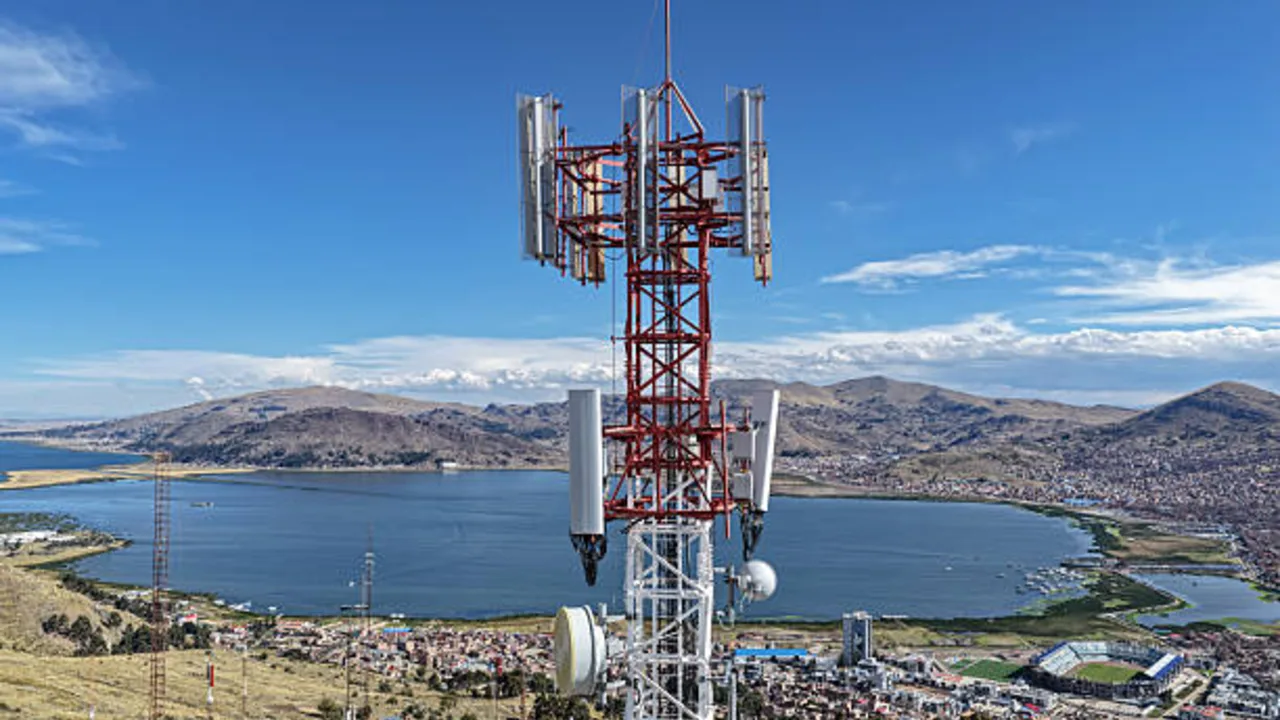
Prefabrication is powerful, but it does not remove every remote construction challenge. Some remote projects still require partial field assembly, adjustable details, or strong site supervision.
Transport limits may require partial assembly
Some components cannot be shipped as large modules because of road width, bridge capacity, port limits, or crane restrictions. In these cases, partial prefabrication may be more practical than full module delivery.
The structure can be divided into manageable components that are easier to transport and lift while still reducing field fabrication compared with conventional construction.
Site conditions may require adjustable details
Remote sites may have foundation variation, access limitations, or local alignment issues. Adjustable details can help absorb normal variation without uncontrolled field modification.
Useful details may include:
- Slotted holes
- Shim zones
- Bolted interfaces
- Planned field welds
- Adjustable secondary steel connections
These details should be engineered and approved, not improvised in the field.
Remote projects still need strong field supervision
Prefabrication reduces field risk, but it does not eliminate the need for experienced supervision. The site still needs survey control, lifting planning, bolt verification, temporary support management, safety control, and inspection.
A weak site team can still create problems even with well-fabricated steel. Successful prefab remote site construction depends on both factory readiness and site discipline.
Why Supplier Coordination Matters for Remote Steel Projects
Remote steel projects require more than manufacturing capacity. They need coordination between engineering, fabrication, packing, shipping, site preparation, and installation support.
Companies planning remote industrial buildings can benefit from working with a china prefabricated steel structure building supplier that understands both factory production and site installation constraints.
Factory support during installation
Remote teams may need quick clarification during installation. The manufacturer should be able to support the site with drawings, packing references, connection details, bolt lists, and technical responses.
This support is easier when project documentation is organized before shipment.
Communication between logistics and site team
The logistics team and site team must stay aligned. Delivery timing, unloading equipment, crane readiness, temporary storage, and installation sequence should be confirmed before dispatch.
If steel arrives before the site is ready, the project may face storage problems. If the site is ready but steel is delayed, crane and labor resources may sit idle. Coordination prevents both situations.
Conclusion
Prefab remote site construction is not simply about manufacturing steel components and sending them to a distant project location. It is a coordinated construction strategy that connects design, fabrication, logistics, site readiness, inspection, and installation planning.
Remote locations magnify small mistakes. A missing bolt package, an incorrect packing order, an unverified anchor bolt layout, or a weak access road can create delays that are difficult and expensive to fix.
Prefabricated steel can make remote construction faster, safer, and more predictable when the project team manages the full system from the beginning. That means checking transport routes before fabrication, designing components around real lifting capacity, packing by erection sequence, verifying foundations before delivery, closing quality issues before shipment, and keeping communication clear between the factory and the site.
When these elements are controlled, prefabricated steel becomes a practical solution for remote industrial buildings, warehouses, energy facilities, agricultural structures, and infrastructure support projects where conventional field-heavy construction would be slower and harder to manage.