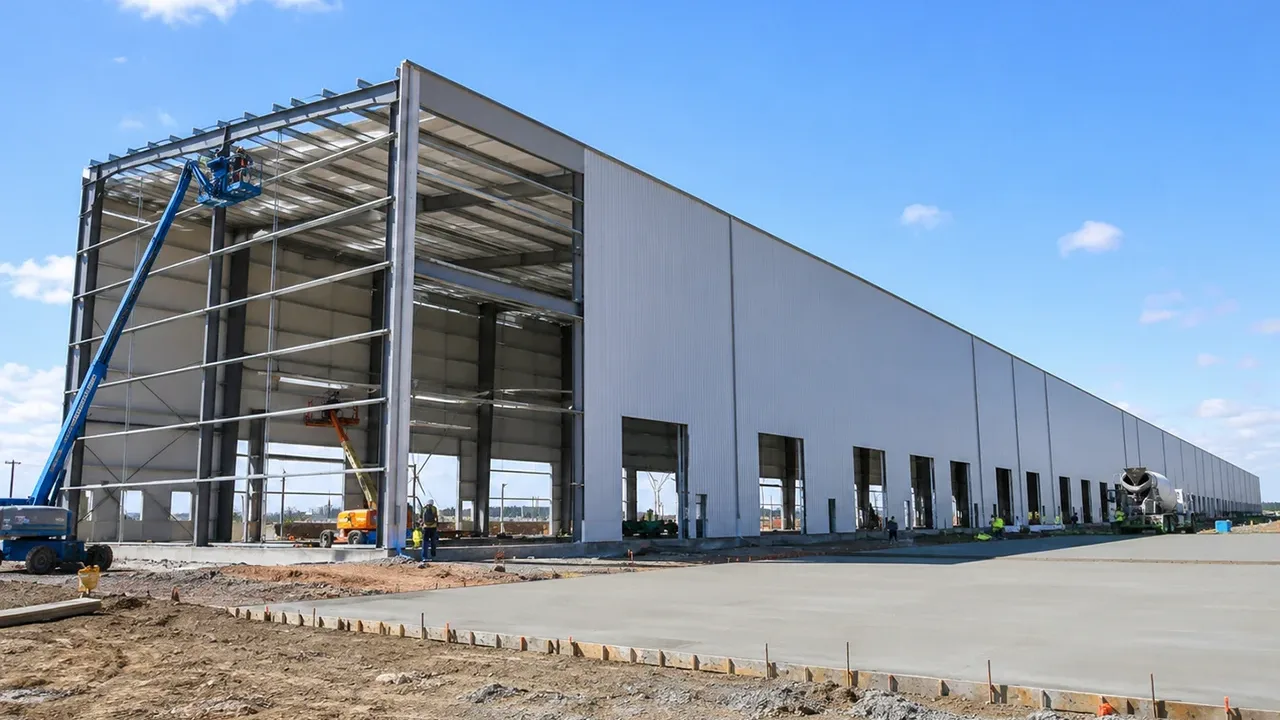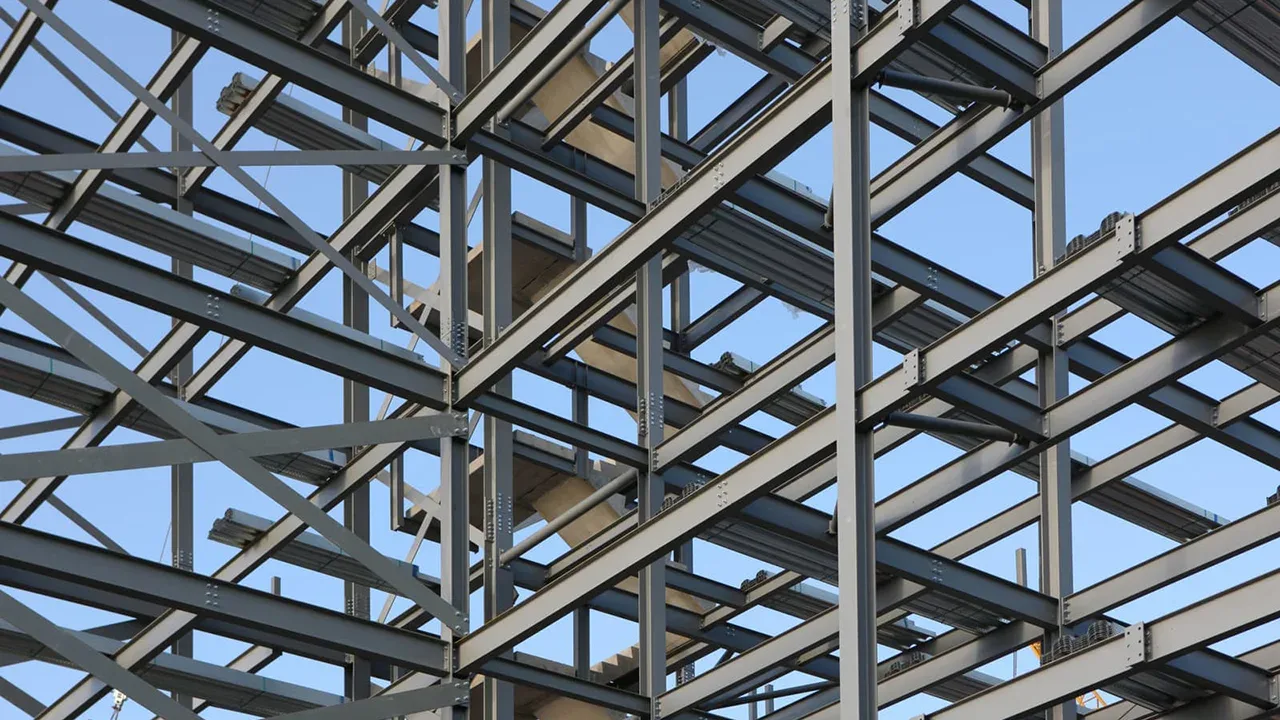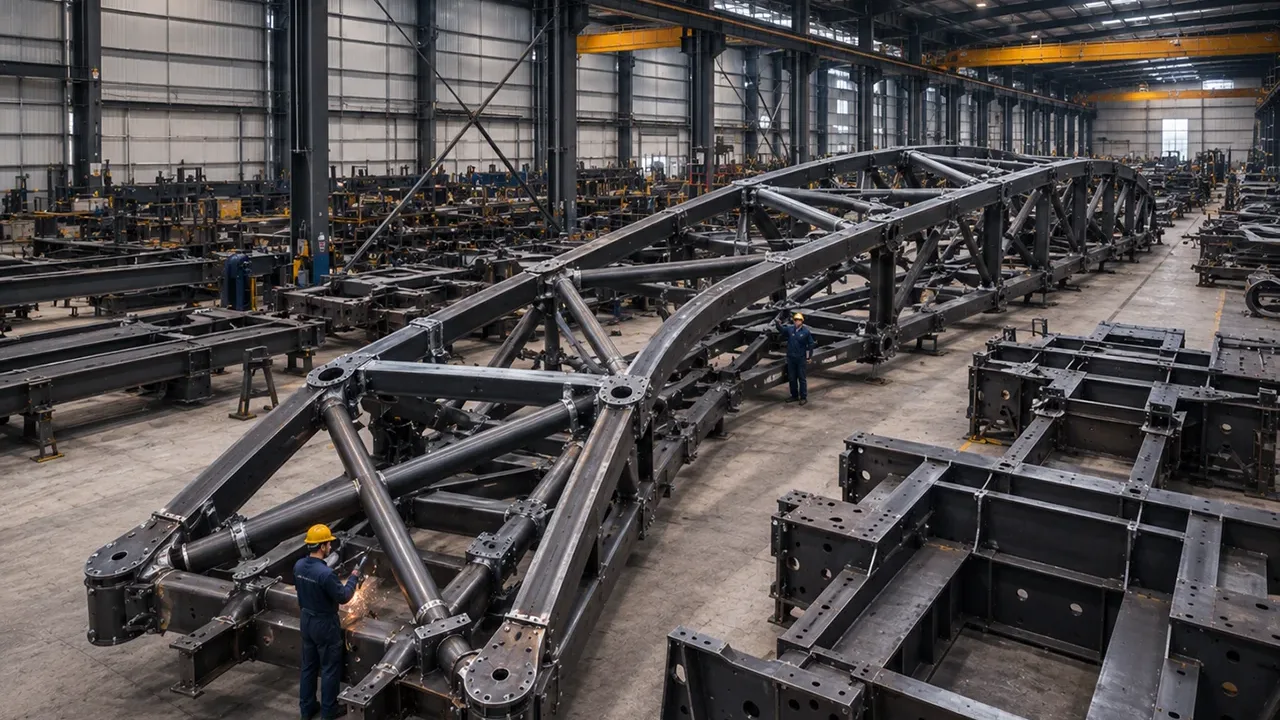
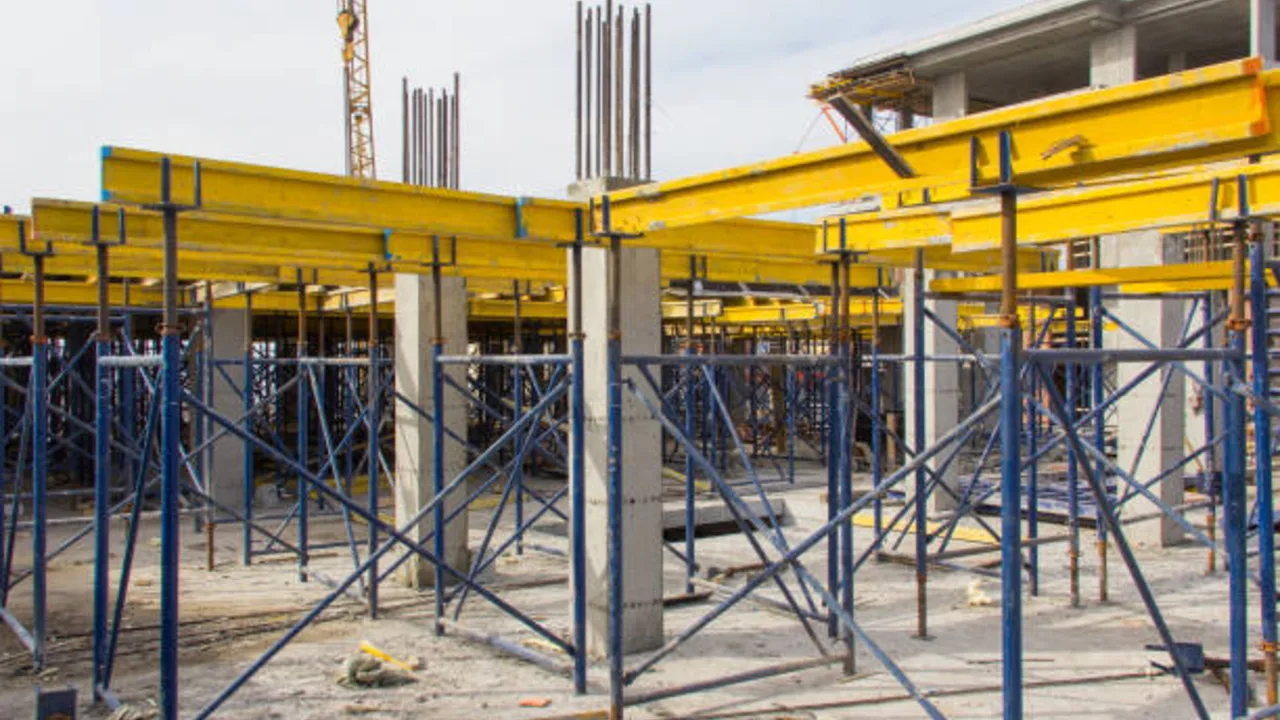
Prefabricated steel construction is often selected because it can reduce site labor, improve dimensional consistency, and accelerate installation. Structural components are manufactured in controlled factory environments, delivered to the project location, and assembled according to a planned sequence. In theory, this approach should minimize uncertainty during construction.
However, site rework can still happen.
Even in well-managed prefabricated projects, unexpected field conditions, transportation damage, drawing revisions, foundation deviations, or connection conflicts may require correction before installation can continue. The difference is that rework in prefab steel projects is often more disruptive than in conventional construction because modules are already fabricated, sequencing is tighter, and crane operations are usually planned around precise delivery windows.
Effective prefab site rework management is therefore not only about fixing problems after they appear. It is a structured approach for identifying issues early, classifying the type of correction needed, obtaining engineering approval when necessary, and preventing repeated mistakes from affecting later project stages.
In large steel projects, uncontrolled site rework can quickly affect cost, schedule, safety, and installation quality. A single misaligned base plate, damaged coating area, or incorrect connection detail may delay crane work, interrupt downstream trades, or require additional inspection before the structure can proceed.
For this reason, modern prefab steel projects need a clear rework management system that connects the factory, logistics team, site crew, engineers, and quality inspectors into one coordinated workflow.
Why Site Rework Happens in Prefabricated Steel Projects
Site rework rarely comes from one single source. In most prefabricated steel projects, it is the result of small mismatches between design assumptions, factory production, transportation conditions, and actual site execution.
Understanding these causes is the first step toward better prefab site rework management.
Design information gaps before fabrication
Prefab steel projects depend heavily on complete and accurate design information before fabrication begins. When drawings are incomplete, outdated, or not fully coordinated, the factory may produce components that later require site correction.
Common design-related causes include:
- Late client changes after fabrication has started
- Missing interface details between steel, cladding, MEP, or equipment supports
- Unclear tolerance requirements
- Conflicting drawing revisions
- Incomplete connection details
In traditional construction, some design adjustments may be resolved gradually in the field. In prefab projects, however, many components are already cut, drilled, welded, coated, and packed before they arrive on site. This makes late design changes much more expensive.
A strong revision control system is therefore essential. Fabrication teams must work only from approved drawings, while site teams need access to the same latest revision. When information is not synchronized, correction work becomes almost unavoidable.
Dimensional mismatch between factory output and site conditions
Factory-made steel components are usually produced with tight dimensional control. The problem often appears when actual site conditions do not match the design assumptions.
Typical site-related dimensional issues include:
- Anchor bolts installed outside tolerance
- Foundation elevations that differ from approved drawings
- Gridline layout errors
- Uneven bearing surfaces
- Insufficient clearance around connection points
These problems can create immediate installation conflicts. For example, a steel column base plate may be manufactured correctly, but if the anchor bolts are offset, the column cannot be installed without correction. In some cases, adjustment may involve slotted holes, shims, grout, or approved field modification. In other cases, the issue may require engineering review before any work proceeds.
The key is to identify these mismatches before modules arrive on site. Foundation surveys, anchor bolt checks, and pre-installation inspections are essential to reducing preventable rework.
Transportation and handling damage
Even when fabrication quality is excellent, damage can occur during loading, transport, unloading, or temporary storage.
Prefab steel components may experience:
- Scratched paint or coating damage
- Bent connection plates
- Minor member deformation
- Damaged bolt holes
- Distorted secondary members
Some damage may appear minor, but it can still require documented correction before installation. Coating scratches, for example, may need touch-up repair to preserve corrosion protection. A bent plate may require inspection to confirm whether straightening is acceptable or replacement is required.
Because prefab components are often installed soon after delivery, incoming material inspection must happen quickly. If damage is discovered late, the component may already be on the critical installation path.
Installation sequencing conflicts
Prefab steel projects depend on carefully planned delivery and erection sequences. When modules arrive in the wrong order or site readiness changes unexpectedly, rework and handling inefficiencies can increase.
Sequencing conflicts may involve:
- Modules delivered before foundation readiness
- Components arriving out of installation order
- Crane access limitations
- Temporary storage congestion
- Interface conflicts with other trades
If a module cannot be installed immediately, it may need to be stored, moved, lifted again, or protected from damage. Each additional handling step increases risk. Poor sequencing can also force crews to perform correction work in less efficient locations instead of controlled work zones.
Good planning should connect delivery schedules, crane plans, site access routes, and erection priorities into one coordinated installation strategy.
Why Rework Is More Costly in Prefab Steel Construction
Rework is expensive in any construction project, but it can be especially disruptive in prefabricated steel systems. The main reason is that prefab construction is designed around predictability. When that predictability breaks, the impact spreads quickly.
Prefab systems depend on installation sequence
Prefab steel modules are often installed in a specific order. Columns, beams, trusses, roof units, bracing systems, and secondary members may depend on one another for alignment and stability.
If one component requires unexpected correction, it can affect:
- The next module scheduled for installation
- Crane utilization
- Site labor allocation
- Temporary bracing plans
- Follow-up work by other trades
This is why a small field issue can create a large schedule impact. A misaligned connection may delay more than one component. It may block an entire installation zone, create crane idle time, or force the project team to resequence work.
In this environment, rework must be managed as a project control issue, not simply a repair activity.
Correction work may require engineering approval
Not every site issue can be corrected immediately by field crews. Some correction work affects structural performance and must be reviewed by qualified engineers before execution.
Examples include:
- Field drilling new bolt holes
- Cutting or trimming steel members
- Welding additional plates or stiffeners
- Modifying base plates
- Straightening deformed structural elements
Unauthorized modification can create serious quality and safety risks. Even if the field solution appears simple, it may affect load paths, connection capacity, fatigue behavior, corrosion protection, or inspection requirements.
A controlled correction workflow protects the project from informal decisions. The issue should be documented, reviewed, approved, executed, and verified before the component is released for installation.
Rework reduces the efficiency advantage of prefabrication
The value of prefab steel construction comes from shifting work from the jobsite into the factory. When excessive work returns to the site, the main efficiency advantage begins to weaken.
Uncontrolled site rework can lead to:
- More field labor than planned
- Longer crane rental periods
- Additional inspection requirements
- Higher safety exposure
- Delayed handover of work zones
This does not mean prefab projects must avoid every possible correction. In real projects, some level of adjustment is normal. The goal is to manage correction work in a controlled, prioritized, and documented way so that it does not damage overall project performance.
Key Principles of Prefab Site Rework Management
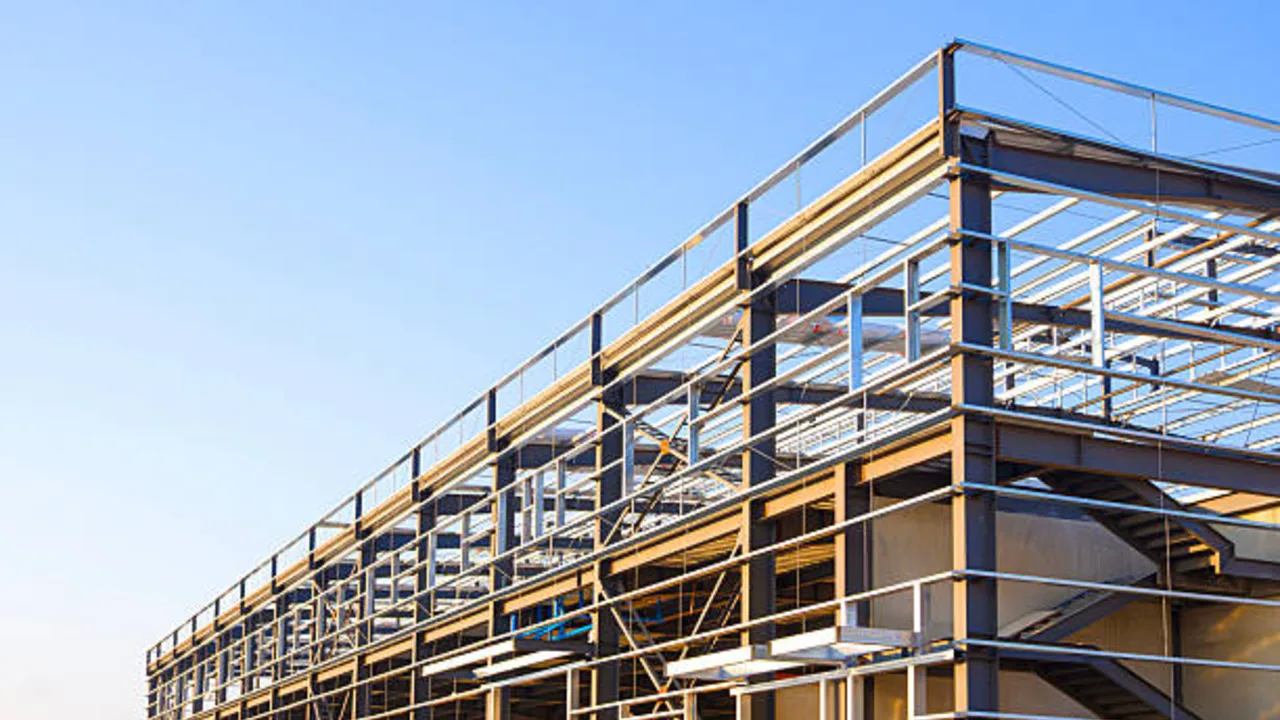
A practical prefab site rework management system should help teams detect issues early, decide what type of correction is required, prevent unauthorized field changes, and track recurring problems back to their source.
The table below summarizes the main principles and how they support better project control.
| Management Principle | What It Means on Site | Why It Matters |
|---|---|---|
| Early identification | Inspect foundations, deliveries, dimensions, coatings, and connection points before installation begins. | Reduces crane delays and prevents defective components from entering the erection sequence. |
| Issue classification | Separate minor touch-up work from structural modification requiring engineering approval. | Prevents unauthorized cutting, drilling, welding, or unsafe field correction. |
| Formal correction workflow | Document the issue, assign responsibility, obtain approval, perform correction, and verify completion. | Creates accountability and protects quality records. |
| Priority control | Address critical-path components first and schedule noncritical repair work without blocking installation. | Keeps crane operations and installation progress moving efficiently. |
| Root-cause tracking | Record repeated problems and trace them back to design, fabrication, transport, or site execution. | Helps prevent the same correction issues from repeating on later project stages. |
Identify rework before installation begins
The earlier a rework issue is found, the easier it is to control. Problems discovered before lifting usually have more available correction options than problems discovered after a module is already suspended, partially installed, or connected to other components.
Pre-installation checks should include:
- Foundation and anchor bolt verification
- Incoming material inspection
- Component dimension checks
- Coating and surface condition review
- Connection readiness confirmation
This inspection process helps the team decide whether a component can be installed immediately, requires minor correction, or must be held for engineering review.
Separate minor correction from structural modification
Not all rework carries the same level of risk. Cleaning bolt threads, repairing minor coating scratches, or removing small burrs may be handled through standard site procedures. Structural modification is different.
Structural correction may include drilling, welding, cutting, heating, bending, or changing the geometry of a member or connection. These actions should never be treated casually because they may affect design intent.
A clear classification system allows field teams to respond quickly while still protecting engineering control.
Use a formal correction workflow
A controlled workflow prevents site teams from solving structural problems informally. In prefab steel installation, speed is important, but uncontrolled speed can create bigger problems later.
A practical correction workflow may include:
- Issue discovery during inspection or installation
- Photo documentation and location marking
- Comparison with approved drawings
- Classification as minor, moderate, or structural rework
- Engineering review when required
- Approval of the correction method
- Execution by qualified personnel
- Final inspection and sign-off
This process may seem slower than immediate field adjustment, but it protects the project from uncontrolled modification. It also creates a clear record showing what was corrected, who approved it, and whether the component is safe to install.
For large prefab projects, this kind of workflow is one of the foundations of effective prefab site rework management.
Track recurring causes of rework
One isolated correction may be manageable. Repeated correction of the same issue is a warning sign.
If multiple base plates show similar alignment problems, the cause may be foundation survey error. If several modules arrive with coating damage in the same location, the cause may be packaging or lifting method. If bolt holes repeatedly fail to align, the issue may come from drawing coordination, jig setup, or tolerance assumptions.
Common patterns worth tracking include:
- Repeated connection mismatch
- Recurring coating damage after transport
- Similar anchor bolt deviations across multiple gridlines
- Consistent interface conflicts with MEP or cladding systems
- Repeated missing parts or incorrect delivery sequencing
Tracking the root cause allows the project team to prevent future rework instead of only reacting to each issue one by one.
Common Types of Rework in Prefabricated Steel Projects
Prefab steel rework can involve many different conditions. Some are minor and can be corrected quickly. Others require engineering approval, additional fabrication, or replacement parts.
The table below shows common rework categories and their typical project impact.
| Rework Type | Typical Cause | Possible Correction | Risk Level |
|---|---|---|---|
| Connection hole misalignment | Drawing mismatch, fabrication tolerance issue, or site positioning error | Engineering-approved drilling, slotting, or connection adjustment | Medium to high |
| Base plate and anchor bolt conflict | Anchor bolt offset, foundation layout error, or survey deviation | Shim, grout, base plate review, or approved modification | High |
| Coating damage | Transport, unloading, temporary storage, or lifting contact | Surface preparation and coating touch-up | Low to medium |
| Member deformation | Improper lifting, handling impact, or transport movement | Straightening, repair review, or replacement | Medium to high |
| Interface conflict | Coordination gap between steel, MEP, roof, cladding, or equipment systems | Field coordination, engineering review, or component adjustment | Medium |
Connection hole misalignment
Connection hole misalignment is one of the most common causes of site correction in steel projects. It may occur when fabrication drawings, erection drawings, and actual site geometry do not fully match.
Small misalignments may sometimes be absorbed by connection tolerance, but larger issues cannot be forced into position. Excessive installation force can damage bolts, distort plates, or create hidden stress in the connection.
Before any field drilling or slotting is performed, the team should confirm:
- Whether the component is installed in the correct orientation
- Whether the correct drawing revision is being used
- Whether the issue comes from fabrication or site positioning
- Whether the proposed correction affects connection capacity
Controlled review prevents a simple hole correction from becoming a structural risk.
Base plate and anchor bolt correction
Base plate conflicts are especially sensitive because they affect load transfer between the steel structure and the foundation.
Common issues include:
- Anchor bolts shifted from the designed location
- Foundation elevations outside tolerance
- Base plates not sitting evenly
- Insufficient thread engagement
- Incorrect grout gap or bearing condition
Correction may involve shims, leveling nuts, grout adjustment, or engineering-approved modification to the base plate. In serious cases, anchor bolt remediation may be required.
This type of work should always be documented carefully because it affects structural stability, alignment, and long-term performance.
Coating and surface repair
Coating damage is often less structurally severe than connection or base plate issues, but it should not be ignored. Steel components may be exposed to scratches, abrasions, impact marks, or coating loss during transportation and handling.
Typical correction work includes:
- Cleaning the damaged area
- Removing loose coating or rust
- Applying approved primer or touch-up coating
- Checking dry film thickness where required
- Recording the repair location
For projects in coastal, industrial, or high-humidity environments, coating correction is important for corrosion protection. Minor damage today can become a maintenance problem later if not repaired properly.
Member deformation or handling damage
Handling damage may occur when components are lifted from incorrect points, stored without proper support, or exposed to impact during transport.
Possible signs include:
- Bent flanges
- Twisted secondary members
- Distorted connection plates
- Local dents
- Misaligned welded attachments
Not every deformation requires replacement, but every structural deformation should be reviewed. Straightening may be acceptable in some cases, while replacement may be necessary if the damage affects strength, fit-up, or fatigue performance.
A good prefab site rework management system should define who has authority to approve repair and when the issue must be escalated to engineering.
Prevention Strategies Before Fabrication Starts
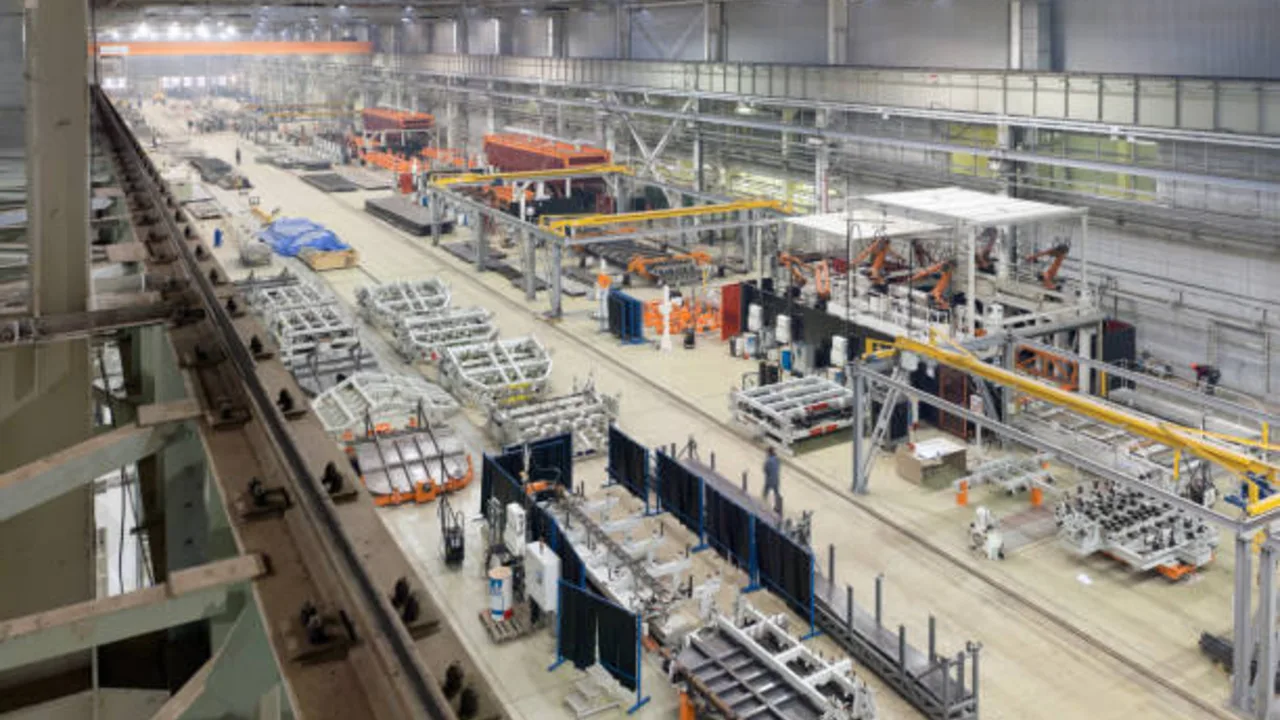
The best rework management begins before components are manufactured. Once steel members are cut, drilled, welded, and coated, changes become more expensive.
Early prevention strategies help reduce the need for later correction.
Design freeze and revision control
A design freeze does not mean the project can never change. It means that fabrication should begin only after the required design information has reached an approved and controlled stage.
Revision control should make clear:
- Which drawing version is approved for fabrication
- Which changes are still pending
- Who has authority to release revised drawings
- How outdated drawings are removed from use
Without this control, the factory may fabricate from one drawing revision while the site team installs from another. That is a direct path to rework.
BIM coordination and clash detection
BIM coordination helps detect interface conflicts before they reach the field. In prefab steel projects, the structure rarely exists alone. It must coordinate with foundations, cladding, roof systems, equipment supports, mechanical systems, and access routes.
BIM-based review can help identify:
- Connection conflicts
- MEP penetrations affecting steel members
- Crane access limitations
- Module installation sequence conflicts
- Maintenance access problems
When these issues are resolved before fabrication, the amount of site correction can be reduced significantly.
Factory mock-up and connection verification
For complex connections, trial assembly or mock-up inspection can prevent major installation problems. This is especially useful for large trusses, heavy frames, modular platforms, or unique connection geometries.
Factory verification may include:
- Checking bolt hole alignment
- Confirming splice plate fit-up
- Testing assembly sequence
- Verifying temporary support requirements
- Reviewing erection marks and component labels
A small amount of verification in the factory can prevent a much larger correction problem on site.
Site Inspection Procedures That Reduce Rework
Site inspection is not only a quality-control activity. In prefab steel projects, it is a scheduling protection tool.
If inspections are performed early and consistently, many issues can be corrected before they disrupt installation.
Foundation and anchor bolt survey
Before steel modules arrive, the site team should verify foundation readiness. This includes gridlines, elevations, anchor bolt locations, and bearing surfaces.
Survey results should be compared with approved drawings and tolerance requirements. If deviations are found, the team can decide whether correction is needed before delivery.
This step is especially important because foundation issues often affect multiple components at once.
Incoming material inspection
Incoming inspection should happen as soon as components arrive on site.
The inspection should confirm:
- Correct component identification
- Correct quantity and delivery sequence
- Visible transport damage
- Coating condition
- Connection plate and bolt hole condition
Any issue should be recorded immediately. Waiting until the component is ready for lifting increases the chance of crane delay and last-minute correction work.
Pre-lift verification
Before lifting, the installation team should confirm that the component is ready to install.
Pre-lift checks may include:
- Lifting point confirmation
- Temporary bracing readiness
- Connection bolt availability
- Work zone clearance
- Correction status closure
A component with unresolved rework should not enter the lifting sequence unless the project team has approved the risk and method.
Managing Correction Work Without Disrupting Installation
Correction work should be managed in a way that protects the critical installation path.
Not all rework has the same urgency. A connection issue that blocks the next lift is more urgent than a noncritical coating touch-up that can be completed after erection.
Prioritize rework by installation impact
The project team should classify rework based on installation impact:
- Critical: blocks lifting, alignment, or structural stability
- High priority: affects near-term installation sequence
- Medium priority: affects quality but not immediate erection
- Low priority: can be completed after installation without affecting safety or access
This priority system helps teams avoid spending time on minor correction while critical path components are waiting.
Create controlled correction zones
When correction must happen on site, the work should be performed in controlled areas whenever possible.
A controlled correction zone helps:
- Separate repair work from active lifting operations
- Improve safety control
- Organize tools and inspection equipment
- Prevent corrected components from being mixed with uninspected ones
- Improve documentation quality
This is especially useful on crowded sites where uncontrolled repair work can create access and safety problems.
Real Case Section: Anchor Bolt Offset Found Before Steel Erection
In one typical prefabricated steel project scenario, the factory-produced steel columns and base plates arrived on site according to the approved delivery sequence. The fabrication quality was acceptable, and the components matched the latest shop drawings. However, during the pre-installation foundation survey, the site team discovered that several anchor bolts were slightly outside the expected tolerance range.
If the issue had been discovered during crane lifting, the installation team would have faced serious delays. The crane would have remained idle, the column could not have been seated properly, and the next delivery sequence might have required adjustment.
Instead, the project team applied a controlled rework process:
- The survey team documented the affected gridlines and anchor bolt positions.
- The installation team compared the survey data against the approved base plate drawings.
- The issue was classified as a structural correction item rather than minor field adjustment.
- The engineering team reviewed whether base plate modification, anchor remediation, or installation adjustment was acceptable.
- The approved correction method was issued before crane installation began.
- The corrected locations were reinspected and signed off before erection continued.
This case shows why early inspection is critical. The problem was not caused by poor steel fabrication, but it still affected the installation of prefabricated steel components. Because the issue was found before lifting, the team avoided crane standby time and prevented uncontrolled field modification.
For large-scale prefabricated steel structure projects, this kind of controlled response is exactly what separates organized rework management from costly site improvisation.
Role of Manufacturers in Reducing Site Rework
Manufacturers play a major role in reducing rework before components ever reach the site. Accurate fabrication, proper packaging, clear marking, and responsive technical support all help prevent unnecessary correction.
Accurate fabrication and dimensional control
Modern steel fabrication facilities rely on controlled cutting, drilling, fitting, welding, and inspection processes.
Good fabrication control helps reduce:
- Connection mismatch
- Incorrect member length
- Hole pattern errors
- Welding distortion
- Fit-up problems during erection
Dimensional control is especially important in prefab projects because the site has less flexibility to absorb errors.
Clear marking, packaging, and delivery sequencing
Even correctly fabricated components can create site problems if they are mislabeled, poorly packed, or delivered out of sequence.
Manufacturers should support installation by providing:
- Clear erection marks
- Component identification tags
- Delivery lists organized by installation sequence
- Transport protection for coatings and connection areas
- Packaging that reduces deformation risk
Good delivery control reduces confusion and helps site crews install components with fewer delays.
Technical support during installation
When site issues appear, fast technical support can prevent small problems from becoming major delays.
Support may include:
- Remote drawing clarification
- Engineering review of correction proposals
- Advice on installation sequencing
- Replacement part coordination
- Review of nonconformance reports
The faster the factory and site teams communicate, the easier it becomes to keep correction work under control.
Digital Tools for Prefab Site Rework Management

Digital tools make prefab site rework management more transparent and easier to control across multiple teams.
Useful systems include:
- Digital issue tracking platforms
- Mobile inspection checklists
- BIM-linked issue records
- Photo-based correction reports
- Real-time approval dashboards
These tools help teams see which issues are open, which are under review, which have been corrected, and which components are ready for installation.
Conclusion
Prefabricated steel projects are designed for speed, precision, and reduced site labor. However, site rework can still occur when design information, fabrication output, transportation conditions, or site conditions do not align.
The goal is not only to fix problems. The goal is to manage correction work through inspection, classification, documentation, engineering review, and final verification.
Effective prefab site rework management helps protect schedule reliability, installation quality, site safety, and overall project profitability.
As prefab steel projects become larger and more complex, rework control will remain a critical part of successful industrialized construction delivery.