Steel is strong, predictable, and highly suitable for industrialized construction, but it is not dimensionally static. Like most construction materials, steel expands when exposed to heat and contracts when temperatures drop. In conventional steel construction, some of this movement may be absorbed gradually through field adjustments. In prefabricated systems, however, dimensional accuracy is much tighter, which makes prefab thermal expansion a critical design and installation consideration.
Prefab steel structures are manufactured in controlled factory environments, then transported and assembled on site. This method improves quality, speed, and consistency, but it also means that thermal movement must be anticipated before components are fabricated. If expansion and contraction are ignored, even well-made steel modules can experience connection stress, panel misalignment, sealant failure, or unexpected joint movement after installation.
Managing thermal expansion is not only about preventing visible gaps or minor fit-up issues. It is about protecting the long-term performance of the structure. Proper movement control helps maintain alignment, reduce internal stress, protect cladding systems, and ensure that the building can respond naturally to daily and seasonal temperature changes.
Why Prefab Thermal Expansion Matters in Steel Projects
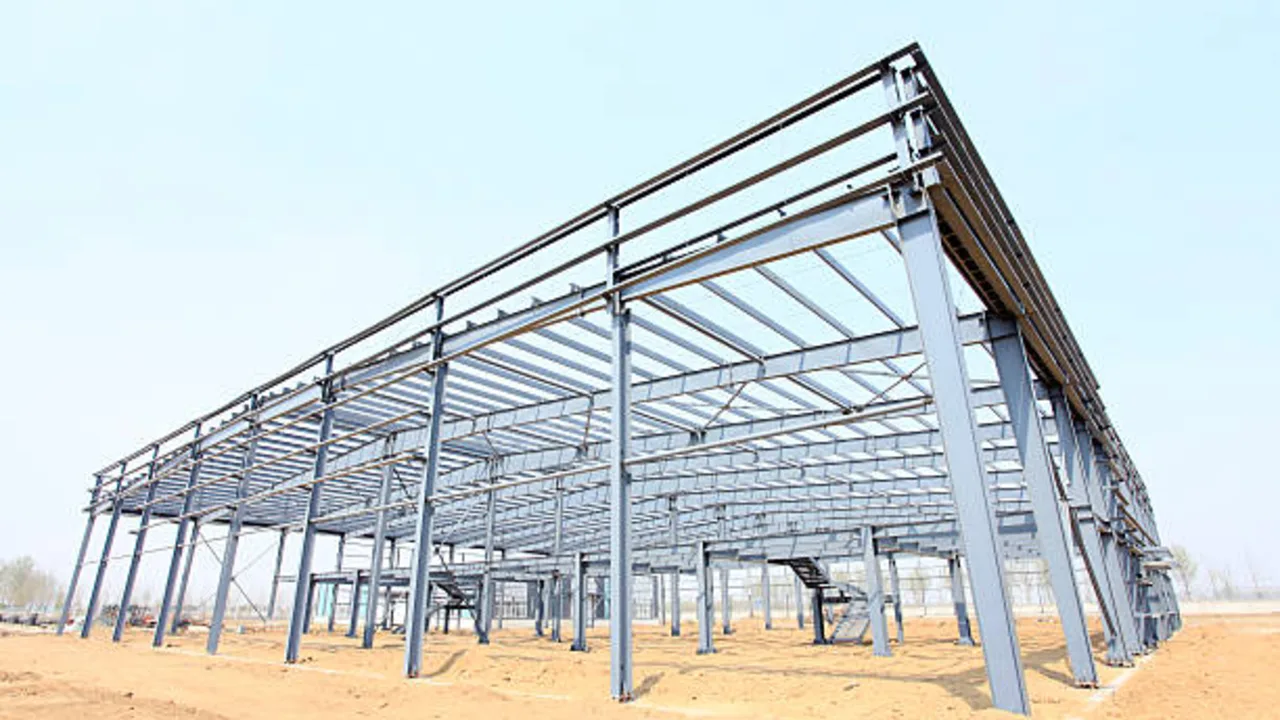
Steel components in prefab construction are usually fabricated to precise dimensions. Beams, columns, trusses, connection plates, roof panels, wall systems, and modular interfaces are expected to fit together efficiently during installation. However, when temperature changes affect member length, the actual site condition may differ slightly from the factory-measured condition.
This becomes especially important when a project involves long structural runs, exposed roof framing, large-span trusses, or repeated modular connections. A small amount of movement in one member may seem minor, but across a long building length, accumulated thermal movement can become significant.
For example, a long steel roof frame exposed to direct sunlight may expand during the afternoon and contract again at night. If the structure does not include adequate allowance for movement, that expansion may be transferred into bolts, welds, cladding fasteners, or rigid panel joints. Over time, repeated thermal cycles can create fatigue, loosening, cracking, or distortion.
How temperature changes affect steel dimensions
Thermal expansion occurs because steel changes dimension as its temperature changes. The amount of expansion depends on the material properties of steel, the length of the member, and the temperature difference. Longer members experience greater total movement than shorter members under the same temperature change.
In prefab steel structures, this movement may affect several critical areas:
- Long-span roof beams and trusses
- Portal frame rafters and columns
- Bolted splice connections
- Wall and roof cladding systems
- Module-to-module interfaces
- Expansion joints and sealing systems
The challenge is not that steel movement is unusual. The challenge is that prefab systems require controlled movement. Engineers must decide where the structure should be restrained, where it should be allowed to move, and how much joint movement should be accommodated without reducing structural stability.
Main Factors That Influence Thermal Expansion in Prefab Steel Structures
Thermal behavior varies from project to project. A steel warehouse in a hot climate, a coastal industrial plant, a cold-region logistics facility, and a partially enclosed factory may all experience different thermal conditions. Because of this, prefab thermal expansion should be reviewed based on the actual operating environment of the building.
| Factor | How It Affects Thermal Movement | Design Consideration |
|---|---|---|
| Member length | Longer steel members experience greater total expansion and contraction. | Use expansion joints, sliding supports, or segmented structural layouts where necessary. |
| Temperature range | Larger temperature differences increase total movement. | Review local climate data, seasonal extremes, and indoor operating temperatures. |
| Solar exposure | Exposed roof and wall steel may heat faster than shaded components. | Consider differential movement between exposed and protected building areas. |
| Connection rigidity | Overly rigid connections can transfer movement into stress. | Use slotted holes, flexible detailing, or controlled movement zones where appropriate. |
| Cladding system | Panels, fasteners, sealants, and flashing may move differently from the main frame. | Coordinate steel movement with envelope details and waterproofing systems. |
How Temperature Changes Affect Prefabricated Steel Structures
Daily heating and cooling cycles
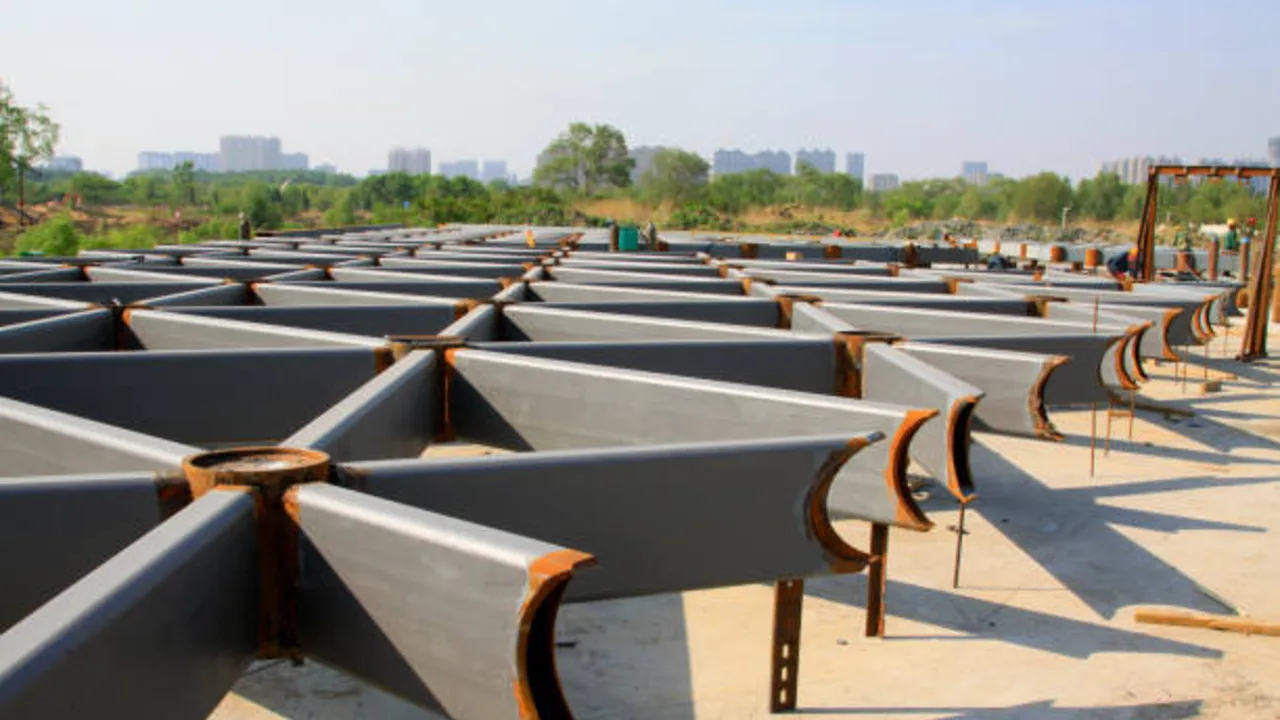
Prefab steel structures are exposed to daily temperature cycles. During the day, sunlight can heat roof framing, wall panels, and exposed steel surfaces. At night, temperatures may drop quickly, causing steel components to contract. This repeated cycle can create small but continuous movement in the structure.
In many projects, the issue is not a single extreme temperature event. The greater concern is repeated expansion and contraction over years of service. If movement is properly controlled, the structure can perform normally. If movement is restrained incorrectly, repeated thermal cycling may gradually damage connections, sealants, or cladding interfaces.
Seasonal temperature variation
Seasonal changes can create larger movement ranges than daily cycles. A steel building installed during a cold season may expand significantly when exposed to summer temperatures. Conversely, a structure installed during hot weather may contract during winter.
This is why installation temperature matters. Joint gaps, bolt positions, sliding interfaces, and cladding overlaps may need to be set with expected future movement in mind. A joint that appears correct during installation may become too tight or too wide if the temperature condition is not considered.
Factory temperature versus site temperature
Prefab steel components are fabricated under factory conditions, but installed under site conditions. These two environments may not match. A beam fabricated in a controlled workshop may arrive at a hot or cold site where its temperature differs from the fabrication reference condition.
This can affect alignment during erection, especially for long members or precision module interfaces. Installation teams may need to account for actual site temperature when checking bolt alignment, module spacing, and joint movement allowance.
The Role of Joint Movement in Thermal Expansion Control
Joint movement refers to the controlled displacement that occurs between structural or envelope components as the building responds to temperature changes, loading, settlement, or other service conditions. In prefab steel structures, joint movement must be planned carefully because many components are manufactured with tight tolerances before arriving on site.
Movement joints are not signs of weakness. They are intentional design features that allow the building to move in a controlled way. Without proper movement capacity, steel expansion may be forced into rigid connections, cladding panels, fasteners, or sealant lines.
Why rigid restraint can cause problems
If a long steel member is fully restrained and prevented from expanding, thermal stress can build inside the structure. This stress may not immediately cause visible damage, but it can affect long-term performance. Over time, repeated restraint may contribute to bolt loosening, connection fatigue, local deformation, or cracking in adjacent materials.
Rigid restraint can also affect non-structural systems. Wall panels, roof sheets, windows, doors, and flashing details may experience stress if they are connected to a frame that moves differently from the envelope system. This is why joint movement must be coordinated across the entire building, not only within the primary steel frame.
Balancing flexibility and structural stability
The goal of prefab thermal expansion management is not to make the structure loose or flexible everywhere. The goal is to control where movement happens and where restraint is required. Some zones must remain fixed to maintain stability and load transfer, while other zones may require sliding, expansion gaps, or adjustable details.
This balance is especially important in prefab construction because too much tolerance can reduce precision, while too little tolerance can create stress. Good engineering defines clear movement zones, fixed points, and connection details before fabrication begins.
Design Strategies for Managing Prefab Thermal Expansion
Expansion joints in long steel buildings
Expansion joints are among the most common solutions for controlling movement in large steel structures. They divide a long building into sections so that each section can expand and contract without transferring excessive stress across the entire structure.
Expansion joints are especially important in warehouses, logistics centers, large factories, long production halls, and extensive roof systems. The spacing and detailing of these joints depend on building length, temperature range, structural system, cladding type, and operational requirements.
Slotted holes and adjustable connections
Slotted holes are frequently used where controlled movement or installation adjustment is required. They allow bolts to accommodate limited movement in a specific direction while still maintaining connection capacity when properly designed and installed.
Adjustable connections may also help during erection, especially when site temperature differs from factory conditions. However, these details must be engineered carefully. If bolts are overtightened or if washers and plates are incorrectly installed, the intended movement may be blocked.
Sliding supports and bearing details
Sliding supports can allow selected structural elements to move while maintaining vertical load transfer. These systems may include bearing pads, low-friction plates, sliding interfaces, or specially detailed support conditions.
They are often used where a member needs to expand along its length without pushing excessive force into adjacent supports. In prefab steel structures, sliding details can be useful for roof systems, long-span frames, pipe rack structures, and modular industrial platforms.
Flexible cladding and sealing systems
Thermal movement does not stop at the primary steel frame. Roof sheets, wall panels, insulation layers, flashing, gutters, windows, doors, and sealants must also respond to temperature changes. If these systems are fixed too rigidly, they may crack, buckle, leak, or pull away from their intended positions.
Flexible cladding details help absorb movement while maintaining weather protection. This may include proper panel overlaps, movement-capable fasteners, flexible sealants, compressible gaskets, and carefully designed flashing joints. In many prefab steel structures, the building envelope is where thermal movement becomes most visible, so cladding coordination is essential.
When steel frame movement and cladding movement are not coordinated, the structure may remain safe but the building can still suffer from leakage, panel distortion, or maintenance problems. This is why prefab thermal expansion should be reviewed as a complete building-system issue rather than only a structural frame issue.
Engineering Considerations During Prefab Design
Temperature range assumptions
Engineers must define reasonable temperature assumptions during the design stage. These assumptions should reflect the local climate, expected seasonal extremes, building exposure, indoor operating conditions, and possible temperature differences between shaded and sun-exposed areas.
A steel structure used for cold storage, industrial processing, logistics, or open-air canopy applications may experience different thermal behavior from a standard warehouse. For this reason, project-specific temperature assumptions are more useful than generic design assumptions.
Member length and cumulative movement
The longer a steel member is, the greater its total expansion and contraction will be under the same temperature change. This is especially important in long buildings, large-span roofs, pipe racks, corridor structures, and continuous industrial platforms.
Movement may also accumulate across multiple connected members. Even if each individual component moves only slightly, the total movement across a full building length may be enough to affect expansion joints, cladding edges, splice locations, and support conditions. Engineers must therefore review both individual member movement and cumulative building movement.
Material compatibility
Prefab steel structures rarely consist of steel alone. They often include concrete foundations, sandwich panels, glass, insulation, waterproofing membranes, sealants, fasteners, and mechanical systems. Different materials expand and contract at different rates.
If these material differences are not considered, differential movement may create cracking, joint separation, water leakage, or stress at interfaces. For example, a steel frame may move differently from a concrete base, while a metal roof sheet may respond faster to solar heating than an insulated wall panel.
Load path continuity
Movement details must never compromise the intended structural load path. Expansion joints, sliding supports, slotted holes, and flexible connections must be designed so the structure can move where necessary while still transferring gravity loads, wind loads, seismic forces, and operational loads safely.
This is one of the main engineering challenges in thermal expansion design. A movement detail must provide enough flexibility to reduce stress, but not so much flexibility that it weakens the structural system or creates instability.
Installation Challenges Caused by Thermal Expansion
Temperature differences between factory and site
Prefab steel components are often measured, fabricated, drilled, welded, and inspected under factory conditions. By the time they reach the project site, the temperature may be very different. A component fabricated in a cool workshop may expand during hot-site installation, while a member produced in warm conditions may contract in cold weather.
These differences can affect fit-up during erection. Bolt holes may appear slightly offset, module spacing may require adjustment, or joint gaps may need to be checked against the expected installation temperature. Good site teams understand that temperature is part of alignment control, not an afterthought.
Timing of installation during hot or cold periods
The time of day can also influence installation. Steel exposed to strong afternoon sun may be warmer and slightly longer than steel installed early in the morning. In some cases, installation teams may need to plan critical alignment work during more stable temperature periods.
This does not mean steel installation must stop whenever temperatures change. Instead, crews should understand the expected movement behavior and follow erection drawings, gap requirements, and connection instructions carefully.
Field adjustment during erection
Some level of field adjustment is common in prefab construction. Temporary supports, alignment tools, slotted holes, shims, and controlled bolt-tightening sequences may be used to achieve proper fit-up.
However, field adjustment should not override the intended thermal movement strategy. If a movement joint is forced closed, if a sliding connection is locked, or if a slotted hole is tightened incorrectly, the system may lose its ability to accommodate future joint movement.
Coordination between structure and enclosure work
Steel frame installation and enclosure installation must be coordinated. Roof sheets, wall panels, doors, windows, louvers, and facade details should not be installed in a way that blocks planned movement zones.
This is particularly important near expansion joints, end walls, roof transitions, and module interfaces. The structure may be correctly designed for prefab thermal expansion, but poor envelope detailing can still create leakage or finish damage.
Common Mistakes in Thermal Expansion Management
Ignoring movement in long-span steel buildings
One common mistake is assuming that thermal movement is too small to matter. In short members, movement may be minor. In long-span steel buildings, however, total movement can become significant enough to affect connections, roofing, cladding, and service systems.
Warehouses, factories, aircraft hangars, logistics buildings, and large industrial sheds should be reviewed carefully because their long structural dimensions can amplify movement effects.
Overtightening movement-sensitive connections
Slotted holes and sliding details only work when they are installed correctly. If bolts are overtightened, if the wrong washers are used, or if surfaces are locked by friction beyond the design intent, the connection may no longer allow movement.
This can convert a movement detail into a restrained connection, causing stress to accumulate where flexibility was originally required.
Using sealants without enough movement capacity
Sealants must be selected based on expected joint movement, exposure conditions, and substrate compatibility. A sealant that is too rigid may crack or detach after repeated thermal cycles.
In prefab steel structures, sealants are often used around panels, flashing, roof penetrations, windows, and module joints. These areas should be detailed with enough movement capacity to preserve waterproofing performance.
Failing to coordinate expansion joints with architectural finishes
Expansion joints must continue through all relevant building systems. If a structural expansion joint is not coordinated with roof sheets, wall panels, interior finishes, ceilings, floors, and waterproofing layers, movement may be blocked or transferred into finishes.
This can result in cracking, buckling, water ingress, or visible distortion. Proper coordination ensures that the movement strategy remains consistent from the steel frame to the final building envelope.
Quality Control for Prefab Thermal Expansion Details
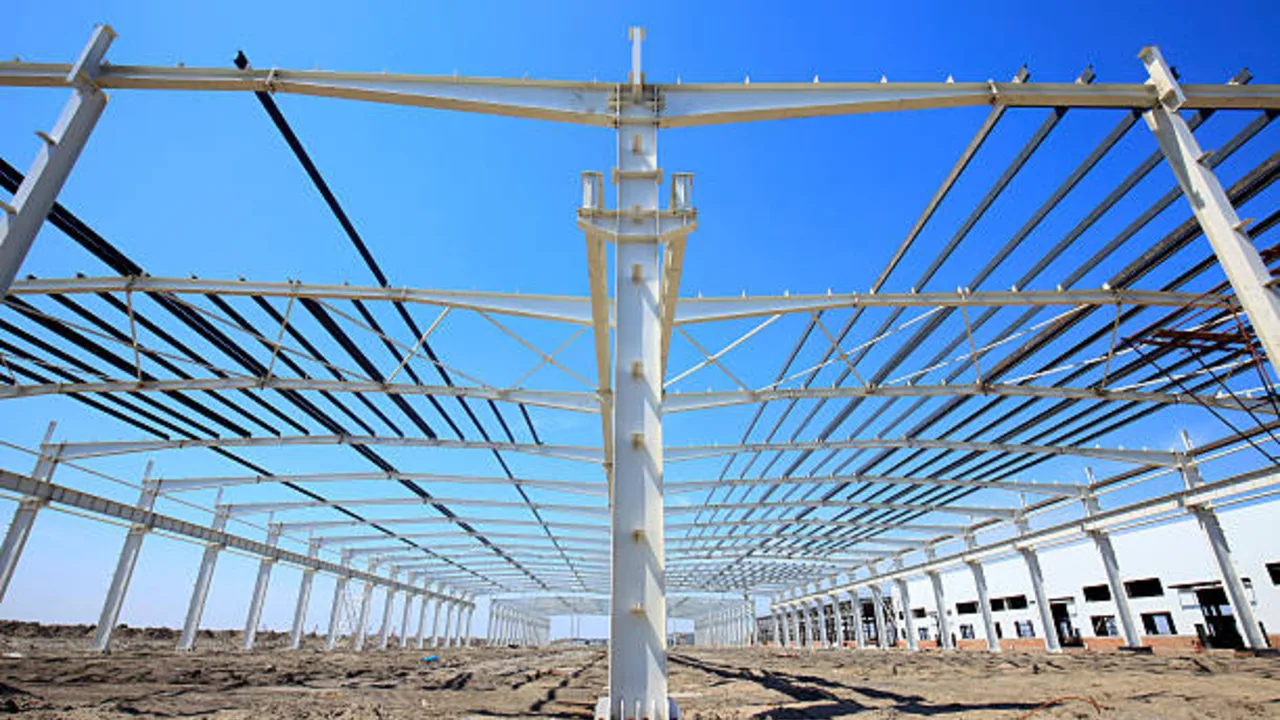
Reviewing shop drawings and connection details
Quality control begins before fabrication. Shop drawings should clearly show expansion joints, slotted holes, sliding supports, fixed points, bearing details, cladding movement zones, and required installation gaps.
Reviewing these details early helps prevent expensive changes after fabrication. It also ensures that all parties understand which connections are fixed, which are adjustable, and which are designed for movement.
Factory inspection of tolerance-critical parts
Factory inspection should verify dimensions, bolt hole locations, splice plates, support surfaces, and interface details. Because prefab systems rely on precision, tolerance-critical parts must be checked carefully before shipping.
When thermal movement details are involved, inspectors should also confirm that parts intended for sliding, adjustment, or controlled gap formation are fabricated correctly.
Site inspection during erection
During site installation, teams should verify joint gaps, bolt positions, support conditions, and connection alignment. Movement-sensitive connections should be inspected before they are concealed by cladding, roofing, or finish materials.
Installation records can also help confirm that joint movement allowances were maintained according to the design intent.
Post-installation monitoring
After the building enters service, movement joints, sealants, roof transitions, and cladding interfaces should be checked periodically. Early monitoring can identify whether the structure is moving as expected or whether certain details are showing signs of stress.
Routine maintenance helps protect long-term performance, especially in buildings exposed to large temperature swings, direct sunlight, or demanding industrial conditions.
How Prefab Manufacturers Reduce Thermal Expansion Risks
Early engineering coordination
Experienced manufacturers review thermal movement during the early design phase. They consider building length, local climate, connection systems, cladding details, site conditions, and installation sequencing before fabrication begins.
This early coordination reduces the risk of discovering movement conflicts after steel members have already been manufactured.
Precision fabrication with planned tolerance zones
Factory accuracy is one of the greatest strengths of prefab construction, but precision must be paired with intentional tolerance zones. A high-quality manufacturer does not simply fabricate components accurately; it also understands where controlled movement must be allowed.
This combination of precision and flexibility is central to successful prefab thermal expansion control.
Installation guidance for movement-sensitive areas
Manufacturers may provide erection drawings, connection notes, bolt-tightening instructions, recommended joint gap ranges, and support details for movement-sensitive zones. These instructions help site teams install the system without unintentionally restricting movement.
Clear guidance is especially useful for projects involving long-span structures, repeated modules, roof expansion joints, or complex cladding interfaces.
Digital modeling and movement review
BIM and structural modeling can help identify potential movement conflicts before installation. Digital coordination allows engineers to review expansion joint locations, module interfaces, cladding transitions, and support behavior in a more integrated way.
This reduces uncertainty and improves coordination between design, fabrication, logistics, and site installation teams.
Applications Where Thermal Expansion Control Is Especially Important
Steel warehouses and logistics buildings
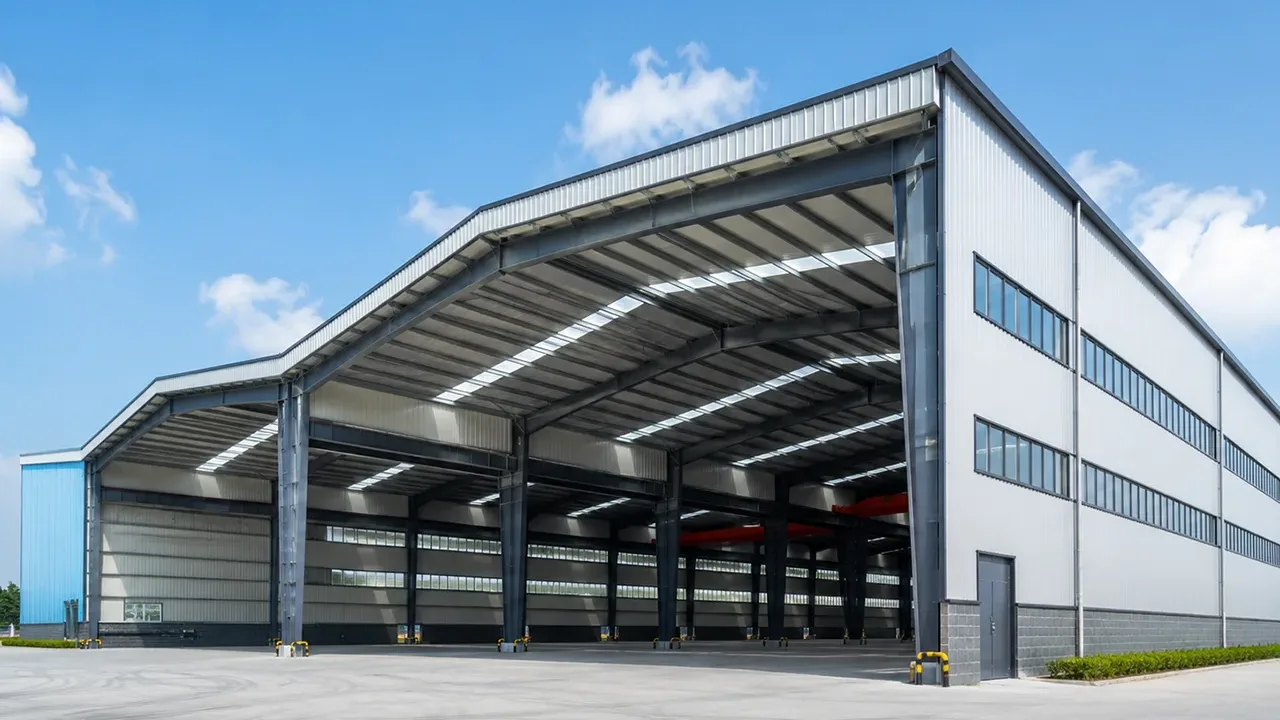
Warehouses and logistics facilities often have long building lengths and large roof areas. These dimensions make thermal movement control especially important. Expansion joints, roof detailing, and wall panel movement must be coordinated carefully.
Industrial factories and process buildings
Factories may experience temperature changes from both external weather and internal equipment. Heat-generating processes, ventilation systems, and large openings can all create varied temperature zones across the structure.
Large-span roofing and canopy structures
Exposed roofing structures and canopy systems may experience strong solar heating. Because these structures are often long, open, and directly exposed, thermal movement can be more visible and must be carefully managed.
Multi-module prefabricated steel buildings
Buildings assembled from repeated steel modules require consistent movement detailing at every interface. If one module joint performs differently from another, alignment, sealing, and load transfer may become inconsistent.
Best Practices for Long-Term Performance
- Design movement details early: Expansion joints and sliding details should be part of the original structural concept.
- Coordinate all building systems: Steel framing, cladding, roofing, waterproofing, and interior finishes should follow the same movement strategy.
- Define clear installation tolerances: Site teams should understand allowed gap ranges, bolt positions, and movement-sensitive zones.
- Inspect after thermal cycles: Movement joints, sealants, and exposed interfaces should be reviewed after the building experiences real operating conditions.
Conclusion
Thermal expansion is a natural behavior of steel, but in prefab construction it must be managed with precision. Because factory-made components are produced with tight tolerances, movement control must be considered from design through fabrication, installation, and long-term maintenance.
Effective prefab thermal expansion management protects connection performance, supports controlled joint movement, reduces cladding damage, improves waterproofing reliability, and helps maintain structural alignment over time.
For companies working on large-scale prefabricated steel structure projects, thermal movement planning should never be treated as a late-stage correction. It is a core part of engineering coordination, installation quality, and long-term building durability.