Urban construction projects are becoming increasingly complex as cities continue to grow vertically and available land becomes more limited. Dense infrastructure, traffic congestion, restricted staging zones, surrounding occupied buildings, and strict environmental regulations all create significant challenges for contractors and developers.
In this environment, prefab urban construction has emerged as one of the most effective strategies for improving efficiency, reducing disruption, and accelerating project delivery in constrained city environments.
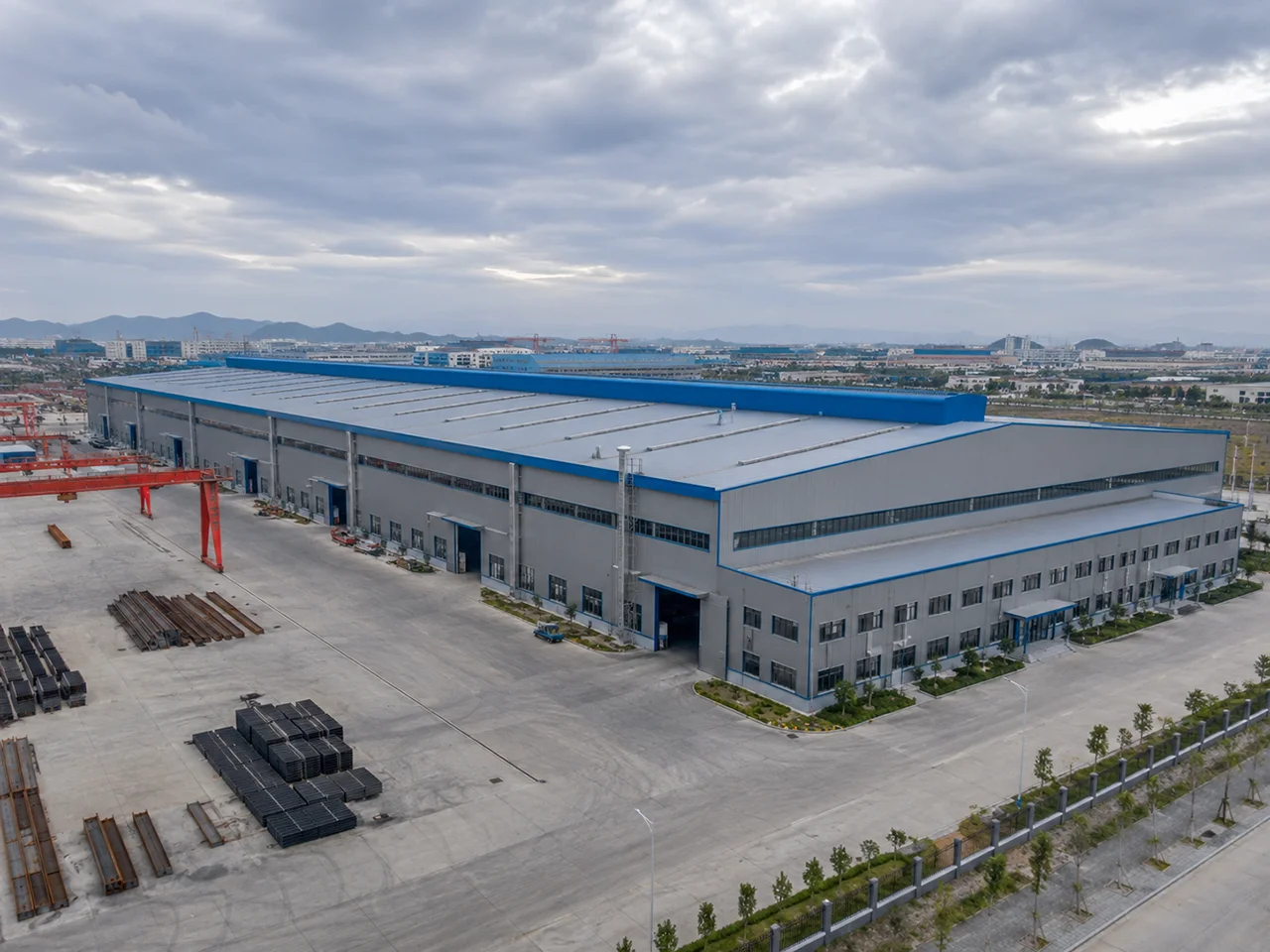
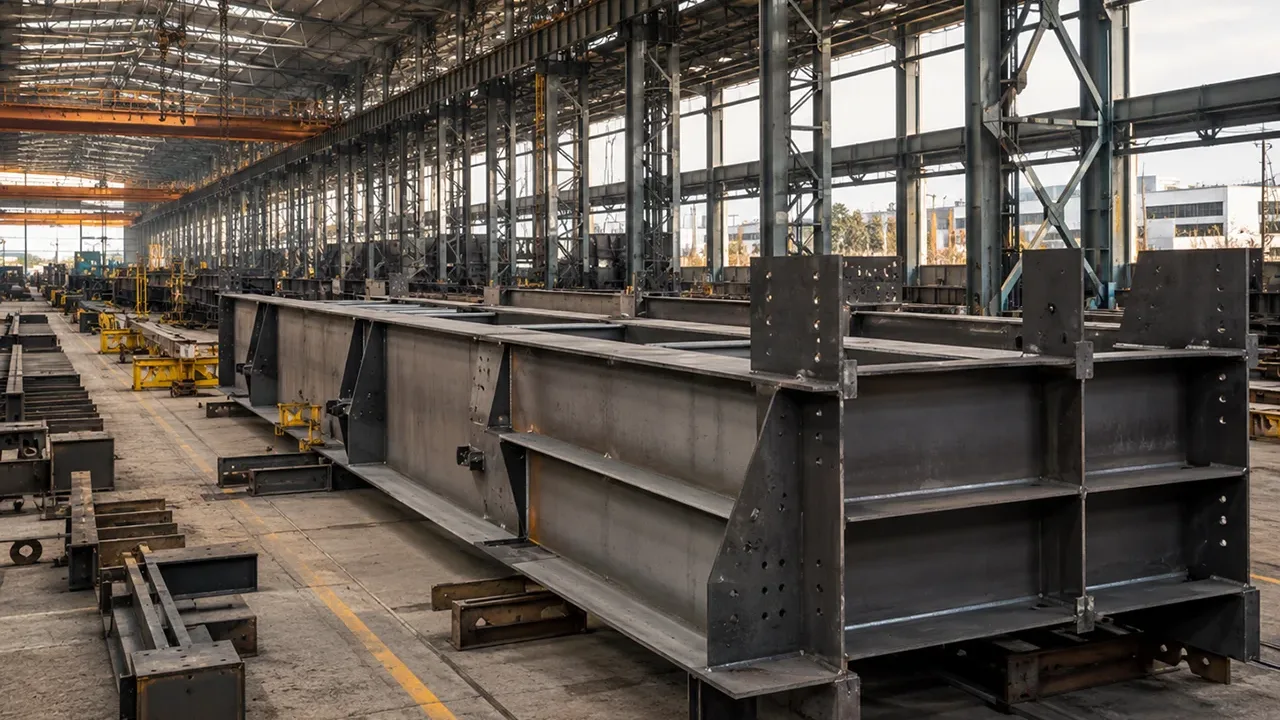
Unlike traditional construction methods that rely heavily on extensive on-site fabrication and prolonged field labor, prefabricated steel systems transfer much of the production process into controlled factory environments. Structural components are manufactured, processed, and prepared off-site before being delivered for rapid assembly at the project location.
This industrialized approach significantly reduces on-site congestion while improving installation precision and schedule predictability.
As urban development pressures continue increasing worldwide, the role of prefab urban construction is expanding rapidly across commercial towers, mixed-use developments, transportation hubs, healthcare facilities, industrial facilities, and modular residential projects.
For many developers, prefabrication is no longer simply a construction alternative — it has become a critical strategy for managing urban complexity.
Why Urban Construction Projects Face Unique Challenges
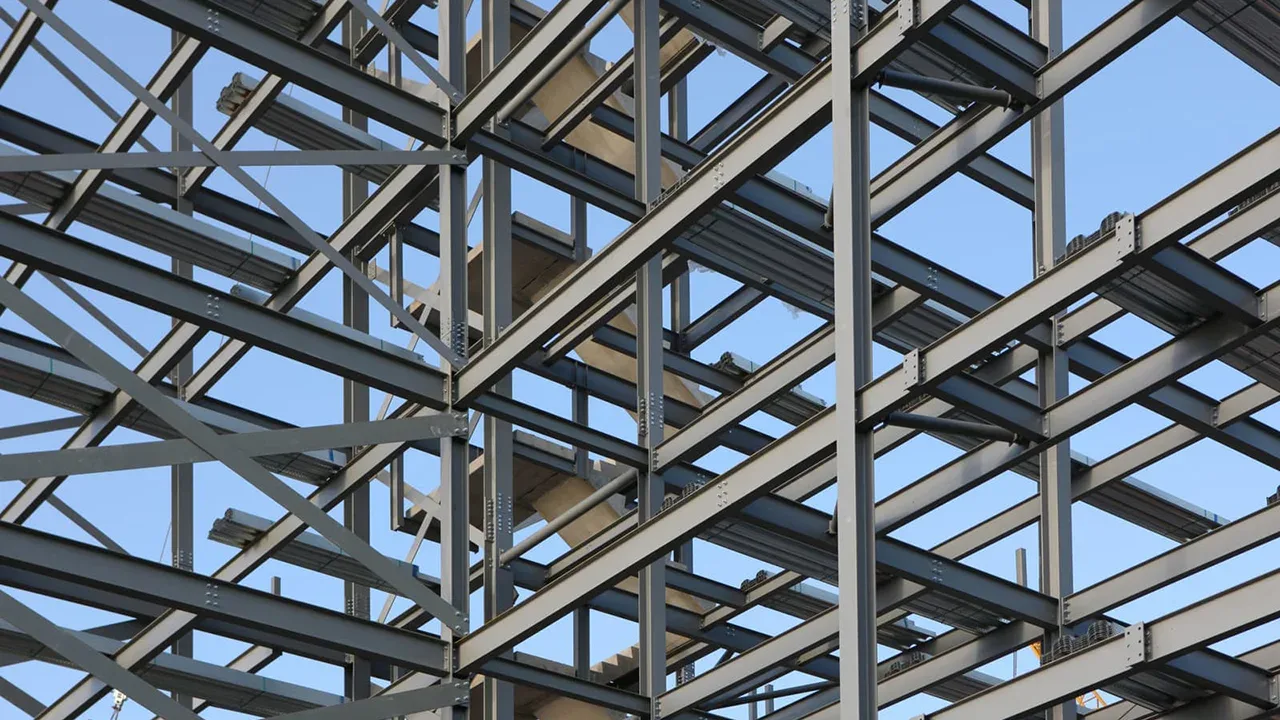
Limited Site Access
One of the biggest difficulties in urban construction is restricted site accessibility.
Construction sites in dense cities are often surrounded by:
- Occupied buildings
- Narrow roads
- Heavy pedestrian traffic
- Underground utilities
- Public transportation systems
These conditions make material deliveries and equipment movement extremely difficult.
Large laydown yards that are common on suburban projects may be impossible to establish in city centers.
As a result, contractors must coordinate every delivery carefully to avoid traffic disruption and site congestion.
This is one of the major reasons why prefab urban construction offers substantial operational advantages.
Restricted Staging and Storage Areas
Traditional construction methods typically require large on-site storage areas for raw materials, temporary fabrication, equipment staging, and waste management.
Urban projects rarely have this luxury.
Limited staging space creates multiple problems:
- Material congestion
- Reduced worker mobility
- Increased safety risks
- Scheduling conflicts
- Additional handling operations
Prefabricated steel construction helps minimize these issues because structural components can arrive in coordinated installation sequences instead of accumulating on-site for extended periods.
This logistical efficiency is a key advantage of modern prefab urban construction systems.
Noise and Environmental Restrictions
Urban construction projects frequently operate under strict local regulations regarding:
- Noise levels
- Dust control
- Traffic disruption
- Waste disposal
- Working hours
Traditional construction activities such as cutting, welding, grinding, and heavy material processing performed on-site can generate major environmental disturbances.
By shifting much of the fabrication process into factories, prefabricated systems reduce:
- On-site noise
- Airborne dust
- Construction waste
- Traffic congestion duration
This makes prefab urban construction particularly suitable for dense commercial districts and mixed-use urban developments.
Complex Coordination Requirements
Urban projects involve extensive coordination between:
- Municipal authorities
- Traffic management agencies
- Utility providers
- Adjacent property owners
- Public transportation operators
Construction sequencing must often accommodate:
- Nighttime delivery windows
- Temporary road closures
- Pedestrian safety corridors
- Restricted crane operation schedules
Efficient project coordination is therefore essential in urban construction environments.
The controlled and predictable nature of prefab urban construction helps simplify many of these coordination challenges.
How Prefabrication Improves Urban Construction Efficiency
Reduced On-Site Labor Requirements
One of the biggest benefits of prefabricated construction is the reduction of field labor.
Because steel components are pre-engineered and pre-manufactured in factories, much of the fabrication work occurs before materials arrive at the site.
This reduces the need for:
- On-site cutting
- Field welding
- Temporary fabrication stations
- Large assembly crews
Smaller on-site workforces help reduce:
- Site congestion
- Safety exposure
- Worker coordination complexity
- Urban disruption
For highly constrained city projects, these labor reductions can significantly improve project efficiency.
Faster Structural Installation
Prefabricated steel systems allow rapid structural assembly once materials arrive on-site.
Modules and structural members are delivered ready for installation, allowing cranes and installation teams to work more efficiently.
Compared to conventional construction methods, prefabricated steel systems can substantially reduce:
- Structural erection time
- Weather-related delays
- Site occupation duration
- Traffic disruption periods
Accelerated installation schedules are especially valuable in urban environments where extended construction activity creates economic and operational disruption.
This is one reason why prefab urban construction is increasingly used in high-density commercial developments.
Improved Schedule Predictability
Factory-controlled manufacturing environments provide significantly greater schedule stability than field-based construction.
Manufacturing activities are less affected by:
- Weather conditions
- Urban access limitations
- Site congestion
- Labor disruptions
As a result, project teams can coordinate transportation and installation activities with greater accuracy.
Improved schedule reliability helps developers reduce:
- Project delays
- Financial uncertainty
- Urban permit conflicts
- Coordination risks
Predictable scheduling has become one of the most important advantages of modern prefab urban construction.
Better Material Flow Management
Urban construction sites require highly organized logistics.
Prefabricated systems support:
- Just-in-time delivery
- Sequenced installation
- Digital material tracking
- Reduced temporary storage
Instead of managing large volumes of loose raw materials, project teams receive coordinated structural assemblies prepared for direct installation.
This streamlined material flow improves operational efficiency while reducing congestion within restricted urban jobsites.
Site Logistics in Restricted Urban Areas
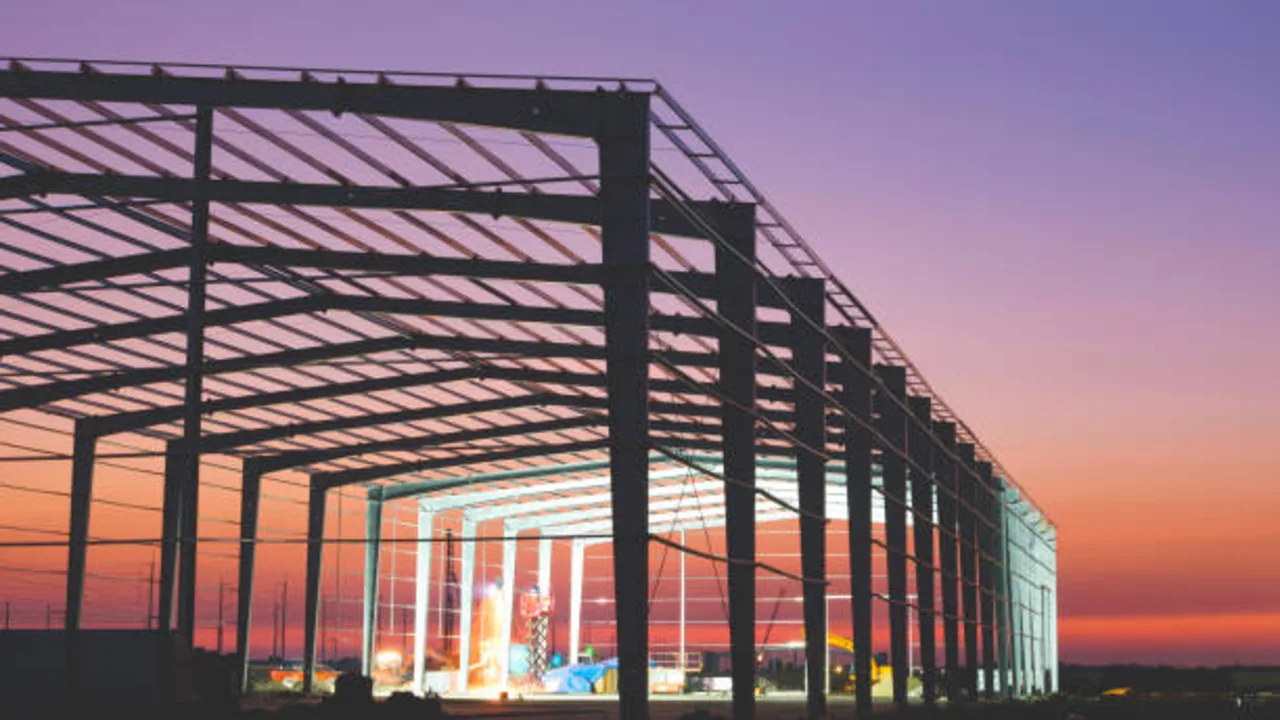
Just-in-Time Delivery Systems
Just-in-time delivery plays a major role in successful urban prefab projects.
Under this system:
- Components arrive shortly before installation
- Storage requirements are minimized
- Traffic disruption is reduced
- Handling operations are simplified
Precise delivery coordination is critical because many urban projects lack sufficient space for long-term material staging.
Advanced logistics planning is therefore a central component of successful prefab urban construction.
Transportation Constraints in Cities
Transporting prefabricated steel components through urban environments presents unique challenges.
Project teams must often coordinate:
- Nighttime transportation
- Oversized load permits
- Temporary road closures
- Police escorts
- Restricted delivery windows
City regulations can significantly affect transportation schedules and module sizing decisions.
Successful urban prefab projects require close coordination between manufacturers, logistics providers, and municipal agencies.
Crane Positioning and Installation Coordination
Crane operations are among the most sensitive activities in urban construction projects.
Dense surrounding buildings, overhead utilities, restricted road access, and public safety requirements can significantly limit crane placement options.
Project teams must carefully coordinate:
- Crane setup locations
- Lifting sequences
- Road occupation permits
- Pedestrian protection zones
- Delivery timing
Because prefabricated steel systems reduce installation duration, cranes can often complete structural assembly much faster compared to conventional field-built construction.
Efficient lifting coordination is one of the major operational strengths of prefab urban construction.
Managing Deliveries in High-Traffic Areas
Urban transportation networks are often highly congested.
Construction deliveries may need to avoid:
- Rush-hour traffic
- Public transit schedules
- School zones
- Commercial delivery periods
Many cities enforce strict delivery windows that require highly accurate scheduling.
Digital logistics platforms are increasingly used to coordinate:
- Vehicle arrival timing
- Loading sequences
- Traffic routing
- Installation priorities
This level of coordination helps minimize disruption while improving installation efficiency.
Structural Advantages of Prefabricated Steel Systems
Lightweight Structural Performance
Steel offers excellent strength-to-weight performance compared to many traditional building materials.
This creates major advantages for urban construction projects:
- Reduced foundation loads
- Lower transportation weight
- Improved crane efficiency
- Faster structural assembly
Lightweight structural systems are particularly valuable in dense cities where:
- Site access is limited
- Existing foundations may require reuse
- Vertical expansion projects are common
These characteristics make steel-based prefab urban construction highly adaptable for constrained environments.
Long-Span Capabilities
Prefabricated steel systems can efficiently achieve long-span structural layouts while minimizing interior support requirements.
This is highly beneficial for:
- Commercial buildings
- Transit facilities
- Urban warehouses
- Mixed-use developments
Long-span systems improve interior flexibility while reducing the need for complicated structural support arrangements within restricted urban sites.
Vertical Construction Efficiency
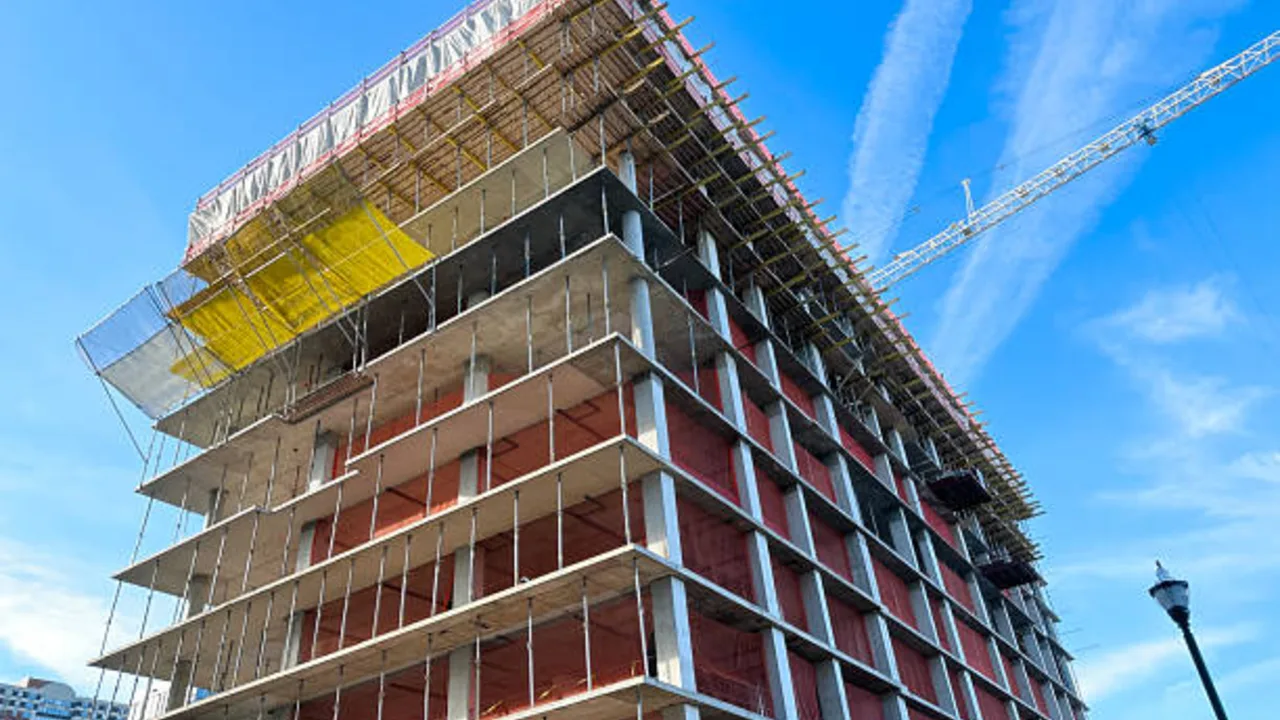
Many urban projects involve high-rise or mid-rise construction.
Prefabricated steel systems support faster vertical assembly because:
- Components arrive pre-engineered
- Connection systems are standardized
- Installation sequencing is optimized
- Field fabrication is minimized
Faster vertical construction can substantially reduce:
- Road occupation duration
- Noise exposure periods
- Urban disruption
- Financing costs
These benefits continue driving growth in prefab urban construction across major cities worldwide.
Flexibility for Future Expansion
Urban buildings frequently undergo future modifications, expansions, or adaptive reuse.
Steel structures offer high flexibility for:
- Vertical expansion
- Interior reconfiguration
- Additional modular integration
- Structural retrofitting
This long-term adaptability increases the lifecycle value of prefabricated steel systems in urban environments.
Reducing Urban Disruption During Construction
Lower Noise Levels
Factory-based fabrication significantly reduces noisy on-site construction activities.
Compared to traditional construction, prefabricated systems reduce:
- Field welding
- Cutting operations
- Grinding work
- Material processing noise
This is especially important in:
- Commercial districts
- Healthcare facilities
- Residential neighborhoods
- Educational campuses
Noise reduction is one reason why prefab urban construction is increasingly favored in densely populated environments.
Reduced Construction Waste
Factory-controlled manufacturing environments improve material utilization and reduce waste generation.
Prefabrication supports:
- More accurate cutting
- Improved inventory management
- Reduced material damage
- Better recycling coordination
Reduced on-site waste improves:
- Site cleanliness
- Worker safety
- Urban environmental compliance
- Logistics efficiency
These environmental benefits are increasingly important for sustainable urban development.
Minimizing Street Occupation
Urban construction projects frequently require temporary street closures or lane restrictions.
Long construction durations can severely impact:
- Traffic flow
- Local businesses
- Public transportation
- Pedestrian mobility
Because prefabricated steel systems shorten installation schedules, projects can reduce street occupation periods significantly.
This operational efficiency provides substantial economic and public benefits.
Improved Safety Management
Crowded urban jobsites create elevated safety risks due to:
- Limited maneuvering space
- Heavy pedestrian traffic
- Adjacent occupied structures
- Complex logistics operations
Prefabrication helps improve safety by reducing:
- On-site labor density
- Field fabrication exposure
- Temporary material storage
- Site congestion
Controlled installation sequencing further improves operational safety management in complex urban environments.
Digital Planning and BIM Coordination

Building Information Modeling (BIM)
Building Information Modeling (BIM) plays a major role in modern urban prefab projects.
BIM systems allow teams to:
- Coordinate structural systems
- Detect design conflicts
- Plan installation sequences
- Optimize logistics operations
- Simulate crane activities
Digital coordination reduces installation errors while improving overall project efficiency.
To better understand BIM technology, see this overview of Building Information Modeling (BIM).
Digital Logistics Management
Advanced urban prefab projects increasingly rely on digital logistics systems.
These platforms help coordinate:
- Transportation schedules
- Material tracking
- Installation sequencing
- Inventory visibility
- Site access coordination
Digital systems improve responsiveness when unexpected conditions affect construction activities.
Crane Simulation and Lift Planning
Urban lifting operations often involve highly constrained environments.
Digital simulation tools help project teams analyze:
- Crane reach limitations
- Building clearance conflicts
- Lift sequencing
- Safety zones
- Equipment positioning
Simulation-based planning improves installation efficiency while reducing operational risks.
Integrated Project Coordination
Modern urban prefab projects require continuous coordination between:
- Design teams
- Manufacturers
- Logistics providers
- Installation contractors
- Municipal authorities
Integrated digital workflows help ensure that all project participants remain aligned throughout construction activities.
This coordination is a central advantage of advanced prefab urban construction systems.
Challenges of Prefab Urban Construction
Transportation Restrictions
Although prefabrication offers major advantages, urban transportation restrictions remain a significant challenge.
Cities often impose limits on:
- Vehicle dimensions
- Load weight
- Delivery timing
- Road usage permits
These restrictions can affect:
- Module sizing
- Fabrication sequencing
- Transportation planning
- Installation coordination
Successful prefab urban construction requires careful alignment between manufacturing capabilities and urban transportation regulations.
Utility and Infrastructure Conflicts
Urban environments contain extensive underground and overhead infrastructure systems.
Construction activities may interact with:
- Electrical networks
- Water pipelines
- Fiber optic systems
- Transit infrastructure
- Drainage systems
These utility constraints can complicate:
- Crane positioning
- Foundation installation
- Transportation access
- Structural sequencing
Early digital coordination is critical for minimizing infrastructure conflicts during urban prefab projects.
Regulatory Approval Complexity
Urban projects frequently require extensive permitting and municipal approvals.
Project teams may need coordination for:
- Traffic management permits
- Road occupation approvals
- Night delivery permissions
- Environmental compliance
- Public safety requirements
Permit coordination can significantly affect construction schedules.
The predictable sequencing associated with prefabrication often helps simplify municipal coordination compared to highly variable traditional construction methods.
Precision Requirements
Because prefabricated systems rely heavily on factory manufacturing, dimensional precision becomes extremely important.
Errors in:
- Structural dimensions
- Connection alignment
- Foundation placement
- Module interfaces
can create significant installation problems within constrained urban jobsites.
Advanced quality control and digital verification are therefore essential components of successful prefab urban construction.
Future of Prefabricated Construction in Urban Development
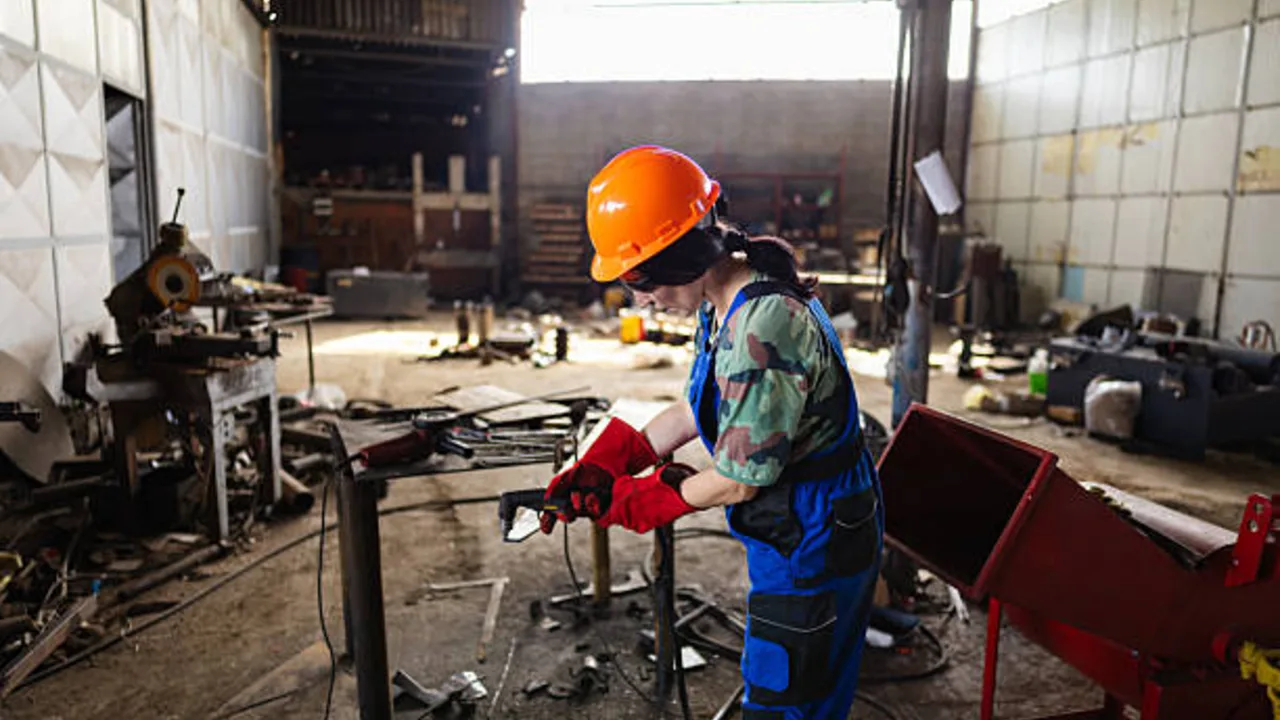
Smart City Integration
As cities become increasingly digitized, prefabricated construction is likely to integrate more closely with smart city infrastructure systems.
Future urban projects may utilize:
- Real-time logistics tracking
- AI-driven scheduling
- Automated delivery coordination
- Digital infrastructure mapping
These technologies could further improve the efficiency of prefab urban construction.
Automation and Robotics
Automation is expected to play a larger role in future prefab manufacturing and installation.
Potential advancements include:
- Robotic welding
- Automated material handling
- AI-based production sequencing
- Autonomous lifting systems
These systems may help reduce labor requirements while improving installation precision.
Sustainable Urban Expansion
Cities worldwide are increasingly focused on sustainable construction strategies.
Prefabricated steel systems support sustainability through:
- Reduced material waste
- Lower transportation inefficiency
- Improved material recycling
- Reduced urban disruption
As sustainability regulations continue strengthening, industrialized construction methods will likely become even more important.
Growth of Industrialized Construction
Industrialized construction methods continue expanding globally due to:
- Labor shortages
- Urban density growth
- Schedule pressure
- Rising quality requirements
The scalability and predictability of prefabricated systems position them well for future urban development demands.
How Experienced Manufacturers Support Urban Prefab Projects
Integrated Engineering Coordination
Experienced manufacturers typically provide integrated engineering support for urban prefab projects.
This often includes:
- Structural detailing
- BIM coordination
- Connection optimization
- Transportation analysis
- Installation planning
Integrated coordination helps reduce conflicts while improving project execution efficiency.
Precision Manufacturing Systems
Urban prefab projects require high manufacturing accuracy.
Modern fabrication facilities utilize:
- CNC processing
- Digital quality verification
- Automated measurement systems
- Advanced coating processes
These technologies help ensure reliable installation performance within highly constrained environments.
Advanced Logistics Planning
Urban prefab projects rely heavily on logistics management.
Experienced manufacturers support:
- Sequenced deliveries
- Transportation coordination
- Load optimization
- Site access planning
- Installation scheduling
Efficient logistics coordination is one of the most important success factors in urban prefabricated construction.
Long-Term Project Support
Complex urban developments often require ongoing technical coordination throughout construction.
Manufacturers may assist with:
- Engineering revisions
- Installation adjustments
- Replacement components
- Expansion planning
Continuous technical support helps maintain schedule stability and installation quality.
Conclusion
As urban environments become more congested and construction complexity continues increasing, developers are increasingly turning toward industrialized construction methods to improve project efficiency and reduce disruption.
Modern prefab urban construction offers major advantages through:
- Reduced on-site labor
- Faster installation
- Improved logistics coordination
- Better schedule predictability
- Reduced environmental impact
The ability to transfer fabrication activities into controlled factory environments makes prefabrication especially valuable for constrained urban jobsites.
Companies involved in large-scale prefabricated steel structure projects increasingly rely on advanced planning, digital coordination, and precision manufacturing to successfully deliver complex developments in dense city environments.
As industrialized construction technologies continue evolving, prefabricated steel systems will likely play an even larger role in shaping the future of urban development worldwide.