Quick Installation Steel Structure Service Overview
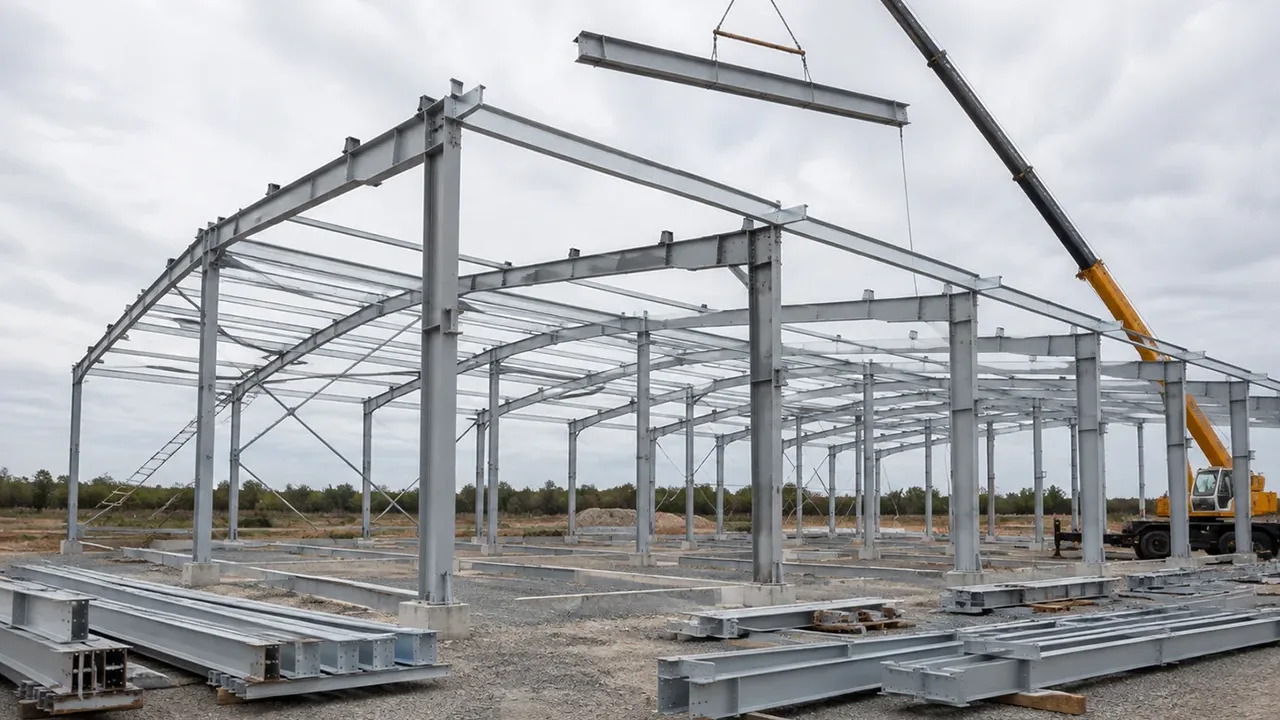
A quick installation steel structure utilizes prefabricated structural members that are manufactured under controlled factory conditions before being delivered to the construction site. Because most fabrication work is completed in advance, on-site activities primarily involve positioning, bolting, alignment, and final inspection.
This approach minimizes field cutting, welding, and modifications, allowing installation teams to work more efficiently while maintaining high construction accuracy.
Fast installation does not mean rushing the construction process. Instead, it reflects careful planning, accurate fabrication, standardized connections, and coordinated project management that collectively reduce unnecessary delays.
How We Reduce Steel Structure Installation Time
Design for Efficient Assembly
Efficient installation begins during the engineering stage. Structural layouts are developed to simplify erection sequences, optimize connection details, and reduce unnecessary complexity. Proper engineering allows installation crews to assemble the building more efficiently while maintaining structural integrity.
Factory Prefabrication
Major structural members, including columns, beams, roof trusses, bracing systems, purlins, and connection plates, are manufactured before shipment. Factory production provides consistent quality while reducing fabrication work at the project site.
Precision CNC Processing
Advanced CNC equipment performs cutting, drilling, marking, and profiling with high dimensional accuracy. Precisely fabricated components fit together more easily during installation, reducing adjustment time and improving erection efficiency.
Bolted Connection Systems
Many projects utilize bolted connection systems to minimize field welding. Bolted assemblies accelerate construction, improve consistency, and simplify quality control while reducing dependence on weather-sensitive site operations.
Clear Component Identification
Every structural member is identified according to fabrication drawings and installation sequences. Organized labeling and packing lists allow installation teams to locate components quickly, reducing delays during unloading and assembly.
Steel Structure Systems Suitable for Quick Installation
Portal Frame Steel Structures
Portal frame systems remain one of the most efficient structural solutions for rapid construction. Their straightforward structural configuration allows warehouses, factories, workshops, and agricultural buildings to be erected quickly while maintaining excellent structural performance.
Prefabricated Steel Buildings
Prefabricated steel buildings are manufactured as complete structural packages before shipment. Factory-controlled production minimizes on-site fabrication and enables faster project completion with consistent quality.
Modular Steel Structures
Modular structural systems use repeatable components that simplify manufacturing, transportation, and installation. They are particularly suitable for projects requiring phased expansion or standardized building layouts.
Large-Span Steel Structures
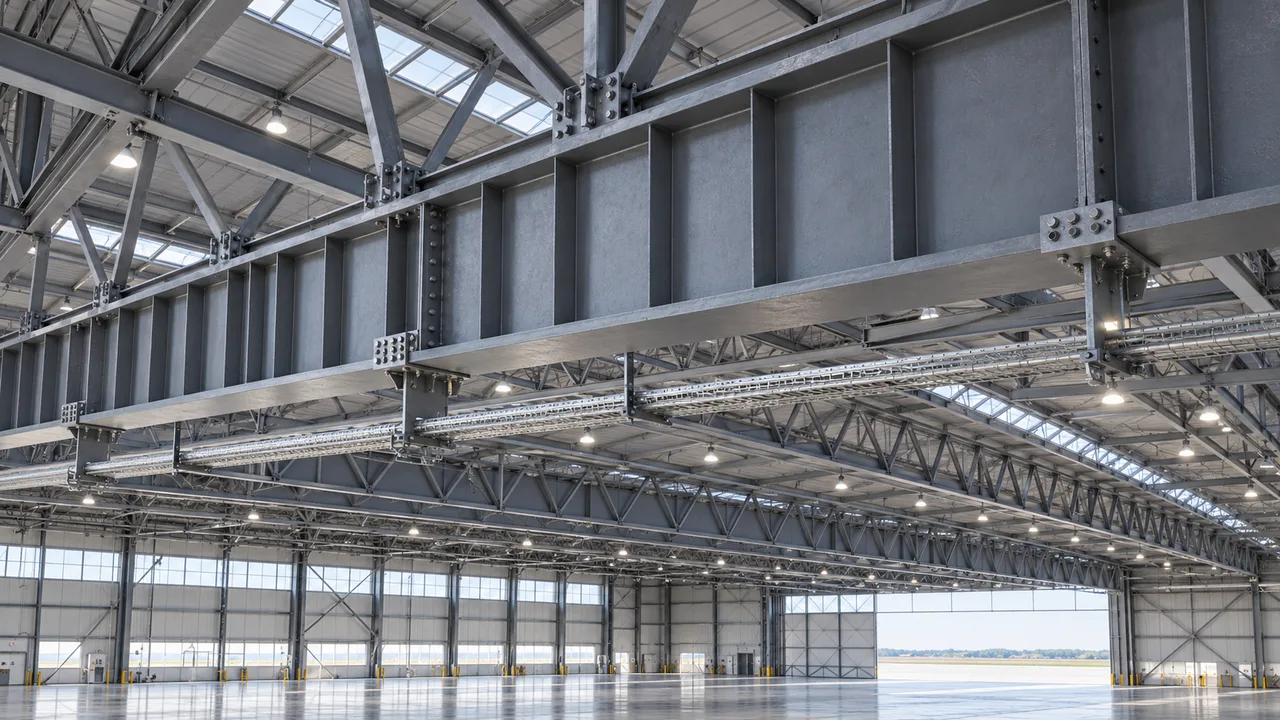
Large-span steel structures provide wide column-free spaces while maintaining efficient installation. Careful engineering and fabrication allow large structural members to be assembled with controlled erection procedures.
Multi-Span Steel Buildings
Multi-span steel buildings support larger industrial and logistics developments while maintaining efficient installation through standardized structural layouts and coordinated erection planning.
Main Applications
Warehouses and Distribution Centers
Fast installation enables logistics companies to begin storage and distribution operations sooner, reducing project downtime and accelerating business expansion.
Factories and Production Workshops
Manufacturing facilities benefit from shorter construction schedules that allow production equipment to be installed earlier and operations to begin on schedule.
Agricultural Buildings
Farm storage buildings, livestock facilities, machinery sheds, grain storage facilities, and agricultural processing buildings can all benefit from rapid construction while maintaining reliable long-term structural performance.
Commercial Steel Buildings
Retail buildings, service centers, office buildings, and commercial facilities often require accelerated construction schedules to reduce business interruption and improve investment efficiency.
Temporary and Relocatable Facilities
Some projects require buildings that can be erected quickly and potentially relocated in the future. Steel structures offer flexibility for temporary industrial facilities, project support buildings, and modular developments.
Infrastructure Support Buildings
Maintenance workshops, utility buildings, equipment shelters, and infrastructure support facilities frequently require rapid construction to support ongoing infrastructure projects.
Manufacturing Capabilities
Structural Engineering Coordination
Engineering teams review project drawings, loading requirements, member sizes, and connection details before production begins. Early coordination reduces fabrication errors and improves installation efficiency.
Steel Beam and Column Fabrication
Primary structural members are manufactured using automated production equipment that ensures dimensional consistency and high fabrication accuracy.
Truss and Bracing Fabrication
Roof trusses, bracing systems, and secondary structural members are fabricated according to project specifications to support efficient field assembly.
Welding and Assembly Inspection
Qualified welding procedures and systematic inspections maintain fabrication quality throughout production, ensuring reliable structural performance after installation.
Surface Treatment
Depending on project requirements, structural components may receive blasting, industrial painting, or hot-dip galvanizing to provide long-term corrosion protection in different operating environments.
Project Planning for Faster Installation
Erection Sequence Coordination
Installation planning begins before fabrication. Structural members are produced according to erection priorities, allowing construction teams to follow an organized installation sequence.
Packaging by Installation Zone
Components are grouped according to building sections or installation phases. Organized packaging simplifies unloading, storage, and field coordination.
Shipping and Logistics Planning
Transportation methods are selected according to component dimensions, shipping routes, and project schedules to maximize delivery efficiency while protecting fabricated members during transit.
Site Preparation Requirements
Efficient installation depends on proper site readiness, including completed foundations, accurately positioned anchor bolts, crane access, equipment availability, and organized storage areas.
Benefits of Quick Installation Steel Structures
- Shorter construction schedules
- Reduced on-site labor requirements
- Lower overall project disruption
- Improved installation efficiency
- Earlier building operation and revenue generation
- Simplified future expansion
- Reduced weather-related construction delays
- Consistent factory-controlled manufacturing quality