
In modern construction, installation efficiency often determines whether a project finishes ahead of schedule or faces costly delays. One of the most critical decisions during erection is crane selection steel building planning. The type, size, and configuration of the crane directly influence structural safety, lifting stability, and overall project coordination. Selecting the wrong crane can result in reduced productivity, excessive rental costs, or even safety risks during heavy lifting operations.
Steel structure projects involve large columns, long-span beams, and prefabricated roof modules. Each component must be lifted with precision while maintaining strict control over lifting capacity. The relationship between crane capability, boom length, lifting radius, and site conditions must be evaluated carefully before installation begins. Proper crane selection steel building strategy ensures smooth erection sequencing and minimizes structural stress during placement.
Why Crane Selection Is Critical in Steel Structure Installation
Steel installation differs from other construction processes because most structural members are prefabricated and must be lifted into position quickly and accurately. Unlike cast-in-place systems, steel erection depends heavily on crane performance.
Structural Weight Distribution
Columns, rafters, and truss assemblies vary significantly in weight. A single industrial column may weigh several tons, while long-span roof trusses can exceed expected limits if connections and stiffeners are included. Proper crane selection steel building planning begins with a full structural weight breakdown.
Engineers evaluate the maximum component weight, lifting radius, and boom configuration to confirm sufficient lifting capacity. It is not enough to match the rated crane capacity with the component weight; safety factors, wind loads, and dynamic movement must also be considered.
Project Timeline and Erection Speed
Crane choice directly impacts installation speed. An undersized crane may require multiple lifts per component or repositioning after every bay. In contrast, a properly selected crane improves efficiency by covering larger working zones without relocation.
When planning crane selection steel building operations, project managers also consider sequencing strategy. Progressive bay erection often requires continuous lifting without interruption. If crane mobility is limited, overall installation productivity decreases.
Safety and Stability Considerations
Safety remains the primary factor in any crane selection steel building decision. Load radius increases dramatically affect available lifting capacity. As the boom extends, the crane’s safe lifting limit decreases.
Wind conditions further influence lifting performance, especially when handling long beams or large roof panels. Engineers reference recognized lifting standards such as those provided by the Occupational Safety and Health Administration to ensure compliance with safety practices.
Understanding Lifting Capacity in Steel Projects
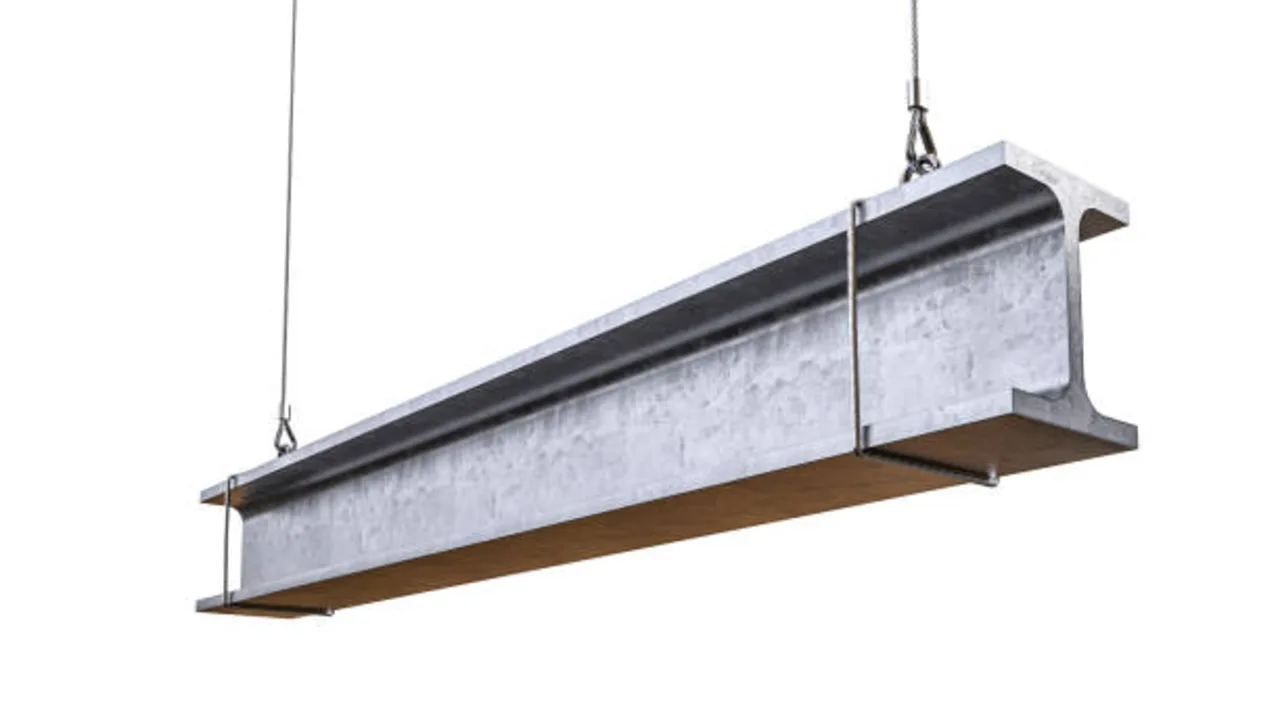
The concept of lifting capacity goes beyond simple weight comparison. Every crane manufacturer provides load charts that specify maximum allowable loads under different boom lengths and working radii.
Rated Lifting Capacity vs Actual Working Load
Rated lifting capacity is determined under ideal conditions. However, real construction environments rarely match laboratory assumptions. During crane selection steel building planning, engineers apply reduction factors to account for rigging weight, hook block mass, and environmental forces.
For example, if a beam weighs 8 tons, the total suspended load may reach 9 tons after including slings and shackles. The crane must safely handle the entire load at the required radius.
Dynamic Loads and Swing Effects
Steel components behave differently during lifting compared to compact materials. Long members can oscillate under wind pressure. Sudden acceleration or deceleration creates additional forces that impact lifting capacity.
A careful crane selection steel building plan considers these dynamic factors. Tag lines, controlled hoisting speeds, and experienced operators reduce swing and maintain alignment accuracy.
Hook Height and Vertical Reach
For multi-story structures, hook height becomes a determining factor. The crane must provide sufficient vertical clearance to lift columns above anchor bolts before positioning. Inadequate hook height may require reconfiguration or secondary lifting operations.
Accurate crane selection steel building assessment ensures that both horizontal radius and vertical reach align with structural geometry.
Types of Cranes Used in Steel Structure Building Installation
Mobile Truck Cranes
Truck-mounted cranes are widely used for medium-scale steel projects. Their mobility makes them ideal for sites with restricted working time. For low-rise buildings, crane selection steel building strategies often rely on mobile cranes due to quick setup and repositioning flexibility.
However, truck cranes have limitations in ground bearing pressure and extended lifting capacity. Proper outrigger placement and soil verification are required.
Crawler Cranes
Crawler cranes offer superior stability and higher lifting capacity. Their track system distributes weight evenly, making them suitable for heavy industrial projects and large-span installations.
In major industrial facilities, crane selection steel building planning frequently favors crawler cranes because they handle heavier truss segments and maintain consistent lifting performance without outriggers.
Tower Cranes
For vertical construction, tower cranes provide continuous lifting at height. While commonly associated with concrete projects, they are also used in certain high-rise steel frame buildings.
Tower crane selection requires careful evaluation of lifting capacity at maximum radius. Steel members lifted at upper levels often demand precise coordination between ground crews and rigging teams.
Rough Terrain Cranes
Remote industrial projects may involve uneven ground or restricted access. Rough terrain cranes are designed for such environments. Their compact footprint supports flexible crane selection steel building strategies when site logistics are challenging.
Crane Selection Steel Building Based on Project Scale
Low-Rise Warehouse Projects
Warehouse buildings typically involve repetitive frames and moderate component weights. Crane selection steel building planning for these projects emphasizes efficiency rather than extreme lifting capacity. A mid-range mobile crane often satisfies installation needs.
Multi-Span Industrial Plants
Industrial plants introduce heavier beams and equipment-support frames. Increased span length elevates component weight. Here, crane selection steel building decisions must prioritize stability and radius coverage.
Selecting a crane slightly above minimum required lifting capacity reduces operational stress and improves safety margins.
Ground Conditions and Site Logistics
Crane performance depends not only on machine specifications but also on ground conditions. Soil bearing capacity determines whether outriggers or crawler tracks can safely distribute loads.
Improper ground assessment may reduce effective lifting capacity or cause crane instability. During crane selection steel building planning, geotechnical data should be reviewed before finalizing equipment choice.
Site access also influences crane positioning. Urban projects may restrict crane movement, requiring compact configurations. Large industrial sites allow wider operating radius and more flexible installation sequencing.
A well-structured crane selection steel building strategy integrates engineering calculations, site logistics, and erection sequencing to ensure smooth installation and structural integrity. In Part 2, we will examine cost optimization, real project examples, common mistakes, and long-term safety impacts of crane planning decisions.
Cost Optimization in Crane Selection
Cost control is a major consideration in crane selection steel building planning. While safety and structural requirements remain primary, economic efficiency cannot be ignored. Selecting an oversized crane increases rental expenses, fuel consumption, mobilization fees, and standby costs. On the other hand, choosing a crane with insufficient lifting capacity may lead to delays, repeated lifts, and safety risks that ultimately cost more than proper initial planning.
Rental Cost Versus Operational Efficiency
Crane rental rates typically increase with rated lifting capacity. A 200-ton crawler crane will cost significantly more per day than a 100-ton mobile crane. However, if the smaller crane requires repositioning after each structural bay, the total project duration may extend, offsetting any rental savings.
Effective crane selection steel building evaluation compares total operational cost rather than daily rental rate alone. Factors such as setup time, dismantling time, operator availability, and productivity per shift must be calculated together.
Oversizing Versus Undersizing Risk
Oversizing a crane provides a larger safety margin but may introduce logistical challenges, including transport permits and site preparation requirements. Undersizing, however, creates higher operational stress and reduces practical lifting capacity under non-ideal conditions.
During crane selection steel building planning, engineers typically apply realistic working percentages of rated capacity rather than pushing equipment to maximum limits. Operating at 70–80% of rated lifting capacity often results in safer and more stable performance.
Fuel and Mobilization Costs
Large cranes require significant fuel consumption and may need multiple transport trucks for mobilization. In remote projects, logistics costs can increase substantially. A balanced crane selection steel building strategy accounts for both lifting requirements and transportation feasibility.
Crane Positioning Strategy and Erection Sequence
Crane positioning directly affects installation flow. Improper positioning can reduce effective lifting capacity due to increased working radius. Therefore, crane placement must be coordinated with erection sequence planning.
Single-Crane Operation
Small to mid-size projects may operate with a single crane handling all structural members. In such cases, crane selection steel building planning must ensure that the crane can reach the furthest installation point without relocation.
Minimizing repositioning reduces downtime and improves installation speed. A crane with slightly higher lifting capacity may allow larger working coverage, increasing overall productivity.
Tandem Lifting
Heavy or oversized components sometimes require tandem lifting using two cranes. This method demands precise coordination and load distribution analysis. Each crane must maintain sufficient lifting capacity while accounting for dynamic imbalance.
Crane selection steel building decisions involving tandem lifts require detailed lift planning, including synchronized hoisting speeds and communication protocols.
Progressive Bay Installation
Progressive installation builds structural bays sequentially. Efficient crane selection steel building planning ensures that once one bay is stabilized, the crane can shift logically to the next without disrupting alignment.
Maintaining consistent lifting capacity across the entire working radius allows uninterrupted erection cycles and reduces idle time.
Real Project Insight: Crane Strategy in the Hainan Wenchang Satellite Launch Platform Project
A strong example of advanced crane planning in a complex steel installation project can be seen in the Hainan Wenchang Satellite Launch Platform & Utility Structures delivered by XTD Steel Structure. This aerospace infrastructure project required the fabrication and installation of approximately 500 tons of structural steel for a 123-meter launch platform and multiple supporting utility structures. The scale and height of the installation demanded extremely precise crane selection steel building planning from the early stages of execution.
Unlike conventional industrial buildings, the launch platform required lifting heavy prefabricated steel components to significant elevations while maintaining strict alignment tolerances. The extended working radius combined with elevated hook height requirements placed substantial demands on lifting capacity. Engineers performed detailed load chart evaluations to determine safe operating ranges under varying boom lengths and site constraints.
Ground condition assessment was equally critical. The project site required careful crane positioning to maintain stability during heavy lifts while avoiding interference with adjacent structures and sensitive equipment. Crawler cranes were selected for high-capacity lifts involving primary structural members, while mobile cranes supported secondary framing and utility steel installation. This coordinated crane selection steel building strategy allowed continuous erection sequencing without unnecessary crane relocation.
Because several structural sections were both tall and geometrically complex, dynamic lifting control was essential. Wind influence at elevation was factored into the lifting capacity calculations to prevent excessive sway during hoisting. Rigging configurations were optimized to distribute loads evenly and reduce stress concentration at connection points during installation.
The successful completion of the Hainan Wenchang project demonstrated how proper crane selection steel building planning directly impacts structural safety, erection efficiency, and schedule control. By aligning lifting capacity calculations with real site conditions and structural geometry, the installation team minimized risk and maintained precise structural alignment throughout the project.
Long-Term Safety and Structural Impact

Proper crane selection steel building planning influences more than installation speed. It also affects structural alignment and long-term performance. When members are lifted smoothly and positioned accurately, bolt holes align properly and connection stress is minimized.
Excessive strain during lifting can introduce unintended distortion, reducing structural precision. Maintaining adequate lifting capacity ensures stable placement and protects structural integrity.
Why Crane Selection Steel Building Ensures Installation Success
The success of a building steel structure project depends on coordinated engineering and execution. Crane selection steel building planning integrates load calculation, site logistics, and safety evaluation into one strategic framework.
For complex installation projects, working with experienced professionals in building steel structure systems ensures that crane planning aligns with structural demands and project timelines.
Conclusion
Crane selection steel building decisions play a decisive role in steel installation efficiency, safety, and cost control. By evaluating component weight, working radius, environmental conditions, and realistic lifting capacity, project teams can select equipment that balances performance and economy.
A well-planned crane selection steel building strategy reduces risk, improves installation speed, and supports structural integrity. In modern steel construction, crane planning is not merely equipment rental — it is a critical engineering decision that directly shapes project success.