Coastal regions are among the fastest-growing zones for industrial and commercial development. Ports, shipyards, offshore energy facilities, seafood processing plants, and logistics hubs are increasingly relying on steel systems for rapid construction and structural efficiency. Steel offers strength, scalability, and speed of erection that few materials can match. However, when projects move closer to the shoreline, a critical engineering challenge emerges: steel building coastal corrosion.
Unlike inland projects, coastal steel buildings are constantly exposed to humid air, airborne chlorides, and aggressive environmental cycles. Continuous salt exposure significantly accelerates oxidation processes, reducing structural durability if not properly addressed. What may appear to be minor surface corrosion in the early years can develop into long-term performance degradation affecting connections, bracing systems, and load-bearing members.
For developers and engineers, designing steel structures in marine climates requires a lifecycle perspective. It is not enough to focus on structural strength alone. Corrosion protection strategies, detailing practices, coating systems, and maintenance planning must all align to mitigate steel building coastal corrosion and ensure long-term resilience.
Understanding Steel Building Coastal Corrosion Mechanisms
To effectively mitigate steel building coastal corrosion, it is essential to understand how marine environments attack steel surfaces. Corrosion is an electrochemical reaction between iron, oxygen, and moisture. In coastal regions, this reaction is intensified by chloride ions carried through salt exposure, creating a far more aggressive environment than typical urban conditions.
Atmospheric Corrosion in Marine Climates
Marine atmospheres contain microscopic salt particles transported by wind. These particles settle on steel surfaces and dissolve in moisture, forming an electrolyte layer that accelerates corrosion. Even buildings located several kilometers from the coastline may experience measurable chloride deposition depending on prevailing wind direction.
Unlike inland corrosion, which may occur slowly under periodic humidity, steel building coastal corrosion progresses rapidly due to repeated wet-dry cycles. Each cycle activates and reactivates corrosion cells, causing progressive material loss over time.
The Role of Salt Exposure
Salt exposure plays a central role in corrosion intensity. Chloride ions penetrate protective oxide layers on steel and destabilize passive films. This process leads to pitting corrosion, which can be far more dangerous than uniform surface rust because it creates localized weakness in structural members.
Crevices around bolts, overlaps, and connection plates are particularly vulnerable. Salt crystals accumulate in these areas and attract moisture, sustaining corrosive reactions even during dry seasons. For this reason, connection detailing is a major consideration in combating steel building coastal corrosion.
Structural Vulnerability Zones
Certain areas of steel buildings are more exposed than others. Roof edges, open-frame facades, exposed bracing systems, and column bases near splash zones often experience higher chloride accumulation. Wind-driven rain can force saline water into joints, accelerating deterioration in concealed areas.
Thin members and secondary components may degrade faster under intense salt exposure, especially if coating thickness is insufficient. Understanding these vulnerability zones allows engineers to design targeted protection measures rather than applying uniform strategies across the entire structure.
Environmental Risk Factors in Coastal Areas
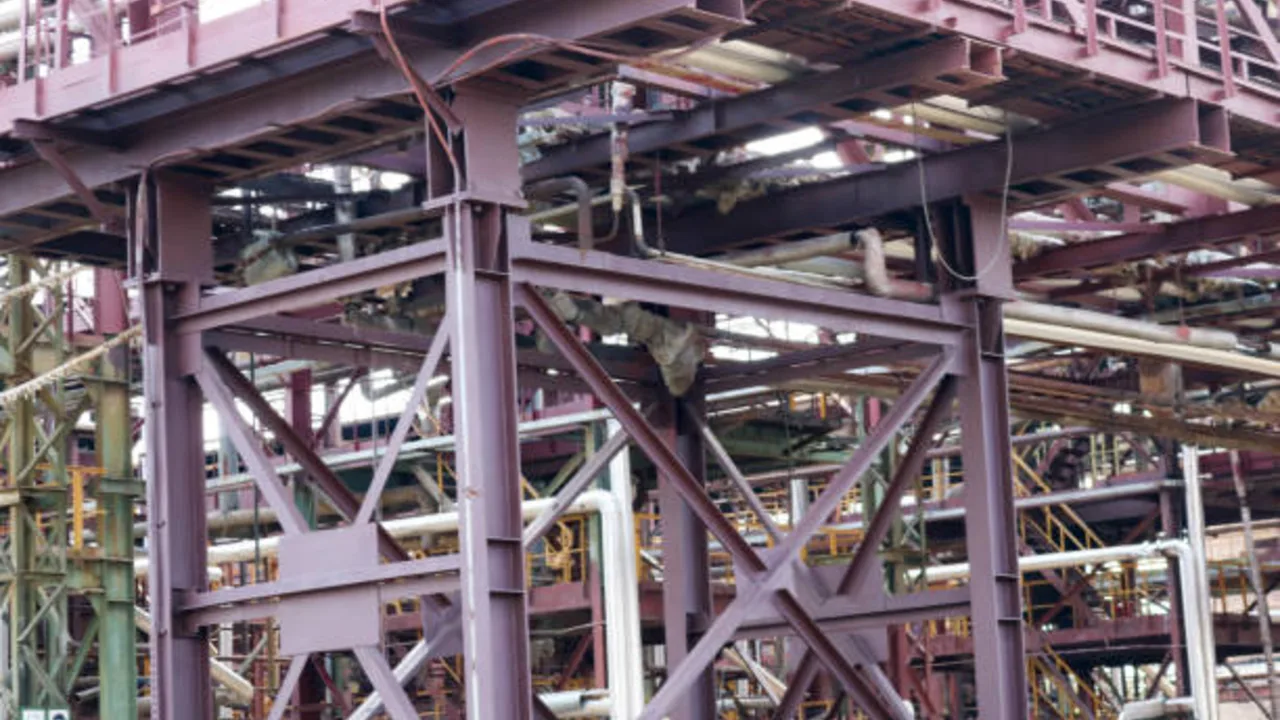
Not all coastal projects experience identical corrosion intensity. Environmental severity varies depending on proximity to the sea, climate conditions, and industrial surroundings. Evaluating these factors is critical in preventing premature steel building coastal corrosion.
Distance from Shoreline
Buildings located within one kilometer of the shoreline are typically classified under severe marine exposure. Chloride concentration is highest in these zones, and salt exposure can be continuous. Structures between one and five kilometers from the coast may still experience moderate to high risk depending on wind patterns.
Beyond five kilometers, corrosion risk decreases but does not disappear entirely. Topography, open terrain, and unobstructed wind corridors can extend the reach of marine aerosols inland.
Prevailing Wind Patterns
Wind direction significantly influences salt deposition. If a building faces prevailing onshore winds, it may experience elevated chloride accumulation on specific elevations. Seasonal storms and monsoons can temporarily increase salt exposure levels, intensifying steel building coastal corrosion during certain months.
Design strategies often include orienting sensitive components away from direct wind impact and reinforcing exposed facades with enhanced coating systems.
Temperature and Humidity Cycles
High humidity combined with warm temperatures accelerates electrochemical reactions. In coastal climates, nightly condensation can form on steel surfaces even when rainfall is absent. These micro-moisture layers sustain corrosion processes and amplify the effects of salt exposure.
Industrial facilities that generate internal heat may create temperature differentials between interior and exterior surfaces, increasing condensation risk on structural members.
Industrial Pollution Combined with Salt Exposure
Many coastal industrial zones also host chemical plants, refineries, or shipping terminals. Pollutants such as sulfur dioxide can combine with marine salts, creating highly aggressive corrosive compounds. This synergy can dramatically intensify steel building coastal corrosion compared to purely marine environments.
When pollution and salt exposure coexist, protective strategies must be upgraded beyond standard marine classifications to ensure long-term structural integrity.
Structural Design Strategies to Reduce Corrosion Risk
Mitigating steel building coastal corrosion begins at the design stage. Proper structural detailing can significantly reduce areas where moisture and chlorides accumulate, extending service life without excessive cost increases.
Closed vs Open Structural Systems
Open structural systems may allow easier inspection but often expose members directly to wind-driven salt spray. Where possible, partially enclosed systems or cladding strategies can shield primary load-bearing elements from direct salt exposure.
Designers should avoid horizontal ledges and recessed surfaces where water can pool. Smooth drainage paths minimize standing moisture and reduce corrosion risk.
Drainage and Water Management
Roof slope design is critical in coastal buildings. Adequate slope prevents water stagnation and limits chloride concentration buildup. Properly designed gutters and downspouts reduce splash-back at column bases.
Poor drainage can amplify steel building coastal corrosion by maintaining prolonged contact between steel surfaces and saline water.
Connection Detailing
Connections are often the weakest points under salt exposure. Sealed welds, continuous plates, and minimized crevices help prevent chloride accumulation. Bolted connections should include protective coatings on both bolts and faying surfaces.
Designers must carefully evaluate joint geometry to ensure that water cannot become trapped within overlapping plates or enclosed cavities.
Material Thickness and Corrosion Allowance
In severe coastal zones, engineers may include additional corrosion allowance by increasing steel thickness slightly in critical components. This approach ensures that even if minor steel building coastal corrosion occurs, structural capacity remains within acceptable limits throughout the intended design life.
However, increasing thickness alone is not a substitute for protective coatings and detailing. It should be integrated into a broader corrosion management strategy.
Protective Coating Systems for Coastal Steel Buildings
Protective coatings are among the most effective defenses against steel building coastal corrosion. The selection of coating systems depends on environmental classification, project budget, and maintenance expectations.
Hot-Dip Galvanizing
Hot-dip galvanizing provides sacrificial zinc protection, forming a durable metallurgical bond with the steel surface. In marine environments with high salt exposure, galvanized coatings significantly delay rust formation by corroding preferentially to the base steel.
Typical coating thickness ranges vary depending on structural category, but thicker zinc layers generally provide longer service life in severe coastal zones.
Epoxy and Polyurethane Systems
Multi-layer coating systems combining epoxy primers with polyurethane topcoats offer excellent barrier protection. Surface preparation is critical; abrasive blasting to proper cleanliness standards ensures adhesion and long-term performance.
Industry guidelines such as those referenced by ISO 12944 provide corrosion protection classifications for different environmental categories, including marine exposure conditions.
When properly applied, these systems significantly reduce steel building coastal corrosion and extend maintenance intervals.
Duplex Protection Systems for Severe Marine Conditions
In highly aggressive coastal environments, relying on a single protective method may not provide sufficient long-term performance. Duplex systems — combining hot-dip galvanizing with multi-layer paint coatings — offer enhanced protection against steel building coastal corrosion. The zinc layer provides sacrificial defense, while the paint system acts as a barrier to moisture and salt exposure.
This layered strategy significantly extends service life because even if the paint coating is damaged, the underlying galvanized layer continues to protect the steel substrate. In severe marine zones within close proximity to the shoreline, duplex systems are often considered a best-practice solution.
Fabrication and Logistics Challenges in Marine Projects
Corrosion protection is not limited to design and coating selection. Fabrication methods and logistics planning also influence long-term durability. Improper handling during transportation or site installation can compromise protective layers and accelerate steel building coastal corrosion before the structure is even operational.
Pre-Fabrication vs On-Site Welding
Shop fabrication in controlled environments allows precise coating application and quality inspection. In contrast, excessive on-site welding may damage protective coatings, requiring field repairs that are often less consistent than factory-applied systems.
Pre-engineered systems and controlled assembly processes help preserve coating integrity and minimize early salt exposure damage.
Transportation to Coastal Sites
Marine shipping routes expose steel components to humid, saline air. Even temporary salt exposure during transportation can initiate corrosion if protective packaging is inadequate. Proper wrapping, temporary coatings, and timely installation reduce risk during logistics stages.
Installation Timing
Prolonged storage at coastal sites prior to full enclosure increases vulnerability. Structures partially erected but not yet cladded may experience repeated wet-dry cycles. Construction scheduling should aim to minimize this exposure window to reduce early steel building coastal corrosion.
Case: Industrial Warehouse Near a Port Terminal
Consider a logistics warehouse constructed within two kilometers of a major port terminal. The building was designed as a prefab steel structure building system to accelerate construction. While structural strength requirements were met, initial corrosion risk assessment underestimated continuous salt exposure from prevailing onshore winds.
Within three years of operation, minor rust staining began appearing at bracing connections and column bases. Inspection revealed localized steel building coastal corrosion in areas where drainage detailing allowed moisture retention. Coating thickness at certain bolted connections was also below recommended levels for severe marine classification.
Corrective measures included upgrading to a duplex coating system in exposed zones, improving roof drainage slopes, sealing vulnerable crevices, and increasing inspection frequency. Additional corrosion allowance was incorporated into replacement connection plates to compensate for long-term material loss.
The case illustrates that even well-designed structures require environment-specific detailing. Integrating corrosion mitigation strategies early in a prefab steel structure building design phase can significantly reduce lifecycle maintenance costs.
Maintenance Planning for Coastal Steel Buildings
No protective system eliminates corrosion entirely. Effective maintenance planning is essential for managing steel building coastal corrosion throughout the building’s service life.
Scheduled Inspection Intervals
Coastal steel buildings typically require annual or biannual inspections depending on exposure severity. Visual inspection should focus on joints, bolt heads, weld seams, and drainage points. Early detection of coating blistering or surface rust allows cost-effective repairs.
Early Warning Indicators
Rust bleeding at connections, paint peeling, or discoloration around fasteners may signal underlying steel building coastal corrosion. Addressing these issues promptly prevents structural degradation from spreading.
Lifecycle Cost Considerations
Preventive maintenance costs are significantly lower than large-scale structural repairs. Investing in periodic recoating and minor repairs extends service life and preserves structural reliability despite continuous salt exposure.
Why Steel Building Coastal Corrosion Must Be Addressed at the Design Stage
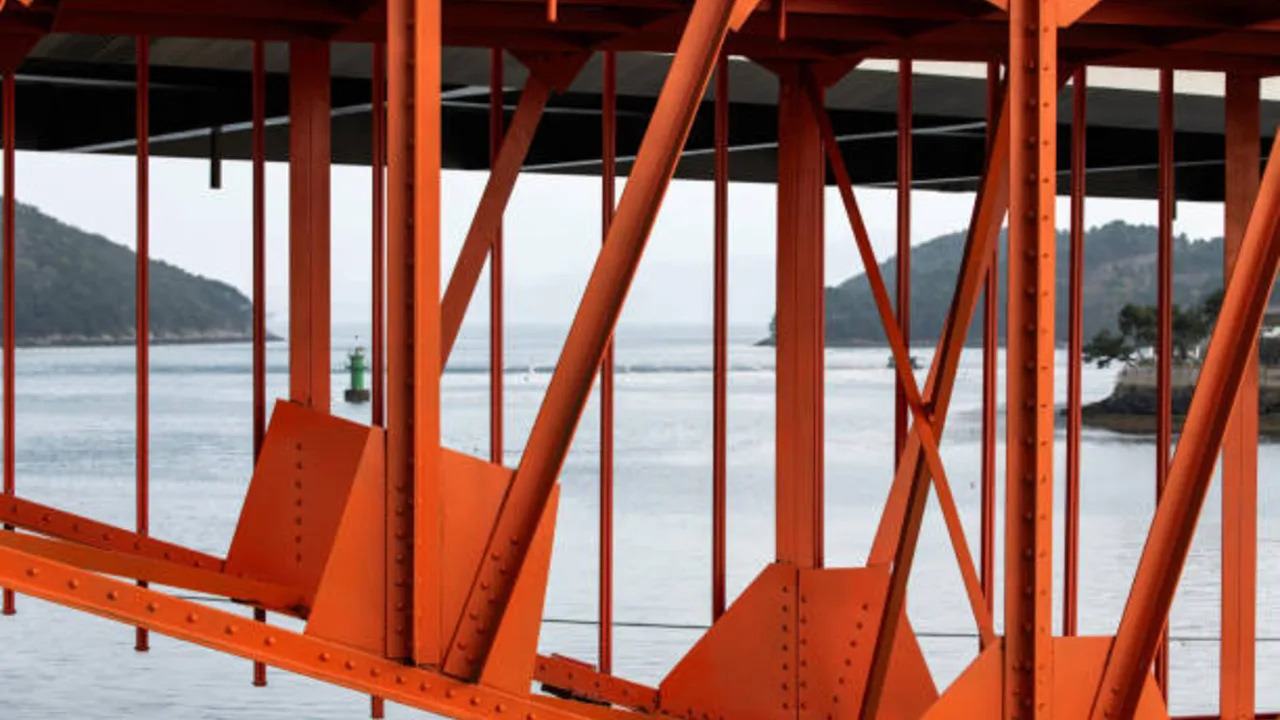
The most effective corrosion mitigation strategies are implemented before fabrication begins. Engineers must evaluate environmental classification, anticipated salt exposure levels, and projected service life when specifying materials and coatings.
Ignoring steel building coastal corrosion risks during design may lead to higher operational costs, reduced structural capacity, and increased insurance liabilities. Early-stage planning allows integration of proper detailing, protective systems, and corrosion allowances without excessive redesign.
Conclusion
Coastal environments present unique challenges for steel structures. Continuous salt exposure, high humidity, and wind-driven chlorides accelerate deterioration if not properly managed. Understanding the mechanisms of steel building coastal corrosion enables engineers to implement effective structural detailing, protective coatings, and maintenance strategies.
Through thoughtful design, appropriate material selection, and proactive inspection planning, steel buildings in marine regions can achieve long-term durability and structural safety. Addressing corrosion risk as a core engineering priority ensures that coastal steel projects remain reliable and cost-efficient for decades.