Industrial facilities are engineered to support heavy equipment, high roof spans, overhead cranes, and demanding operational loads. In this context, steel building code compliance is not simply a regulatory formality—it is the structural backbone that ensures safety, durability, and long-term performance. From the earliest design calculations to final site inspection, compliance requirements shape how industrial steel buildings are analyzed, fabricated, and erected.
Regulatory approval directly affects project timelines, insurance eligibility, and investment security. Without proper steel building code compliance, even a structurally sound facility may fail certification, leading to costly redesigns or operational delays. Internationally recognized standards such as EN (Eurocodes) and AISC (American Institute of Steel Construction) provide structured frameworks that govern load assumptions, material specifications, welding practices, and documentation procedures.
For developers and contractors working with a professional steel structure building company, understanding compliance requirements early in the project lifecycle reduces risk and improves coordination between design, fabrication, and construction teams.
Understanding Steel Building Code Compliance in Industrial Projects
At its core, steel building code compliance refers to adherence to national or international structural design standards, material certification rules, fabrication tolerances, and inspection protocols. It extends beyond structural calculations. True compliance integrates engineering analysis, quality assurance systems, traceability documentation, and third-party verification.
Industrial steel buildings present unique compliance challenges due to dynamic loads, crane systems, and large-span geometries. Unlike small commercial structures, industrial facilities often operate under continuous mechanical stress. Codes such as EN and AISC address these complexities by defining load combinations, stability checks, and partial safety factors.
Authorities having jurisdiction (AHJ), insurance bodies, and independent inspectors rely on documented steel building code compliance to verify that every structural element—from primary columns to connection bolts—meets defined safety margins.
Major International Standards Governing Industrial Steel Buildings
EN Standards (Eurocodes)
Within the European regulatory framework, steel building code compliance is primarily guided by the Eurocodes. EN 1990 establishes the basis of structural design, defining reliability principles and safety factors. EN 1991 specifies actions on structures, including wind, snow, and imposed loads. EN 1993 governs the design of steel structures, addressing buckling resistance, cross-section classification, and connection behavior.
Additionally, EN 1090 regulates execution requirements and CE marking for fabricated steel components. Factory Production Control (FPC) certification ensures traceability of materials, welding procedures, and inspection records. For industrial steel projects within Europe, compliance with EN standards is mandatory for market access.
AISC Standards
In North America and many international projects, AISC standards define steel building code compliance. AISC 360 provides detailed specifications for structural steel buildings using Load and Resistance Factor Design (LRFD) or Allowable Strength Design (ASD). AISC 341 addresses seismic provisions, particularly critical for industrial buildings in high-risk zones.
Complementary standards such as AWS (American Welding Society) codes regulate welding qualifications and inspection practices. Together, these frameworks establish comprehensive requirements covering analysis, detailing, fabrication, and erection.
While EN utilizes partial safety factors and limit state design philosophy, AISC emphasizes resistance factors within LRFD methodology. Despite methodological differences, both systems aim to ensure structural reliability and consistent safety margins.
Load Requirements and Structural Safety Verification
Dead, Live, Wind, Snow, and Seismic Loads
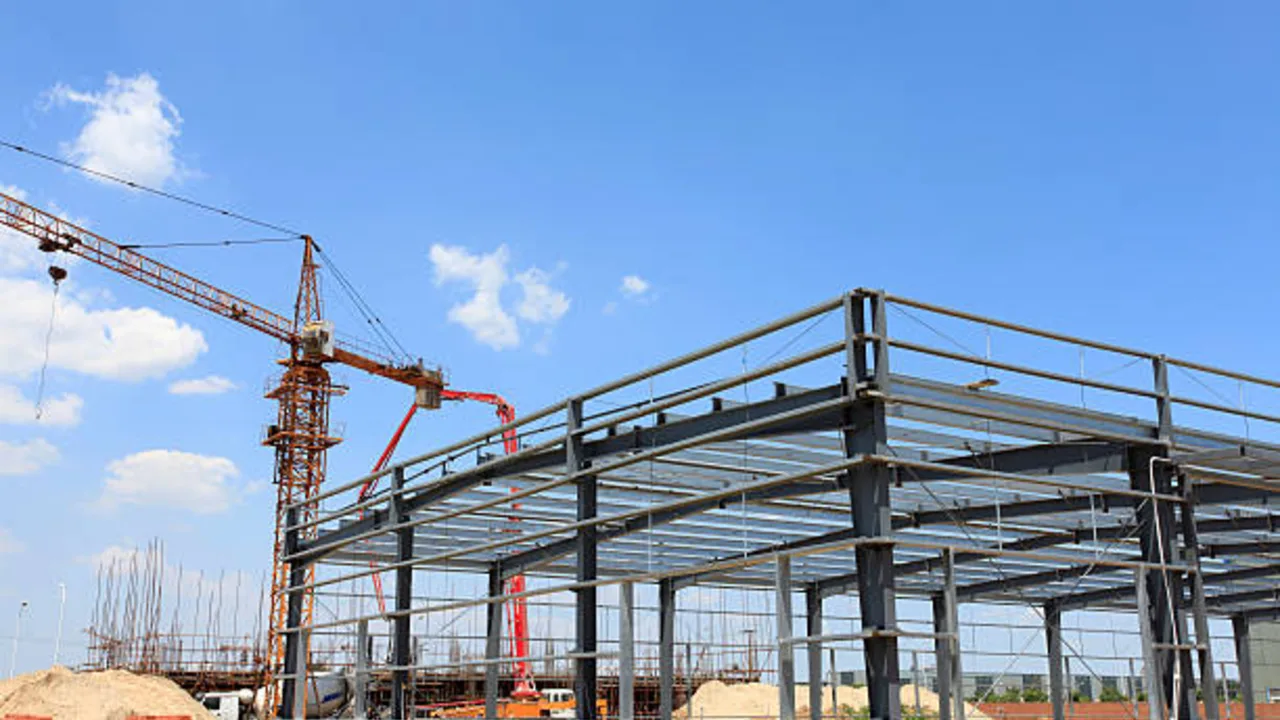
Industrial buildings must withstand multiple simultaneous load conditions. Dead loads include the weight of steel members, roofing systems, and mechanical installations. Live loads account for maintenance personnel, suspended utilities, and operational equipment. Wind and snow loads vary regionally, requiring careful site-specific assessment under steel building code compliance guidelines.
Crane systems introduce additional complexity. Vertical wheel loads, lateral surge forces, and impact factors significantly influence column design and connection detailing. Compliance standards specify load combinations that reflect worst-case scenarios to protect structural integrity.
Structural Analysis and Modeling
Modern engineering relies on finite element modeling to validate steel building code compliance. Structural analysis software evaluates internal forces, deflections, and stability under combined load cases. Serviceability checks ensure acceptable deflection limits, particularly in crane-supported facilities where excessive movement can disrupt operations.
Buckling analysis remains critical in industrial steel frames. Slender columns and bracing members must be evaluated for local and global instability. Compliance standards provide equations and safety factors to prevent sudden failure modes.
Seismic Compliance in Industrial Steel Buildings
Seismic design provisions within EN and AISC codes address ductility, energy dissipation, and connection detailing. Industrial steel buildings located in seismic regions require reinforced moment frames or braced systems capable of absorbing cyclic forces. Steel building code compliance in such environments includes strict detailing rules to prevent brittle fracture.
Material Certification and Traceability
Steel Grade Requirements
Material specification forms the foundation of steel building code compliance. European projects often use S355 or similar grades under EN standards, while ASTM A572 or ASTM A36 are common in AISC-based designs. Mill certificates verify chemical composition and mechanical properties, ensuring that materials meet required yield strength and toughness values.
Welding Qualifications
Welding procedures must comply with approved Welding Procedure Specifications (WPS) and Procedure Qualification Records (PQR). Certified welders perform structural welds, and inspection records document compliance. Inadequate welding documentation remains one of the most common causes of non-conformance findings in industrial projects.
Bolt and Fastener Standards
High-strength bolts must meet defined mechanical performance criteria. Installation torque, slip-critical preparation, and inspection procedures are governed by code requirements. Proper bolt installation directly influences connection reliability and long-term structural behavior.
Fabrication Compliance Under EN and AISC
Fabrication facilities must implement structured quality control systems to achieve steel building code compliance. Under EN 1090, execution classes define inspection intensity and documentation requirements. AISC-certified fabricators similarly operate under strict quality management systems.
Dimensional tolerances are verified before shipment to prevent erection misalignment. Surface preparation and protective coatings must meet corrosion protection standards suitable for industrial environments. Non-destructive testing, including ultrasonic and magnetic particle inspection, confirms weld integrity.
By integrating certified fabrication processes with accurate structural design, steel building code compliance transitions from theoretical calculation to verified physical performance.
Site Erection and Field Inspection Requirements
Achieving full steel building code compliance does not end at fabrication. On-site erection represents a critical phase where theoretical design assumptions meet real-world conditions. Industrial steel buildings often involve complex lifting operations, multi-bay frames, and temporary stability challenges. Compliance during erection ensures that structural integrity is maintained at every construction stage.
Erection Sequence and Temporary Stability
Codes such as EN and AISC require that erection procedures account for temporary load conditions before the full structural system becomes stable. During phased assembly, incomplete bracing systems may expose frames to wind or accidental loads. Steel building code compliance therefore includes engineered erection plans that define bracing installation order, bolt tightening sequences, and stability verification.
Industrial projects with crane systems demand particular attention. Runway beams and supporting columns must be aligned precisely to avoid operational stress concentration. Improper erection can compromise long-term performance even if fabrication quality is high.
Anchor Bolt Verification
Anchor bolts form the structural interface between the steel frame and concrete foundations. Code compliance requires dimensional checks before column installation to confirm bolt spacing, projection length, and alignment tolerances. Any deviation beyond specified limits may affect load transfer efficiency and structural stability.
Inspection records documenting anchor bolt verification become part of the permanent steel building code compliance documentation package.
Third-Party Inspection and Documentation
In many jurisdictions, independent inspectors verify field conditions against approved drawings. Inspection checkpoints may include bolt torque testing, weld examination, plumbness verification, and coating thickness measurements. These procedures ensure that erection quality matches the original design intent under EN or AISC standards.
Maintaining detailed inspection logs is essential. Without traceable documentation, projects may fail final certification despite structural adequacy.
Non-Conformance Reporting and Corrective Action
When discrepancies arise, formal non-conformance reports (NCRs) document deviations and corrective measures. Steel building code compliance frameworks require structured resolution processes to restore conformity before project handover. Transparent documentation protects owners, contractors, and engineers from future liability.
Documentation and Approval Process
A comprehensive documentation package is central to steel building code compliance. Authorities and certification bodies review calculations, drawings, material certificates, and inspection records before granting occupancy approval.
Design Calculations
Structural calculation reports demonstrate that industrial steel buildings satisfy load combinations and safety factors defined under EN or AISC. These reports include global frame analysis, connection design checks, and stability verification. Clear presentation of assumptions and load cases improves approval efficiency.
Shop Drawings and As-Built Records
Shop drawings translate engineering intent into fabrication details. During construction, modifications may occur due to site conditions. As-built drawings record these adjustments, ensuring final steel building code compliance reflects actual installed conditions.
Inspection Reports
Inspection documentation covers welding verification, bolt testing, coating thickness checks, and dimensional tolerance confirmation. Organized reporting allows reviewers to confirm that every structural component meets required standards.
Government Approval Procedures
Final approval procedures vary by region. In Europe, CE marking under EN frameworks confirms compliance for structural steel components. In North America, building authorities evaluate conformance to AISC-based design and inspection requirements. In both systems, documented steel building code compliance streamlines certification and occupancy authorization.
Common Compliance Failures in Industrial Steel Projects
Despite established standards, industrial projects occasionally encounter compliance deficiencies. Understanding these risks helps project teams avoid costly delays.
- Incomplete structural calculations or missing load combinations
- Unapproved material substitutions without revised verification
- Welding performed without certified procedures
- Improper seismic detailing in high-risk zones
- Insufficient documentation of inspections
These failures rarely stem from structural incompetence; more often, they result from inadequate coordination or documentation gaps. Proactive steel building code compliance planning mitigates such issues before they escalate.
Case Scenario — EN Compliance for a European Logistics Facility
A logistics distribution center in Central Europe required strict adherence to EN standards for market approval. The project included a 32-meter clear-span industrial steel building with integrated mezzanine systems and loading docks.
From the outset, steel building code compliance guided design decisions. Wind loads were evaluated under EN 1991 with site-specific exposure factors. Structural members were designed under EN 1993 using limit state principles. Fabrication facilities operated under EN 1090 Execution Class 2 certification.
During fabrication, Factory Production Control procedures ensured traceability of S355 steel materials. Welding inspection records were compiled and reviewed before shipment. Upon site erection, third-party inspectors verified bolt preloading and structural alignment.
The project achieved smooth CE certification and occupancy approval without revision requests. The structured approach to steel building code compliance prevented delays and reinforced investor confidence.
Why Steel Building Code Compliance Determines Long-Term Performance
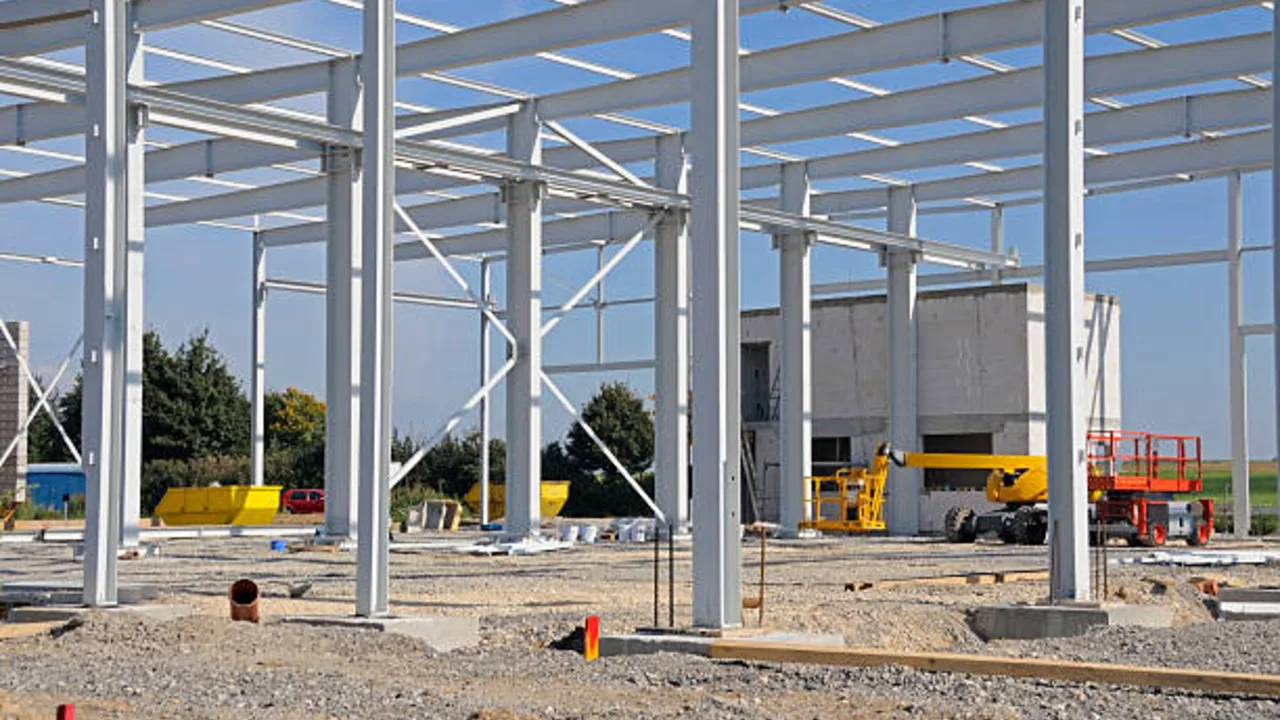
Beyond initial approval, steel building code compliance influences insurance coverage, maintenance planning, and future expansion potential. Industrial facilities often undergo operational upgrades, equipment changes, or structural extensions. Documented compliance ensures that modifications can be evaluated against original design criteria.
Financial institutions and insurers frequently require proof of adherence to recognized standards such as EN or AISC before underwriting large industrial assets. Compliance therefore contributes not only to structural safety but also to long-term asset value.
Working with an experienced steel structure building company ensures that compliance considerations are integrated into every project phase—from preliminary engineering to final inspection.
Conclusion
Industrial steel buildings operate under demanding structural conditions, making steel building code compliance essential for safety, reliability, and legal protection. International frameworks such as EN and AISC provide robust methodologies for load evaluation, material certification, fabrication control, and site inspection.
True compliance extends beyond calculation sheets; it encompasses documentation, traceability, inspection discipline, and coordinated project management. When applied systematically, steel building code compliance reduces risk, accelerates approvals, and strengthens long-term structural performance.
In today’s global construction environment, aligning industrial steel buildings with recognized standards ensures cross-border credibility, operational resilience, and sustained structural integrity.