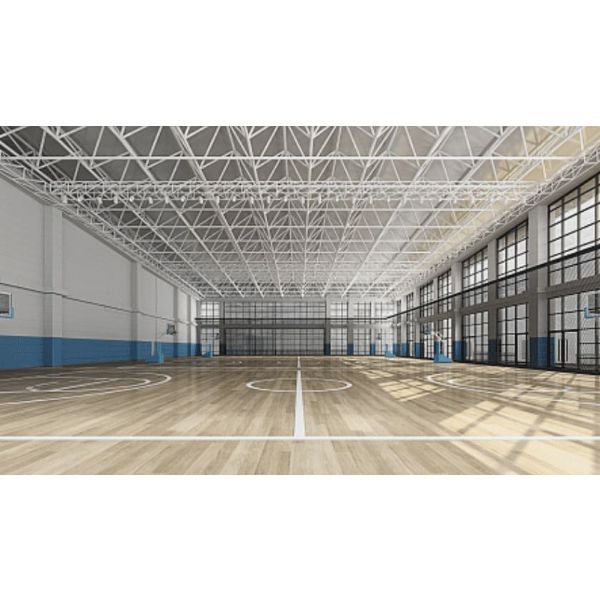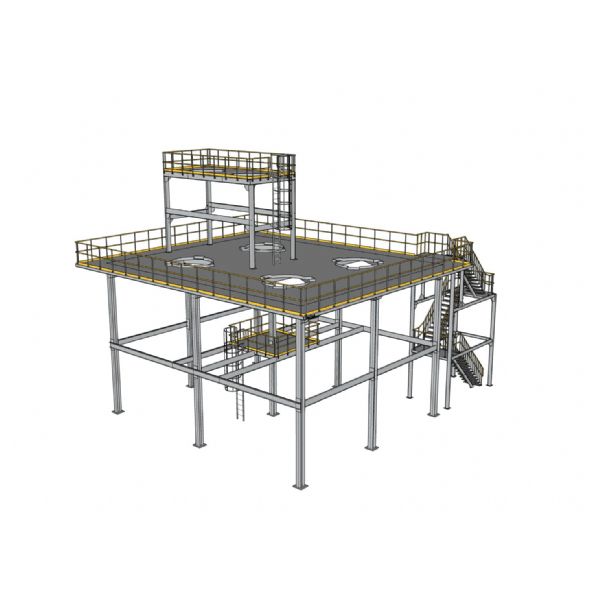
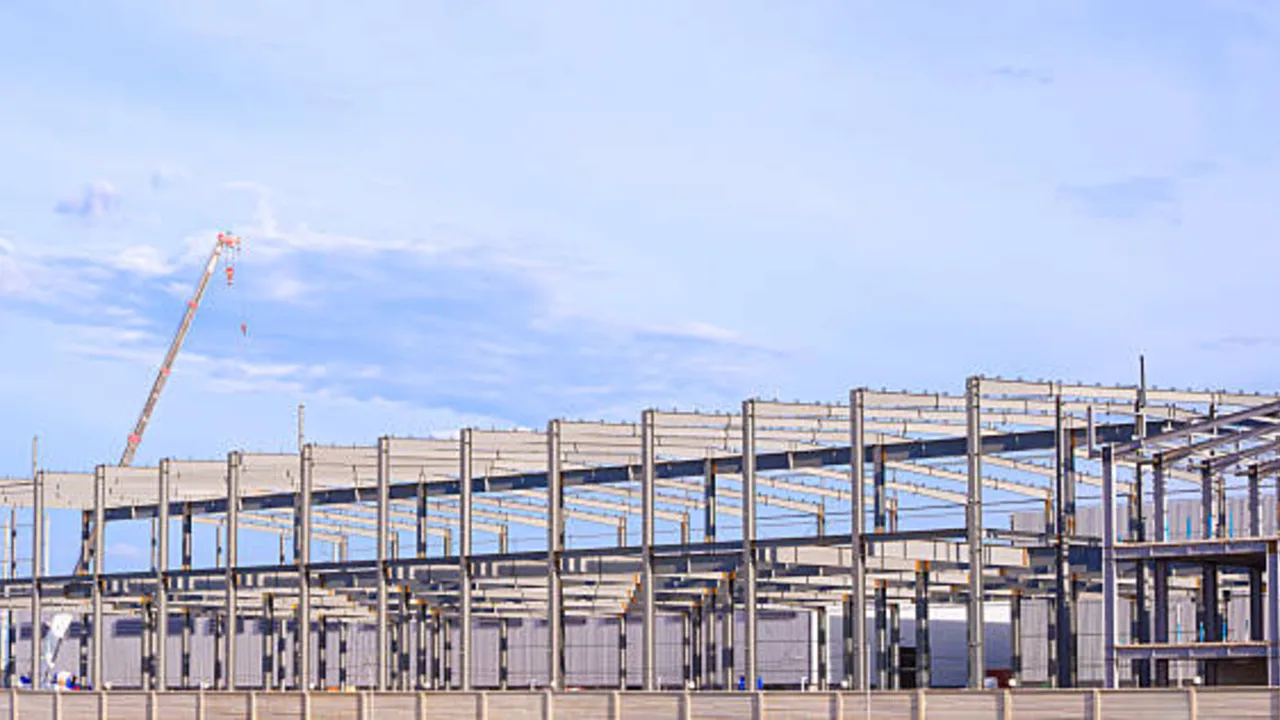
Precision defines the success of any prefabricated system. In modern industrial and commercial construction, structural components are manufactured off-site, transported to the project location, and assembled under tight schedules. Within this workflow, steel building connection tolerance becomes one of the most critical performance parameters. Even minor dimensional deviations can disrupt alignment, delay erection, and compromise long-term structural behavior.
Unlike cast-in-place construction, prefabricated systems depend heavily on dimensional predictability. Columns, beams, braces, and connection plates must align exactly as modeled in the digital design environment. When fit-up accuracy is high, installation proceeds smoothly. When tolerance control is weak, site modifications become inevitable—leading to rework, welding adjustments, and unexpected cost escalation.
This article explores how steel building connection tolerance influences design, fabrication, and erection processes in modern prefabricated steel systems. From engineering standards to real-world site management practices, understanding tolerance control is essential for achieving structural reliability and construction efficiency.
Understanding Steel Building Connection Tolerance
Steel building connection tolerance refers to the permissible deviation in dimensions, alignment, and positioning of structural connection components. These tolerances account for practical limitations in manufacturing, transportation, and field assembly while ensuring that structural safety and performance remain unaffected.
Dimensional vs. Fabrication vs. Erection Tolerance
In prefabricated construction, tolerance exists at multiple levels. Dimensional tolerance relates to the physical size of members and connection plates. Fabrication tolerance covers drilling accuracy, cutting precision, and welding distortion control. Erection tolerance concerns alignment, plumbness, and bolt installation on site. Each category directly affects overall steel building connection tolerance.
When these tolerances interact, their cumulative effect can influence fit-up accuracy. For example, slight misalignment in bolt hole positioning combined with column plumb deviation may prevent proper beam installation without corrective measures.
Why Tolerance Is More Critical in Prefabrication
Prefabricated steel systems allow minimal flexibility once components arrive on site. Unlike reinforced concrete structures that can adapt to formwork irregularities, steel relies on mechanical connections requiring precise alignment. Therefore, steel building connection tolerance must be carefully defined during design and controlled during fabrication to avoid field conflicts.
Tolerance stacking is a common issue in large buildings. Small acceptable deviations in multiple members can accumulate, creating significant misalignment at critical connection points. Managing this cumulative effect is fundamental to maintaining fit-up accuracy in large-scale prefabricated projects.
Types of Connection Tolerances in Prefabricated Steel Buildings
Bolt Hole Tolerances
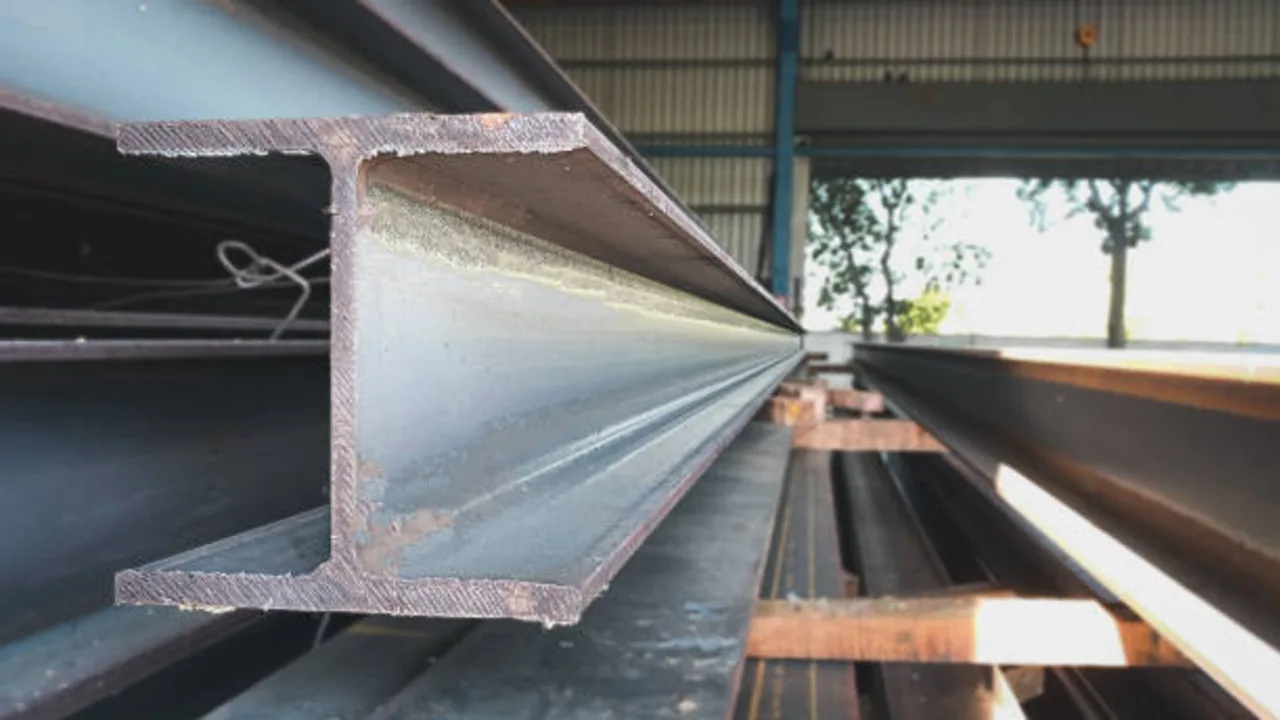
Bolt hole dimensions significantly influence steel building connection tolerance. Standard holes, oversized holes, and slotted holes provide varying degrees of adjustment capacity. Oversized holes can improve fit-up accuracy during erection, but excessive clearance may reduce connection stiffness or alter load transfer characteristics.
Proper coordination between structural design and fabrication ensures that bolt hole tolerances provide necessary flexibility without compromising structural integrity. Engineering guidelines such as those published by the American Institute of Steel Construction define acceptable deviation ranges for structural connections.
Base Plate and Anchor Bolt Tolerances
Anchor bolt positioning represents one of the most sensitive tolerance factors in prefabricated systems. If anchor bolts are misaligned beyond allowable steel building connection tolerance limits, column base plates may require slotting, shimming, or even re-drilling. These corrections increase installation time and reduce overall fit-up accuracy.
Base plate leveling also affects structural alignment. Uneven bearing surfaces introduce rotational deviation in columns, influencing beam-to-column connections at higher elevations.
Column Alignment and Plumbness
Column verticality is critical in multi-bay prefabricated steel buildings. Even minor angular deviation at the base can translate into significant misalignment at roof level. Maintaining steel building connection tolerance during erection ensures that secondary framing components align properly without forcing connections.
Survey control points and temporary bracing systems help maintain alignment during installation. Accurate plumbness improves fit-up accuracy for beams, braces, and roof systems.
Beam-to-Column Connection Tolerances
End plates, shear tabs, and moment connections require strict alignment. Variations in flange positioning or web offset can prevent bolt insertion. Maintaining steel building connection tolerance at these interfaces ensures smooth assembly and reliable structural behavior.
Connection detailing should anticipate realistic fabrication tolerances while minimizing excessive adjustment on site. Careful design reduces dependence on field modification and improves overall erection efficiency.
Engineering Standards and Code Requirements
Structural design standards recognize that zero deviation is unrealistic in practical construction. International codes define acceptable tolerance limits for fabrication and erection to balance constructability with structural safety.
For example, AISC guidelines provide tolerances for member length, bolt hole alignment, column plumbness, and connection fit-up. European standards under EN specifications similarly define permissible deviations for steel assemblies. These limits ensure that steel building connection tolerance remains within performance thresholds that do not compromise structural capacity.
Compliance with these standards ensures that fit-up accuracy is maintained while accommodating real-world fabrication variability. Engineers must interpret tolerance provisions carefully to avoid over-tightening specifications that may increase cost without improving performance.
Tolerance Accumulation and Fit-Up Accuracy
Tolerance Stacking in Multi-Bay Structures
In large prefabricated buildings, small deviations accumulate across multiple bays. If each column shifts slightly within allowable steel building connection tolerance limits, cumulative displacement at roof level can exceed anticipated alignment capacity.
This phenomenon, known as tolerance stacking, directly impacts fit-up accuracy. Misaligned rafters, purlins, and bracing members may require forced installation, potentially introducing unintended stresses into the structural system.
How Steel Building Connection Tolerance Affects Fit-Up Accuracy
Fit-up accuracy measures how precisely components align during assembly. When steel building connection tolerance is properly controlled, bolts insert easily, weld gaps remain consistent, and structural geometry matches design intent. Poor tolerance management, however, leads to excessive shim usage, field slotting, or welding corrections.
Maintaining tight but realistic tolerance control improves productivity, reduces labor hours, and ensures predictable erection sequencing. In large prefabricated steel structure building projects, precise fit-up accuracy often determines whether installation proceeds on schedule.
In Part 2, we will examine fabrication control strategies, erection-phase tolerance management, real project case analysis, and common mistakes that compromise steel building connection tolerance in prefabricated systems.
Fabrication Phase: Controlling Steel Building Connection Tolerance
The fabrication stage is where steel building connection tolerance is either preserved or compromised. Once steel members are cut, drilled, and welded, dimensional deviations become embedded into the structure. Because prefabricated systems rely on predictable geometry, fabrication precision directly determines fit-up accuracy during erection.
CNC Cutting and Drilling Precision
Modern workshops rely on CNC plasma cutting, laser cutting, and automated drilling lines to control steel building connection tolerance. Digital models exported from BIM platforms guide machine operations, reducing human measurement error. When machines are properly calibrated, hole spacing, plate dimensions, and edge distances remain within tight deviation limits.
However, machine precision alone does not guarantee fit-up accuracy. Tool wear, material warping, and improper clamping can introduce slight misalignments. Regular calibration and dimensional verification procedures ensure that cumulative deviations do not exceed allowable steel building connection tolerance thresholds.
Welding Distortion and Heat Control
Welding introduces heat-induced distortion, which can alter connection geometry. Excessive heat input may cause plate bending or flange twisting, affecting steel building connection tolerance at critical interfaces. Controlled welding sequences, balanced heat application, and fixture stabilization are essential to maintain dimensional stability.
Fabricators often perform mock-up assemblies to verify fit-up accuracy before mass production. Identifying distortion patterns early prevents systematic deviation across multiple components.
Workshop Quality Control Procedures
Dimensional inspection is a core part of tolerance management. Measuring bolt hole alignment, plate flatness, and member straightness confirms compliance with specified steel building connection tolerance values. Quality documentation provides traceability and ensures that deviations are corrected before shipment.
By integrating engineering review with fabrication checks, manufacturers reduce the risk of site-level corrective work and improve overall installation predictability.
Erection Phase: Managing Tolerance on Site
Even with precise fabrication, site conditions introduce additional variables. Foundation settlement, anchor bolt positioning, and environmental factors influence steel building connection tolerance during erection.
Survey Control and Anchor Bolt Verification
Before column installation, survey teams verify anchor bolt placement. Deviations beyond acceptable steel building connection tolerance limits may require slotting or shim adjustments. Early detection prevents alignment conflicts during beam installation.
Accurate survey control points guide column positioning and maintain structural grid consistency. Maintaining high fit-up accuracy begins with foundation precision.
Temporary Bracing and Sequential Alignment
During erection, temporary bracing stabilizes columns and maintains plumbness. Sequential tightening of bolts ensures that alignment corrections occur before cumulative deviation develops. If steel building connection tolerance is not monitored continuously, small shifts may escalate into significant geometric inconsistencies.
Field supervisors often check alignment at each stage rather than waiting for full-frame completion. This proactive approach preserves fit-up accuracy across the entire structure.
Corrective Measures Without Compromising Integrity
When deviations occur, corrective measures must remain within engineering approval limits. Shim plates can compensate for base irregularities. Controlled slotting of holes may restore alignment without exceeding steel building connection tolerance allowances.
Excessive field welding or forced bolting, however, can introduce unintended stresses. Maintaining discipline in tolerance correction ensures long-term structural performance.
Case Study: Tolerance Management in a Large Industrial Facility
A recent large-span industrial facility measuring over 18,000 m² highlighted the importance of managing steel building connection tolerance throughout all phases. During initial foundation works, minor anchor bolt displacement was detected in one grid line. Although within code allowances, cumulative analysis predicted reduced fit-up accuracy at roof level if left uncorrected.
The engineering team implemented localized shim adjustments and revised erection sequencing to redistribute alignment control. Fabrication tolerances were re-verified before shipment of roof trusses to ensure cumulative deviation remained controlled.
As erection progressed, periodic survey checks confirmed that steel building connection tolerance stayed within defined thresholds. Final inspection demonstrated consistent beam alignment and efficient bolt insertion without forced adjustment. The project achieved improved fit-up accuracy, reducing rework hours by nearly 15% compared to previous similar facilities.
This example illustrates that proactive tolerance coordination between design, fabrication, and erection phases directly enhances structural efficiency and schedule reliability.
Common Mistakes in Tolerance Planning
Several recurring errors undermine steel building connection tolerance in prefabricated projects. One common issue is underestimating tolerance stacking. While individual deviations may comply with code, their combined effect can exceed connection adjustability.
Another mistake is excessive reliance on field correction. Designing connections with unrealistic precision assumptions shifts responsibility to erection crews, reducing fit-up accuracy and increasing labor cost.
Poor communication between structural engineers and fabricators can also compromise tolerance expectations. Clear documentation of acceptable steel building connection tolerance ranges ensures consistent execution across teams.
Why Steel Building Connection Tolerance Determines Project Success
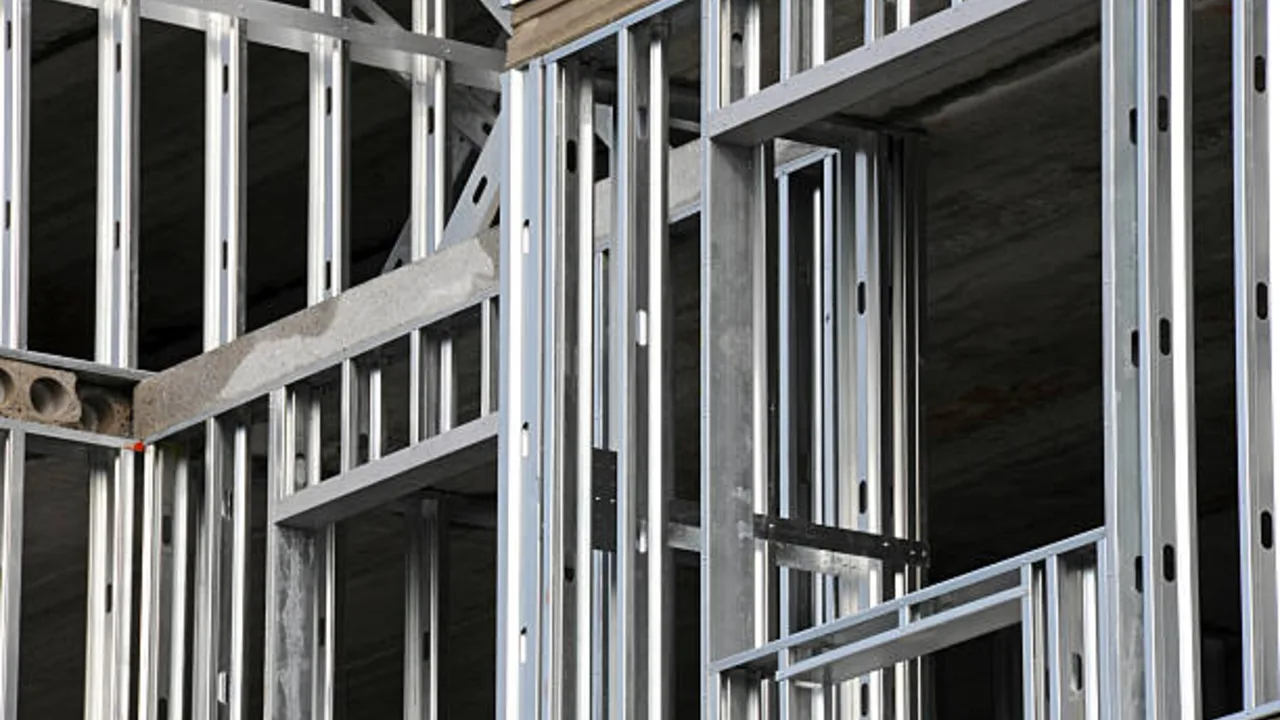
Ultimately, steel building connection tolerance influences structural safety, erection efficiency, and lifecycle durability. Accurate tolerance management ensures predictable geometry, proper load transfer, and minimized corrective work.
In modern prefabricated steel structure building systems, maintaining high fit-up accuracy reduces schedule delays and enhances overall project performance. Precision at connection interfaces reflects the overall quality of the structure.
Conclusion
Managing steel building connection tolerance is not a single-phase responsibility—it requires integration across design, fabrication, and erection. By controlling dimensional deviation, anticipating tolerance stacking, and enforcing quality verification, project teams safeguard structural integrity and construction efficiency.
When fit-up accuracy is prioritized and tolerance limits are respected, prefabricated steel buildings achieve both engineering reliability and economic predictability. In large-scale developments, disciplined tolerance management becomes a defining factor in delivering successful, high-performance steel structures.