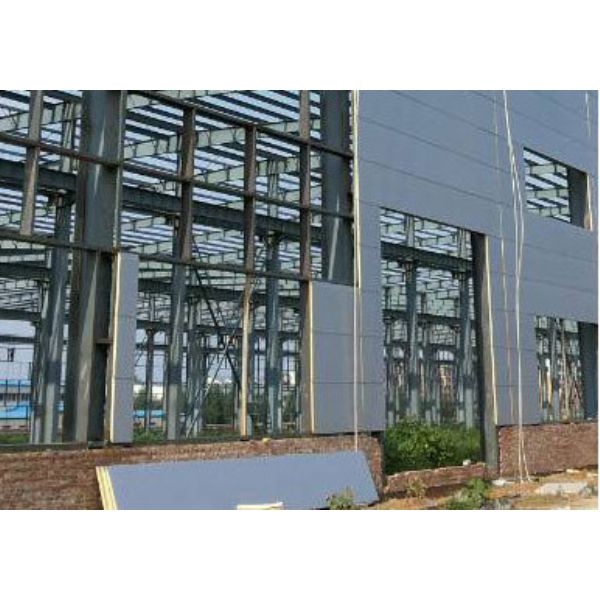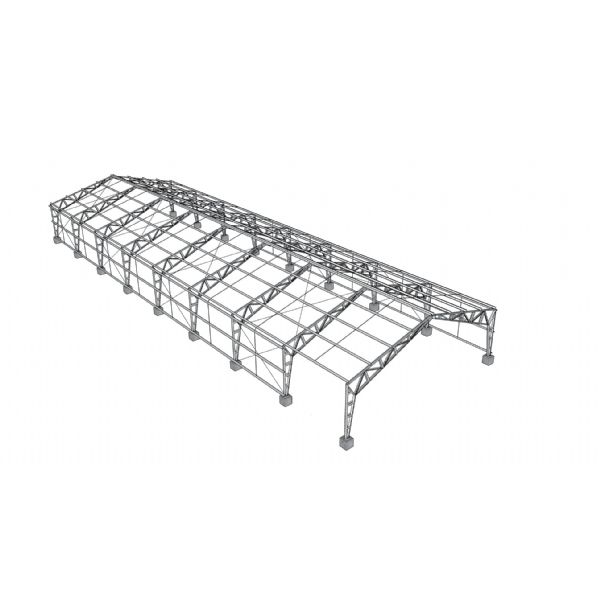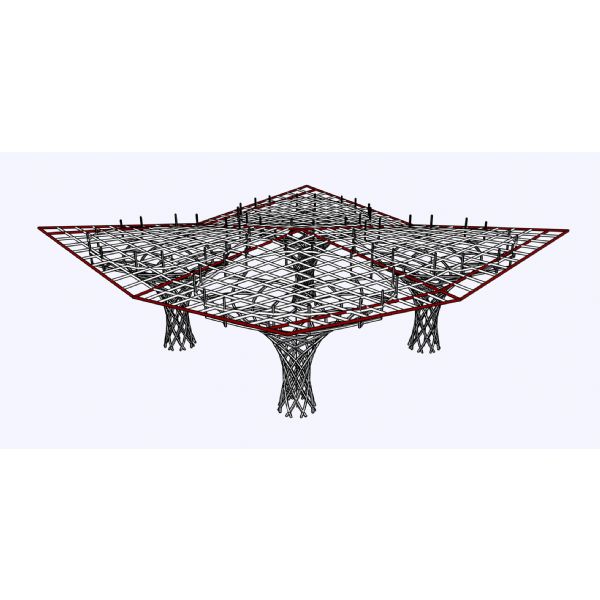

Large-scale steel buildings are often chosen for one clear reason: they offer an efficient balance between speed, strength, and cost control. From industrial plants to logistics hubs and distribution centers, steel systems make it possible to deliver massive enclosed spaces in a relatively short timeframe. However, when project requirements become more complex, many stakeholders encounter an important reality — steel building customization limits do exist.
This article explores where customization in large-scale steel buildings works effectively, where it becomes constrained, and how span limits and modular constraints ultimately define the boundaries of feasible design.
What Defines Steel Building Customization Limits?
Steel buildings—particularly those based on pre-engineered or prefabricated systems—are developed around well-established structural logic. These systems are not designed as one-off constructions, but as repeatable structural frameworks that balance strength, efficiency, and constructability. Their core advantage lies in standardization, which allows manufacturers to control quality, reduce lead time, and deliver predictable performance at scale.
Because of this system-driven approach, steel building customization limits are influenced by several interrelated factors rather than design preference alone. The first is structural performance. Every steel frame must safely transfer loads from the roof and floors down to the foundation. Excessive variation in geometry, span, or loading conditions directly affects load paths, deflection, and overall stability, placing natural limits on how far a design can be altered without significant structural consequences.
The second factor is fabrication practicality. Steel components are manufactured using standardized processes, tooling, and production lines. Designs that require excessive variation in member sizes, connection details, or frame geometry reduce fabrication efficiency and increase the risk of errors. Beyond a certain point, customization shifts from system-based production to bespoke fabrication, which comes with higher cost and longer delivery times.
Transportation logistics also play a critical role. Steel members must be transported from the fabrication facility to the construction site. Oversized or irregular components may exceed transportation limits, require special permits, or demand complex handling solutions. These constraints often influence maximum span lengths, member depths, and overall building proportions.
Finally, regulatory compliance defines another boundary. Steel buildings must meet local building codes, fire resistance requirements, seismic standards, and safety regulations. Highly customized designs may require additional engineering verification, testing, or approval processes, adding time and complexity to the project.
For these reasons, customization in steel buildings should be understood as controlled flexibility rather than unlimited freedom. While steel structures offer far more adaptability than traditional concrete construction, they still depend on standardized principles to remain economical, safe, and scalable. The most successful projects are those that respect these limits while using customization strategically—enhancing functionality without undermining structural efficiency or project viability.
Span Limits and Their Impact on Design Freedom
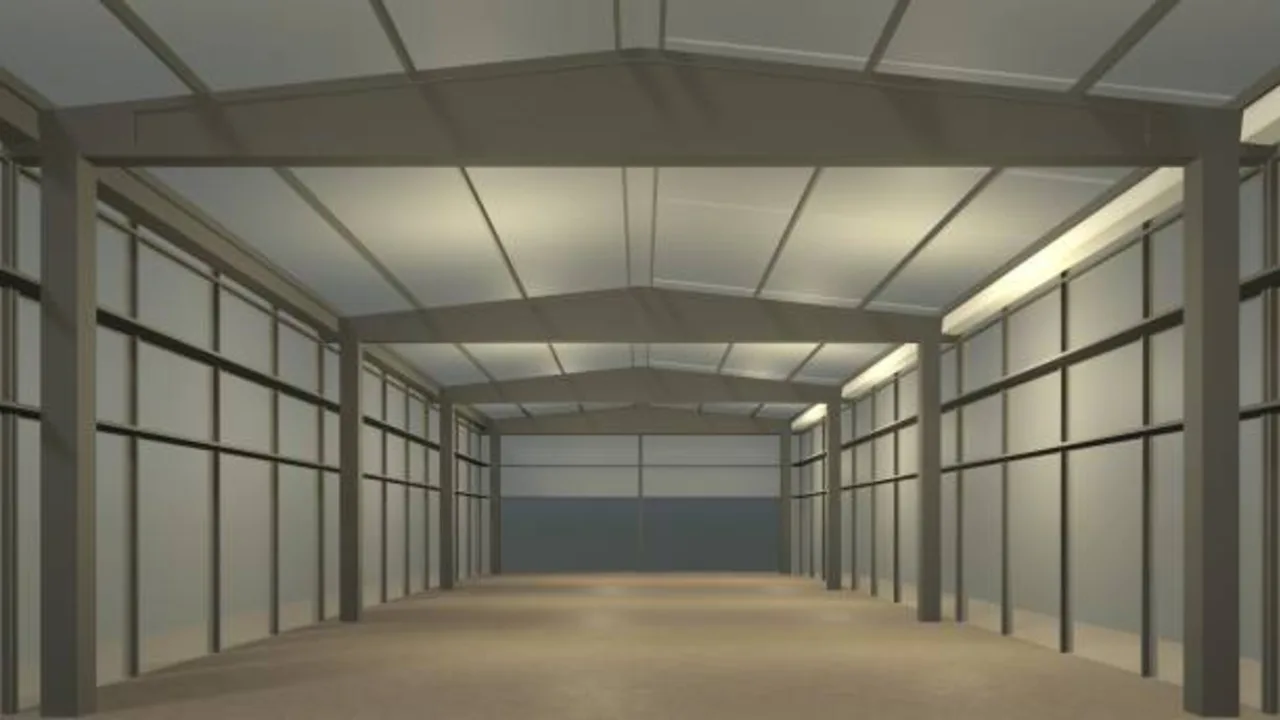
Among all technical constraints, span limits are often the most influential. Span refers to the clear distance between columns or primary supports. As spans increase, structural demands rise sharply.
Why Span Limits Matter
- Longer spans increase bending moments and deflection requirements
- Larger steel sections are required to maintain stiffness and safety
- Fabrication and transportation of oversized members becomes challenging
- Erection procedures become more complex and time-sensitive
In most large-scale prefabricated steel buildings, optimal spans typically fall within a defined range that balances performance and cost. When projects demand spans beyond these optimized ranges, customization is still possible — but it requires heavier steel, custom detailing, and longer lead times.
Modular Constraints in Prefabricated Steel Buildings
Another major factor influencing steel building customization limits is modular constraints. Prefabricated steel systems rely on standardized modules for frames, bays, purlins, and connections. This modular approach enables fast production and predictable installation.
Typical Modular Limitations
- Restricted bay spacing options to maintain structural efficiency
- Standardized roof slopes and building heights
- Uniform frame geometry across large building areas
- Connection details designed for repetition rather than uniqueness
When a project introduces frequent changes in geometry, irregular column grids, or multiple roof forms within one structure, the efficiency of modular systems decreases. At that point, the building shifts from a system-based solution toward a fully engineered steel structure.
Functional Customization vs Structural Customization
Not all customization has the same impact. Understanding the difference between functional and structural customization helps decision-makers avoid unnecessary cost escalation.
Areas with High Customization Flexibility
- External cladding and facade materials
- Door locations, wall openings, and loading bays
- Interior layouts, platforms, and mezzanines
- Localized reinforcements for equipment loads
These elements can often be customized without altering the primary load-bearing system.
Areas with Limited Flexibility
- Extremely long clear spans without intermediate columns
- Non-uniform structural grids
- Frequent changes in bay dimensions
- Complex or irregular roof geometries
These design choices directly affect load paths and structural stability, making them the most constrained aspects of steel building customization.
How Large-Scale Projects Navigate Customization Limits
Successful large-scale steel projects rarely pursue full customization across the entire structure. Instead, they apply a hybrid strategy — combining standardized primary frames with selectively customized zones.
For example, a manufacturing facility may use repetitive framing across most of the building while introducing custom structural solutions in crane bays, equipment platforms, or process-intensive areas. This approach preserves efficiency while addressing operational needs.
The Cost Impact of Pushing Beyond System Limits
Every step beyond optimized system parameters carries a measurable cost implication. Early awareness of these impacts is critical for budget control.
| Customization Factor | Cost Impact | Design Risk |
|---|---|---|
| Extended clear spans | High | Medium–High |
| Irregular structural grids | Medium | Medium |
| Unique frame geometry | High | High |
| Facade and opening changes | Low | Low |
When to Choose Fully Engineered Steel Structures
If project requirements consistently exceed the limits of prefabricated systems, a fully engineered steel structure may be the better solution. This approach extends design freedom but introduces longer design cycles, higher material consumption, and increased fabrication complexity.
Many large industrial projects today adopt a middle-ground strategy, leveraging prefabricated steel structure building systems while allowing controlled customization where it delivers the most value.
Industry Insight on Customization Strategy
Industry experience consistently shows that the most efficient steel buildings are those designed in alignment with system logic rather than in conflict with it. When architectural concepts are developed with an understanding of modular steel principles and structural behavior, the design process becomes more efficient, costs remain under control, and project outcomes stay aligned with operational needs. This approach enables targeted customization—providing flexibility where it adds real value while preserving fabrication efficiency and construction reliability.
Conclusion: Using Customization Strategically
Steel building customization limits are not obstacles — they are design parameters that ensure safety, constructability, and long-term performance. Span limits and modular constraints exist to protect project efficiency while maintaining structural reliability.
For large-scale steel building projects, the most successful outcomes come from strategic customization — applying flexibility where it improves function and respecting system boundaries where efficiency matters most.
By understanding and working within these limits, developers and engineers can deliver steel buildings that are both highly functional and economically sound.