In modern construction projects, cost efficiency is rarely determined during fabrication or construction. Instead, it is largely established during the earliest stages of engineering design. The concept of steel building early design cost highlights how initial structural decisions influence the total financial outcome of a project long before steel components are manufactured or erected on site.
When engineers begin conceptual planning for a steel building structure, they are not simply determining shapes and dimensions. They are defining the framework that will govern material quantities, fabrication complexity, construction speed, and long-term operational performance. Small adjustments during the early engineering phase can significantly affect structural weight, connection complexity, and installation efficiency.
Many project owners assume that cost control happens primarily during procurement or construction. In reality, the majority of cost parameters are fixed during early engineering. Decisions such as span configuration, column grid spacing, steel member profiles, and connection strategies all influence the overall structural system. When these elements are optimized early, the project benefits from improved material efficiency and reduced fabrication challenges.
This is where engineering optimization becomes essential. Early design optimization ensures that the structural system performs efficiently without unnecessary material consumption. By evaluating structural load paths, member sizing, and fabrication practicality from the beginning, engineers can create steel buildings that achieve both safety and cost efficiency.
Understanding how early decisions influence steel building early design cost helps project stakeholders make more informed choices. It also highlights the importance of experienced structural engineering teams who can anticipate cost implications during the conceptual stage of design.
Why Early Design Determines Steel Building Project Economics
The principle behind steel building early design cost is simple: most of the financial outcome of a steel structure project is determined before the first piece of steel is fabricated. During the conceptual engineering phase, designers define the building’s geometry, structural system, and load-bearing framework. These decisions dictate how much material will be used and how complex fabrication will become.
In many industrial projects, studies show that up to 70–80% of the final structural cost is influenced by early engineering decisions. Once fabrication drawings are produced, the ability to significantly change costs becomes limited. At that stage, adjustments often lead to delays, redesign work, or additional engineering expenses.
For example, an inefficient column grid layout can increase beam sizes across the entire structure. Similarly, poor span planning can require heavier structural members than necessary. These design choices may seem minor during planning but have a cascading impact on material usage and fabrication complexity.
Early optimization focuses on balancing structural performance with material efficiency. Engineers analyze load distribution, structural redundancy, and member strength requirements to ensure that the building can support its intended loads without excessive overdesign.
In addition, early design coordination improves communication between structural engineers, architects, and fabrication teams. When structural elements are aligned with fabrication capabilities from the start, the resulting design becomes easier and faster to manufacture.
Structural System Selection and Its Cost Impact
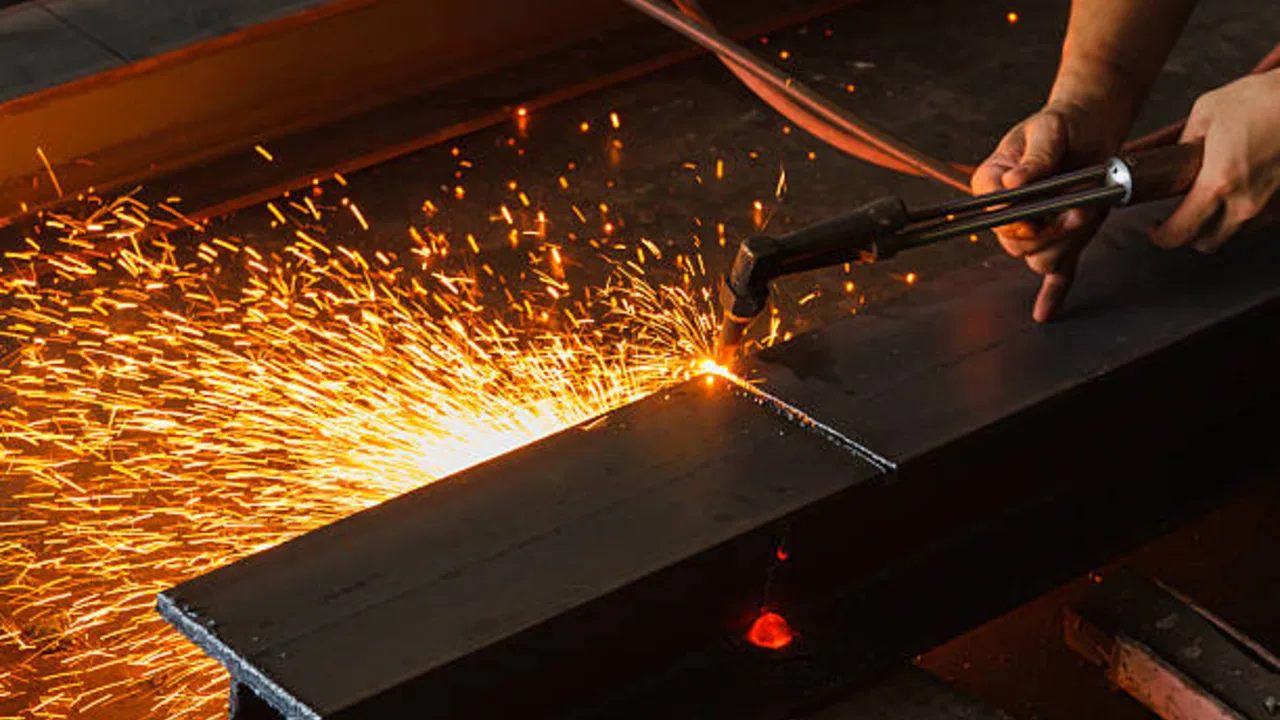
One of the most influential decisions affecting steel building early design cost is the choice of structural system. Different steel building systems distribute loads in different ways, which directly impacts material weight and fabrication complexity.
Common structural systems used in industrial steel buildings include portal rigid frames, truss structures, and hybrid structural systems. Each system offers advantages depending on building span, height, and operational requirements.
Portal rigid frame systems are widely used for warehouses and industrial buildings because they provide efficient load distribution across large spans. This system often minimizes the number of internal columns, improving interior space utilization while maintaining structural efficiency.
Truss systems are another common solution for long-span buildings. Trusses allow forces to be distributed through triangular configurations, reducing bending stress on individual members. However, truss systems may increase fabrication complexity due to the number of connections and welded joints involved.
Hybrid structural systems combine rigid frames with trusses or secondary support systems to achieve optimized performance. Engineers often use hybrid systems when buildings require both long spans and heavy load capacity.
Selecting the correct structural system early allows engineers to optimize the building’s overall structural weight. If the wrong system is chosen, the structure may require heavier members or additional reinforcement later in the project.
Structural system selection therefore becomes a central factor in managing steel building early design cost. When the system aligns with the building’s structural demands and operational requirements, it creates a more efficient and economical structure.
Span Planning and Column Grid Optimization
Structural span planning is another critical factor influencing steel building early design cost. Span length determines the size of beams, rafters, and columns required to support structural loads.
Structural Span Efficiency
Longer spans provide larger open interior spaces and reduce the number of columns inside the building. This configuration is often desirable for warehouses, manufacturing plants, and logistics facilities where equipment movement requires unobstructed floor areas.
However, longer spans also increase bending moments in structural members. To resist these forces, beams and rafters must be larger and stronger, which increases structural weight.
Shorter spans, on the other hand, reduce the size of individual structural members but require more columns and foundations. This increases foundation costs and may limit interior layout flexibility.
Achieving the optimal span length requires engineering optimization. Structural engineers analyze load distribution and operational requirements to determine the span configuration that minimizes overall material consumption while maintaining performance.
Column Grid Layout
Column grid layout is closely related to span planning. A well-designed grid system improves structural efficiency and simplifies fabrication. Standardized grid spacing allows engineers to repeat structural components throughout the building, reducing design complexity and manufacturing variability.
Grid optimization also improves erection efficiency. When structural elements follow consistent spacing and dimensions, installation becomes faster and more predictable.
Poor grid planning can lead to irregular member sizes and complicated connections. These inefficiencies increase fabrication time and raise project costs.
By carefully planning span lengths and column spacing during early engineering, designers can significantly reduce steel building early design cost while improving construction efficiency.
Material Selection and Structural Weight Optimization
Material selection is another factor that strongly influences steel building early design cost. Steel grade, member profiles, and section types all affect the total weight and cost of the structure.
Steel Grade Selection
Different steel grades offer different yield strengths and mechanical properties. Higher-strength steel allows structural members to carry greater loads with smaller cross-sections. In some cases, this can reduce the overall weight of the structure.
However, high-strength steel may also be more expensive or harder to source depending on regional supply chains. Engineers must evaluate whether using higher-grade steel actually reduces total cost or simply shifts expenses toward material procurement.
Selecting the appropriate steel grade requires balancing structural performance with cost efficiency.
Section Profile Optimization
The choice between built-up sections and rolled sections also affects fabrication cost. Built-up sections allow engineers to customize member dimensions for specific load requirements. This flexibility can improve structural optimization and reduce unnecessary material usage.
Rolled sections, on the other hand, are manufactured in standard sizes and are often faster to produce. When the required structural capacity fits within available rolled profiles, fabrication becomes simpler and more economical.
Through careful optimization of steel grades and member profiles, engineers can reduce structural weight while maintaining safety and performance. This approach plays a key role in controlling steel building early design cost during the initial engineering phase.
In the next section, we will explore how connection design strategies, fabrication considerations, and construction workflow planning further influence steel building early design cost in large industrial steel structures.
Connection Design Decisions in Early Engineering
Connection design is often overlooked during early engineering, yet it plays a crucial role in determining steel building early design cost. Structural members may represent the most visible part of a steel building, but the connections between those members frequently determine fabrication complexity and erection efficiency.
When engineers design a steel building structure, they must determine how beams, columns, and braces will transfer forces through the building frame. These connections can be bolted, welded, or a combination of both. Each method carries different implications for manufacturing cost and construction speed.
Bolted connections are typically easier to assemble on site. They reduce welding requirements during erection and allow faster installation. However, bolted joints require accurate fabrication and precise hole alignment. Poor planning can lead to difficult field adjustments that increase construction time.
Welded connections provide strong and continuous force transfer but may require more intensive fabrication processes. Welding thicker plates or complex joint configurations can increase fabrication labor and quality inspection requirements.
Early engineering optimization aims to simplify connection design wherever possible. Standardizing connection details across the structure allows fabrication workshops to repeat processes efficiently. It also reduces the number of unique components required during installation.
By considering connection strategies early in the design process, engineers can minimize fabrication complexity and improve construction efficiency. This directly contributes to better control of steel building early design cost.
Foundation Coordination and Structural Load Transfer
Another critical factor influencing steel building early design cost is the coordination between structural steel design and foundation engineering. The steel frame and foundation system work together to transfer loads safely to the ground.
Early Structural Load Estimation
Accurate load estimation during early engineering is essential. Structural engineers must calculate dead loads, live loads, wind forces, and seismic effects to determine how forces move through the building.
If early load assumptions are inaccurate, foundation design may become oversized or inefficient. Larger foundations increase concrete volume, reinforcement requirements, and excavation costs.
Optimizing structural load paths during early engineering allows the building to distribute forces more efficiently. This reduces both steel weight and foundation size.
Column Base Design Strategy
Column base connections serve as the interface between steel columns and concrete foundations. The design of base plates, anchor bolts, and bearing surfaces must accommodate structural forces while maintaining installation accuracy.
When engineers carefully coordinate column base design with foundation layout, the resulting structure becomes easier to construct and more cost-effective. Proper early planning prevents unnecessary increases in steel building early design cost.
Fabrication Considerations During Early Design
Fabrication efficiency is heavily influenced by decisions made during early engineering. Even well-designed structures can become expensive if fabrication requirements are overly complex.
Structural engineers must consider how steel components will be manufactured. Member length, plate thickness, and connection geometry all affect workshop production processes.
For example, extremely large or irregular members may require specialized cutting equipment or welding procedures. These requirements can slow fabrication and increase production costs.
Optimization during early engineering helps align structural design with fabrication capabilities. Standardized components allow manufacturers to streamline production workflows, reducing labor hours and material waste.
Engineers also consider transportation constraints during early design. Structural members must fit within shipping limitations and be manageable during site handling. Oversized components may require special transportation permits or additional logistics planning.
By integrating fabrication considerations into early design, project teams ensure that the steel building structure can be manufactured efficiently and economically.
Construction Workflow and Erection Efficiency
The construction phase is where structural design decisions become physically realized. However, the efficiency of installation depends largely on early engineering choices.
Installation Sequence Planning
Erection sequence planning begins long before steel arrives at the job site. Engineers and construction teams analyze how the structure will be assembled step by step.
Modular design approaches can significantly improve erection speed. When structural components follow predictable patterns, installation crews can assemble the building faster and with fewer adjustments.
Early design optimization ensures that structural members align correctly during erection. Proper sequencing reduces the need for temporary supports and simplifies crane operations.
Site Logistics Planning
Site conditions also influence steel building early design cost. Crane capacity, delivery access, and staging areas must all be considered when designing structural components.
Large members may require heavier lifting equipment, while complex assemblies may require additional temporary supports. By designing structures that accommodate practical construction logistics, engineers can reduce both time and cost during erection.
Construction efficiency is therefore directly linked to early design planning.
Lifecycle Cost vs Initial Construction Cost
While many project owners focus on minimizing initial construction expenses, long-term performance should also influence early engineering decisions. The concept of lifecycle cost considers maintenance, durability, and operational efficiency over the building’s lifespan.
Structural optimization during early design can improve long-term performance. For example, selecting appropriate corrosion protection systems or designing accessible maintenance areas can reduce future repair costs.
Energy efficiency can also be influenced by structural configuration. Roof slope design, insulation integration, and structural spacing all affect building envelope performance.
Considering lifecycle performance alongside construction cost leads to more sustainable steel building structures.
Project Example: Early Design Optimization in the Wugong Mountain Ski Resort Steel Truss Structure
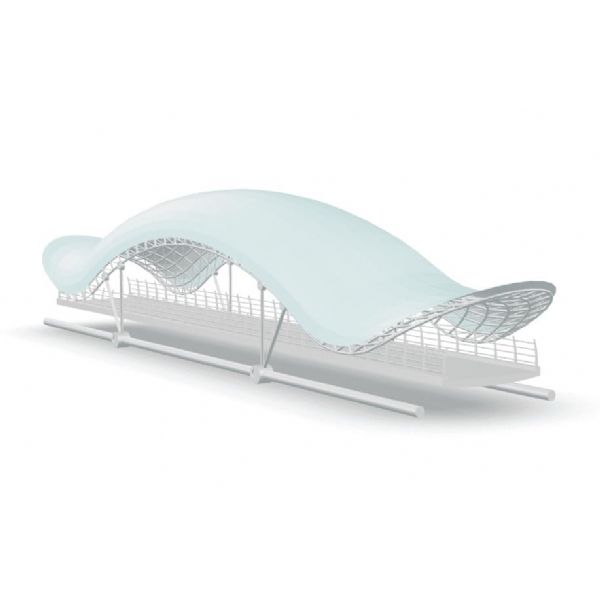
A practical example of how early engineering decisions influence steel building early design cost can be seen in the Wugong Mountain Ski Resort Steel Truss Structure project completed by XTD Steel Structure. Located in Jiangxi, China, this project required a large-span structural solution capable of supporting complex architectural forms while maintaining strict safety and cost requirements.
During the early engineering phase, the design team evaluated several structural options before finalizing a spatial steel truss system. The resort building required wide interior spaces to accommodate tourism facilities and high visitor traffic, meaning that minimizing interior columns was a key architectural requirement. However, large spans can significantly increase structural weight if not carefully optimized.
To control the steel building early design cost, engineers performed structural modeling and load path analysis before finalizing the truss configuration. By optimizing the geometry of the truss members and adjusting the spacing of the primary support points, the team was able to balance structural performance with material efficiency. This optimization process reduced unnecessary steel consumption while maintaining the required strength and stiffness.
Another critical early decision involved connection design and fabrication strategy. Because the project used a complex steel truss structure, engineers standardized node connections wherever possible. Standardized connections allowed fabrication workshops to produce components more efficiently and ensured faster installation on site.
Transportation and erection logistics were also considered during the conceptual design stage. The engineering team divided the large truss system into transportable modules, allowing the components to be fabricated in the factory and assembled efficiently on site. This modular strategy improved installation safety while reducing construction time.
By integrating structural analysis, fabrication planning, and installation logistics during the early engineering stage, the project team successfully controlled steel consumption and construction complexity. The Wugong Mountain Ski Resort structure demonstrates how thoughtful early design decisions and engineering optimization can significantly influence steel building early design cost in large and architecturally complex steel structures.
Common Early Design Mistakes That Increase Steel Building Cost
Several common mistakes during early engineering can increase steel building early design cost unnecessarily.
One frequent issue is structural overdesign. When engineers apply overly conservative assumptions without detailed analysis, structural members become heavier than necessary.
Another problem is poor coordination between engineering and fabrication teams. Designs that ignore fabrication limitations often require costly adjustments later.
Irregular column grids or inconsistent member sizes also increase manufacturing complexity. These design choices prevent standardization and slow down production.
Finally, insufficient consideration of construction logistics can lead to installation challenges on site. When cranes, transportation, and sequencing are not considered early, project schedules and budgets are affected.
Avoiding these mistakes requires collaboration between structural engineers, fabricators, and construction teams from the beginning of the project.
Best Practices for Controlling Steel Building Cost During Early Design
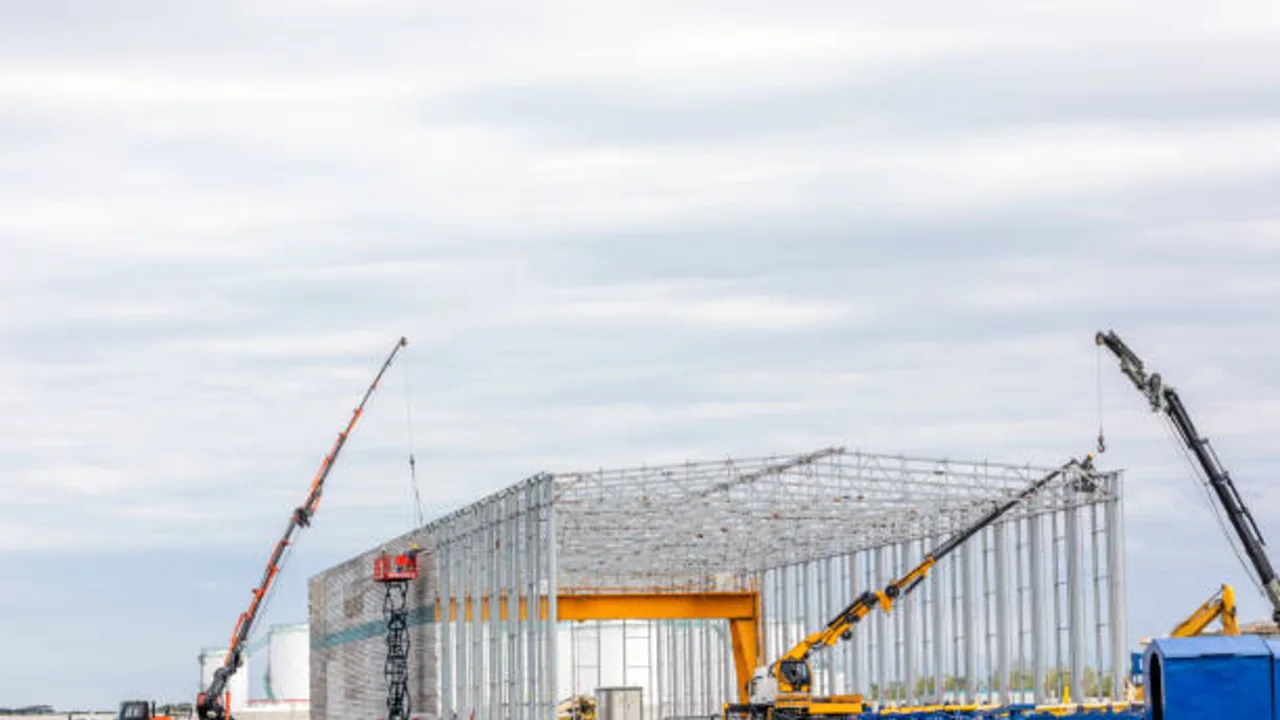
Successful steel building projects rely on strong integration between engineering design and cost planning.
One effective strategy is to perform structural optimization studies during conceptual design. By comparing different structural systems, span configurations, and material choices, engineers can identify the most efficient solution.
Using advanced structural modeling software also helps engineers predict load behavior more accurately. These tools allow design teams to refine member sizing and reduce unnecessary material usage.
Close collaboration between architects, structural engineers, and fabricators is equally important. When design decisions consider fabrication and construction realities, the resulting structure becomes more economical.
Experienced engineering teams understand how to balance safety, efficiency, and cost in steel building structure projects.
Why Early Engineering Decisions Matter Most
The overall cost efficiency of a steel building is determined long before construction begins. Early engineering decisions define structural weight, fabrication complexity, installation efficiency, and long-term performance.
The concept of steel building early design cost emphasizes the importance of careful planning during conceptual design. Through engineering optimization, project teams can reduce material consumption, simplify fabrication, and accelerate construction schedules.
For owners, developers, and contractors, understanding this principle helps ensure that structural decisions support both performance and budget objectives.
When early engineering is handled by experienced professionals, steel building projects achieve higher levels of efficiency, reliability, and long-term value.