When planning an industrial or commercial facility, decision-makers often focus on upfront construction costs. However, the true financial impact of a building is determined over decades of use. This is where steel building lifecycle cost analysis becomes critical. By evaluating not only initial investment but also maintenance cost, operational efficiency, and service life, stakeholders can make smarter long-term decisions between steel and concrete structures.
What Is Steel Building Lifecycle Cost?
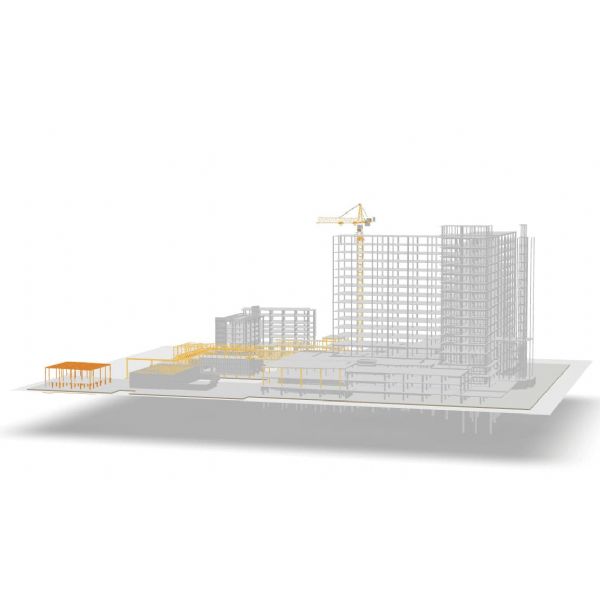
Steel building lifecycle cost refers to the total cost incurred over the entire lifespan of a steel building — from design and construction to operation, maintenance, renovation, and eventual dismantling or recycling. Unlike traditional budgeting methods that emphasize initial construction expenses, lifecycle cost analysis provides a comprehensive financial picture.
This approach typically includes:
- Initial design and construction cost
- Maintenance cost over time
- Operational and energy efficiency costs
- Repair, retrofit, and expansion expenses
- End-of-life demolition or recycling value
Initial Construction Cost: Steel vs Concrete
At first glance, concrete buildings may appear cost-effective due to familiar construction methods and local material availability. However, steel buildings often offset higher material costs through efficiency and speed.
| Cost Factor | Steel Buildings | Concrete Buildings |
|---|---|---|
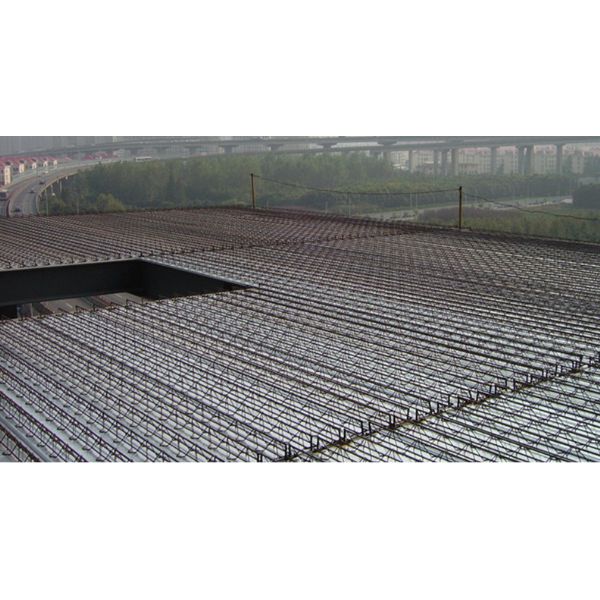
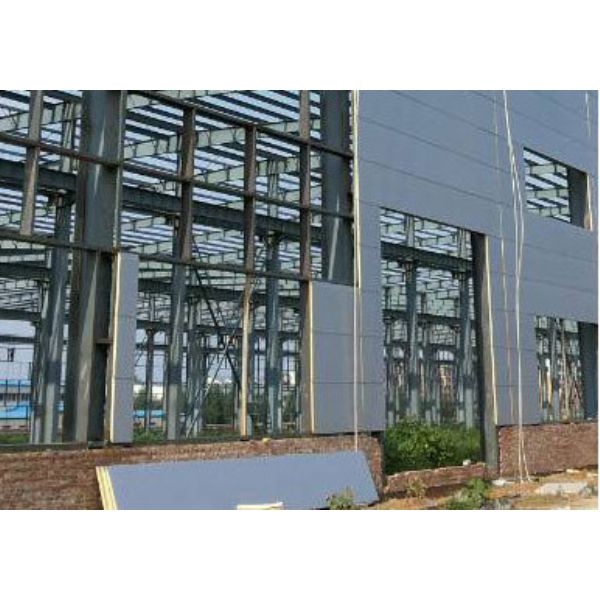
| Construction Time | Shorter due to prefabrication | Longer due to curing and formwork |
| Labor Intensity | Lower on-site labor demand | High labor and supervision required |
| Design Flexibility | Highly modular and customizable | Limited once poured |
Faster project delivery with steel structures reduces indirect costs such as financing, site overhead, and delayed operations — an important contributor to lower steel building lifecycle cost.
Maintenance Cost Over the Building’s Lifetime
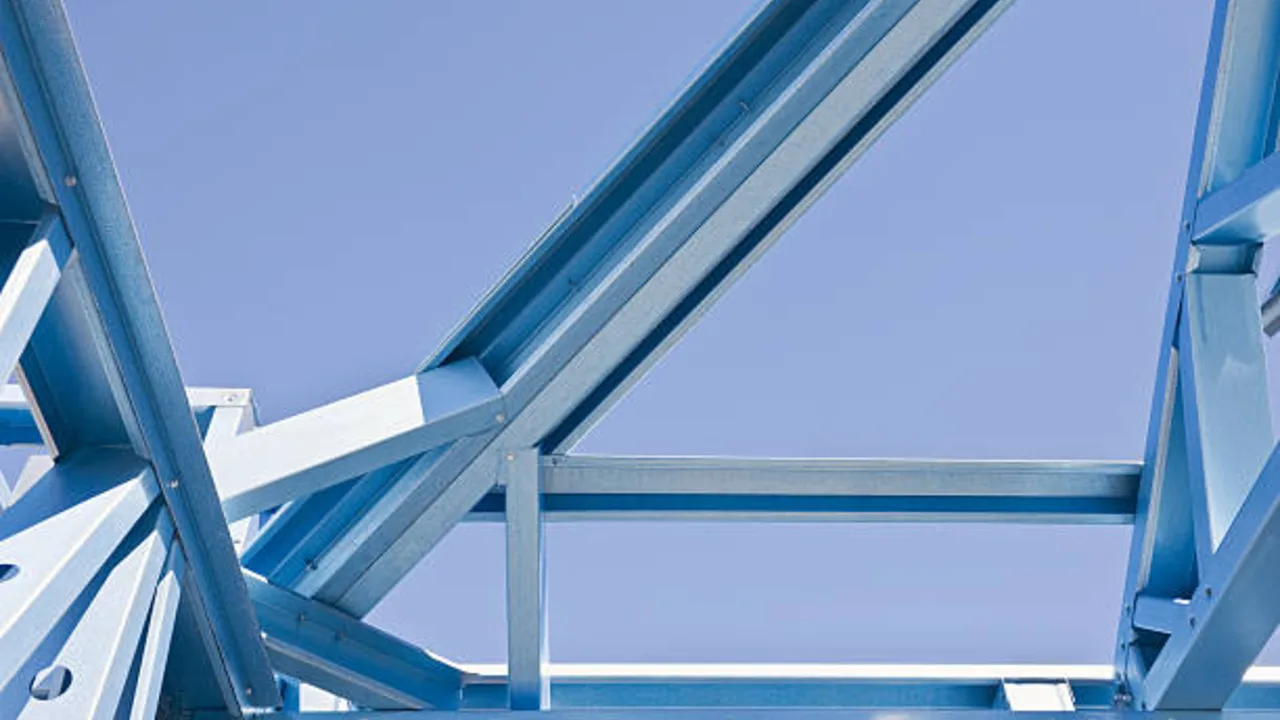
Maintenance cost is one of the most decisive factors in lifecycle analysis. Steel buildings benefit from predictable and manageable maintenance requirements when properly designed and protected.
Steel Building Maintenance
- Periodic inspection for corrosion or coating wear
- Simple replacement of bolted components
- Minimal structural repair when designed correctly
Concrete Building Maintenance
- Crack repair due to shrinkage and thermal stress
- Reinforcement corrosion leading to spalling
- Difficult and costly structural retrofitting
Over a 30–50 year service period, concrete structures often incur higher cumulative maintenance cost due to hidden deterioration that is expensive to access and repair.
Service Life and Structural Performance
The service life of a building depends on material behavior, environmental exposure, and adaptability to changing use. Steel structures are engineered for durability and long-term performance.
Modern steel buildings can achieve a service life of 50 years or more with routine maintenance. More importantly, steel structures are easier to reinforce, modify, or expand — extending their useful life without major reconstruction.
Concrete buildings, while strong in compression, are more susceptible to irreversible damage from moisture ingress, freeze-thaw cycles, and reinforcement corrosion, which can significantly shorten functional service life.
Operational Efficiency and Adaptability
Operational efficiency plays a major role in steel building lifecycle cost. Steel structures provide large column-free spans, allowing flexible layouts for production lines, storage systems, or equipment upgrades.
This flexibility reduces future renovation costs and supports business growth without structural limitations. In contrast, concrete buildings often require demolition or heavy structural intervention to adapt to new operational needs.
End-of-Life Value and Sustainability
One frequently overlooked factor in lifecycle analysis is end-of-life value. Steel is one of the most recyclable construction materials in the world.
- Steel components retain resale or scrap value
- Dismantling is faster and cleaner
- Minimal waste compared to concrete demolition
Concrete structures typically generate significant demolition waste with little residual value, increasing disposal costs and environmental impact.
Real-World Cost Comparison: Long-Term Perspective
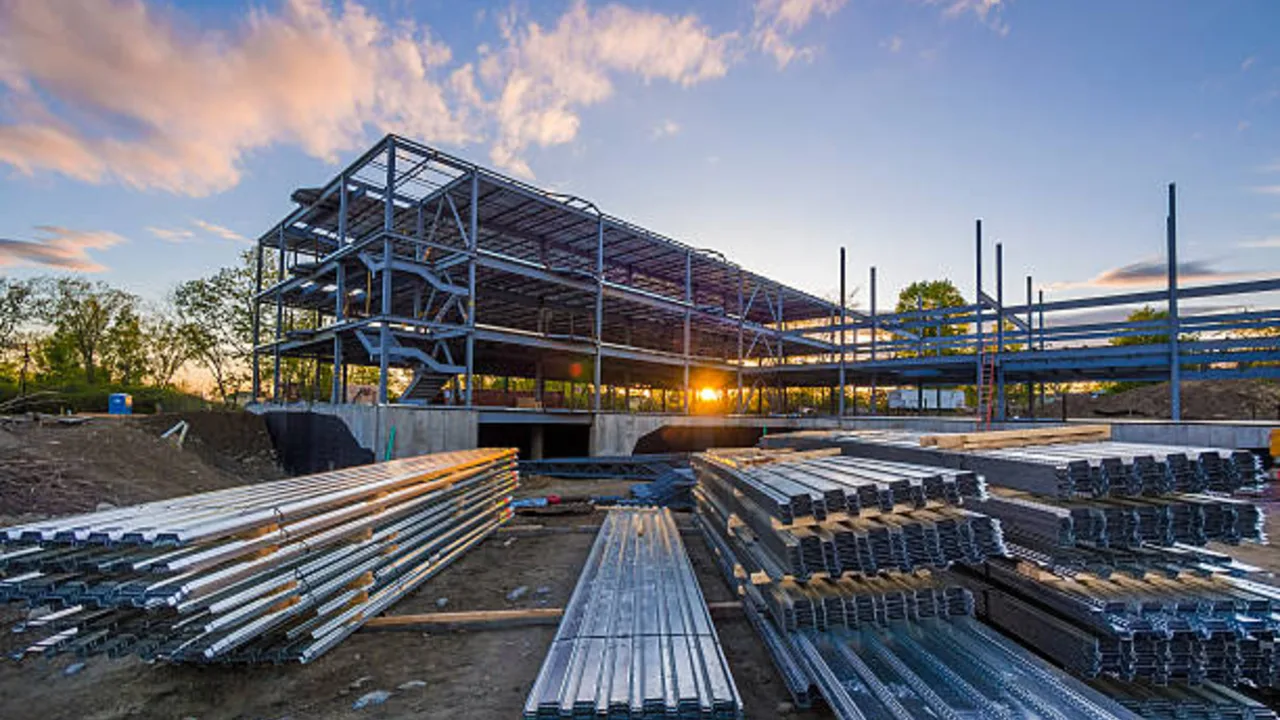
Industry data consistently shows that while steel buildings may have comparable or slightly higher initial costs, their total ownership cost is lower over time. According to industry analysis, steel building projects achieve cost efficiency without compromising quality when lifecycle factors are considered (source).
This reinforces why developers increasingly favor steel for industrial, logistics, and commercial applications.
Why Steel Buildings Deliver Better Lifecycle Value
When evaluated holistically, steel buildings outperform concrete structures across multiple lifecycle dimensions:
- Reduced construction time and indirect costs
- Lower long-term maintenance cost
- Longer and more adaptable service life
- Higher end-of-life recovery value
For businesses seeking scalable, durable, and cost-efficient solutions, investing in a well-engineered steel building structure provides measurable financial advantages over decades of use.
Conclusion: Making Smarter Long-Term Building Decisions
Choosing between steel and concrete should never be based on upfront cost alone. A proper steel building lifecycle cost analysis reveals that steel buildings offer superior long-term value through lower maintenance cost, extended service life, and unmatched adaptability.
For industrial operators, developers, and investors focused on sustainable growth and financial efficiency, steel buildings represent not just a construction choice — but a strategic investment in the future.