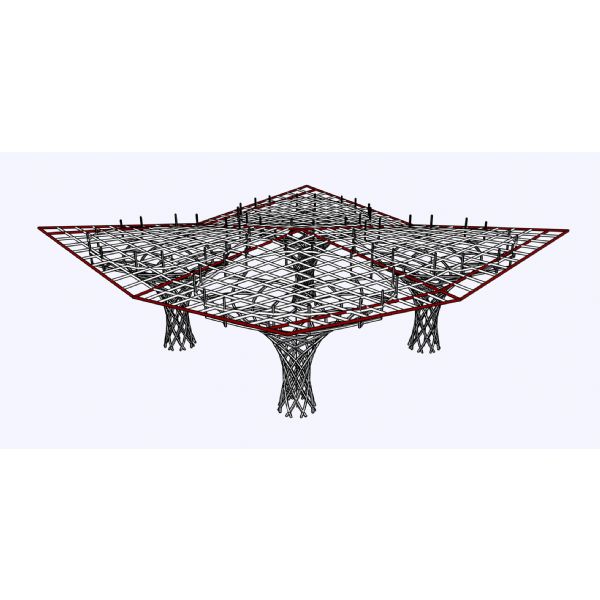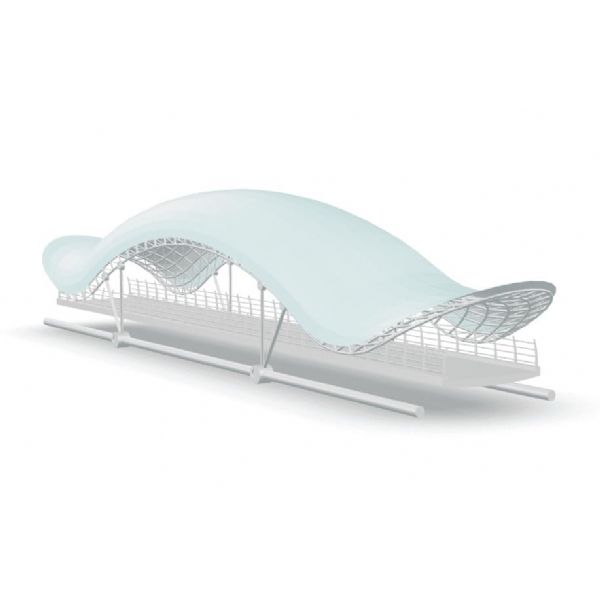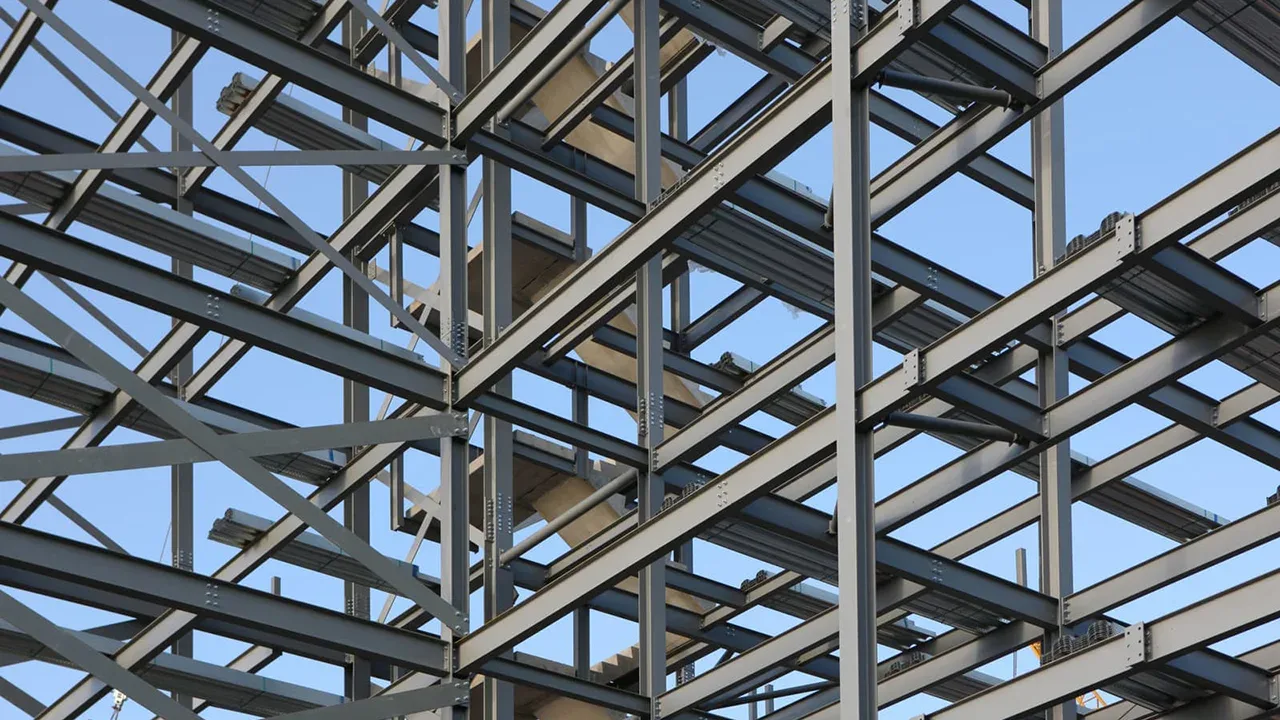
Designing a multi-purpose steel building is not just about choosing the right steel grade or structural system. One of the most critical aspects that determines safety, durability, and long-term performance is how structural loads are calculated and managed. Proper steel building load considerations ensure that a structure can safely support its intended use while adapting to environmental forces and operational demands.
From industrial facilities and warehouses to commercial and mixed-use buildings, steel structures are exposed to a combination of permanent and variable forces. Understanding how these loads interact is essential for engineers, developers, and decision-makers involved in modern steel construction.
Understanding Steel Building Load Considerations
At its core, steel building load considerations involve evaluating all forces that act on a structure throughout its entire service life—from initial construction and daily operation to future expansion or change of use. These forces directly influence critical engineering decisions such as structural member sizing, connection detailing, foundation design, vibration control, and overall structural stability.
Unlike architectural elements that focus on appearance, load considerations define how a steel building actually performs under real-world conditions. Beams, columns, bracing systems, and connections must be designed not only to carry weight but also to resist movement, deformation, and fatigue caused by continuous loading and environmental forces.
In multi-purpose steel buildings, load planning becomes significantly more complex. These structures are often designed to support changing functions over time, such as transitioning from warehouse storage to manufacturing, assembly lines, or even mixed-use industrial facilities. Each function introduces different load profiles, ranging from concentrated machine loads to distributed storage loads and dynamic operational forces.
For example, a warehouse designed primarily for pallet storage may later accommodate automated conveyor systems, heavy processing equipment, or overhead cranes. Public or staff occupancy may also increase, introducing higher live load requirements and stricter safety considerations. Without proper steel building load considerations during the design stage, such changes can lead to costly structural reinforcements or operational limitations.
Accurate load forecasting allows engineers to anticipate future demands rather than designing only for current needs. This forward-thinking approach improves structural adaptability, reduces long-term modification costs, and ensures that the steel building remains safe, efficient, and compliant with design standards throughout its lifecycle.
In essence, steel building load considerations are not just a technical requirement—they are a strategic foundation that determines how well a steel structure can evolve alongside business operations, technological upgrades, and changing usage demands.
Dead Load: The Permanent Weight of the Structure
Dead load refers to the constant weight of the building itself. This includes steel beams, columns, floor decking, roofing systems, cladding, and fixed installations such as mechanical systems.
Steel structures offer an advantage here because steel has a high strength-to-weight ratio. Compared to concrete, steel reduces dead load while maintaining structural capacity. However, dead load must still be carefully calculated, especially in multi-level steel buildings where cumulative weight affects lower columns and foundations.
Live Load: Adapting to Functional Use
Live load represents variable forces caused by occupants, equipment, stored goods, vehicles, or movable machinery. In multi-purpose steel buildings, live load values often exceed those of single-use structures.
For example, an industrial steel building may need to support:
- Heavy production machinery
- Overhead cranes and lifting equipment
- High-density storage racks
- Personnel movement and maintenance access
Proper steel building load considerations require engineers to anticipate both current and future live load scenarios. Designing only for minimum code requirements can limit operational flexibility and increase retrofit costs later.
Wind Load: Lateral Forces and Structural Stability
Wind load is a critical factor, especially for steel buildings with large spans, high clear heights, or lightweight cladding systems. Wind creates lateral pressure and suction forces that can affect walls, roofs, and structural frames.
In coastal or open-terrain regions, wind load can govern the entire structural design. Engineers must account for:
- Building height and shape
- Exposure category and surrounding terrain
- Internal pressure caused by openings
- Connection strength and bracing systems
Steel bracing, rigid frames, and moment-resisting connections are commonly used to control lateral displacement and ensure structural stability under wind action.
Seismic Load: Designing for Earthquake Resistance
Seismic load considerations are essential in earthquake-prone regions. Unlike static loads, seismic forces are dynamic and act in multiple directions, creating complex stress patterns in steel structures.
Steel performs exceptionally well in seismic conditions due to its ductility and energy-dissipation capacity. However, proper detailing is crucial. This includes:
- Ductile connection design
- Redundant load paths
- Controlled plastic deformation zones
- Base shear and drift limitations
In multi-purpose steel buildings, seismic design must consider changing mass distribution caused by varying occupancy or equipment loads over time.
Load Combinations and Safety Factors

Individual loads do not act independently. Structural codes require engineers to apply load combinations that simulate worst-case scenarios, such as maximum live load combined with wind or seismic forces.
These combinations ensure that steel members and connections maintain adequate safety margins under extreme conditions. Conservative steel building load considerations help prevent structural failure, excessive deflection, or long-term fatigue damage.
The Role of Structural Analysis and Modeling
Modern steel building design relies heavily on advanced structural analysis and modeling tools to ensure that structural systems perform safely and efficiently under real-world conditions. Instead of relying solely on conservative assumptions or manual calculations, engineers now use digital models to simulate how a steel building responds to various load scenarios throughout its lifecycle.
Structural analysis software allows engineers to apply different combinations of dead load, live load, wind load, and seismic forces to a virtual model of the building. This process helps predict internal forces such as bending moments, shear forces, axial loads, and deflections before any steel is fabricated or erected on site.
Through detailed modeling, engineers can make>Key Outcomes of Structural Modeling
Through structural analysis and modeling, engineers are able to:
- Optimize member sizes by matching steel section capacity precisely to load demand
- Identify critical stress zones where reinforcement, bracing, or stronger connections are required
- Improve material efficiency by avoiding overdesign and reducing unnecessary steel weight
- Reduce construction costs by minimizing fabrication waste and simplifying erection sequences
More importantly, modeling enables engineers to verify compliance with design codes while maintaining operational flexibility for multi-purpose steel buildings.
Example: Load-Based Structural Modeling Calculation
The table below illustrates how structural modeling supports steel building load considerations by comparing estimated loads with member capacity during the design phase.
| Structural Element | Applied Load Type | Calculated Load (kN) | Member Capacity (kN) | Utilization Ratio |
|---|---|---|---|---|
| Primary Beam | Dead + Live Load | 420 | 650 | 0.65 |
| Secondary Beam | Live Load | 180 | 300 | 0.60 |
| Column | Axial + Wind Load | 980 | 1,400 | 0.70 |
| Bracing System | Wind / Seismic Load | 260 | 420 | 0.62 |
| Floor Deck System | Distributed Live Load | 5.0 kN/m² | 7.5 kN/m² | 0.67 |
Utilization Ratio = Applied Load ÷ Member Capacity
A utilization ratio below 1.0 indicates that the steel member can safely resist the applied loads with an adequate safety margin. Structural modeling helps engineers fine-tune this ratio to balance safety and material efficiency.
Why Modeling Matters in Multi-Purpose Steel Buildings
In multi-purpose steel buildings, loading conditions are rarely static. Equipment upgrades, layout changes, or increased storage density can significantly alter load patterns. Structural modeling allows engineers to test these scenarios in advance, reducing uncertainty and preventing future structural limitations.
For example, engineers can simulate:
- Increased live loads from heavier machinery
- Additional floor levels or mezzanine platforms
- Changes in wind exposure due to building expansion
- Seismic performance under different mass distributions
By validating these scenarios through modeling, steel buildings can be designed with built-in adaptability rather than requiring costly structural retrofits later.
Balancing Safety, Performance, and Economy
Accurate structural analysis plays a critical role in balancing three key objectives in steel construction:
- Safety – ensuring adequate strength, stability, and serviceability under all load combinations
- Performance – controlling deflection, vibration, and long-term fatigue behavior
- Economy – minimizing steel tonnage while meeting all design and operational requirements
Without proper modeling, engineers may overdesign structural members to compensate for uncertainty, increasing material costs and construction weight. With advanced analysis, steel building load considerations become precise, predictable, and optimized for real-world use.
In complex steel buildings, structural analysis and modeling are not just design tools—they are essential decision-making systems that define how efficiently and reliably a steel structure will perform over decades of service.
Why Load Considerations Matter for Long-Term Performance
Ignoring or underestimating load requirements can lead to serious consequences, including excessive deflection, vibration issues, premature fatigue, or even structural failure. On the other hand, well-planned load design improves building adaptability and service life.
For companies involved in industrial and commercial steel construction, working with experienced professionals in building steel structure solutions ensures that load considerations are addressed from concept to execution.
Industry Reference and Best Practices
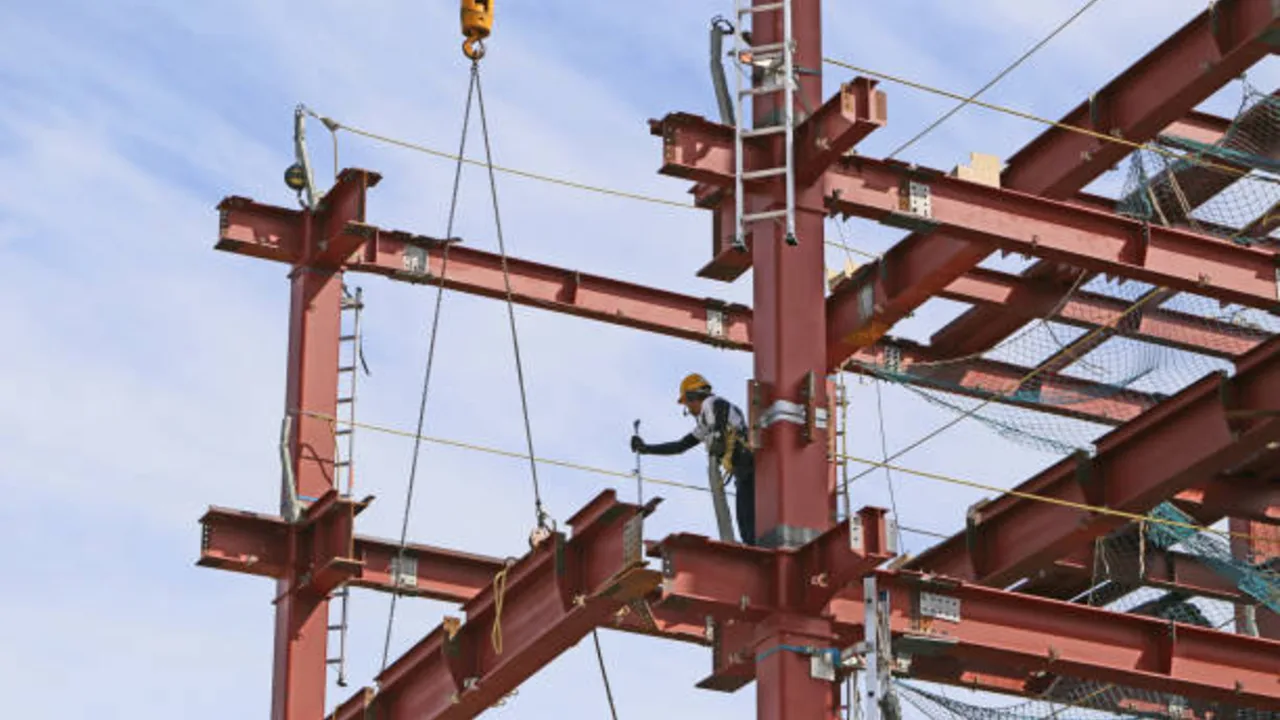
Industry resources such as Vissteel’s guide on understanding loads in steel buildings highlight the importance of comprehensive load assessment and code-compliant design. These references reinforce the need for careful evaluation of live load, wind load, and seismic forces in steel structures.
Conclusion
Structural load planning is the foundation of safe and efficient steel construction. In multi-purpose applications, steel building load considerations must account for permanent weights, variable usage, and environmental forces.
By integrating live load, wind load, and seismic design principles early in the planning process, steel buildings can achieve superior performance, flexibility, and long-term value. For modern industrial and commercial projects, proper load consideration is not optional—it is essential.