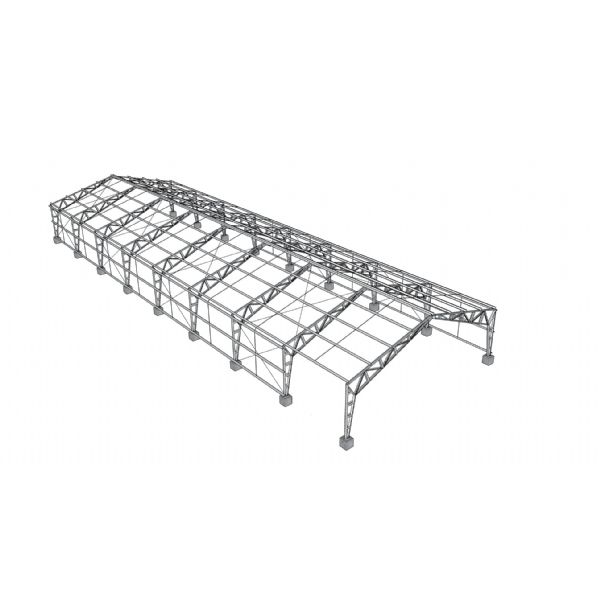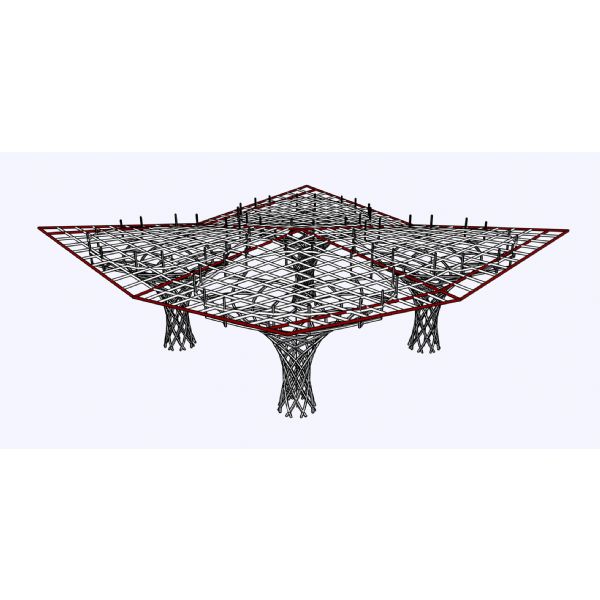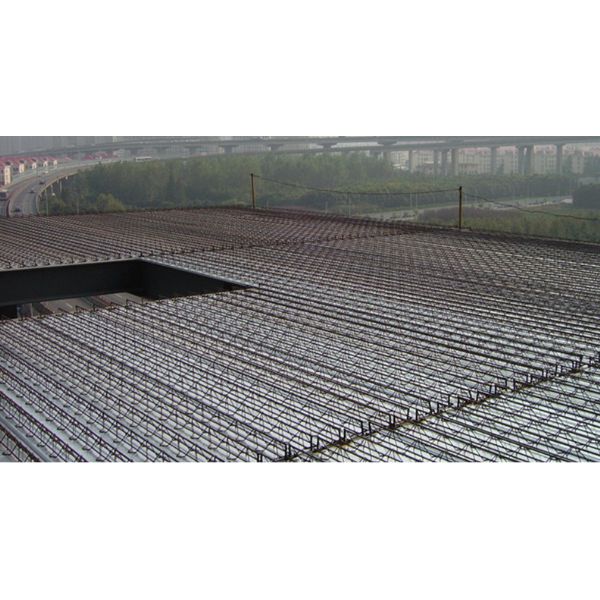
Steel structures are widely recognized for their durability, strength-to-weight ratio, and construction efficiency. However, long-term performance is not determined by design alone. Proper steel building maintenance planning plays a crucial role in ensuring that steel structures remain safe, reliable, and economically efficient throughout their lifecycle. Without a structured maintenance strategy, even the most well-engineered buildings may experience premature deterioration, operational disruptions, and higher long-term repair costs.
Industrial facilities, warehouses, logistics hubs, and commercial complexes built with steel frames operate under varying environmental conditions and structural loads. Over time, factors such as corrosion, vibration, thermal expansion, and mechanical stress can affect structural components. A well-defined steel building maintenance planning strategy allows owners and facility managers to detect early signs of structural degradation and implement corrective measures before they escalate into costly problems.
A critical part of any maintenance strategy is the implementation of a consistent inspection schedule. Regular inspections help track the condition of structural elements, monitor protective coatings, and identify issues such as connection loosening or localized corrosion. By integrating preventive inspections with facility operations, organizations can extend the service life of their steel structure building while maintaining operational continuity.
Why Steel Building Maintenance Planning Matters
Steel buildings are designed for decades of service, but long-term durability depends heavily on how structures are monitored and maintained. A systematic steel building maintenance planning approach ensures that structural components remain within safe performance limits and that any deterioration is addressed promptly.
Structural Safety and Risk Prevention
One of the primary objectives of steel building maintenance planning is to maintain structural safety. Over time, environmental exposure and operational loads may lead to localized damage, including corrosion at connection points, fatigue cracks near welded joints, or bolt loosening in high-vibration environments.
Regular inspections based on a defined inspection schedule allow engineers to identify these issues early. Early intervention prevents structural deficiencies from propagating into major failures that could compromise the entire building system.
Operational Continuity
For industrial facilities and logistics centers, operational continuity is critical. Structural failures or emergency repairs can interrupt production, delay supply chains, and cause significant financial losses. A proactive steel building maintenance planning program reduces these risks by integrating structural monitoring into facility operations.
By following a consistent inspection schedule, maintenance teams can plan repair activities during scheduled downtime rather than reacting to unexpected structural problems.
Key Components of Steel Building Maintenance Planning

A successful steel building maintenance planning program addresses multiple structural components. While steel structures are inherently strong and resilient, certain elements require periodic monitoring to ensure continued performance.
Structural Frame Inspection
The structural frame forms the backbone of any steel structure building. Columns, beams, and bracing members must be inspected periodically to verify that they remain properly aligned and free from deformation.
Maintenance personnel typically evaluate:
- Column verticality and settlement indicators
- Beam deflection under operational loads
- Bracing member tension and alignment
- Signs of localized deformation
These inspections are typically conducted according to an established inspection schedule, allowing engineers to compare structural performance over time.
Connection and Joint Monitoring
Connections are critical points in steel structures because they transfer loads between members. Bolted connections may loosen due to vibration or repeated load cycles, while welded joints may develop fatigue cracks under dynamic loading conditions.
During maintenance inspections, engineers evaluate:
- Bolt tightness and torque condition
- Weld integrity and potential crack formation
- Plate deformation at connection nodes
- Load transfer behavior at major joints
Integrating these checks into steel building maintenance planning ensures that load paths remain stable throughout the building’s service life.
Protective Coating and Corrosion Control
Although steel structures are strong, they remain vulnerable to corrosion when exposed to moisture, chemicals, or coastal environments. Protective coatings and galvanization systems are therefore essential components of structural durability.
Maintenance teams must periodically inspect coating conditions to detect:
- Paint degradation or peeling
- Surface rust formation
- Damage caused by mechanical impacts
- Areas where protective layers have thinned
When corrosion is detected early, corrective maintenance such as repainting or localized treatment can be performed before structural thickness is significantly affected.
Creating an Effective Inspection Schedule
A structured inspection schedule is one of the most important elements of steel building maintenance planning. Rather than relying on irregular inspections, modern facility management systems establish clear inspection intervals based on building usage and environmental exposure.
Routine Visual Inspections
Routine inspections are often conducted monthly or quarterly, depending on operational conditions. These inspections focus on identifying visible signs of structural issues, including corrosion, deformation, or connection irregularities.
During routine inspections, maintenance personnel typically review:
- Surface corrosion on exposed steel members
- Roof structure alignment
- Water leakage that may accelerate corrosion
- Condition of protective coatings
Because these inspections are relatively simple to perform, they serve as the first line of defense in a comprehensive steel building maintenance planning program.
Annual Structural Assessment
While routine inspections identify visible issues, a more detailed structural evaluation should be conducted annually. This evaluation often involves structural engineers who assess load-bearing components and verify that the building continues to meet design performance criteria.
An annual inspection schedule typically includes:
- Detailed examination of critical connections
- Measurement of structural deflection
- Verification of bolt tension and weld integrity
- Inspection of structural elements subjected to high loads
This deeper analysis allows engineers to detect early structural trends that may not be visible during routine inspections.
Post-Event Structural Inspection
Extreme events such as earthquakes, severe storms, or accidental impacts can introduce unexpected stress into a steel structure building. After such events, a targeted inspection schedule is essential to verify structural safety.
Engineers typically examine:
- Structural alignment changes
- Connection damage or bolt displacement
- Roof and bracing system deformation
- Potential structural instability
Post-event inspections ensure that the structure remains safe for continued operation before normal activities resume.
Maintenance Planning for Different Steel Building Types
Not all steel buildings experience identical operational conditions. Maintenance strategies must therefore be tailored to specific building functions.
Industrial Steel Buildings
Industrial facilities often contain heavy machinery, crane systems, and high dynamic loads. These conditions accelerate fatigue in structural connections and require more frequent monitoring.
A robust steel building maintenance planning strategy for industrial facilities typically includes shorter inspection intervals and additional structural monitoring in crane-supporting areas.
Warehouse and Logistics Buildings
Large-span warehouses present different maintenance challenges. The main concern is often roof system integrity and long-span beam performance. Over time, temperature variations and operational loads can affect structural alignment.
Routine inspection schedules help detect roof deflection, drainage issues, or coating deterioration that could affect long-term performance.
Multi-Story Steel Buildings
Multi-level steel structures require careful monitoring of vertical load distribution. As operational loads change over time, the structural behavior of lower columns and transfer beams must be evaluated periodically.
A comprehensive steel building maintenance planning program ensures that these structural changes are monitored and addressed before they affect building stability.
Corrosion Management Strategies
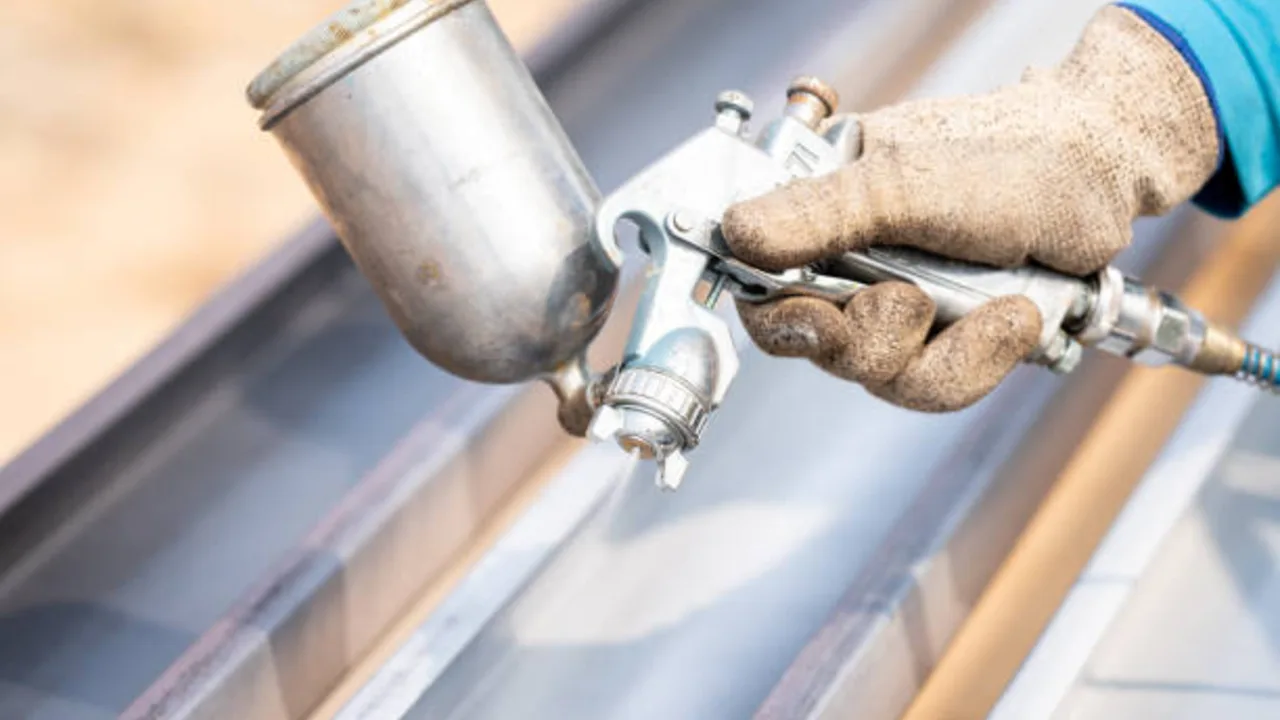
One of the most persistent threats to steel structures is corrosion. Environmental exposure, humidity, chemical pollutants, and temperature variation can gradually degrade structural surfaces if protective systems are not maintained properly. For this reason, corrosion management is a critical component of any steel building maintenance planning strategy.
Steel buildings located in coastal areas, chemical plants, or regions with high humidity are particularly vulnerable to corrosion-related deterioration. Without a preventive approach, corrosion may slowly reduce structural thickness, affecting the long-term inspection schedule and structural reliability.
Effective corrosion management focuses on both prevention and monitoring. Engineers must identify vulnerable areas where moisture accumulation, poor drainage, or coating damage may occur. By integrating corrosion checks into regular inspections, maintenance teams can maintain structural integrity while minimizing repair costs.
Protective Coating Maintenance
Most steel structures rely on protective paint systems or coatings to prevent direct exposure of steel surfaces to the environment. Over time, these coatings may deteriorate due to ultraviolet exposure, mechanical wear, or chemical reactions.
Maintenance teams should periodically evaluate coating conditions and plan repainting cycles based on environmental conditions and structural usage. Within a structured steel building maintenance planning framework, coating inspections are often integrated into the overall inspection schedule.
When localized coating damage is identified, maintenance personnel may apply spot treatments to restore protective layers. Addressing these issues early helps prevent corrosion from spreading to larger structural areas.
Galvanized Structure Monitoring
Galvanized steel components provide an additional layer of protection against corrosion. However, even galvanized surfaces require periodic inspection to ensure long-term durability.
During maintenance inspections, engineers typically assess:
- Condition of zinc coatings
- Signs of abrasion or coating loss
- Areas exposed to chemical contaminants
- Potential corrosion initiation points
Although galvanized systems significantly extend service life, integrating these inspections into steel building maintenance planning ensures that protective performance remains effective over decades.
Integrating Maintenance Planning with Facility Management
Modern industrial facilities increasingly integrate structural maintenance planning into broader facility management systems. This integration improves operational coordination and allows organizations to track structural performance over time.
Digital facility management tools can record inspection results, schedule future inspections, and store structural documentation. When used effectively, these systems strengthen steel building maintenance planning by ensuring that maintenance tasks follow a consistent inspection schedule.
Such systems also provide valuable historical data that engineers can use to evaluate long-term structural behavior.
Lifecycle Cost Optimization
Preventive maintenance significantly reduces the long-term cost of building ownership. Without a structured maintenance strategy, small structural issues may remain unnoticed until they require major repairs or structural reinforcement.
Through effective steel building maintenance planning, building owners can distribute maintenance expenses across predictable intervals rather than facing sudden large repair costs. Over the lifecycle of a steel structure building, this approach can lead to substantial cost savings.
Predictive Maintenance Approaches
Advances in monitoring technology have introduced predictive maintenance methods into structural management. Sensors and monitoring systems can track structural movement, vibration patterns, and load distribution in real time.
These technologies allow engineers to anticipate structural changes and adjust the inspection schedule accordingly. Predictive monitoring enhances the effectiveness of steel building maintenance planning by providing early warning signals before structural issues develop.
Real Project Case: Maintenance Strategy for the Anhui Feixi New Energy Vehicle Industrial Park
A practical demonstration of effective steel building maintenance planning can be seen in the Anhui Feixi New Energy Vehicle Intelligent Industrial Park, a large-scale industrial facility constructed using a complex space truss steel structure system. The project required long-span structural performance to support large manufacturing areas and accommodate advanced automotive production equipment.
The facility was designed with durability and long-term operational stability in mind. However, due to the complexity of the space truss roof system and the heavy operational environment of an automotive manufacturing plant, engineers established a structured inspection schedule shortly after the building entered operation.
Because space truss structures distribute loads across multiple interconnected members, routine monitoring of connection nodes and joint stability became a critical part of the maintenance strategy. Maintenance teams regularly inspect bolt connections, weld integrity, and potential deformation at critical truss intersections to ensure that the load paths remain stable throughout the structure.
Environmental exposure and operational vibration from manufacturing equipment can gradually influence structural components. As part of the maintenance plan, protective coating conditions are periodically evaluated to prevent corrosion in exposed structural elements. These inspections allow maintenance teams to identify localized coating damage early and perform targeted repairs before structural surfaces are affected.
In addition, engineers implemented a preventive inspection schedule for roof drainage areas and structural expansion zones. These areas can experience higher stress due to temperature variation and environmental conditions. Monitoring them ensures that structural movement remains within acceptable limits.
By combining routine inspections, structural monitoring, and preventive maintenance procedures, the facility continues to maintain reliable structural performance while supporting continuous industrial production. This project demonstrates how well-organized steel building maintenance planning can support long-term operational stability in large-scale steel industrial buildings.
For more details about the structural design and construction of this facility, see the project case study:
Anhui Feixi New Energy Vehicle Intelligent Industrial Park Space Truss Structure.
Common Mistakes in Steel Building Maintenance Planning
Despite the importance of maintenance planning, many building owners underestimate the need for systematic monitoring. Several common mistakes can reduce the effectiveness of maintenance programs.
One frequent issue is an inconsistent inspection schedule. When inspections are conducted irregularly, early structural problems may remain undetected until they become serious.
Another common mistake involves neglecting protective coatings. Even small areas of coating damage can allow moisture to penetrate steel surfaces, accelerating corrosion.
Lack of documentation is another challenge. Without proper records, engineers cannot track structural performance over time or identify emerging structural trends.
Long-Term Structural Performance and Lifecycle Planning
Steel buildings are typically designed for service lives of several decades. However, structural performance evolves over time as environmental conditions, operational loads, and usage patterns change.
Effective steel building maintenance planning must therefore adapt to the building’s age and operational history. Older structures may require more frequent inspections, while facilities exposed to aggressive environments may require additional corrosion protection measures.
A flexible inspection schedule allows facility managers to adjust maintenance strategies as structural conditions evolve.
Why Steel Building Maintenance Planning Is Critical for Structural Reliability
Maintaining structural reliability requires continuous monitoring and proactive maintenance. A structured steel building maintenance planning program ensures that structural components remain within safe operating conditions while minimizing the risk of unexpected failures.
For organizations operating large industrial or logistics facilities, working with experienced professionals in steel structure building design and management ensures that maintenance strategies align with engineering best practices.
Conclusion
Steel buildings offer exceptional durability and structural efficiency, but their long-term performance depends on consistent monitoring and preventive maintenance. By implementing a structured steel building maintenance planning strategy supported by a well-defined inspection schedule, building owners can extend structural lifespan while protecting operational reliability.
From corrosion management and connection monitoring to predictive maintenance technologies, modern maintenance strategies allow steel structures to perform safely for decades. With careful planning and regular inspections, steel buildings can continue delivering structural strength and economic value throughout their entire lifecycle.