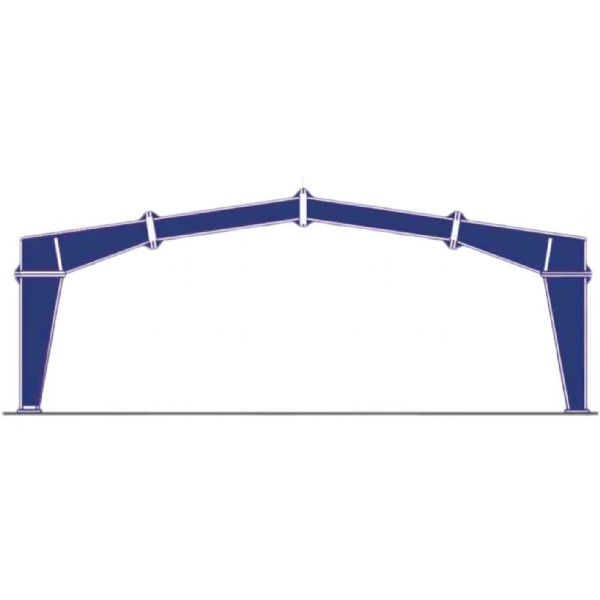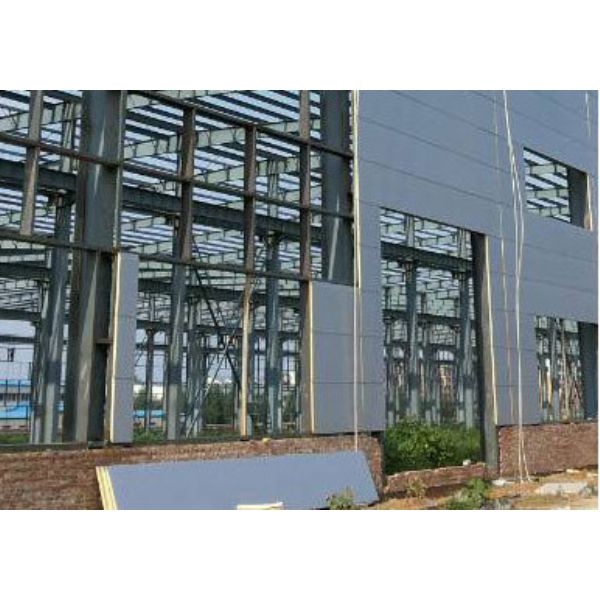
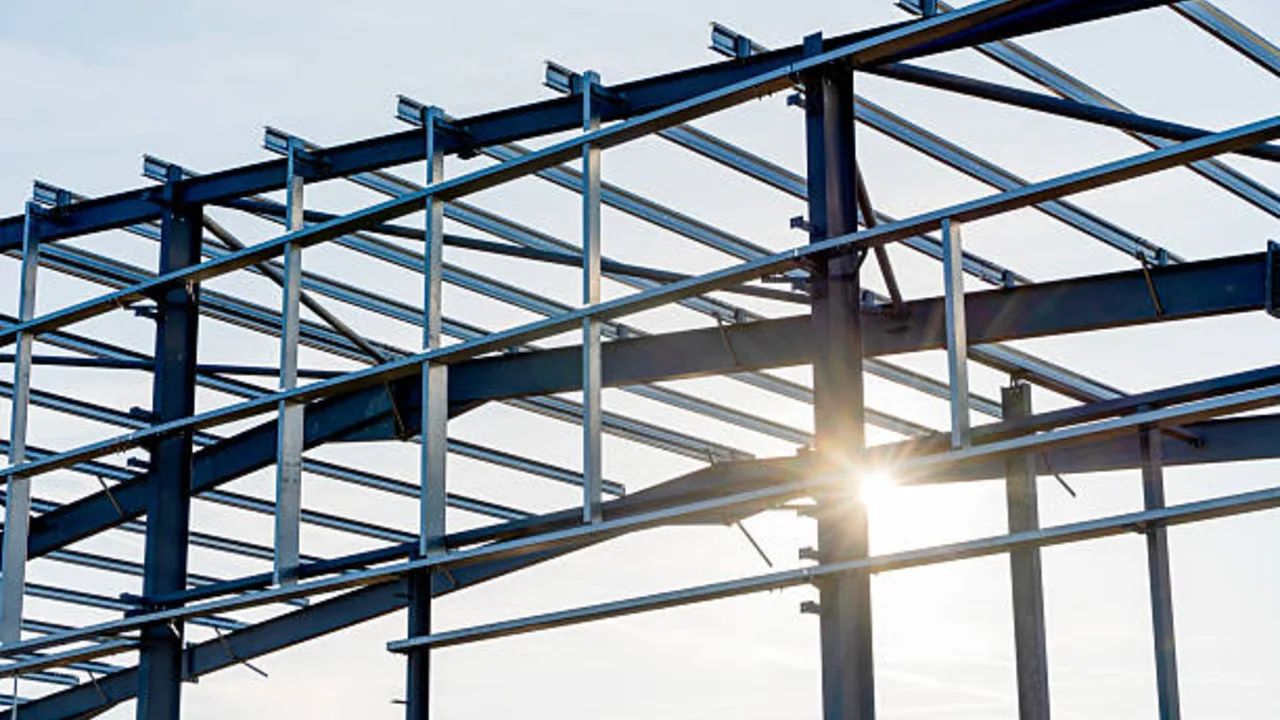
Structural safety is never accidental. In modern construction, reliability is achieved through engineering discipline, calibrated calculations, and carefully defined steel building safety factors. Every structural element in a steel frame — from primary columns to secondary bracing members — is designed with a deliberate design margin to account for uncertainties in loading,
Without properly defined steel building safety factors, even well-detailed structures may become vulnerable under extreme conditions. Industrial buildings, logistics centers, and commercial facilities experience varying load intensities over their lifespan. Wind storms, seismic forces, crane operations, and future equipment upgrades introduce unpredictable stress conditions. The inclusion of an appropriate design margin ensures that these structures remain stable even when real-world demands exceed nominal design assumptions.
Safety in steel structure buildings is therefore not a matter of oversizing components indiscriminately. It is about applying rational steel building safety factors that balance structural integrity, economic efficiency, and constructability. This article explores how safety margins are defined, implemented, and optimized in modern steel buildings.
Understanding Steel Building Safety Factors
What Are Steel Building Safety Factors?
Steel building safety factors represent calibrated multipliers applied during structural design to reduce the risk of failure. These factors address uncertainties related to load estimation, material strength, and structural behavior. Instead of designing a component exactly at its theoretical capacity, engineers incorporate a design margin to ensure that real-world variability does not compromise safety.
For example, if a beam is expected to resist a specific bending moment, the actual calculated resistance must exceed that demand after applying steel building safety factors. This approach prevents failure due to unexpected load amplification, fabrication deviation, or minor material inconsistencies.
In structural engineering practice, safety factors are embedded within design codes through load factors and resistance reduction factors. These calibrated values create a probabilistic buffer between expected performance and actual failure thresholds.
The Concept of Design Margin in Structural Systems
A design margin represents the difference between structural capacity and applied demand. In steel structure buildings, the design margin is intentionally built into calculations to ensure redundancy and resilience. Steel building safety factors directly influence this margin by increasing required capacity or reducing allowable stress.
Insufficient design margin can lead to brittle failure modes, excessive deflection, or progressive collapse under extreme loading. Conversely, excessive margin results in unnecessary material consumption and inflated project cost. The goal of engineering optimization is to apply steel building safety factors that create adequate protection without overdesign.
Why Safety Design Margins Matter in Steel Structure Buildings
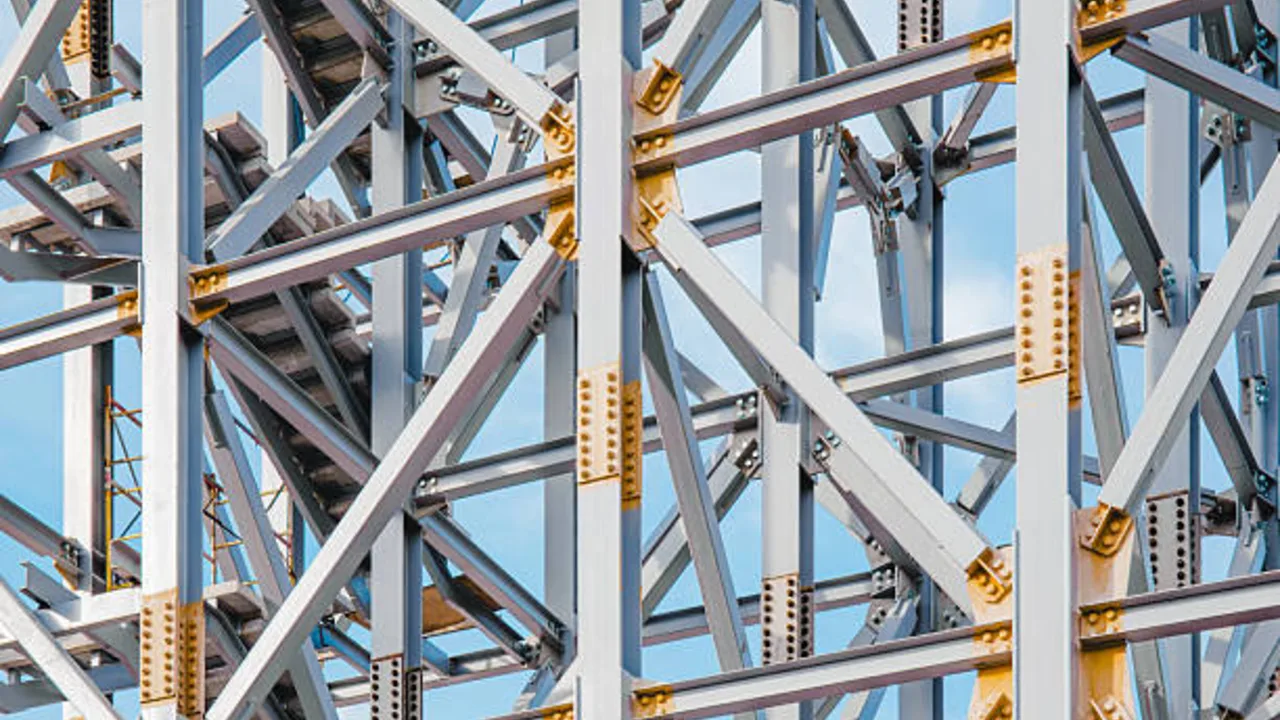
Load Uncertainty and Environmental Variables
No building operates under perfectly predictable conditions. Dead loads may vary due to material substitution, live loads fluctuate based on occupancy, and environmental forces such as wind and snow can exceed historical averages. Steel building safety factors account for these uncertainties by amplifying load combinations to reflect worst-case scenarios.
In industrial facilities, dynamic loads from cranes or vibrating machinery introduce additional variability. A properly calibrated design margin ensures that repeated stress cycles do not degrade structural integrity prematurely. Without adequate steel building safety factors, cumulative fatigue may reduce long-term performance.
Modern design standards, including those issued by the American Institute of Steel Construction, integrate probabilistic load modeling to define rational safety coefficients. These frameworks ensure consistent structural reliability across projects.
Material Variability and Fabrication Tolerance
Although structural steel is manufactured under strict quality control, minor variability in yield strength, thickness tolerance, and weld penetration can occur. Steel building safety factors compensate for these deviations by ensuring that structural members retain sufficient reserve strength.
Fabrication processes such as cutting, drilling, and welding introduce geometric tolerances that slightly alter theoretical behavior. A well-defined design margin protects against performance reduction caused by these real-world imperfections.
Connections, in particular, require carefully applied steel building safety factors. Bolt pretension variation, weld size deviation, and alignment differences may influence load distribution. Adequate margin prevents localized overstress.
Long-Term Performance and Structural Degradation
Steel structures are designed for decades of service. Over time, corrosion, fatigue cycles, and operational changes may reduce effective capacity. Steel building safety factors must anticipate these long-term effects when establishing initial structural capacity.
For example, repetitive crane loading can gradually induce micro-cracking in welded connections. Without sufficient design margin, these cumulative effects may compromise structural safety earlier than expected.
Environmental exposure also influences durability. Protective coatings and galvanization slow degradation, but steel building safety factors ensure that even under moderate deterioration, structural stability remains intact.
Code-Based Safety Factors in Steel Design
International Design Standards and Safety Calibration
Structural design codes embed steel building safety factors within standardized calculation frameworks. These codes are developed using statistical analysis of material strength distribution, load variability, and historical performance data.
Load combinations typically apply amplification factors to variable actions such as wind and seismic forces. Resistance reduction factors decrease nominal member capacity to introduce a calculated design margin. Together, these mechanisms create balanced structural reliability.
Whether applying Load and Resistance Factor Design (LRFD) or Allowable Stress Design (ASD), the objective remains consistent: maintain sufficient design margin to prevent structural failure under extreme but plausible conditions.
Load and Resistance Factor Design (LRFD)
LRFD applies load factors greater than one to anticipated loads and resistance factors less than one to structural capacity. This dual modification ensures that calculated strength exceeds amplified demand. Steel building safety factors under LRFD are calibrated to achieve uniform reliability across different structural components.
For example, a wind load may be multiplied by a higher factor than a dead load due to greater uncertainty. Meanwhile, the resistance factor applied to a compression member accounts for potential buckling variability. The resulting design margin reflects both load unpredictability and material uncertainty.
Allowable Stress Design (ASD)
ASD incorporates steel building safety factors by reducing allowable stress relative to material yield strength. Instead of amplifying loads, this method limits working stress to a fraction of nominal capacity. The inherent design margin is therefore embedded within allowable stress limits.
While LRFD offers probabilistic precision, ASD remains widely used in certain applications due to familiarity and simplicity. Both approaches rely fundamentally on steel building safety factors to maintain structural reliability.
Applying Steel Building Safety Factors in Structural Components
Columns and Axial Capacity
Compression members are highly sensitive to buckling. Steel building safety factors applied to columns account for slenderness effects and potential geometric imperfections. The design margin ensures that even if minor alignment deviations occur during erection, column stability is preserved.
Engineers evaluate effective length, boundary conditions, and second-order effects to determine required capacity. By integrating steel building safety factors into buckling calculations, they prevent instability under maximum load combinations.
Beams and Bending Resistance
Beams resist bending moments and shear forces. Steel building safety factors increase demand loads while reducing nominal resistance, creating a controlled design margin. Deflection limits further enhance serviceability performance.
Excessive deflection may not cause immediate failure but can impair usability. Incorporating appropriate design margin ensures beams perform safely under both strength and serviceability criteria.
Connections and Joint Reliability
Connections often govern overall structural performance. Bolt shear strength, weld throat thickness, and bearing resistance are all evaluated with steel building safety factors. Because joints represent force transfer points, insufficient design margin may lead to progressive failure.
A rational connection design integrates safety calibration without unnecessary oversizing. Balanced steel building safety factors provide redundancy while maintaining fabrication efficiency.
In professionally engineered structure steel building projects, connection detailing is coordinated with global safety strategy to ensure consistent reliability throughout the frame.
Bracing Systems and Lateral Stability Control
Lateral stability is one of the most critical performance requirements in any steel structure building. Wind pressure, seismic excitation, and operational vibration introduce horizontal forces that must be safely transferred to the foundation. Steel building safety factors applied to bracing members and diaphragm systems ensure that lateral resistance exceeds amplified load demands under extreme scenarios.
Bracing members are particularly sensitive to instability and connection detailing. Slender diagonal elements may buckle under compression, while tension-only systems must accommodate load reversal during seismic events. By incorporating an adequate design margin, engineers prevent sudden instability and progressive collapse mechanisms.
In wide-span industrial buildings, steel building safety factors for lateral systems are carefully calibrated because even small deflections can create large second-order effects. The design margin therefore extends beyond simple strength checks; it protects the global geometric stability of the structure.
Optimizing Design Margin Without Overdesign
The Risk of Excessive Safety Factors
While safety is paramount, excessive steel building safety factors can lead to inefficient structures. Oversized members increase steel tonnage, transportation cost, and erection complexity. An overly conservative design margin may also complicate fabrication, particularly in connection detailing and welding procedures.
Material cost escalation is especially significant in large industrial facilities where thousands of structural components are involved. Applying steel building safety factors beyond calibrated code recommendations rarely improves real structural reliability; instead, it reduces economic competitiveness.
Engineering Optimization Strategies
Modern structural engineering tools enable rational calibration of steel building safety factors. Finite element modeling allows engineers to simulate stress distribution under complex load combinations. These simulations refine design margin allocation, ensuring strength is added precisely where required.
Advanced load simulation, including wind tunnel studies and seismic response analysis, reduces uncertainty. As uncertainty decreases, safety factors can be applied with confidence rather than excessive conservatism. The goal is not minimal margin, but intelligent margin.
Optimization also involves coordinating structural analysis with fabrication capability. Plate thickness, bolt sizing, and weld configuration are selected to achieve required performance with balanced steel building safety factors.
Balancing Economy and Structural Reliability
A well-designed steel structure building integrates cost efficiency with safety integrity. Steel building safety factors must protect against uncertainty without imposing unnecessary structural weight. The ideal design margin provides resilience against rare events while maintaining predictable service behavior.
Value engineering exercises frequently examine whether certain members carry excessive reserve capacity. Where analysis confirms sufficient reliability, modest refinement of steel building safety factors can produce measurable material savings without compromising performance.
Real Case Project — Safety Margin Calibration in an Industrial Steel Facility

A practical demonstration of steel building safety factors calibration occurred in a 22,000 m² heavy fabrication workshop designed to support overhead cranes and high-bay storage systems. During the preliminary design stage, conservative assumptions were applied across all structural members, resulting in substantial steel tonnage.
Initial calculations included amplified wind loads and high seismic coefficients, generating a large design margin. However, detailed site-specific wind studies and refined load combinations revealed that certain assumptions were overly conservative. By reassessing steel building safety factors using code-compliant probabilistic values, engineers optimized member sizes without reducing structural reliability.
Columns supporting crane runway beams were reviewed for combined axial and bending interaction. Instead of uniformly increasing section size, engineers redistributed design margin based on actual load paths. Critical joints retained higher steel building safety factors, while secondary framing members were optimized.
The revised design reduced total structural weight by approximately 6% while maintaining full compliance with safety regulations. Post-construction load testing confirmed that deflection and stress levels remained within allowable thresholds. This case demonstrates how rational application of steel building safety factors achieves both safety and economy.
Common Mistakes in Safety Factor Application
Misapplication of steel building safety factors can compromise both performance and cost efficiency. One frequent mistake is blindly copying code values without understanding load context. Design margin should reflect actual environmental exposure and operational demand, not merely standardized assumptions.
Another common issue is neglecting connection behavior. Even if primary members have adequate steel building safety factors, poorly detailed joints may lack sufficient design margin. Connections must be evaluated with the same rigor as beams and columns.
Underestimating future expansion is another risk. Industrial facilities often upgrade equipment or increase storage loads. Without adequate design margin embedded through steel building safety factors, retrofitting becomes costly and complex.
Long-Term Structural Resilience and Safety Margins
Steel structure buildings are long-term assets. Their resilience depends on maintaining sufficient design margin throughout decades of operation. Steel building safety factors established during design provide reserve capacity against gradual degradation.
Routine inspection programs monitor corrosion, bolt pretension, and weld condition. Where necessary, reinforcement or retrofitting strategies may be implemented to restore original design margin. By planning for lifecycle performance, engineers ensure that steel building safety factors continue to protect structural integrity.
Adaptive reuse projects further highlight the importance of initial safety calibration. When buildings are repurposed for heavier occupancy or equipment, existing design margin may determine feasibility without extensive strengthening.
Why Steel Building Safety Factors Define Structural Reliability
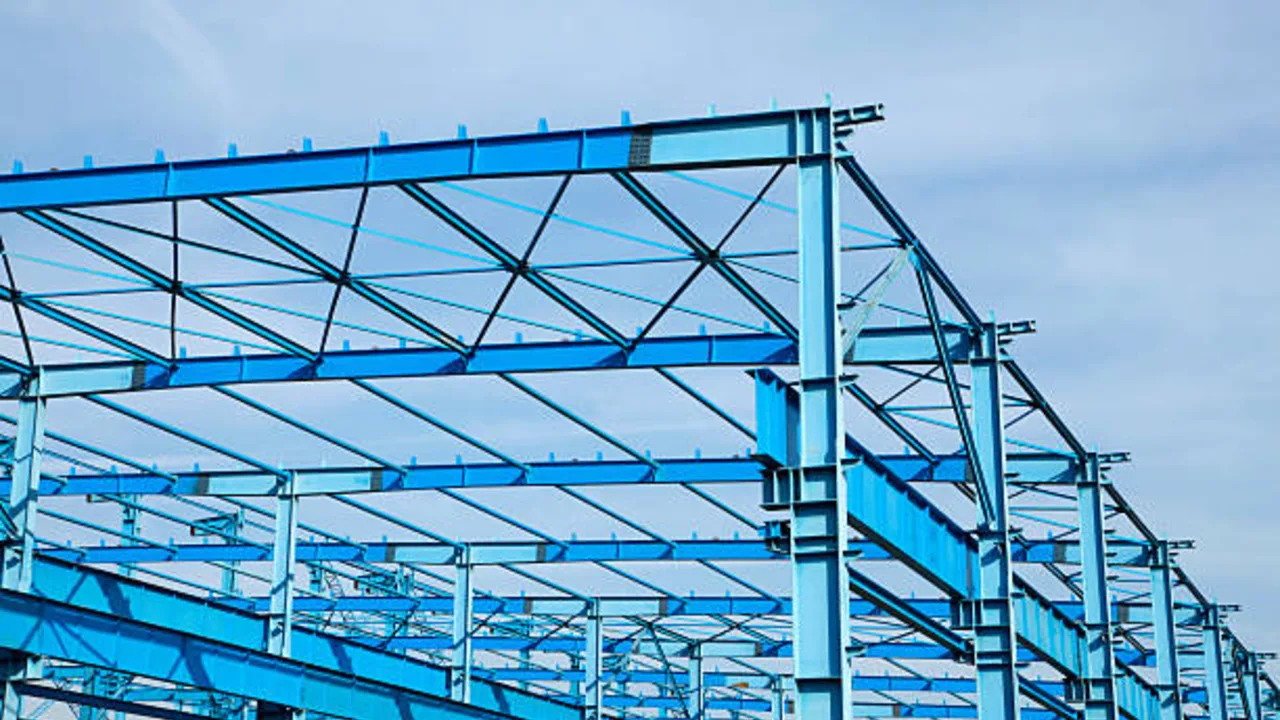
Structural reliability is fundamentally linked to steel building safety factors. These calibrated coefficients bridge the gap between theoretical calculation and real-world unpredictability. By embedding an appropriate design margin into every component, engineers create structures capable of withstanding extreme but plausible loading scenarios.
In complex industrial developments and commercial facilities, consistent safety calibration across beams, columns, bracing, and connections ensures uniform reliability. When properly applied, steel building safety factors transform analytical design into dependable performance.
For projects seeking durable and resilient structure steel building solutions, professional engineering guidance ensures that safety margins are neither insufficient nor excessive, but precisely optimized.
Conclusion
Steel building safety factors are not arbitrary multipliers; they represent carefully calibrated safeguards rooted in statistical analysis and structural mechanics. Through intelligent allocation of design margin, engineers protect steel structure buildings against load uncertainty, material variability, and long-term degradation.
Achieving the right balance between safety and economy requires technical expertise and disciplined calculation. When applied correctly, steel building safety factors deliver resilient structures capable of performing reliably for decades, even under demanding operational conditions.