Industrial buildings are long-term infrastructure assets. When companies invest in manufacturing plants, logistics hubs, or heavy equipment facilities, they expect the structure to perform reliably for decades. One of the most important considerations during planning and engineering is the steel building service life. Understanding how long a steel structure can operate safely helps investors evaluate lifecycle costs, maintenance strategies, and long-term operational planning.
The concept of steel building service life refers to the period during which a structure maintains its structural integrity, safety, and functional performance under expected operating conditions. In industrial environments, this timeframe is influenced by multiple factors including structural design quality, material durability, environmental exposure, and maintenance practices.
Unlike temporary construction systems, industrial steel buildings are typically engineered to operate for 50 to 100 years or more. With proper design and maintenance, their durability often exceeds original expectations. The long-term reliability of steel structures has made them one of the most widely adopted solutions for factories, warehouses, energy facilities, and transportation infrastructure.
In modern engineering practice, the durability of steel systems is not left to chance. Designers use advanced structural analysis, corrosion protection strategies, and material specifications to ensure the intended steel building service life aligns with industrial investment goals. This focus on structural longevity allows organizations to build facilities that support decades of production without major reconstruction.
What Determines Steel Building Service Life
Several engineering and environmental factors determine the overall steel building service life. While steel itself is a strong and resilient material, the way it is designed, fabricated, and maintained plays a decisive role in long-term structural performance.
Structural Design Quality
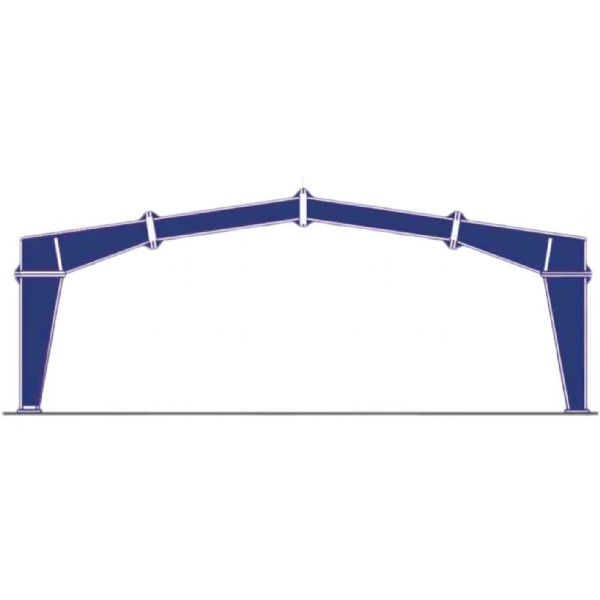
Structural design forms the foundation of a building’s lifespan. Engineers analyze loads, stress distribution, and structural redundancy to ensure the building can withstand operational demands over time. Accurate calculations prevent excessive deformation, fatigue failure, and localized overstressing.
When designers properly account for load combinations such as wind, equipment vibration, and thermal expansion, the resulting structure maintains stable performance for decades. Poor design, however, can shorten steel building service life by creating stress concentrations or structural inefficiencies that accelerate deterioration.
Engineering standards published by organizations such as the American Institute of Steel Construction provide widely accepted design guidance that helps ensure structural safety and durability.
Material Grade and Manufacturing Standards
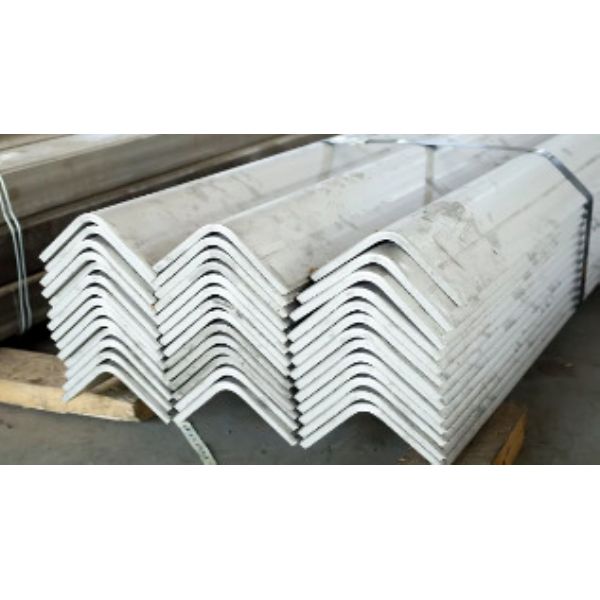
Material quality also plays a critical role in structural durability. Structural steel must meet specified mechanical properties such as yield strength, ductility, and chemical composition. Using certified steel materials ensures the structural components can perform reliably under long-term loading.
Manufacturing standards further influence steel building service life. Precision fabrication, accurate plate cutting, and controlled welding procedures all contribute to structural reliability. When manufacturing errors occur, they may introduce hidden weaknesses that reduce durability.
Modern industrial projects often rely on standardized production systems that ensure consistent component quality across large construction projects.
Environmental Exposure
Environmental conditions have a direct impact on structural durability. Industrial steel buildings located in coastal areas, humid climates, or chemically aggressive environments face greater corrosion risks than buildings in dry regions.
Moisture, airborne salts, and industrial emissions can accelerate material degradation if protective measures are not implemented. Engineers therefore evaluate environmental conditions during design and specify protective coatings or galvanization to preserve steel building service life.
Temperature fluctuations can also affect structural performance over time. Thermal expansion and contraction create cyclic stresses within structural members. Proper detailing and expansion allowances help maintain durability under these conditions.
Typical Steel Building Service Life Expectations
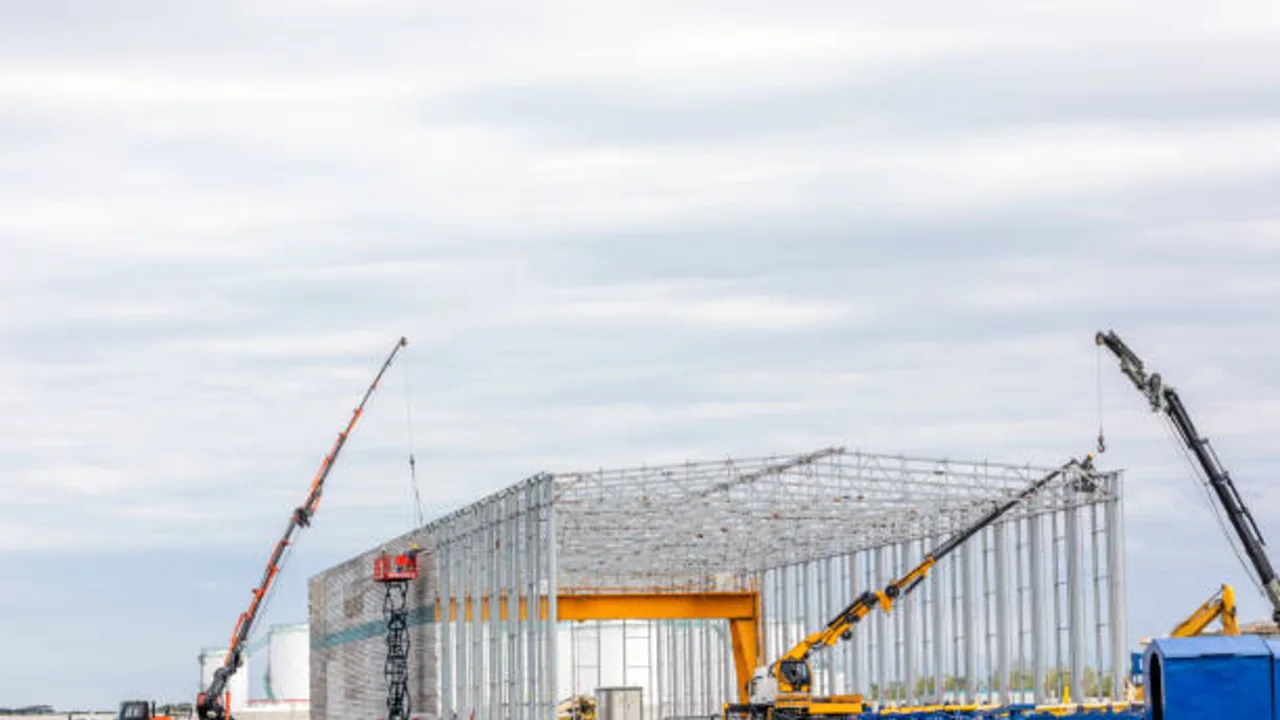
The expected steel building service life varies depending on building type, operational environment, and maintenance practices. In most industrial applications, however, steel structures are designed for long-term durability.
Industrial Steel Buildings
Industrial facilities typically require robust structural systems capable of supporting heavy equipment, overhead cranes, and continuous production operations. These structures are often engineered with significant safety margins to ensure reliability throughout their operational lifespan.
Under normal operating conditions and proper maintenance, industrial steel buildings frequently achieve a service life exceeding 50 years. Many facilities remain operational for much longer, particularly when structural inspections and maintenance programs are implemented regularly.
In heavy manufacturing environments where dynamic loads occur, engineers may reinforce connections and critical structural zones to preserve structural durability.
Warehouses and Logistics Buildings
Warehouses and logistics centers are among the most common industrial applications of steel construction. Their large spans and open interior layouts make steel frames highly efficient structural systems.
Although warehouse structures generally experience lower dynamic loads than heavy industrial plants, they often operate continuously for decades. Properly designed warehouse frames maintain reliable steel building service life through stable load distribution and structural redundancy.
Roof durability also contributes significantly to building longevity. High-quality roofing systems protect the structural frame from moisture intrusion, thereby preserving overall durability.
Multi-Story Steel Buildings
Multi-story steel frame buildings require careful structural design to manage cumulative loads from upper floors. As loads increase toward the base of the structure, engineers must ensure the frame and connections maintain adequate strength and stiffness.
In these buildings, durability depends on both structural design and long-term load stability. When properly engineered, multi-story steel frames can achieve an extended steel building service life comparable to or exceeding many traditional construction systems.
Engineering Design Strategies That Extend Steel Building Service Life
Structural engineers use several strategies to maximize durability and ensure that steel structures remain functional for many decades. These methods combine material protection, structural redundancy, and efficient load distribution.
Corrosion Protection Systems
Corrosion remains one of the primary threats to structural steel durability. Protective coating systems help isolate steel surfaces from environmental exposure. Epoxy coatings, polyurethane finishes, and hot-dip galvanization are widely used to prevent corrosion.
By applying appropriate protective treatments during fabrication and construction, engineers significantly extend steel building service life. Regular maintenance of these coatings ensures continued protection throughout the building’s lifecycle.
Structural Redundancy and Load Distribution
Redundant structural systems improve reliability by providing multiple load paths. If one component experiences localized damage, the structure can redistribute loads through alternate members.
This design philosophy enhances durability by preventing sudden structural failure. In large industrial facilities, redundancy helps maintain stability under variable loading conditions.
Connection Design and Fatigue Resistance
Connections play a crucial role in long-term structural performance. Bolted and welded joints must be designed to resist fatigue caused by repeated loading cycles.
Careful detailing reduces stress concentration and improves fatigue resistance. When connection design aligns with structural demand, it supports extended steel building service life even in demanding industrial environments.
Construction Quality and Its Impact on Durability
While engineering design establishes the theoretical lifespan of a structure, actual performance in the field depends heavily on construction quality. Even the most advanced design cannot deliver the intended steel building service life if fabrication or installation errors occur during construction. Proper quality control throughout manufacturing and erection ensures that the structural system performs as designed and maintains long-term durability.
Fabrication Accuracy
Precision fabrication is essential for structural reliability. Structural components such as beams, columns, plates, and connection elements must be manufactured within strict dimensional tolerances. If fabrication errors occur, misalignment during erection can introduce unintended stresses into the structural frame.
Accurate cutting, drilling, and welding procedures help maintain proper load transfer between members. High-quality fabrication ensures that each component contributes effectively to the structural system, supporting the intended steel building service life.
Manufacturing facilities that utilize automated cutting equipment, digital measurement systems, and standardized quality inspection procedures are better positioned to deliver consistent structural components for industrial projects.
Erection Procedures
The installation phase plays a critical role in determining the long-term stability of a steel structure. During erection, columns must be aligned correctly, beams must be installed with precise positioning, and connections must be tightened or welded according to engineering specifications.
Improper erection procedures may introduce residual stresses or misalignment that affect structural performance. When installation follows proper engineering guidelines, the structural frame distributes loads evenly and maintains its designed durability.
Large industrial buildings often require carefully planned erection sequences to ensure stability during construction. Temporary bracing systems may be used until the full structural frame is completed, ensuring that the structure remains stable throughout the installation process.
Quality Inspection During Construction
Construction inspection provides an additional safeguard for structural durability. Engineers and inspectors verify that fabrication, installation, and connection procedures meet design specifications. Inspections may include dimensional checks, weld inspections, bolt tension verification, and structural alignment assessments.
Non-destructive testing methods such as ultrasonic testing or magnetic particle inspection can detect hidden weld defects. By identifying potential issues early, construction teams can correct problems before they affect the overall steel building service life.
Maintenance and Lifecycle Management
Even the most durable structures require ongoing maintenance to preserve long-term performance. Regular inspections, protective maintenance, and structural monitoring help ensure that the building continues to meet safety and operational requirements throughout its lifespan.
Regular Structural Inspection
Periodic structural inspections help identify early signs of wear, corrosion, or fatigue. Engineers evaluate structural members, connections, and protective coatings to ensure the building maintains its designed load capacity.
These inspections play an essential role in preserving steel building service life. When potential issues are identified early, corrective measures can be implemented before structural performance is compromised.
Protective Coating Renewal
Protective coatings gradually degrade over time due to environmental exposure. Recoating structural steel at appropriate intervals helps maintain corrosion protection and structural durability.
In industrial environments where moisture or chemicals may be present, regular maintenance of protective systems becomes particularly important for maintaining the expected steel building service life.
Structural Reinforcement and Retrofit
Over time, operational requirements may change. Industrial facilities may add new equipment, increase storage capacity, or modify production processes. Structural reinforcement or retrofitting allows buildings to adapt to these changes without replacing the entire structure.
Strengthening structural members or upgrading connections can extend the effective steel building service life, allowing the facility to continue operating safely under updated conditions.
Real Project Example: Shanghai International Medical Park (SIMP)
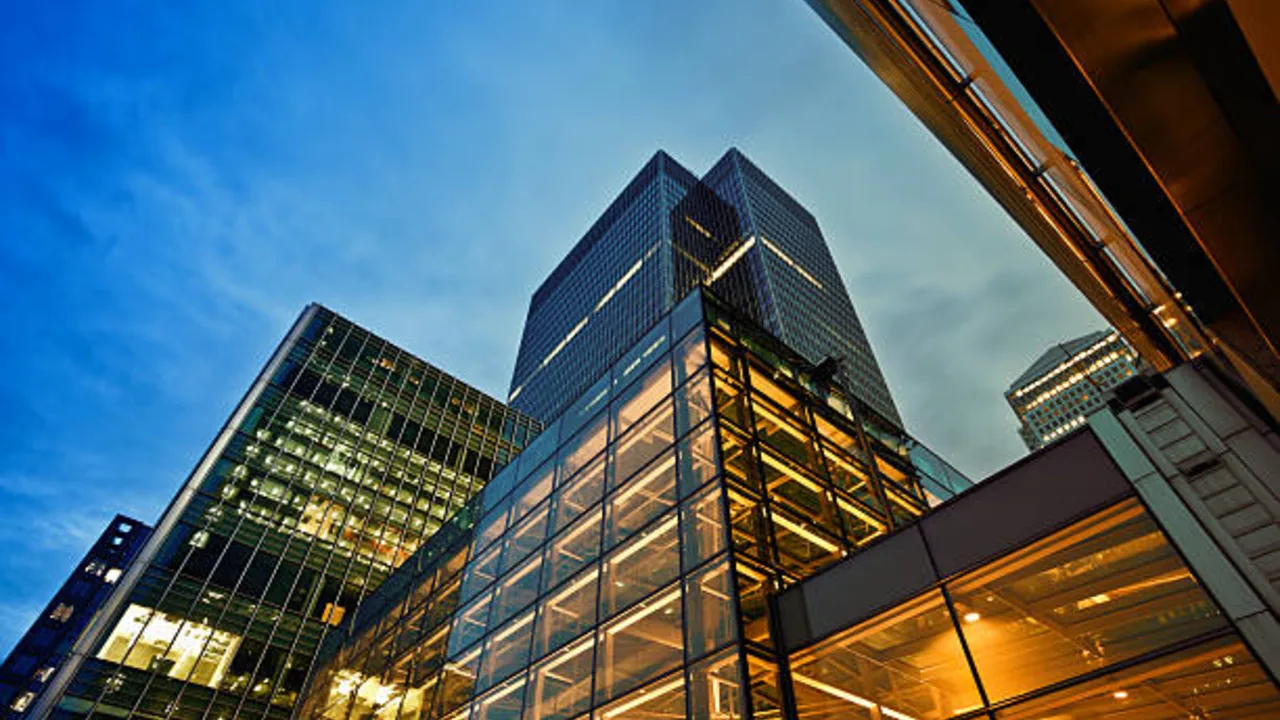
A strong demonstration of long-term steel building service life can be found in the Shanghai International Medical Park (SIMP) office building project delivered by XTD Steel. Completed in 2022, this large-scale development covers approximately 64,000 square meters and represents a modern example of durable steel construction used in high-demand commercial environments.
The project required approximately 4,200 tons of structural steel and was engineered to support a large office complex designed for long-term corporate operations. The structural system integrates steel framing with modern building technologies to provide both flexibility and structural reliability. By combining steel strength with efficient design strategies, the building was created to support evolving business functions while maintaining high levels of structural durability.
From an engineering perspective, the structural design emphasizes stability, efficient load distribution, and long-term steel building service life. High-quality steel components, precise fabrication, and controlled construction processes were applied to ensure that the structure can maintain its performance for decades. These practices reflect the engineering principles commonly used in industrial steel buildings where durability and lifecycle performance are critical considerations.
Another important factor in the project’s durability is the use of carefully planned structural connections and corrosion protection systems. These measures help preserve material integrity and ensure the building remains safe and functional even under long-term environmental exposure. As a result, the facility is expected to maintain reliable structural performance throughout its operational lifespan.
The SIMP project highlights how modern steel building structure engineering can deliver not only rapid construction efficiency but also long-term durability. Through proper design, high manufacturing standards, and effective lifecycle planning, steel buildings like this one can support commercial and industrial activities for generations while maintaining structural reliability.
Common Misconceptions About Steel Building Service Life
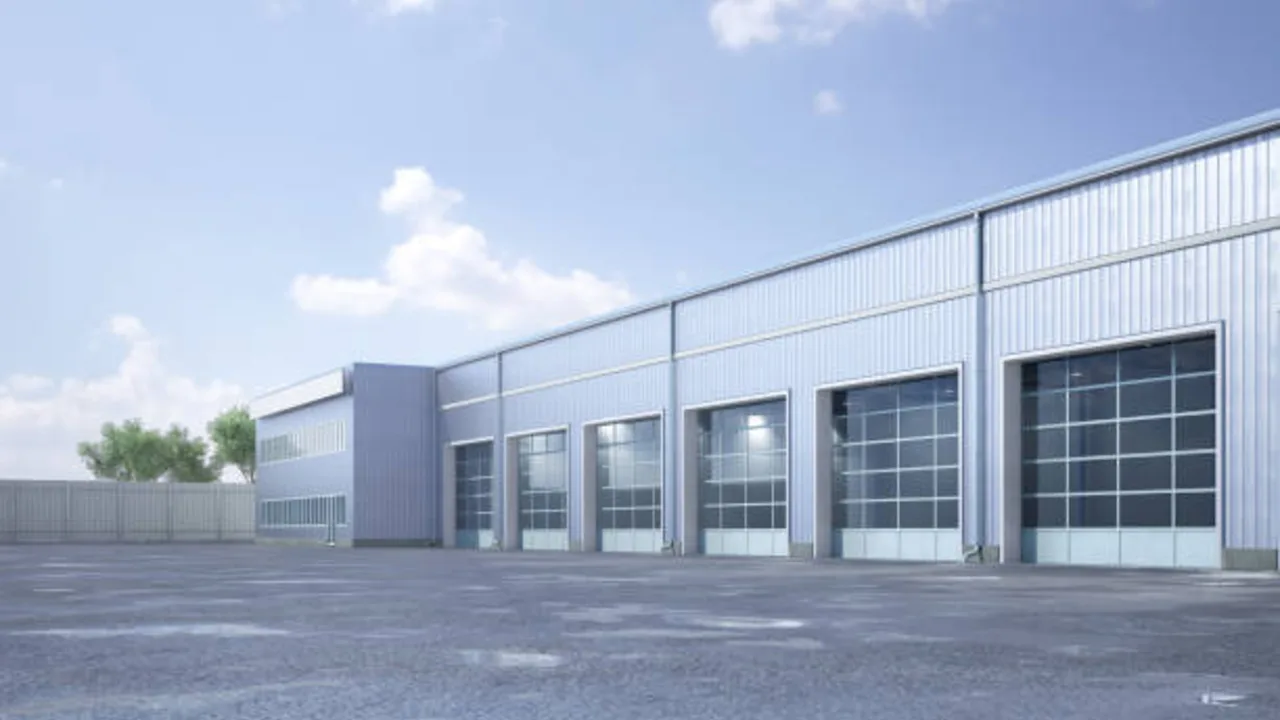
Despite the widespread use of steel structures, misconceptions about durability still exist. Some assume that steel buildings deteriorate quickly compared to other construction materials. In reality, when properly designed and maintained, steel structures can achieve extremely long operational lifespans.
Another common misunderstanding is that steel buildings require constant replacement or frequent reconstruction. In practice, routine inspection and maintenance allow most industrial steel structures to remain functional for many decades.
These misconceptions often arise from poorly maintained structures or outdated construction practices rather than limitations of the material itself.
Why Steel Building Service Life Matters for Industrial Investment
The steel building service life directly influences the economic value of an industrial facility. A longer structural lifespan allows companies to distribute construction costs over a greater operational period, reducing overall lifecycle costs.
For manufacturers and logistics operators, structural durability also supports operational continuity. Facilities designed for long-term use provide stable infrastructure for production planning and future expansion.
Many industrial developers therefore prioritize structural durability during the planning phase. Investing in quality engineering and construction ensures that the building remains a reliable operational asset for decades.
For organizations seeking reliable structural solutions, partnering with experienced professionals in steel building structure design and construction can significantly improve long-term project outcomes.
Conclusion
Understanding steel building service life is essential for planning industrial facilities that remain safe, efficient, and economically viable for decades. Structural design quality, material selection, environmental conditions, and maintenance practices all contribute to long-term durability.
When these factors are carefully managed, steel structures can achieve exceptional performance and longevity. Through proper engineering, construction quality, and lifecycle management, industrial steel buildings can continue supporting operations well beyond their initial design expectations.