In modern construction, precision on the construction site plays a critical role in structural safety and installation efficiency. One of the most important factors influencing the success of steel erection is steel building site tolerance. During the assembly of large structural frames, even small deviations in measurement can influence structural alignment, connection performance, and overall building stability.
Steel structures are typically fabricated in controlled factory environments with high dimensional accuracy. However, once these components arrive on site, they must be installed on foundations that may have minor variations caused by surveying, concrete curing, or anchor bolt placement. Managing steel building site tolerance during assembly ensures that these small variations do not accumulate into major structural alignment problems.
When tolerance is properly controlled, steel components fit together efficiently, erection proceeds smoothly, and structural loads transfer correctly through the frame. Conversely, poor tolerance control can lead to connection difficulties, misaligned beams, and costly on-site adjustments. For any steel building structure project, maintaining accurate alignment during installation is essential to achieving safe and efficient construction.
Understanding Steel Building Site Tolerance in Construction
The term steel building site tolerance refers to the allowable dimensional variation that occurs during field installation of structural steel components. While fabrication tolerances are controlled in the factory, site tolerances address the realities of construction environments where minor measurement differences may occur.
Tolerance management ensures that these variations remain within acceptable engineering limits. When properly monitored, steel building site tolerance allows structural components to be installed without compromising structural alignment or connection performance.
Fabrication Tolerance vs Site Tolerance
Fabrication tolerance refers to dimensional variation permitted during manufacturing. Structural members such as beams, columns, and plates are fabricated according to precise engineering drawings, but small differences are inevitable due to cutting, welding, and material behavior.
Once these components arrive at the construction site, additional variations may occur during installation. Foundation elevation differences, anchor bolt positioning, and environmental factors can influence final placement. Managing steel building site tolerance ensures that these combined variations do not disrupt the alignment of the structural system.
Tolerance Standards in Steel Construction
Engineering organizations have established standards to define acceptable tolerance ranges for structural steel erection. These guidelines help maintain structural alignment and ensure that steel frames function as designed.
Typical tolerance considerations include column plumbness, beam elevation, and anchor bolt positioning. Adhering to these standards ensures that steel building site tolerance remains within limits that allow structural members to connect properly and safely.
Why Steel Building Site Tolerance Matters for Structural Alignment
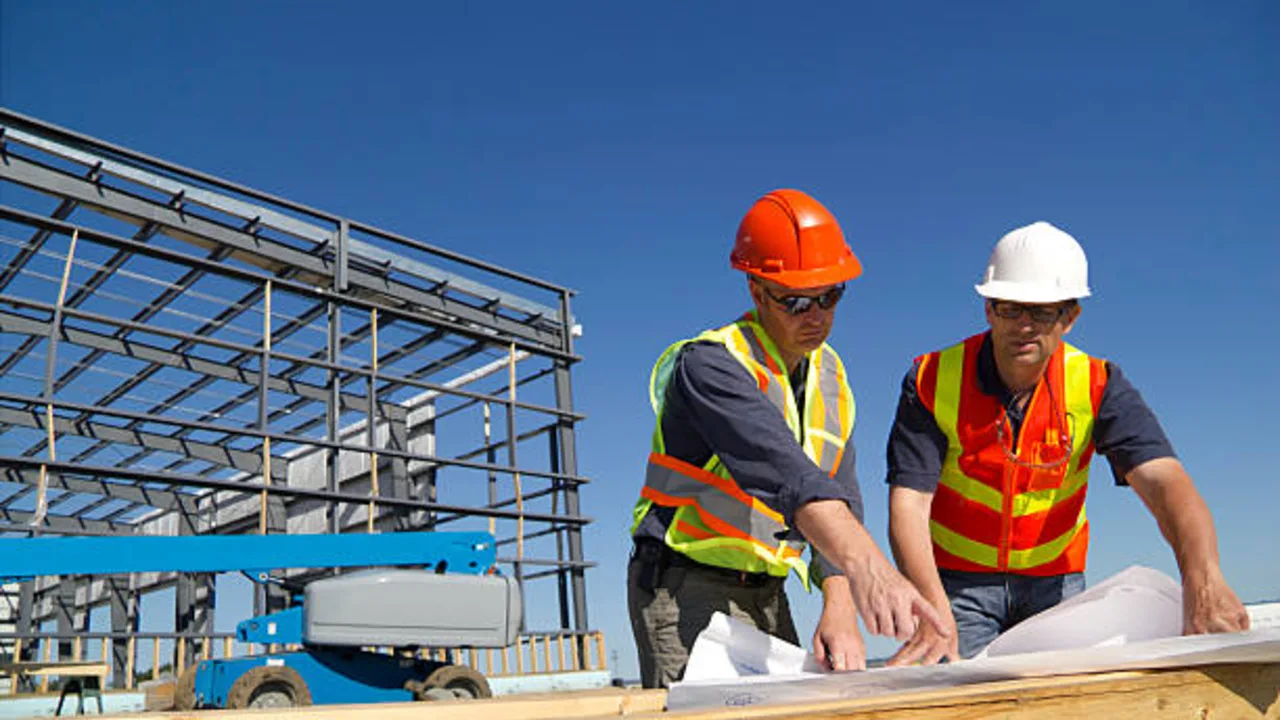
Alignment is one of the most critical aspects of steel building assembly. Structural frames rely on precise geometry to distribute loads efficiently throughout the building. If steel building site tolerance is not carefully managed, alignment errors may propagate across the entire structural system.
Maintaining accurate alignment during erection ensures that beams, columns, and bracing systems interact correctly. This allows the structure to achieve its intended alignment and structural performance.
Impact on Column Verticality
Columns serve as the primary vertical load-bearing elements in most steel buildings. Their vertical alignment directly affects the stability of the structural frame.
If steel building site tolerance is not controlled, columns may lean slightly out of plumb. Even small deviations can influence beam connections and roof framing alignment. Correcting these deviations during early installation stages prevents cumulative alignment problems later in construction.
Beam and Connection Alignment
Beam connections require accurate positioning to allow bolts and welds to perform correctly. When alignment errors occur, bolt holes may not match, requiring field adjustments or reaming.
Maintaining proper steel building site tolerance allows beams to connect smoothly to columns and bracing systems. Accurate alignment reduces installation time and minimizes the need for corrective work.
Influence on Structural Load Paths
Structural load paths depend on proper geometric alignment. Loads from roofs, floors, and equipment must travel through beams and columns to the foundation in predictable ways.
If alignment errors occur due to uncontrolled steel building site tolerance, forces may shift unexpectedly within the structure. This can introduce unintended stresses at connections or create uneven load distribution.
Key Sources of Tolerance Deviation on Construction Sites
While modern surveying and fabrication technologies have improved construction accuracy, several factors can still influence steel building site tolerance during assembly.
Understanding these sources of deviation allows construction teams to manage alignment proactively.
Foundation and Anchor Bolt Positioning
Anchor bolts establish the starting reference for steel column placement. If anchor bolts are slightly misaligned or positioned outside acceptable tolerance ranges, column placement may be affected.
Even small anchor bolt deviations can influence the alignment of the entire frame. Proper foundation surveying and bolt placement verification are essential to maintaining steel building site tolerance.
Fabrication Variations
Although steel components are produced with high precision, minor dimensional variations can still occur during fabrication. Differences in welding shrinkage, plate cutting, and hole positioning may contribute to small deviations.
When combined with site installation conditions, these variations can influence alignment during assembly. Monitoring steel building site tolerance ensures these differences remain within acceptable limits.
Installation and Erection Procedures
Construction operations themselves can introduce tolerance deviations. Crane lifting procedures, temporary bracing placement, and bolt tightening sequences all affect final alignment.
Experienced erection crews follow structured installation procedures to maintain consistent steel building site tolerance. Proper sequencing prevents alignment deviations from spreading across the structural frame.
Measurement and Monitoring Techniques for Steel Building Site Tolerance
Maintaining alignment during steel erection requires continuous measurement and monitoring. Modern surveying equipment allows construction teams to verify dimensional accuracy throughout installation.
These monitoring systems ensure that steel building site tolerance remains within acceptable limits at every stage of the assembly process.
Surveying Equipment and Layout Control
Precision instruments such as total stations and laser measurement systems are commonly used to establish reference points on construction sites. These tools allow engineers to measure column positions, beam elevations, and structural geometry with high accuracy.
By regularly checking measurements, construction teams can identify alignment deviations early and correct them before they affect the overall structure.
Column Plumbness Verification
Ensuring columns remain vertical is a critical step during steel erection. Engineers use surveying instruments to measure column plumbness and confirm that each member is positioned correctly.
If deviations exceed the allowable steel building site tolerance, adjustments such as shim plates or base plate corrections can restore proper alignment.
Connection Fit-Up Inspection
Connection inspection ensures that bolts and plates align correctly before final tightening. Proper fit-up indicates that steel building site tolerance has been maintained throughout the erection process.
Accurate connection alignment reduces installation time and ensures structural connections achieve their designed strength.
Assembly Sequence and Its Influence on Alignment
The order in which structural members are installed plays a major role in maintaining alignment during steel building assembly. A well-planned erection sequence helps prevent tolerance accumulation across the structure.
By controlling installation order, engineers ensure that steel building site tolerance remains consistent as the frame expands upward and outward.
In the next section, we will examine how installation sequencing, real-world construction challenges, and practical engineering strategies influence steel building site tolerance in large steel building structure projects.
Assembly Sequence and Its Influence on Alignment
The order in which steel components are installed has a significant impact on maintaining steel building site tolerance. Structural frames are assembled piece by piece, and each new member depends on the accuracy of previously installed components. If alignment deviations occur early in the erection process, they can accumulate and affect the entire frame.
A carefully planned erection sequence helps control structural alignment from the beginning of installation. By establishing clear reference points and following a systematic approach, construction teams can prevent tolerance errors from propagating throughout the building.
Column-First Installation Strategy
Most steel erection procedures begin with the installation of primary columns. Columns serve as the vertical backbone of the structure, establishing the geometric framework that supports the rest of the building.
When columns are installed, engineers verify verticality and position using surveying equipment. Adjustments may be made with shim plates or base plate modifications to ensure the column falls within acceptable steel building site tolerance limits. Once the first set of columns is aligned correctly, they provide a reliable reference for installing beams and secondary members.
Beam and Roof Framing Installation
After columns are positioned and temporarily stabilized, beams and roof framing elements are installed. Maintaining accurate alignment during this stage ensures that connections fit properly and structural forces distribute as intended.
If beams are installed when columns are slightly misaligned, connection plates may not align correctly. This can result in difficulties during bolt installation and may require field adjustments. Maintaining proper steel building site tolerance during beam installation prevents these complications and allows construction to proceed efficiently.
Bracing Installation for Structural Stability
Bracing systems play a vital role in stabilizing the structure during erection. Temporary bracing is often installed early in the assembly process to maintain the alignment of columns and beams before permanent connections are fully secured.
By stabilizing the frame, bracing helps preserve steel building site tolerance and prevents structural members from shifting during construction. Once permanent bracing and roof systems are installed, the structure gains full rigidity and alignment becomes permanently fixed.
Real Project Example: Alignment Control in a Large Steel Logistics Center
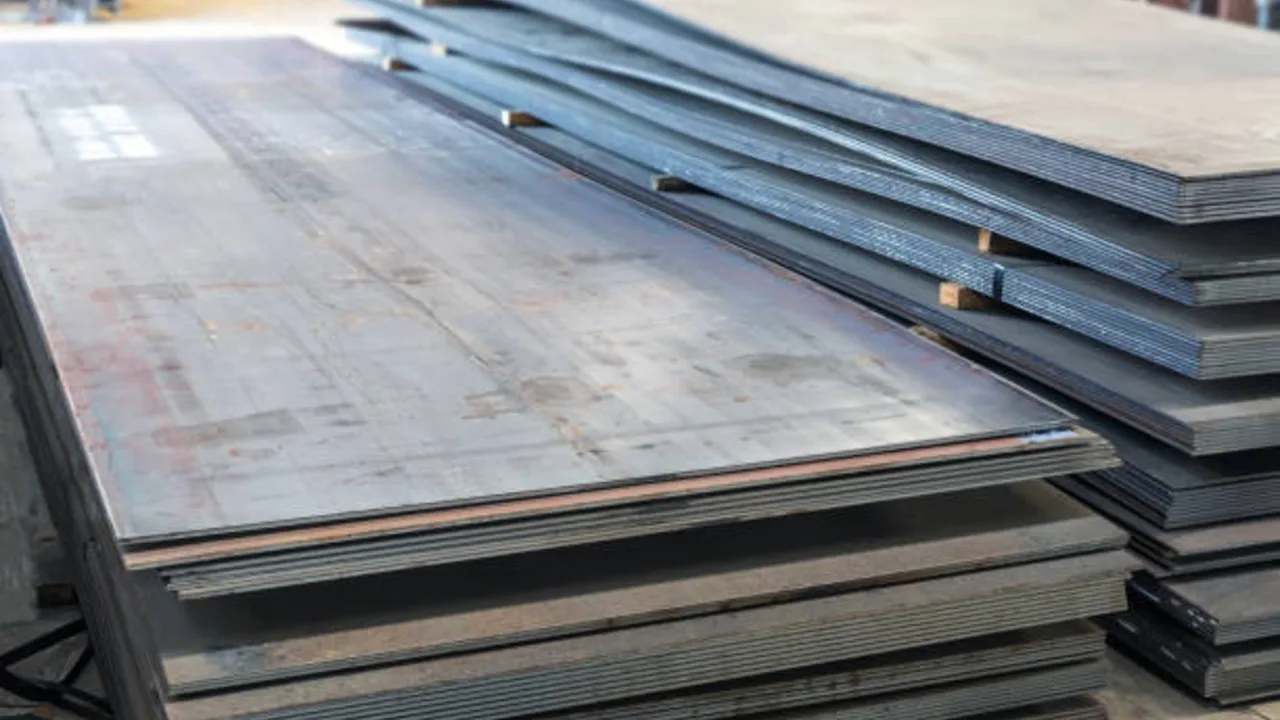
A practical example of managing steel building site tolerance occurred during the construction of a large logistics distribution center in Southeast Asia. The facility covered more than 22,000 square meters and required long-span steel frames to support automated warehouse systems.
During the early stages of erection, engineers discovered that several anchor bolt groups were positioned slightly outside the expected tolerance range. While the deviation was relatively small, it affected the alignment of multiple column bases within the structure.
Initial Assembly Challenges
As columns were installed, minor misalignment became apparent. Beam connections at the roof level began to show slight fit-up issues, indicating that the structural alignment was gradually drifting from the design geometry.
Left uncorrected, this deviation could have caused significant installation delays and structural stress concentration at several connection points.
Corrective Measures Implemented
The engineering team implemented a series of corrective actions to restore proper steel building site tolerance. Base plates were adjusted using precision shim plates, and surveying equipment was used to re-establish accurate reference lines across the structure.
Columns were gradually repositioned during installation, allowing beams to align correctly with connection plates. Continuous monitoring ensured that tolerance deviations were reduced before additional structural members were installed.
Final Structural Performance
After adjustments were completed, the steel frame achieved the required alignment levels. Beam connections fit precisely, and roof framing installation proceeded without additional modifications.
The project demonstrated how proactive tolerance management can prevent small installation deviations from developing into major structural problems. Proper control of steel building site tolerance allowed the construction team to maintain schedule efficiency while ensuring structural safety.
Preventive Strategies for Managing Steel Building Site Tolerance
Successful tolerance control begins long before the first steel member is erected. Effective planning and quality control procedures help minimize alignment deviations throughout construction.
Pre-Assembly Planning
Before erection begins, engineers carefully review fabrication drawings and construction layouts. Anchor bolt positions, base plate details, and connection tolerances are verified to ensure compatibility with the structural design.
Proper planning allows the construction team to anticipate potential tolerance challenges and prepare corrective solutions before installation begins.
On-Site Quality Control Procedures
Continuous measurement during erection helps maintain steel building site tolerance. Surveying equipment is used to verify column position, beam elevation, and structural alignment at multiple stages of construction.
When deviations are detected early, corrective adjustments can be implemented quickly without affecting subsequent installation steps.
Skilled Erection Teams and Supervision
Experienced erection crews play an important role in maintaining structural accuracy. Skilled installers understand how small adjustments in bolt tightening, lifting procedures, and temporary bracing can influence alignment.
Engineering supervision further ensures that steel building site tolerance remains within acceptable limits throughout the assembly process.
Long-Term Structural Implications of Tolerance Control
While tolerance management is primarily associated with construction, it also affects the long-term performance of the structure. Buildings assembled with accurate alignment tend to perform more reliably over time.
Proper control of steel building site tolerance ensures that loads are distributed evenly across structural members, reducing stress concentrations and extending structural lifespan.
Connection Performance Over Time
Connections are particularly sensitive to alignment accuracy. Misalignment can introduce unintended bending forces in bolts and welds, reducing connection durability.
Maintaining correct alignment during installation ensures that structural connections function according to design expectations.
Structural Maintenance Considerations
Buildings assembled with accurate tolerance control typically require less maintenance over their operational life. When components are properly aligned, structural loads remain predictable and material fatigue is minimized.
Routine inspections can confirm that alignment remains stable and that the original steel building site tolerance has been preserved.
Why Steel Building Site Tolerance Is Critical for Successful Assembly
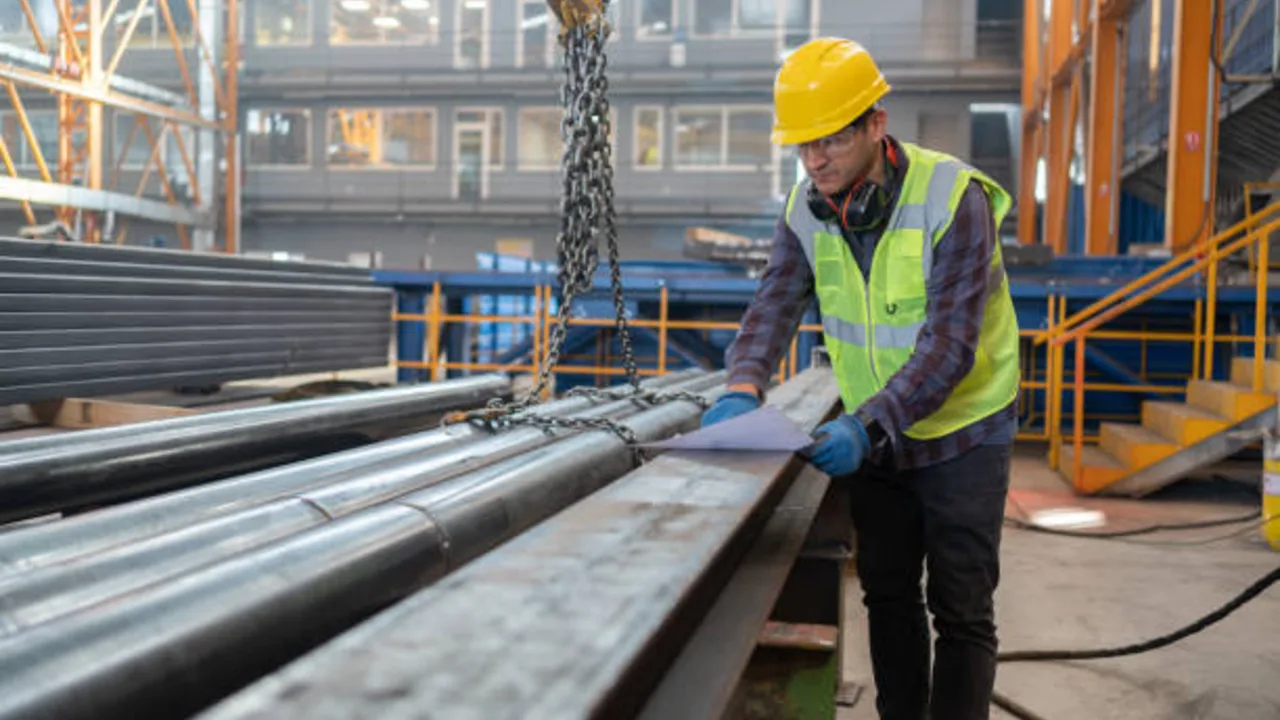
Managing steel building site tolerance is essential for achieving accurate alignment during steel building assembly. Tolerance control ensures that structural members connect properly, loads transfer efficiently, and construction proceeds without unnecessary delays.
For large projects, maintaining precise installation standards is particularly important. Working with experienced engineering teams and a reliable steel building structure provider ensures that alignment, safety, and performance remain consistent throughout the construction process.
Conclusion
Site tolerance management is a fundamental aspect of steel building assembly. By understanding the factors that influence steel building site tolerance—such as fabrication variation, anchor bolt positioning, and installation procedures—construction teams can maintain structural alignment throughout the erection process.
Careful planning, continuous measurement, and skilled installation practices allow engineers to control tolerance effectively. When properly managed, steel building site tolerance supports efficient construction, reliable structural performance, and long-term durability for modern steel building structures.