For industrial buyers, choosing the right steel building system is not simply a matter of price or aesthetics. The decision directly affects long-term operational efficiency, structural safety, maintenance costs, and scalability. That is why a structured steel building system evaluation process is essential before committing to a supplier or construction approach.
Unlike residential or light commercial projects, industrial steel buildings must support heavy loads, dynamic operations, and demanding environmental conditions. Buyers evaluate steel systems using a combination of technical, financial, and operational criteria to ensure the building performs reliably throughout its lifecycle.
Why Steel Building System Evaluation Matters
Industrial steel buildings are long-term assets. A poor system choice can lead to excessive maintenance, operational disruptions, or costly retrofits. A proper steel building system evaluation allows buyers to identify performance risks early and compare solutions objectively.
From factories and warehouses to power plants and logistics hubs, steel building systems must align with production workflows, equipment layouts, and future expansion plans. Evaluation ensures the building system supports—not limits—industrial growth.
Core Performance Criteria Used by Industrial Buyers
Structural Strength and Load Capacity
One of the first performance criteria industrial buyers examine is load-bearing capability. This includes static loads (equipment, storage, mezzanines) and dynamic loads (cranes, vibrations, moving machinery). A steel building system must be engineered to handle real operational stresses, not just theoretical minimums.
Buyers often request structural calculations, material grades, and compliance with recognized standards to verify performance claims.
Durability and Lifecycle Performance
Industrial environments expose buildings to heat, humidity, chemicals, and mechanical wear. During steel building system evaluation, buyers assess corrosion protection, coating systems, and fatigue resistance to estimate long-term durability.
A system with a slightly higher upfront cost but lower maintenance requirements often delivers better lifecycle value.
Adaptability and Expansion Capability
Industrial operations evolve. Buyers favor steel systems that allow future expansion, internal reconfiguration, or vertical growth. Modular framing, clear-span designs, and standardized connections are key indicators of adaptability.
This is where modern steel structure building solutions outperform rigid construction methods by offering flexibility without structural compromise.
Supplier Comparison: Beyond Price Tags
Engineering Capability and Technical Support
Supplier comparison goes far beyond quoting costs. Industrial buyers evaluate whether suppliers provide in-house engineering, detailed shop drawings, and coordination support. Strong engineering capability reduces design conflicts and construction delays.
Buyers also value suppliers who understand local codes, international standards, and site-specific requirements.
Manufacturing Quality and Process Control
Steel building performance depends heavily on fabrication quality. Buyers examine welding standards, quality inspection procedures, and material traceability when comparing suppliers.
Factories with modern CNC cutting, automated welding, and strict quality control systems typically deliver more consistent results.
Delivery Reliability and Project Coordination
Delayed deliveries can disrupt industrial schedules. During supplier comparison, buyers assess logistics experience, export packaging, and past delivery performance—especially for international projects.
Reliable coordination between design, fabrication, and site installation reduces risk across the project timeline.
Evaluating Cost from a Total Value Perspective
Price alone rarely determines the final decision when industrial buyers evaluate steel building systems. While upfront cost is easy to compare, it rarely reflects the true financial impact of a building over its operational life. Experienced buyers instead focus on total cost of ownership (TCO)—a long-term view that captures both direct and indirect costs across 20–30 years of use.
A comprehensive steel building system evaluation shifts the question from “Which option is cheaper today?” to “Which system delivers the highest value over time?”
Key Cost Components Industrial Buyers Analyze
1. Initial Fabrication and Erection Cost
This includes material cost, fabrication complexity, transportation, and on-site erection. While some systems appear cheaper upfront, lower prices may reflect thinner sections, limited engineering scope, or reduced fabrication quality—factors that can increase downstream risk.
2. Construction Timeline and Downtime Impact
Time is money in industrial projects. Faster erection reduces:
- Labor costs
- Equipment idle time
- Production delays
- Opportunity cost from delayed operations
Prefabricated and modular steel systems often score higher in evaluations because they compress construction schedules and minimize site disruption.
3. Maintenance and Repair Expenses
Buyers assess expected maintenance over decades, including:
- Corrosion protection and repainting cycles
- Structural inspections and reinforcement needs
- Replacement of worn components
A slightly higher upfront investment in better coatings, higher-grade steel, or smarter detailing can significantly reduce long-term maintenance spending.
4. Future Modification or Expansion Costs
Industrial facilities rarely stay static. Buyers value systems that support:
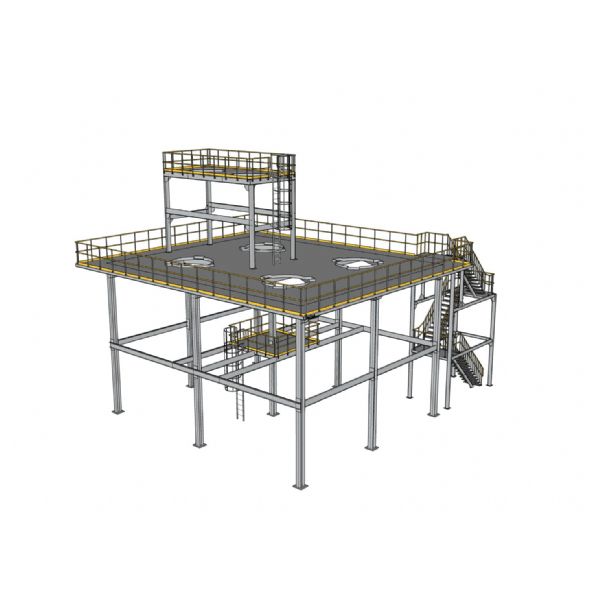
- Vertical expansion (mezzanines, platforms)
- Horizontal extension without major demolition
- Easy integration of new equipment or process lines
Rigid systems with limited flexibility often incur high retrofit costs later, which must be accounted for during evaluation.
Total Cost of Ownership Comparison (Example)
| Cost Factor | Low Initial-Cost System | Optimized Steel Building System |
|---|---|---|
| Initial fabrication & erection | Low | Medium |
| Construction duration | Long (site-intensive) | Short (prefabricated) |
| Operational downtime | High | Low |
| Maintenance over 25 years | High | Low |
| Expansion & modification cost | Expensive | Cost-efficient |
| Risk of disruption | Higher | Lower |
| Total lifecycle cost | High | Optimized / Lower |
This table illustrates why industrial buyers rarely select systems based on price alone. A system with a higher initial cost can still deliver lower total expenditure across its lifecycle.
Why Long-Term Value Wins in Industrial Decision-Making
Industrial buyers operate under tight margins, strict schedules, and long asset lifespans. A comprehensive steel building system evaluation allows them to:
- Forecast long-term financial exposure
- Reduce operational and compliance risk
- Align building performance with production growth
- Protect capital investment over decades
In practice, the most cost-effective steel building system is often not the cheapest on day one, but the one that minimizes disruption, maintenance, and reinvestment over time.
Risk Management and Compliance Considerations
Compliance with structural standards, safety regulations, and environmental requirements plays a critical role in evaluation. Buyers verify design codes, material certifications, and testing documentation to mitigate legal and operational risks.
Independent research also highlights that systematic evaluation improves project outcomes and reduces failure risk in industrial steel structures, as discussed in academic performance assessment studies such as this engineering evaluation reference.
Decision-Making Framework Used by Industrial Buyers
Most industrial buyers follow a structured framework when evaluating steel systems:
- Define operational and load requirements
- Shortlist systems based on performance criteria
- Conduct supplier comparison on engineering and quality
- Assess total lifecycle cost and risk
- Finalize selection based on long-term value
This approach ensures decisions are data-driven rather than price-driven.
Conclusion: Choosing Steel Systems with Confidence
Evaluating steel building systems is a strategic process that balances performance, reliability, and long-term value. Industrial buyers who apply a structured steel building system evaluation framework gain clarity, reduce risk, and select solutions that support sustainable operations.
By focusing on performance criteria, conducting thorough supplier comparison, and assessing lifecycle impact, buyers can invest confidently in steel building systems that deliver lasting industrial performance.