Tropical regions present some of the most demanding environmental conditions for structural systems. Designing a steel building tropical climate project requires more than standard structural calculations. High humidity, intense heat, heavy rainfall, and rapid temperature changes create combined stresses that influence durability, performance, and long-term maintenance. In such environments, climate-responsive engineering becomes a central requirement rather than an optional enhancement.
A properly engineered steel building tropical climate solution must account for persistent humidity, elevated heat, and aggressive atmospheric exposure. Without targeted strategies, steel components may experience accelerated corrosion, coating degradation, and thermal expansion-related stress. However, when designed correctly, steel structures remain highly reliable and cost-effective even under tropical environmental loads.
Tropical conditions do not weaken steel inherently; instead, they demand intelligent detailing, material selection, and protective systems. Modern engineering practices allow a structure steel building to perform efficiently for decades in equatorial and coastal regions when climate adaptation is integrated into the early design phase.
Understanding Tropical Climate Characteristics
Before designing any steel building tropical climate system, it is critical to understand the defining environmental factors of tropical regions. These conditions typically include sustained humidity above 70%, ambient temperatures frequently exceeding 30°C, heavy seasonal rainfall, and strong UV exposure.
High Humidity Levels
One of the primary challenges in a steel building tropical climate environment is constant humidity. Moist air accelerates electrochemical reactions on exposed steel surfaces, increasing corrosion risk. Even when structures are not directly exposed to rain, condensation can form on steel members during night-time cooling cycles.
Persistent humidity also affects enclosed industrial buildings. Without proper ventilation, internal condensation may accumulate around connections, bolts, and roof purlins. This makes corrosion protection systems a fundamental component of tropical structural design. Galvanized coatings, epoxy systems, and sealed joints significantly improve resilience against humidity-driven deterioration.
Extreme Heat Exposure
Heat is another defining factor of steel building tropical climate projects. Continuous solar radiation causes steel surfaces to heat rapidly during daytime. This results in thermal expansion, especially in long-span beams and roof systems.
Daily temperature fluctuations create expansion and contraction cycles. Over time, these cycles may influence connection behavior, bolt tension, and joint alignment. Proper detailing — including expansion allowances and flexible connection configurations — prevents stress accumulation caused by heat-induced movement.
In addition, high surface temperatures accelerate coating aging. UV exposure degrades protective layers more quickly in tropical zones compared to temperate climates. Selecting UV-resistant coatings extends service life and preserves structural integrity.
Heavy Rainfall and Storm Patterns
Tropical regions frequently experience monsoon seasons and intense storm events. Rainfall intensity may exceed design assumptions used in non-tropical areas. A steel building tropical climate design must integrate effective drainage systems, roof slope optimization, and gutter capacity planning.
Wind-driven rain can infiltrate poorly sealed connections or roof joints. Therefore, detailing becomes critical in maintaining structural performance and preventing moisture accumulation inside structural cavities.
Structural Performance of Steel Building Tropical Climate Systems
Designing for tropical conditions requires understanding how steel behaves under combined heat and humidity exposure. While steel maintains its fundamental mechanical strength under high temperatures typical of tropical climates, serviceability and durability considerations must be prioritized.
Thermal Expansion and Movement Control
Thermal expansion is a predictable but essential factor in any steel building tropical climate design. Long roof trusses and continuous beams experience measurable elongation under daytime heat. If restrained improperly, expansion forces may introduce unintended stress into columns and bracing systems.
Engineers incorporate expansion joints and sliding connections to accommodate movement. Proper detailing ensures that the structure steel building system remains stable while allowing controlled displacement. This approach prevents crack formation, joint fatigue, and connection overstress.
Humidity and Corrosion Mechanisms
Corrosion is primarily driven by humidity. In a steel building tropical climate environment, moisture interacts with oxygen to form iron oxide on unprotected surfaces. Coastal tropical regions add salt-laden air, intensifying corrosion rates.
Protective measures include hot-dip galvanization, zinc-rich primers, and multi-layer coating systems. Surface preparation quality significantly influences coating performance. Abrasive blasting to proper cleanliness standards ensures adhesion and long-term protection against humidity-induced degradation.
Regular inspection planning is also essential. Climate-based maintenance intervals differ from those in dry regions. Monitoring coating condition and bolt integrity helps preserve overall structural performance.
Load Behavior Under Combined Heat and Humidity
Although structural steel retains its strength at normal tropical temperatures, long-term exposure to heat and humidity may influence secondary components such as sealants and gaskets. These elements must be selected carefully to maintain compatibility with the steel building tropical climate environment.
Connections must also resist combined stresses from wind uplift, thermal movement, and dynamic weather loads. Engineering analysis ensures that primary members maintain required safety margins under these interacting conditions.
Material Selection Strategies for Tropical Regions
Selecting appropriate materials is one of the most important decisions in a steel building tropical climate project. Material choices directly affect corrosion resistance, thermal performance, and lifecycle cost.
Steel Grade Considerations
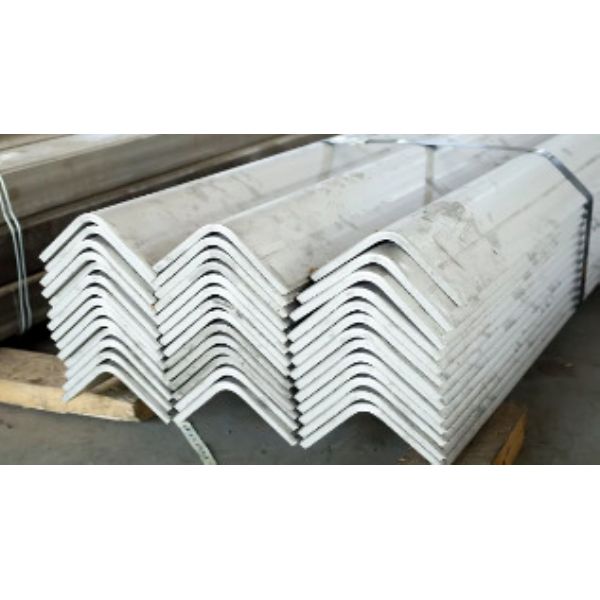
Standard structural steel grades typically perform well in tropical environments when adequately protected. The focus shifts from strength alone to durability. Engineers evaluate coating compatibility and environmental exposure classification before finalizing specifications.
For heavily exposed structures, increased coating thickness or weather-resistant systems may be justified. However, protection systems must align with the expected humidity level and rainfall intensity.
Protective Coating Systems
Hot-dip galvanization remains one of the most reliable solutions for steel building tropical climate applications. Zinc coating provides sacrificial protection, significantly slowing corrosion progression.
Epoxy primer systems combined with polyurethane topcoats enhance UV resistance. Multi-layer systems provide redundancy in case of minor coating damage. Selecting the correct coating depends on environmental severity and maintenance accessibility.
Fasteners and Connection Detailing
Bolts and connection hardware are particularly vulnerable to humidity. Using galvanized or stainless fasteners prevents localized corrosion. Sealants around roof penetrations and joints reduce moisture intrusion.
Connection detailing should avoid water traps. Sloped surfaces and drainage paths prevent standing water accumulation — a critical design strategy in steel building tropical climate construction.
Design Adaptations for Tropical Steel Structures
Climate-responsive architecture enhances the performance of steel building tropical climate systems. Beyond structural integrity, internal comfort and operational efficiency must also be addressed.
Ventilation and Airflow Engineering
Natural ventilation significantly reduces internal heat buildup. Ridge vents, louvers, and high-level openings promote airflow circulation. Proper ventilation decreases internal condensation risk caused by humidity.
Mechanical ventilation systems may supplement passive airflow in large industrial facilities. Reducing trapped heat improves occupant comfort and extends coating life.
Insulation and Reflective Roofing
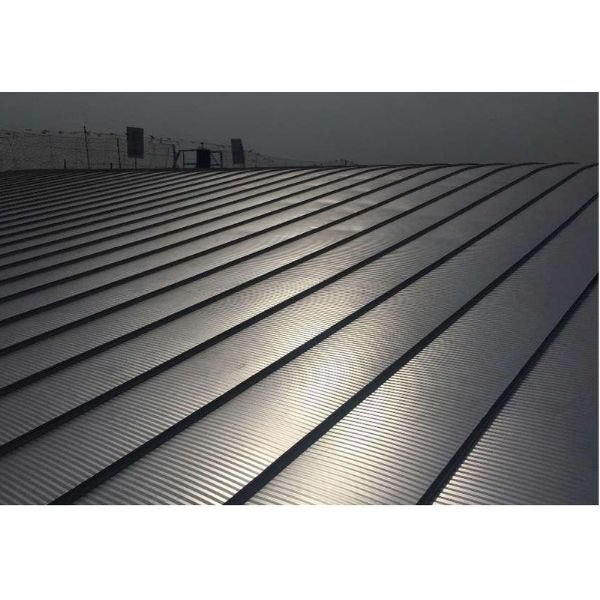
Reflective roofing panels reduce solar heat absorption. Insulated roof assemblies limit heat transfer into the building interior. These measures enhance energy efficiency and stabilize internal temperature conditions.
A well-designed structure steel building integrates thermal insulation, corrosion protection, and structural stability into a cohesive system optimized for tropical conditions.
Roof and Drainage Optimization
Roof slope plays a critical role in steel building tropical climate performance. Steeper slopes improve rainwater discharge and reduce water stagnation risk. Gutter sizing must accommodate peak rainfall intensity.
Downpipe placement should ensure rapid drainage without overflow. Inadequate drainage can lead to ponding loads, increasing structural stress during heavy storms.
Construction and Fabrication Considerations
Building in tropical environments requires careful site management. Steel components must be protected during storage to prevent premature corrosion.
Fabrication workshops often apply protective coatings before shipment. On-site touch-up procedures maintain coating integrity after installation. Welding operations must be performed under dry conditions to avoid flash rust formation before painting.
Scheduling erection activities outside peak rainy seasons minimizes installation delays. Temporary coverings protect partially completed steel building tropical climate structures from unexpected storms.
In Part 2, we will explore a real-world tropical project case, long-term maintenance strategies, lifecycle durability planning, and why climate-adaptive engineering ensures structural reliability in tropical environments.
Project Case: Tropical Industrial Facility in Southeast Asia
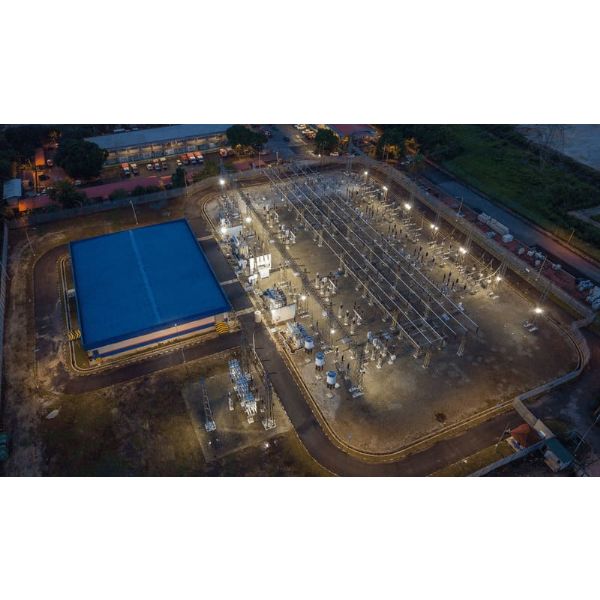
Design principles for a steel building tropical climate environment become clearer when examined through practical implementation. A notable example is a 12,500 m² industrial warehouse constructed in Southeast Asia, located in a coastal tropical region characterized by year-round humidity above 80%, ambient heat exceeding 34°C during peak seasons, and intense monsoon rainfall.
During the early design phase, corrosion risk assessment identified high atmospheric salinity combined with constant moisture exposure. Instead of relying on standard paint systems, the project adopted a duplex protection strategy: hot-dip galvanization for primary members followed by a UV-resistant polyurethane topcoat. This approach significantly enhanced durability under steel building tropical climate exposure conditions.
Thermal expansion calculations were also critical. The roof system spanned 48 meters without intermediate columns. Under peak daytime heat, predicted elongation exceeded 18 mm across the full span. Expansion allowances were incorporated at beam-seat connections, and slotted bolt holes were specified at selected secondary members to accommodate controlled movement. This prevented stress accumulation and preserved connection integrity.
Ventilation strategy further improved performance. Continuous ridge vents and side-wall louvers reduced internal temperature by an average of 5–7°C compared to non-ventilated industrial sheds nearby. Lower internal heat reduced condensation risk and improved worker comfort.
After three years of operation, inspection reports showed minimal coating degradation and no significant corrosion development. The steel building tropical climate design approach successfully balanced structural safety, durability, and lifecycle cost control.
Long-Term Maintenance Strategies in Tropical Conditions
Durability planning is essential for any steel building tropical climate system. While initial protection measures are critical, long-term inspection and maintenance programs ensure continued structural performance.
Inspection Planning
Routine inspection schedules in tropical regions are typically more frequent than in dry climates. Annual visual inspections focus on connection zones, bolt heads, roof joints, and areas exposed to water runoff. Early detection of coating damage prevents corrosion from spreading under humid conditions.
Special attention is given to enclosed zones where humidity may accumulate. Condensation-prone areas require monitoring to prevent hidden corrosion.
Recoating Cycles
Protective coatings in a steel building tropical climate environment experience accelerated aging due to UV exposure and heat. Maintenance plans often include recoating cycles every 7–10 years depending on environmental severity.
Touch-up coating procedures after mechanical damage are equally important. Prompt repair prevents localized corrosion in high-humidity environments.
Structural Monitoring
Although tropical temperatures rarely approach levels that compromise steel strength, long-term heat exposure influences joint behavior and sealant performance. Monitoring bolt tension and joint movement ensures sustained load stability.
Advanced facilities may integrate structural health monitoring systems that track displacement and thermal movement. Such systems enhance predictive maintenance strategies and reduce unexpected downtime.
Energy Efficiency and Operational Performance
A properly engineered steel building tropical climate structure contributes to operational efficiency. Reflective roofing panels, insulation layers, and ventilation systems collectively reduce cooling loads.
By limiting internal heat accumulation, building systems operate more efficiently, lowering energy consumption. In industrial applications, reduced heat stress improves worker productivity and equipment reliability.
Humidity control through airflow design also protects stored goods. Warehouses operating in tropical regions must prevent moisture-related product degradation. Structural design therefore influences not only stability but also operational functionality.
Risk Mitigation in Steel Building Tropical Climate Projects
Climate-responsive engineering reduces long-term financial risk. Ignoring humidity and heat effects may result in premature coating failure, corrosion repair costs, and operational disruption.
Design teams incorporate environmental exposure classification during early planning stages. Material specifications, coating thickness, and detailing standards align with predicted humidity and heat levels. This proactive approach strengthens lifecycle resilience.
Storm resilience is another key factor. Properly engineered drainage systems and wind-resistant roof assemblies prevent structural damage during tropical storms. Designing beyond minimum code requirements often proves cost-effective in regions with severe weather patterns.
Integration with Modern Structure Steel Building Practices
Modern engineering integrates climate adaptation with efficiency-driven design. A structure steel building in tropical conditions combines corrosion protection, ventilation strategy, and thermal movement accommodation within a unified framework.
Digital modeling tools support expansion analysis and airflow simulation. Engineers can predict thermal movement and condensation patterns before construction begins. This reduces uncertainty and enhances reliability.
Prefabrication also improves quality control. Applying galvanization and coating in controlled workshop environments ensures consistent protection levels for steel building tropical climate systems.
Why Climate-Adaptive Engineering Matters
Climate-adaptive design transforms environmental challenges into manageable engineering parameters. Instead of treating humidity and heat as external threats, engineers integrate them into structural calculations and detailing strategies.
A steel building tropical climate project that anticipates environmental stresses demonstrates superior durability, predictable maintenance cycles, and optimized performance. Lifecycle cost benefits become evident when corrosion prevention and thermal control are addressed early.
By combining structural analysis, protective systems, and climate-responsive detailing, steel buildings can perform reliably across decades of tropical exposure.
Conclusion
Designing for a steel building tropical climate environment requires a comprehensive understanding of humidity, heat, rainfall intensity, and thermal movement. When these factors are addressed through intelligent engineering, steel structures remain one of the most resilient and cost-effective solutions for tropical regions.
Through proper material selection, corrosion protection, ventilation planning, and maintenance strategy, steel systems achieve long-term structural integrity. A carefully engineered steel building tropical climate project not only withstands environmental stress but thrives within it — delivering safety, durability, and operational efficiency for decades.