Extreme weather patterns are becoming more frequent, and structural resilience is no longer optional in vulnerable regions. Among the most critical engineering challenges in these areas is steel building wind zone design. When a structure is located in a hurricane-prone coastline, typhoon belt, or open plain with strong seasonal gusts, wind forces can govern the entire structural system. A properly engineered response to wind load ensures stability, serviceability, and long-term durability.
Unlike gravity forces, which act vertically and remain relatively predictable, wind introduces lateral pressure, uplift, suction, and dynamic effects. These forces do not act uniformly. They fluctuate, reverse direction, and concentrate at edges and corners. In high wind zones, the entire building steel structure must be designed as an integrated load-resisting system. From roof sheeting to anchor bolts, each component must contribute to a continuous load path capable of resisting design-level wind load.
Understanding High Wind Zones and Their Structural Implications
High wind zones are typically defined by national or international design standards. Coastal regions exposed to hurricanes, areas within typhoon corridors, and wide-open inland terrains often experience elevated design wind speeds. Structural engineers convert these wind speeds into calculated wind load values that directly influence framing, bracing, and connection detailing.
Wind Speed Versus Wind Pressure
Design wind speed alone does not determine structural demand. Wind speed must be translated into pressure acting on building surfaces. According to standards such as ASCE, wind pressure depends on exposure category, height above ground, topographic effects, and importance factors. As wind speed increases, wind load rises exponentially, making accurate steel building wind zone design critical in high-risk areas.
Pressure coefficients further refine calculations by accounting for roof slope, wall geometry, and corner effects. Uplift at roof edges and suction at parapets often produce the highest localized demands.
The Dynamic Nature of Wind Load
Wind is not purely static. Gust effects, turbulence, and vortex shedding introduce dynamic behavior that can amplify stress. Roof uplift is particularly dangerous in high wind regions. Negative pressure can attempt to peel roof panels from the framing system. Inadequate steel building wind zone design at this interface may lead to progressive failure.
Structural engineers evaluate both main wind force-resisting systems and component-and-cladding systems. While primary frames resist overall lateral wind load, secondary elements must withstand localized suction forces.
Core Principles of Steel Building Wind Zone Design
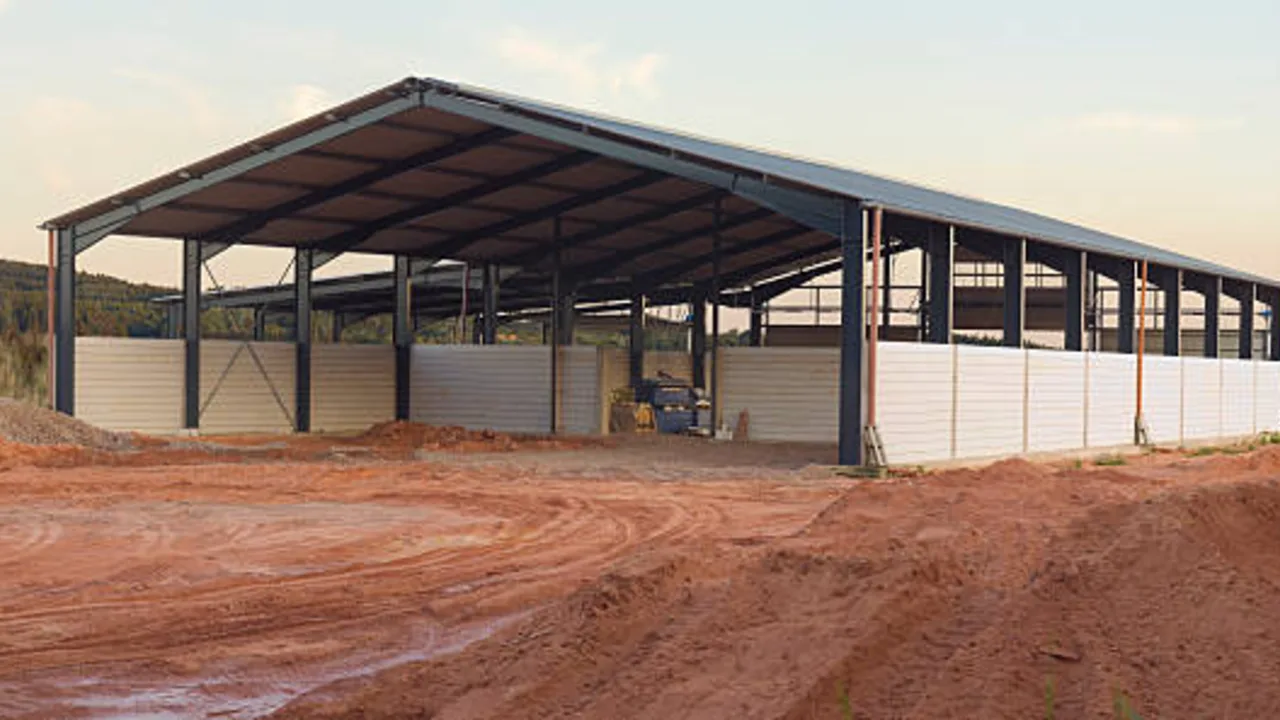
Effective steel building wind zone design begins with selecting an appropriate structural system. The chosen framing strategy determines how wind load is transferred to the foundation.
Structural System Selection
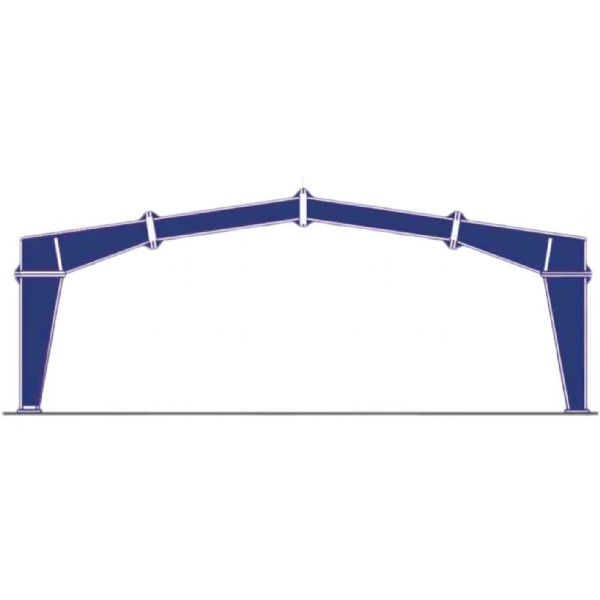
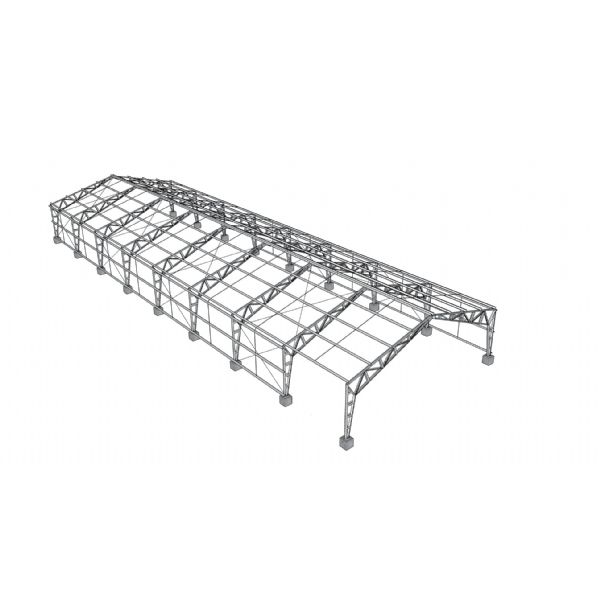
Common systems include portal frames, braced frames, and moment-resisting frames. In industrial buildings, portal frames combined with bracing systems are often used to manage wind load efficiently. Braced bays introduce triangulated geometry that improves lateral stiffness without excessive material usage.
Moment frames provide architectural flexibility but require stronger connections to resist bending induced by wind load. The selection depends on span length, height, opening sizes, and functional requirements.
Continuous Load Path
One of the most important principles in steel building wind zone design is ensuring a continuous load path. Wind forces acting on roof panels must travel through purlins, into rafters, down columns, and finally into the foundation system. Interruptions in this path can create stress concentrations and failure points.
Connections between members are therefore as important as the members themselves. Even if primary steel sections are adequate, weak fasteners or poorly detailed joints can compromise the entire building steel structure under extreme wind load conditions.
Redundancy and Structural Ductility
High wind regions require redundancy. A single-point failure should not trigger collapse. Distributed bracing, multiple load paths, and ductile detailing enhance resilience. Steel’s inherent ductility makes it well-suited for high wind applications, as it can deform without sudden brittle fracture.
Wind Load Calculation Methodology
Accurate wind load determination forms the backbone of steel building wind zone design. Engineers begin by selecting the basic design wind speed from official wind maps. Exposure category—whether open terrain, suburban development, or dense urban environment—modifies pressure intensity.
Exposure and Topographic Effects
Buildings located near open water or flat plains experience higher wind load compared to structures shielded by surrounding buildings. Topographic acceleration near hills or escarpments can further increase local pressures. Ignoring these adjustments leads to underestimation of steel building wind zone design demands.
Internal Pressure Considerations
Wind pressure does not act solely on the exterior envelope. Internal pressure plays a major role, especially in buildings with large openings such as hangar doors or loading bays. If an opening fails during a storm, internal wind load can increase dramatically, amplifying uplift on the roof system.
Design classifications—enclosed, partially enclosed, or open—determine internal pressure coefficients. Properly accounting for these factors strengthens overall steel building wind zone design strategy.
Structural Components Critical to Wind Resistance
Roof Systems in High Wind Zones
Roof systems are often the most vulnerable components in strong wind events. Uplift pressure acts perpendicular to roof surfaces, attempting to detach panels and purlins. Roof slope influences aerodynamic performance. Steeper slopes may reduce uplift at some zones but increase pressure at others.
Standing seam systems with concealed fasteners typically perform better than exposed fastener systems in high wind load environments. However, fastener spacing and clip strength must align with steel building wind zone design calculations.
Bracing Systems and Lateral Stability
Bracing transfers horizontal wind load to foundations. Cross bracing, K-bracing, and portal bracing each offer unique stiffness characteristics. Properly distributed bracing bays prevent excessive lateral drift and protect connection integrity.
The interaction between bracing members and primary frames defines the building’s lateral load-resisting system. Inadequate bracing layout can overstress individual columns during high wind events.
Column and Base Design
Columns resist bending moments caused by wind load. Overturning forces at the base must be balanced by anchor bolts and foundation mass. Steel building wind zone design often increases base plate thickness and anchor capacity in high-risk regions.
Foundation coordination ensures that uplift and lateral shear are safely transferred into soil or pile systems. Structural integrity depends on this final link in the load path.
Aerodynamic Optimization in Steel Building Wind Zone Design
Beyond structural reinforcement, aerodynamic refinement can reduce wind load demands. Rounded roof edges, minimized overhangs, and smooth façade transitions reduce turbulence. Even small geometric changes can significantly improve steel building wind zone design efficiency.
Computational modeling tools such as CFD simulations help engineers visualize airflow patterns. By identifying pressure hotspots, designers can reinforce only critical zones instead of overdesigning the entire building steel structure.
Preparing for Real-World Conditions
Engineering calculations provide theoretical assurance, but real-world construction quality determines performance. Bolt torque verification, weld inspection, and correct erection sequencing ensure that steel building wind zone design intent is realized on site.
Temporary bracing during construction is equally important. Incomplete frames are more vulnerable to wind load before full structural continuity is achieved. Careful planning prevents instability during erection stages.
In Part 2, we will examine a real coastal project case study, explore connection detailing strategies, discuss common design mistakes, and analyze long-term performance considerations for steel buildings located in high wind zones.
Connection Design Under High Wind Conditions
While primary frames resist global forces, connections determine whether a structure truly performs as intended. In high wind environments, connection detailing becomes a defining factor in steel building wind zone design. Wind load introduces fluctuating tension and compression cycles that can fatigue bolts, overstress welds, and compromise joint stiffness if not properly engineered.
Bolted Versus Welded Connections
Bolted connections are commonly preferred in industrial steel systems because of their inspectability and ease of replacement. In high wind regions, slip-critical bolts are often specified to prevent movement under cyclic wind load. Bolt diameter, grade, and spacing must align with calculated design forces.
Welded connections provide rigidity but require careful control of weld size and penetration. Under repeated wind load, poorly executed welds may crack. Therefore, steel building wind zone design must integrate fabrication quality standards into structural detailing to ensure reliable performance.
Preventing Connection Failure
Edge distances, bolt hole placement, and plate thickness influence connection durability. Stress concentration around bolt holes becomes critical when wind load fluctuates rapidly. Engineers often increase connection plate thickness or add stiffeners in high-demand zones. Even in a well-designed building steel structure, inadequate connection detailing can undermine overall stability.
Case Scenario – Coastal Hurricane-Resistant Industrial Facility
A practical example of effective steel building wind zone design can be observed in a coastal industrial warehouse constructed in a Category 4 hurricane zone. The building measured 120 meters in length with a 30-meter clear span and large roller door openings for logistics operations.
Engineering Challenges
The primary concern was extreme uplift pressure on the roof system and high lateral wind load acting on the long sidewalls. Large door openings introduced risks related to internal pressure fluctuations. Design wind speed exceeded 70 m/s, requiring careful structural optimization.
Structural Solutions Implemented
Engineers enhanced the bracing grid by introducing additional cross-braced bays at critical intervals. Roof purlin spacing was reduced to improve uplift resistance. Fastener density at roof edges and corners was increased where peak wind load values were highest.
Column base plates were thickened, and anchor bolts were upgraded to higher tensile grades. Wind load combinations were re-evaluated using advanced modeling software to ensure redundancy within the steel building wind zone design.
Performance Outcome
After completion, the facility endured a major hurricane event within three years. Post-storm inspections confirmed no structural damage. Minor cladding repairs were required, but the primary frame and connections remained intact. The integrated steel building wind zone design approach successfully protected the entire building steel structure.
Common Mistakes in High Wind Steel Building Design
Despite available engineering guidelines, errors still occur in high wind projects. One frequent issue is underestimating internal wind load. When doors or façade panels fail, internal pressure amplifies roof uplift forces dramatically.
Another mistake is focusing solely on frame strength while neglecting connection performance. Wind load must be transferred seamlessly from cladding to foundation. Breakdowns at any interface weaken steel building wind zone design integrity.
Inadequate bracing distribution also contributes to excessive lateral drift. Concentrating bracing in limited bays may overstress adjacent columns during peak wind load events.
Long-Term Maintenance in High Wind Regions
Design alone does not guarantee resilience. Regular inspection ensures that steel building wind zone design capacity remains intact over time. Fasteners may loosen under cyclic wind load, particularly in roof systems.
Routine bolt torque checks, sealant inspections, and corrosion monitoring are essential in coastal environments. Protective coatings preserve structural integrity and maintain wind load resistance.
Monitoring Structural Alignment
Excessive lateral drift or permanent deformation can indicate hidden damage after extreme storms. Periodic structural assessments help detect early warning signs. Preventive maintenance extends the lifespan of the building steel structure in demanding wind zones.
Why Steel Building Wind Zone Design Determines Structural Safety
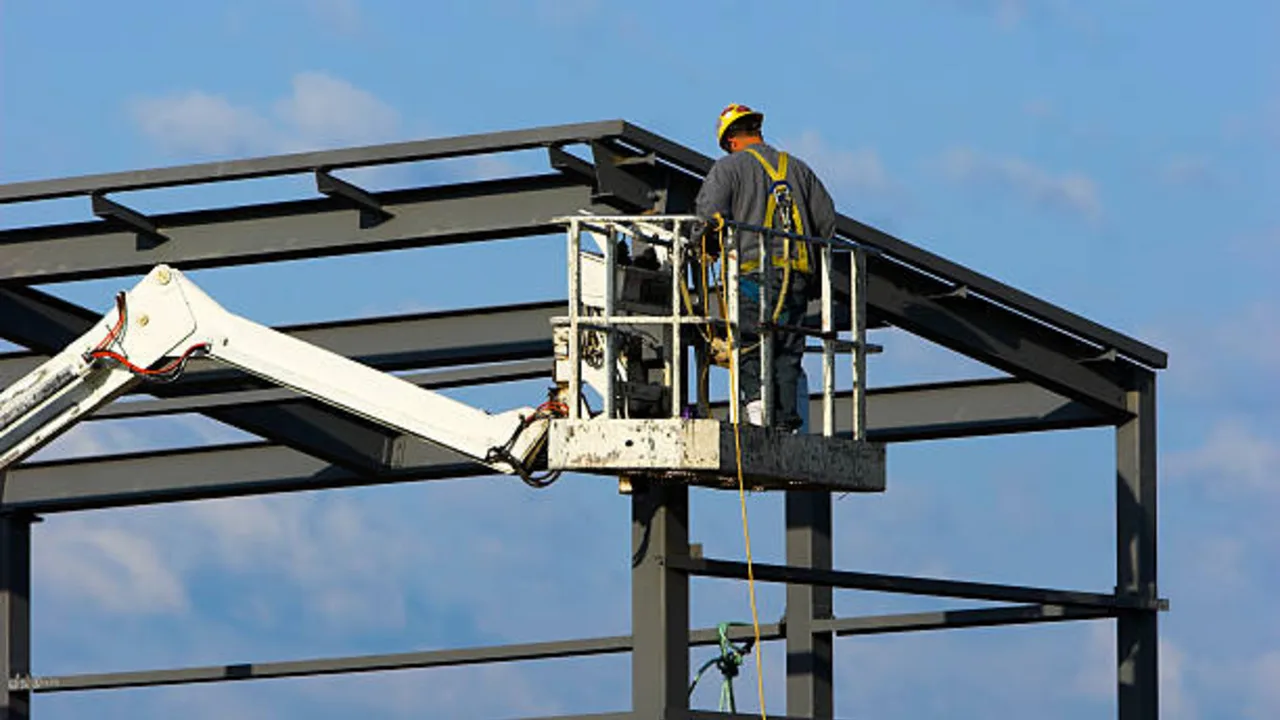
High wind environments demand a holistic engineering approach. Steel building wind zone design integrates aerodynamic understanding, structural analysis, connection detailing, and construction quality control. Each element contributes to resisting wind load safely and efficiently.
Proper system selection, continuous load paths, reinforced connections, and maintenance planning collectively determine structural performance. Steel’s strength-to-weight ratio and ductility make it ideal for wind-prone regions when applied with disciplined engineering practice.
Conclusion
Designing steel buildings for high wind zones requires more than increasing member sizes. It demands precise calculation of wind load, thoughtful structural system selection, reinforced connections, and strict construction oversight. Steel building wind zone design transforms environmental challenges into manageable engineering parameters.
When executed correctly, a well-engineered building steel structure can withstand extreme storms while maintaining safety, serviceability, and economic efficiency. By combining advanced analysis tools with practical field experience, engineers create resilient steel systems capable of performing reliably in the most demanding wind environments.