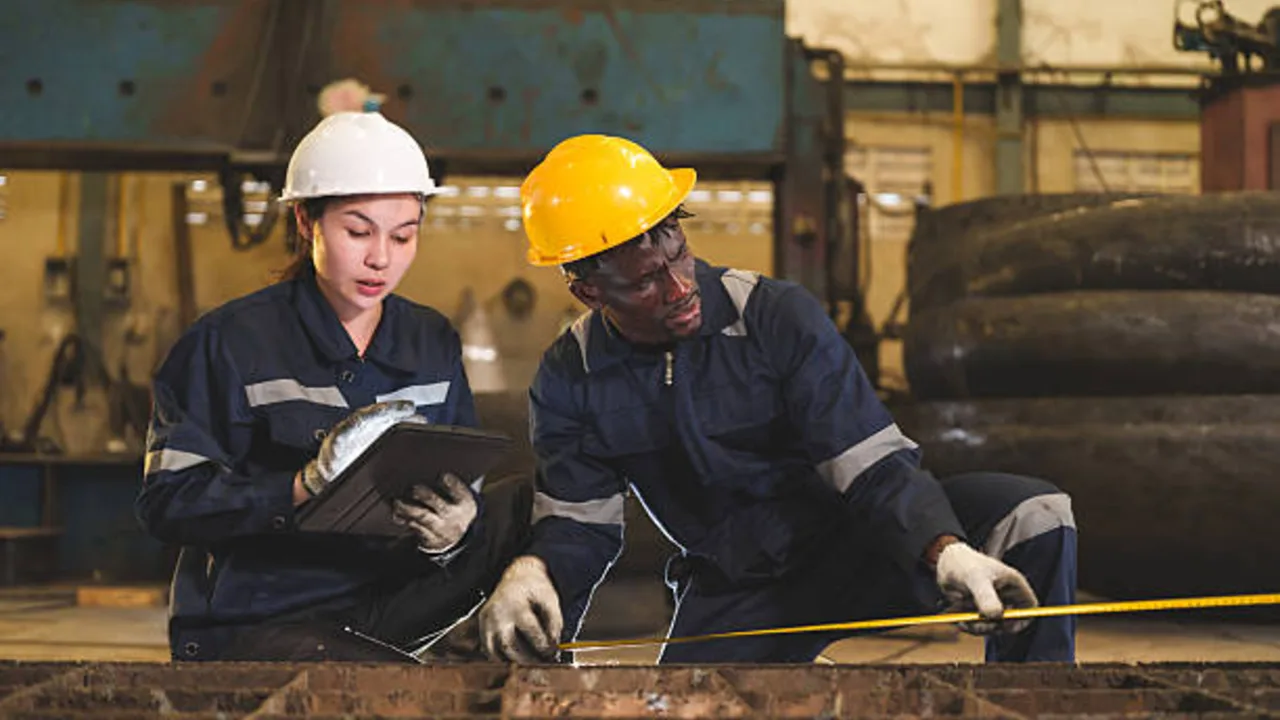
In steel construction, structural safety is not only determined by the final design but also by how the structure behaves during installation. One of the most critical considerations during construction is temporary stability steel building. While the completed structure may be fully engineered to resist loads, partially erected frames often lack the structural continuity required to maintain equilibrium. Without proper stability planning, even a well-designed steel structure can face instability during erection.
Steel buildings are typically assembled in stages. Columns, beams, and roof members are installed sequentially, meaning that load paths are incomplete for significant portions of the erection process. During these stages, temporary systems such as bracing become essential to maintain structural balance. Temporary stability steel building strategies ensure that forces such as wind loads, construction loads, and accidental impacts do not cause structural distortion or collapse before the permanent structural system is fully established.
Temporary stability steel building planning begins long before the first steel member is lifted. Engineers must evaluate erection sequences, temporary load paths, and the installation order of permanent components. Without these considerations, a partially completed frame may behave unpredictably under even moderate environmental loads.
In modern construction projects, stability planning is integrated into erection method statements and site management procedures. Contractors, engineers, and erection teams collaborate to ensure that temporary support systems maintain the correct geometry of the structure while allowing efficient installation of permanent members. This approach protects workers, preserves structural alignment, and reduces costly corrective work during later stages of the project.
Why Temporary Stability Is Critical During Steel Erection
Incomplete Structural Load Paths
A finished steel structure distributes loads through a network of beams, columns, and permanent bracing systems. However, during erection, these load paths are incomplete. Columns may stand without roof diaphragms, beams may not yet be connected, and bracing systems may not be installed.
This incomplete state creates a condition where structural members must temporarily resist forces they were not originally designed to handle. Temporary stability steel building measures ensure that the frame remains stable until the full structural system is assembled.
Without temporary stabilization, partially erected frames can experience excessive sway, rotation, or deformation. Even minor misalignment at early stages can accumulate as construction progresses, resulting in major structural corrections later.
Wind and Environmental Loads During Construction
One of the most underestimated risks during erection is wind. Even moderate wind loads can produce significant forces on tall columns or partially erected frames. Without sufficient bracing, these forces may cause instability.
Temporary stability steel building strategies often include temporary cable bracing or guy wires specifically designed to resist wind loads during erection. These systems stabilize columns and frames until permanent lateral systems are installed.
Environmental loads such as sudden gusts, uneven ground settlement, or crane movements can also introduce unexpected forces. Temporary stability planning must therefore account for both predictable and unpredictable site conditions.
Worker Safety and Construction Efficiency
Structural instability during erection poses serious safety risks for construction workers. Falling members, shifting frames, or unexpected structural movement can lead to severe accidents.
Temporary stability steel building measures significantly reduce these risks by ensuring that each stage of construction remains structurally balanced. Stable frames allow workers to install connections safely and efficiently.
Additionally, stability planning improves construction efficiency. When frames remain aligned and stable, erection crews can install members faster without needing constant adjustments or corrective work.
Key Principles of Temporary Stability Steel Building Design
Maintaining Structural Geometry
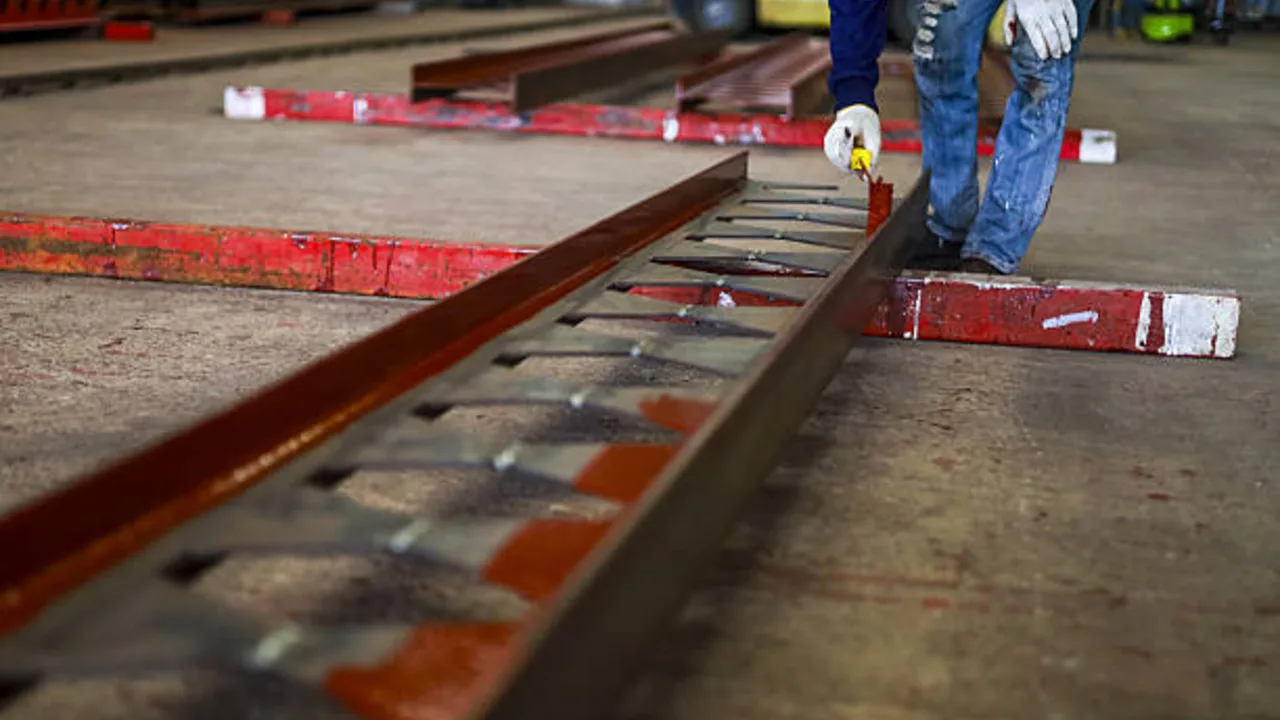
During erection, maintaining the intended geometry of the structure is essential. Columns must remain plumb, beams must align correctly, and connection points must remain within tolerance limits.
Temporary stability steel building systems help maintain this geometry while new members are installed. Temporary braces, cable systems, and temporary supports prevent displacement and distortion of structural components.
By controlling geometry during construction, engineers ensure that the final structure matches the original design assumptions.
Creating Immediate Load Paths
A key principle of temporary stability steel building planning is creating immediate load paths at every stage of erection. Whenever a new structural component is installed, engineers must ensure that the forces acting on that component can be safely transferred to the ground.
Temporary bracing systems provide these load paths. By stabilizing columns, beams, and frames, temporary supports distribute loads until permanent structural elements take over the load-bearing role.
Without these temporary load paths, structural components may experience localized stresses that exceed their capacity.
Sequencing and Stability Planning
Erection sequencing plays a major role in structural stability. The order in which steel members are installed directly affects how loads travel through the partially completed frame.
Temporary stability steel building planning therefore includes detailed erection sequences developed by structural engineers and contractors. These sequences define when temporary bracing must be installed and when permanent systems can replace them.
Careful sequencing prevents unstable configurations and ensures that each stage of construction remains safe.
Types of Temporary Bracing Used During Steel Erection
Cable Bracing Systems
Cable bracing systems are among the most common temporary stabilization methods. Steel cables are lightweight, easy to install, and highly adjustable.
During erection, cables can be tensioned to stabilize columns and beams until permanent structural systems are completed. This form of bracing is especially useful for wide-span buildings where lateral stability must be maintained across large structural bays.
Cable bracing allows erection crews to adjust tension as construction progresses, maintaining the correct alignment of the structure.
Temporary Diagonal Bracing Members
Temporary diagonal steel members are often installed between columns and beams to stabilize frames during erection. These members function similarly to permanent bracing but are removed once the permanent system is installed.
In large industrial structures, temporary diagonal bracing may be required for multiple bays until the roof diaphragm is completed.
Temporary stability steel building systems often combine both cable and rigid bracing methods to achieve optimal stability.
Guy Wires and Anchoring Systems
For tall steel columns or isolated structural frames, guy wires provide additional stabilization. These cables are anchored to ground points or temporary foundations and help prevent column rotation.
Guy wires are commonly used in projects involving large industrial structures or tall steel frames where wind exposure is significant.
When combined with temporary bracing systems, guy wires help ensure that the partially erected frame remains stable under construction loads.
Erection Sequence and Its Impact on Stability
Bay-by-Bay Erection Strategy
One widely used erection strategy is the bay-by-bay approach. In this method, steel frames are installed sequentially, completing one stable structural bay before moving to the next.
By installing permanent bracing early within each bay, engineers ensure that the partially completed structure maintains adequate stability.
This approach reduces the need for excessive temporary supports and helps maintain structural alignment.
Core-First Stabilization Approach
In complex buildings, erection may begin with a central core or rigid frame that provides initial stability for the rest of the structure.
Once the core structure is stabilized with temporary and permanent bracing, additional structural bays can be connected to this stable system.
Temporary stability steel building planning ensures that the core frame remains stable while surrounding structures are installed.
Progressive Frame Stabilization
Another strategy involves progressive stabilization of the structure. In this method, temporary bracing is installed first, followed by permanent structural elements.
As permanent bracing and diaphragms are completed, temporary supports can be gradually removed.
This approach ensures continuous structural stability throughout the erection process.
Engineering Considerations for Temporary Stability Steel Building
Load Calculations for Temporary Conditions
Temporary construction conditions differ significantly from final design conditions. Structural members may experience loads in directions not anticipated in the final structure.
Engineers must calculate temporary load cases when planning temporary stability steel building systems. These calculations include wind exposure, lifting loads, and construction equipment forces.
Standards and guidelines from organizations such as the American Institute of Steel Construction provide recommendations for evaluating construction-stage stability.
Column Base Stability
Column bases are particularly vulnerable during erection. Until beams and bracing systems are installed, columns may act as cantilever elements with limited lateral support.
Temporary stability steel building systems often include temporary braces or guy wires connected to column bases to prevent rotation or displacement.
Proper anchor bolt installation and base plate alignment are also essential to maintain stability during early erection stages.
Connection Capacity During Partial Assembly
During erection, structural connections are often only partially completed. Bolts may be installed but not fully tightened, and welds may still be incomplete. Under these conditions, the actual load-carrying capacity of connections is lower than in the finished structure.
Temporary stability steel building planning must account for this reduced capacity. Engineers ensure that temporary bracing systems limit forces acting on partially completed connections. By controlling the load flow during erection, the structure can remain stable while final connection work is completed.
In addition, erection crews follow tightening sequences and inspection procedures to ensure that temporary loads do not exceed the allowable limits of partially installed connections. Careful coordination between structural engineers and construction teams helps prevent connection failure during this critical phase.
Role of Bracing Systems in Steel Erection Safety
Permanent Bracing vs Temporary Bracing
Permanent bracing is part of the final structural system and is designed to resist long-term loads such as wind and seismic forces. Temporary bracing, on the other hand, exists only during construction to stabilize the frame until the permanent system becomes effective.
Temporary stability steel building strategies typically rely on both types. Temporary systems stabilize the structure during early erection stages, while permanent bracing gradually replaces them as construction progresses.
The timing of this transition is important. Removing temporary bracing too early can expose the structure to instability, while leaving it in place too long may interfere with construction activities.
Lateral Stability of Frames
Steel frames without lateral restraint can sway significantly under horizontal loads. During erection, when roof diaphragms and permanent bracing systems are not yet installed, lateral stability becomes a major concern.
Temporary stability steel building measures provide the necessary restraint to prevent excessive lateral movement. Temporary cable bracing, diagonal members, and guy wires help maintain frame alignment and protect structural members from bending beyond allowable limits.
By stabilizing frames in both directions, these systems maintain geometric integrity until the permanent lateral system is fully operational.
Preventing Progressive Structural Collapse
A major objective of temporary stability planning is preventing progressive collapse. If a partially erected frame becomes unstable, the failure of one component may trigger a chain reaction affecting adjacent structural members.
Temporary bracing systems interrupt this chain by providing alternative load paths. They distribute forces across multiple structural elements and prevent localized failures from spreading.
Proper temporary stability steel building design therefore contributes not only to stability but also to overall construction safety.
Inspection and Monitoring During Steel Erection
Alignment Checks
Maintaining correct alignment is essential throughout the erection process. Columns must remain vertical, beams must be properly positioned, and structural frames must maintain their designed geometry.
Survey equipment is often used to verify column plumbness and frame alignment. If misalignment is detected, adjustments can be made before additional structural members are installed.
Temporary stability steel building systems support these alignment efforts by holding members in their correct positions during construction.
Bolt Tightening and Connection Verification
Connections must be inspected regularly during erection. Bolts are typically installed in stages, beginning with temporary installation followed by final tightening once alignment is confirmed.
Proper tightening ensures that connections can safely transfer loads and support the structure as temporary supports are removed.
Inspection teams also verify weld quality and ensure that connection details comply with engineering specifications.
Temporary Bracing Inspection
Temporary bracing systems themselves require monitoring. Cable tensions, anchoring points, and connection bolts must be checked regularly to ensure they remain effective.
Environmental conditions such as wind or vibration can loosen cables or shift anchoring systems. Routine inspection ensures that temporary stabilization systems continue to perform as intended throughout the erection process.
Temporary Stability Planning in the Paraguay Logistics Warehouse Project
A practical example of temporary stability steel building planning can be seen in the Paraguay Logistics Warehouse project, a large-scale industrial facility designed for regional distribution operations. The building features wide structural spans and high column heights, making temporary stability a critical factor during erection.
During early erection stages, the steel frame consisted only of columns and primary beams without the roof diaphragm that would eventually provide lateral stiffness. This configuration left the structure vulnerable to wind loads across the open industrial site.
To address this risk, the erection team installed temporary cable bracing across multiple structural bays. These cables were tensioned to stabilize the frame and prevent column displacement while additional beams and roof members were installed.
Engineers also adjusted the erection sequence to complete a stable structural bay before extending the frame further across the building footprint. This bay-by-bay approach ensured that each stage of the structure had sufficient lateral stability before new members were added.
As roof purlins and permanent bracing systems were installed, the temporary cable systems were gradually removed. The transition from temporary stabilization to permanent structural support occurred smoothly without disrupting the erection schedule.
Upon completion, structural surveys confirmed that frame alignment remained within design tolerances. The temporary stability steel building strategy successfully maintained structural geometry, protected worker safety, and enabled efficient construction progress throughout the project.
Common Mistakes in Temporary Stability Planning
Delaying Bracing Installation
One of the most common mistakes during steel erection is postponing the installation of temporary bracing. Some projects attempt to accelerate construction by installing multiple structural bays before stabilizing the frame.
This approach significantly increases instability risk. Temporary stability steel building systems must be installed as soon as possible during the erection sequence.
Ignoring Wind During Construction
Wind loads during construction are often underestimated. Because the structure lacks completed walls and roofs, wind can pass through the frame and create unexpected forces.
Temporary bracing and stabilization systems must be designed to resist these construction-stage wind loads.
Poor Coordination Between Design and Erection Teams
Temporary stability planning requires close coordination between structural engineers and erection contractors. Without proper communication, erection sequences may not align with stability requirements.
A well-developed erection plan ensures that temporary stabilization measures remain consistent with the structural design.
Long-Term Benefits of Proper Temporary Stability Planning
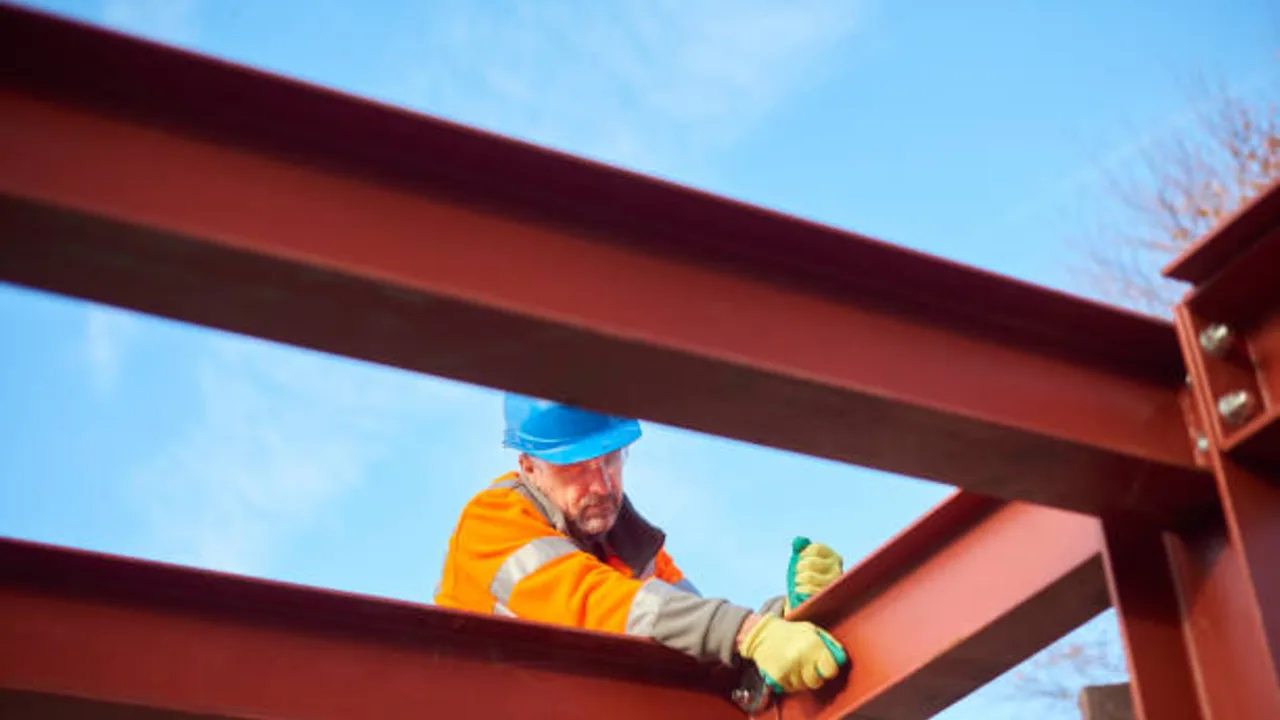
Proper temporary stability steel building planning provides several long-term advantages. First, it improves worker safety by reducing the risk of structural instability during construction.
Second, it enhances construction efficiency by maintaining correct alignment throughout the erection process. When frames remain stable, installation of beams, roof systems, and cladding becomes faster and more accurate.
Third, it reduces the need for structural corrections. Misaligned frames often require costly adjustments later in the project. Temporary stabilization systems help maintain structural geometry from the beginning.
Finally, effective planning ensures that permanent structural systems perform as intended once construction is complete.
Conclusion
Temporary stability steel building measures are essential for safe and efficient steel erection. During construction, partially assembled structures lack the full load paths required for stability, making temporary support systems critical.
Through careful planning, temporary bracing, and controlled erection sequencing, engineers ensure that structures remain stable at every stage of construction. These measures protect workers, preserve structural alignment, and support efficient project execution.
For projects that require precise engineering and reliable construction methods, working with experienced professionals in structure steel building design and erection ensures that both temporary and permanent structural systems perform as intended.