In many industrial regions around the world, thousands of steel buildings constructed decades ago are still in operation. While these structures were originally designed for the requirements of their time, evolving operational needs, modern safety regulations, and increased load demands have made steel building retrofit an essential engineering solution. Retrofitting allows existing facilities to extend their service life, improve structural performance, and support new operational functions without the need for complete demolition and reconstruction.
A well-planned steel building retrofit project focuses on improving structural reliability while preserving the efficiency advantages of steel structures. Through targeted structural strengthening, engineers can increase load capacity, enhance lateral stability, and adapt buildings to new equipment or expanded production needs. This approach is particularly valuable for industrial facilities, warehouses, and logistics centers where structural frames remain fundamentally sound but require modernization.
Today, retrofitting strategies combine structural analysis, modern engineering methods, and advanced fabrication techniques. Rather than replacing an entire facility, engineers focus on reinforcing critical structural components such as columns, beams, bracing systems, and connections. These interventions restore or enhance the performance of an existing prefabricated steel structure building while minimizing downtime and project cost.
Why Steel Building Retrofit Is Necessary
Older steel structures often remain structurally viable, but operational and regulatory changes can introduce new requirements. In many cases, steel building retrofit becomes the most efficient method to upgrade structural performance while maintaining the existing building framework.
Aging Infrastructure and Structural Degradation
Over time, steel structures experience environmental exposure that may gradually reduce structural efficiency. Moisture, temperature variation, and chemical exposure can lead to corrosion or fatigue in structural members. Although steel structures are known for their durability, decades of service may weaken specific elements such as connection plates or bracing nodes.
A steel building retrofit program addresses these issues by reinforcing affected components and restoring the original structural strengthening level. Through careful inspection and targeted reinforcement, engineers ensure that the building continues to perform safely under operational loads.
Increased Load Requirements
Modern industrial facilities frequently require higher load capacities than older structures were originally designed to support. The installation of heavier machinery, new crane systems, or expanded storage operations can significantly increase structural demand.
In such cases, steel building retrofit enables engineers to strengthen structural members without altering the entire building framework. Reinforcing beams, upgrading connections, and improving bracing systems can effectively increase the building’s structural capacity.
Updated Building Codes and Safety Regulations
Structural engineering standards evolve as research advances and new safety insights emerge. Buildings constructed decades ago may not fully comply with current seismic, wind, or structural design codes. A steel building retrofit allows older facilities to meet modern regulatory requirements while maintaining their operational functionality.
Through structural strengthening methods, engineers can upgrade lateral resistance systems, reinforce critical connections, and ensure that the building complies with updated safety guidelines. Organizations such as the American Institute of Steel Construction provide widely recognized design standards used during retrofit evaluations.
Operational Expansion and Facility Repurposing
Many industrial buildings undergo operational changes throughout their lifecycle. Warehouses may be converted into manufacturing facilities, logistics hubs may expand storage systems, or production plants may require additional floors or equipment platforms.
In these scenarios, steel building retrofit allows the structure to adapt to new functional requirements. Structural strengthening can enable additional floor loads, accommodate new mechanical equipment, or support expanded operational layouts.
Structural Assessment Before Steel Building Retrofit
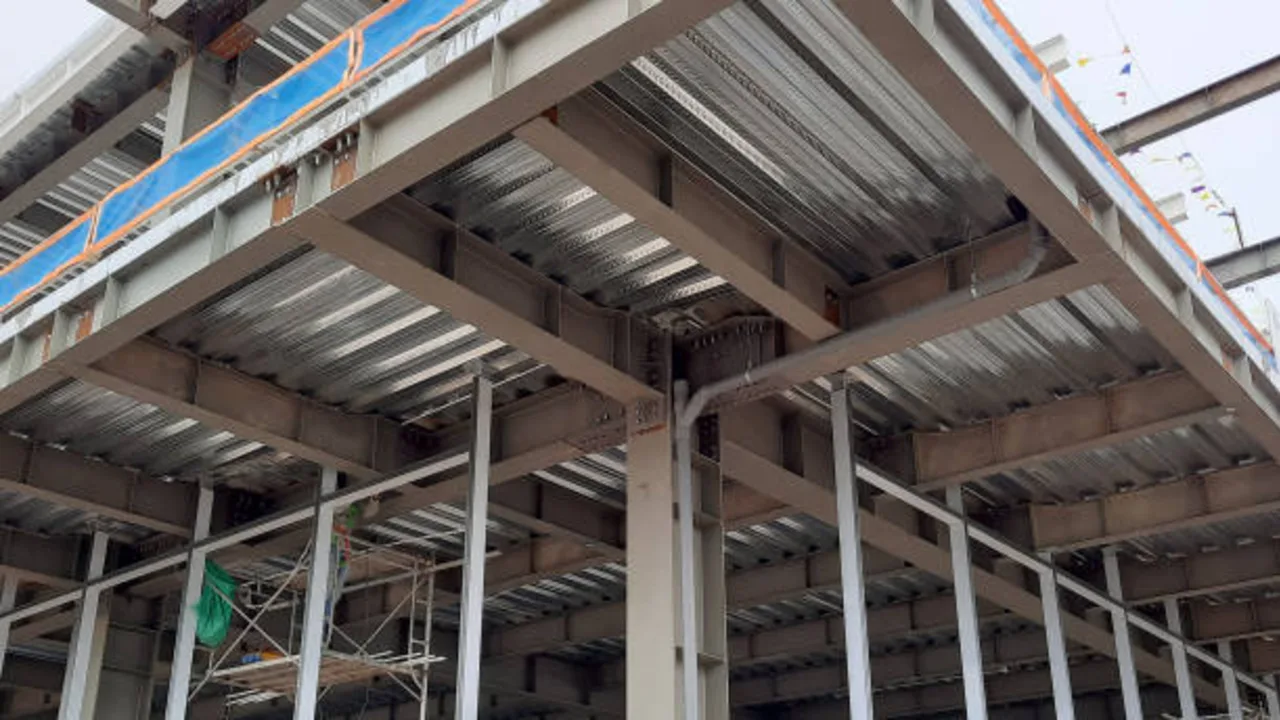
Before implementing any retrofit strategy, engineers must conduct a detailed structural evaluation. A successful steel building retrofit begins with understanding the current structural condition and identifying the areas that require strengthening.
Structural Inspection and Data Collection
The first step in any retrofit project is a comprehensive inspection of the existing building. Engineers examine structural members, connection details, base plates, and bracing systems to identify potential weaknesses.
Inspection methods may include visual assessments, dimensional measurements, and material sampling. Non-destructive testing techniques such as ultrasonic thickness measurements or magnetic particle inspection are often used to evaluate steel condition without damaging the structure.
This inspection process allows engineers to determine where structural strengthening is required and whether the building frame remains suitable for retrofit.
Load Evaluation and Structural Modeling
After collecting structural data, engineers perform analytical calculations to determine how the building behaves under existing and proposed loads. Computer modeling tools allow engineers to simulate load distribution throughout the structural system.
These analyses evaluate how increased equipment loads, additional floors, or environmental forces affect the building’s structural behavior. If deficiencies are identified, engineers develop strengthening strategies to improve structural performance.
Through these analytical procedures, a steel building retrofit project ensures that all modifications are based on accurate structural evaluation rather than assumptions.
Identifying Critical Structural Weak Points
During assessment, engineers typically focus on structural elements that play a central role in load transfer. Common areas requiring strengthening include column bases, beam-column connections, and lateral bracing systems.
Column base plates often experience concentrated loads and may require reinforcement if the building is upgraded to support heavier equipment. Beam connections may also require strengthening if additional floor loads or cranes are introduced.
Bracing systems are equally important because they provide lateral stability. Inadequate bracing may lead to excessive structural drift under wind or seismic loads. By identifying these critical areas early, engineers can implement targeted steel building retrofit solutions that improve overall structural reliability.
Determining Retrofit Feasibility
Not every building is suitable for retrofit. Engineers must evaluate whether the existing structural system can economically support strengthening modifications. Factors such as foundation condition, structural alignment, and material degradation influence this decision.
If the structural framework remains sound, retrofitting can significantly extend the building’s lifespan while reducing construction time and environmental impact. However, if the primary structural system has deteriorated beyond repair, complete reconstruction may be more practical.
When properly assessed and designed, a steel building retrofit project offers a highly efficient solution for upgrading industrial facilities without the need for full structural replacement.
Common Steel Building Retrofit Techniques
After completing structural assessments, engineers implement targeted reinforcement methods to improve the performance of an existing structure. A well-executed steel building retrofit focuses on upgrading specific structural components that control load transfer and stability. By reinforcing these elements, engineers can restore structural capacity and adapt the building to new operational requirements through strategic strengthening.
Column Strengthening Methods
Columns are the primary vertical load-bearing members in a steel structure. When additional loads are introduced—such as new equipment, mezzanine floors, or heavier production machinery—the original column capacity may become insufficient.
Column strengthening techniques often include welding additional steel plates to the column flanges or webs to increase cross-sectional strength. Another approach involves steel jacketing, where new steel plates or sections are installed around the existing column. This method significantly improves compressive capacity and stiffness.
In retrofit projects involving heavy industrial facilities, engineers may also introduce composite strengthening solutions where reinforced concrete encasement works together with the steel column to enhance overall structural performance.
Beam Reinforcement Strategies
Beams frequently require reinforcement when new loads are added to an existing building. A steel building retrofit often strengthens beams by attaching flange plates to increase bending resistance. Additional web stiffeners may also be welded to improve shear capacity.
These strengthening techniques allow the beam to safely support increased loads without replacing the entire structural member. In many retrofit projects, reinforcing beams proves significantly more cost-effective than installing new structural framing.
Bracing System Upgrades
Lateral stability is critical in steel structures, especially in large industrial facilities or wide-span buildings. Many older buildings were designed under earlier wind or seismic standards and may require upgraded bracing systems.
A steel building retrofit can improve lateral stability by adding new cross-bracing members or strengthening existing braces. Engineers may also reinforce gusset plates to ensure connections can transfer higher forces. These strengthening upgrades significantly improve the building’s resistance to wind and seismic loads.
Foundation and Base Plate Retrofit
Increased structural loads often require upgrades to the interface between steel columns and concrete foundations. Column base plates may need to be enlarged or reinforced to distribute loads more effectively.
Anchor bolts may also be upgraded to handle increased tension forces. Through careful strengthening of these components, engineers ensure that the foundation system remains capable of supporting the retrofitted structure.
Steel Building Retrofit for Seismic Strengthening
Seismic performance is one of the most common reasons for structural retrofitting. Older buildings may lack sufficient ductility or lateral resistance to meet modern seismic safety standards. A properly designed steel building retrofit can significantly improve earthquake performance.
Seismic Vulnerabilities in Older Steel Structures
Older steel buildings often contain moment connections that were not designed to accommodate large cyclic deformations during earthquakes. These connections may fail prematurely under seismic stress.
Another common issue is insufficient lateral bracing, which can lead to excessive structural drift. Without adequate strengthening, seismic forces may concentrate in specific structural components.
Adding Energy Dissipation Systems
Modern retrofit strategies often incorporate energy dissipation devices such as seismic dampers or specialized bracing systems. These devices absorb earthquake energy and reduce the forces transferred to structural members.
By integrating these systems into a steel building retrofit, engineers can significantly improve the building’s seismic resilience while minimizing structural damage during seismic events.
Improving Structural Ductility
Ductility allows a structure to deform without sudden failure during extreme loading conditions. Strengthening beam-column connections improves ductility by ensuring that connections can accommodate controlled deformation during seismic activity.
Through carefully designed strengthening methods, retrofit projects can transform older buildings into structures capable of meeting modern seismic performance requirements.
Steel Building Retrofit for Load Capacity Increase
Another common objective of structural retrofitting is increasing load capacity. Industrial facilities often evolve over time, requiring structures to support heavier equipment or expanded production operations.
Retrofitting for Overhead Crane Systems
The installation of overhead crane systems introduces significant additional loads to an existing building. Crane runway beams and supporting columns must be strengthened to handle these loads safely.
A steel building retrofit may reinforce runway beams with additional plates or replace critical connection components. Column strengthening may also be required to ensure safe load transfer.
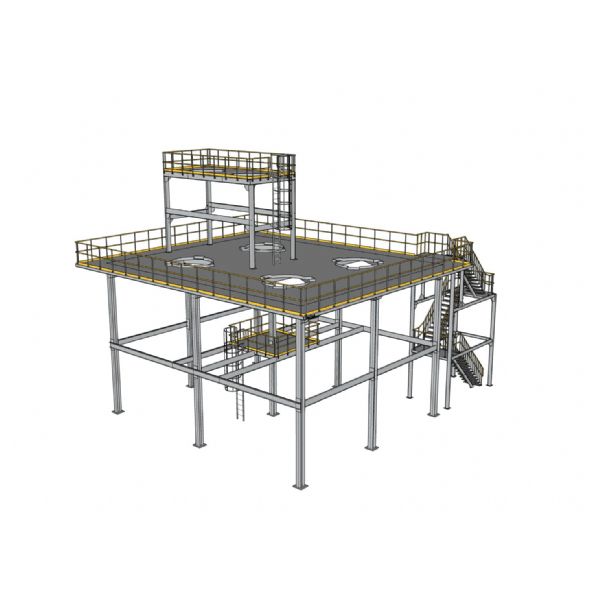
Adding Mezzanine Floors or Equipment Platforms
Many facilities require additional interior space without expanding the building footprint. Mezzanine floors and equipment platforms provide practical solutions, but they also introduce new structural demands.
Through strengthening techniques such as beam reinforcement and column upgrades, engineers can safely integrate these new structural elements into an existing building.
Roof Reinforcement for Additional Equipment
Modern industrial buildings frequently install rooftop equipment such as HVAC systems, solar panels, or mechanical units. These additions increase roof loads beyond the original design capacity.
A steel building retrofit may reinforce roof beams or trusses to support these new loads while maintaining structural safety.
Fabrication and Construction Considerations
Retrofitting existing structures presents unique construction challenges. Engineers and contractors must perform strengthening work while preserving the stability of the building and minimizing operational disruption.
Working Within Existing Structures
Unlike new construction, retrofit projects occur within operational environments. Construction teams must carefully coordinate strengthening work to avoid interfering with ongoing industrial activities.
Phased construction schedules often allow structural upgrades to occur in stages while maintaining facility operations.
Welding and Bolting in Retrofit Conditions
Access limitations and confined working conditions can complicate welding and bolting operations during retrofits. Engineers must consider these constraints when designing strengthening methods.
Selecting appropriate connection techniques ensures that structural modifications can be safely installed in existing buildings.
Safety and Structural Stability During Retrofit
Maintaining structural stability during construction is essential. Temporary supports or load redistribution measures may be required while strengthening work is underway.
Careful planning ensures that the building remains stable throughout the retrofit process.
Case Project: Steel Building Retrofit for Industrial Expansion
A practical example of steel building retrofit can be seen in a large industrial facility that required structural upgrades to support expanded production equipment. The building was originally constructed as a light manufacturing plant but later needed to accommodate heavier machinery and additional overhead cranes.
During the structural evaluation phase, engineers discovered that several beam-column connections and crane support columns lacked sufficient capacity. Instead of replacing the entire building frame, engineers developed a targeted strengthening strategy.
Flange plates were welded to critical beams to increase bending capacity, while column sections were reinforced with additional steel plates. Bracing systems were also upgraded to improve lateral stability under increased loads.
The retrofit work was performed in phases to allow the facility to continue operating during construction. Once completed, the building successfully supported the upgraded production line and crane systems, demonstrating the effectiveness of strategic strengthening in steel retrofit projects.
Cost and Economic Benefits of Steel Building Retrofit
From a financial perspective, retrofit projects often provide significant advantages compared with full structural replacement.
Retrofit vs New Construction
Constructing a new building requires demolition, new foundations, and complete structural fabrication. A steel building retrofit avoids many of these costs by utilizing the existing structural frame.
This approach reduces construction time and project expenses while delivering improved structural performance.
Reduced Environmental Impact
Retrofitting existing structures also supports sustainability objectives. By preserving structural materials, retrofit projects reduce construction waste and lower the environmental footprint associated with new steel production.
Long-Term Lifecycle Value
Extending the service life of a building through strengthening provides long-term economic value. Facilities can continue operating safely for decades without the need for complete structural replacement.
Challenges in Steel Building Retrofit Projects
Despite its advantages, retrofitting can present several engineering and construction challenges.
Hidden Structural Damage
Some structural problems may not be visible during initial inspections. Corrosion or fatigue damage may only become apparent once retrofit work begins.
Structural Compatibility Issues
Integrating new structural elements with older steel members requires careful engineering to ensure compatibility between materials and connection methods.
Construction Constraints
Limited access, restricted working space, and ongoing facility operations can complicate construction logistics during retrofit projects.
Future Trends in Steel Building Retrofit
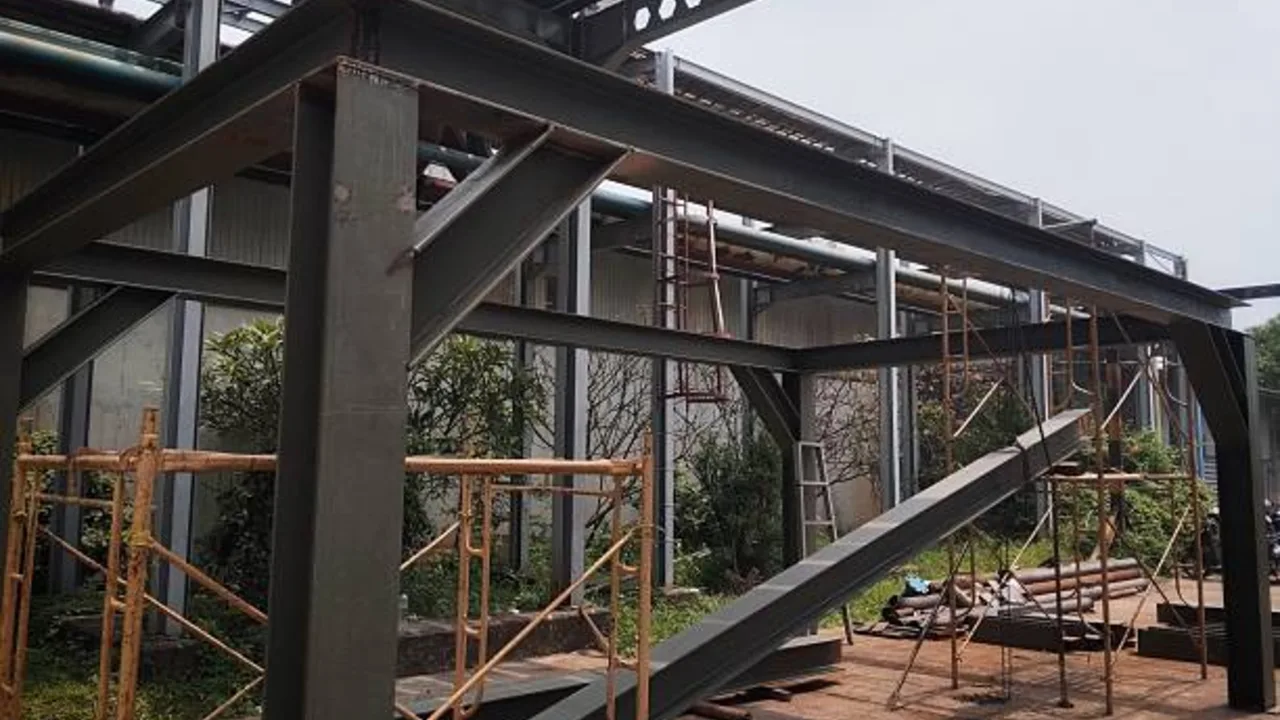
Technological advances continue to improve retrofit strategies and strengthening methods for existing steel structures.
Digital Structural Analysis
Modern engineering software allows detailed structural simulations that help engineers design precise retrofit solutions.
Advanced Strengthening Materials
High-strength steel plates and composite reinforcement materials provide new options for improving structural performance.
Sustainable Retrofit Strategies
Future retrofit projects will increasingly combine structural strengthening with energy-efficiency upgrades, improving both structural and environmental performance.
Conclusion
A well-designed steel building retrofit provides a practical solution for upgrading aging steel structures to meet modern operational demands. Through careful structural evaluation and targeted strengthening methods, engineers can significantly improve building performance without the cost and disruption of complete reconstruction.
Whether upgrading load capacity, improving seismic performance, or adapting facilities to new uses, retrofitting ensures that existing steel buildings remain reliable, efficient, and capable of supporting industrial operations for many years to come.