In complex steel construction projects, execution quality is determined long before materials arrive on site. One of the strongest competitive advantages a steel supplier can have is full ownership of its production process. The in-house steel workshop benefits go far beyond convenience—they directly impact quality control, scheduling accuracy, and overall project reliability.
As project requirements grow more demanding and timelines become tighter, clients increasingly favor suppliers with internal fabrication capabilities. An in-house workshop allows a steel structure company to manage every critical step—from raw material preparation to final inspection—without dependency on third parties. This control translates into fewer uncertainties, clearer accountability, and stronger project outcomes.
This article explains why in-house workshops play a decisive role in project control, focusing on quality assurance, lead time optimization, coordination efficiency, and long-term operational stability.
The Role of Production Control in Steel Structure Projects
Steel structure projects are highly interdependent systems. Design accuracy, fabrication precision, logistics timing, and site installation must align perfectly. When production is outsourced, coordination gaps often emerge. In contrast, the in-house steel workshop benefits include centralized decision-making and real-time production oversight.
With in-house fabrication, engineering teams can work closely with workshop supervisors, ensuring drawings are interpreted correctly and adjusted quickly if conditions change. This tight integration reduces the risk of miscommunication that often occurs when fabrication is handled by external factories with limited project context.
Quality Control Advantages of In-House Steel Workshops
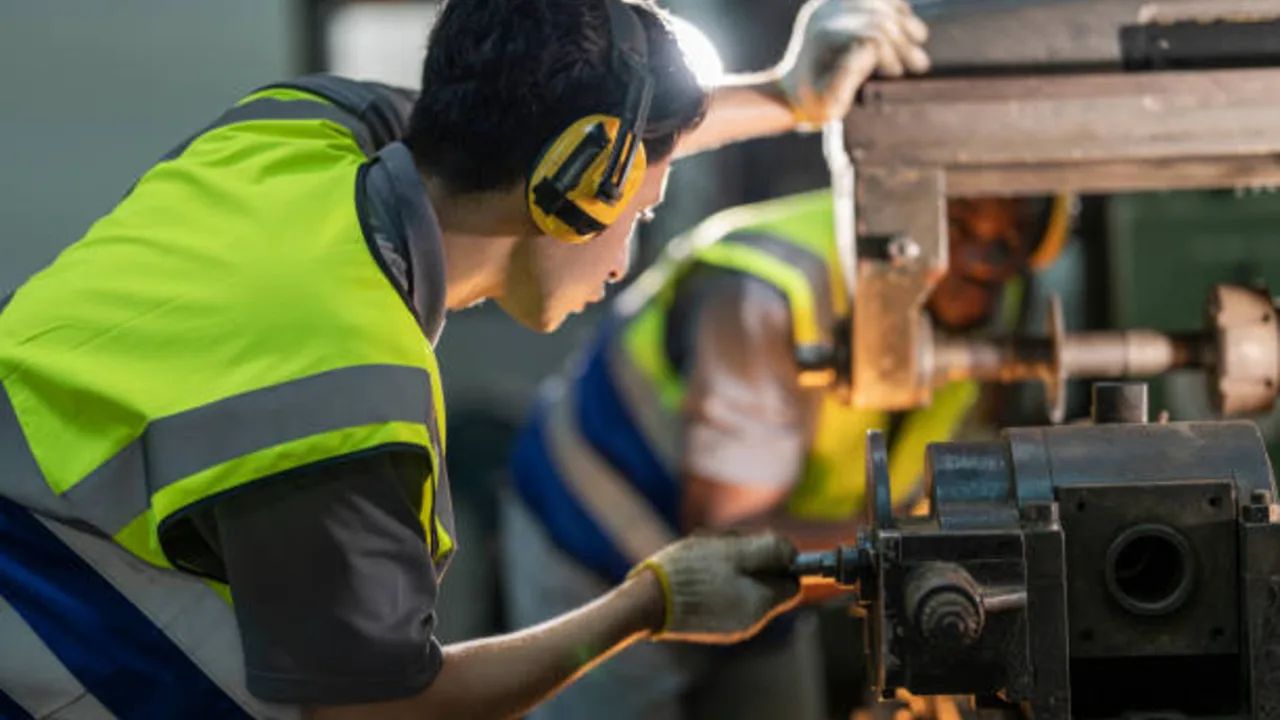
Quality control is one of the most critical factors in steel construction. Structural integrity depends on accurate cutting, precise welding, controlled tolerances, and proper surface treatment. In-house workshops allow companies to enforce consistent quality standards throughout the entire fabrication process.
Instead of relying on third-party inspection reports, companies with internal workshops can implement their own inspection protocols, including material traceability, welding procedure qualification, dimensional checks, and coating verification. Problems can be identified and corrected immediately, preventing defects from progressing downstream.
These in-house steel workshop benefits significantly reduce rework, minimize site corrections, and improve long-term structural performance—outcomes that are difficult to achieve with fragmented production chains.
Reducing Lead Time Through Internal Fabrication
Another major advantage of in-house workshops is shorter and more predictable lead time. When fabrication is outsourced, schedules depend on external factory availability, queue priorities, and subcontractor coordination. Any delay outside the supplier’s control can impact the entire project timeline.
With internal workshops, production schedules are aligned directly with project milestones. Material preparation, fabrication sequencing, and delivery planning can be adjusted dynamically based on real-time progress. This flexibility allows steel suppliers to respond faster to design changes, urgent revisions, or accelerated project demands.
Shorter lead times improve installation planning, reduce idle labor on site, and help clients maintain tighter construction schedules—one of the most tangible in-house steel workshop benefits.
Better Coordination Between Engineering and Fabrication
Engineering and fabrication are not isolated phases; they are iterative processes. Design optimization often continues after initial drawings are issued. In-house workshops enable seamless feedback loops between engineers and production teams.
When fabrication challenges arise—such as complex joints, tolerance conflicts, or material constraints—engineers can immediately review and adjust details. This level of responsiveness is rarely possible when workshops are external and communication flows through multiple intermediaries.
As a result, companies with in-house workshops can deliver more buildable designs, reduce fabrication errors, and enhance overall project efficiency.
Cost Control and Risk Reduction
While outsourcing may appear cheaper at first glance, it often introduces hidden and compounding costs that are difficult to detect during the bidding stage. Quality issues, schedule overruns, logistics inefficiencies, and prolonged dispute resolution can quickly erode any initial cost advantage. In contrast, the in-house steel workshop benefits include higher cost transparency, tighter financial control, and significantly lower project risk exposure.
One of the biggest cost advantages of internal fabrication lies in material efficiency. When production is managed in-house, steel usage can be planned and optimized at a granular level. Cutting layouts are adjusted to minimize scrap, material substitutions are evaluated by engineers rather than purchasing teams alone, and wastage is tracked in real time. Over the course of a large steel structure project, these efficiencies translate into meaningful cost savings that outsourcing models rarely achieve.
Internal fabrication also stabilizes pricing. Outsourced production is often subject to fluctuating subcontractor rates, capacity constraints, and sudden repricing due to labor shortages or factory backlogs. These variables introduce uncertainty into project budgets. By contrast, an in-house workshop allows companies to forecast fabrication costs more accurately, lock production schedules earlier, and shield projects from short-term market volatility.
From a risk management perspective, production ownership is equally important. Outsourced fabrication creates multiple risk transfer points—between design, fabrication, inspection, and delivery. Each handover increases the chance of misalignment, unclear responsibility, and contractual disputes. When issues arise, determining liability can delay corrective action and escalate costs. The in-house steel workshop benefits include clear accountability: problems are identified faster, resolved internally, and corrected before they impact downstream activities.
Schedule risk is another major factor. Delays in fabrication often trigger cascading consequences, affecting transportation bookings, site readiness, and installation sequencing. With in-house production, timelines can be adjusted dynamically. Fabrication priorities can be re-sequenced, overtime can be strategically applied, and delivery plans can be aligned directly with site conditions. This flexibility reduces idle labor, avoids re-mobilization costs, and protects overall project cash flow.
Ultimately, cost control in steel construction is not about choosing the lowest fabrication price—it is about controlling uncertainty. Internal workshops reduce reliance on external variables, shorten feedback loops, and give project teams the ability to respond proactively rather than react defensively. In high-value steel structure projects, these risk reductions often outweigh any perceived savings from outsourcing, making in-house fabrication a financially and operationally sound strategy.
Logistics Efficiency and Export Readiness
For overseas projects, in-house workshops offer additional advantages. Export packing, labeling, and container loading can be coordinated directly with fabrication schedules. This ensures components are packed according to installation sequence and site requirements.
Companies that operate their own steel structure workshop can tailor packing methods to protect components during long-distance transport, reducing damage risk and on-site handling issues.
According to industry insights shared by international steel manufacturers, integrated workshops improve export reliability by aligning production, inspection, and logistics under one management system. External references, such as this analysis on fabrication control in steel manufacturing, highlight how internal production reduces cross-border coordination risks.
Scalability and Long-Term Project Support
In-house workshops also support scalability. As project volume increases or client requirements evolve, internal facilities can be expanded, reconfigured, or upgraded to meet new demands. This adaptability allows steel structure companies to grow alongside their clients.
Moreover, long-term support becomes more reliable. When future expansions, retrofits, or maintenance projects arise, companies with in-house workshops retain full knowledge of original fabrication details. This continuity enhances lifecycle support and reinforces long-term client relationships.
When In-House Workshops Matter Most
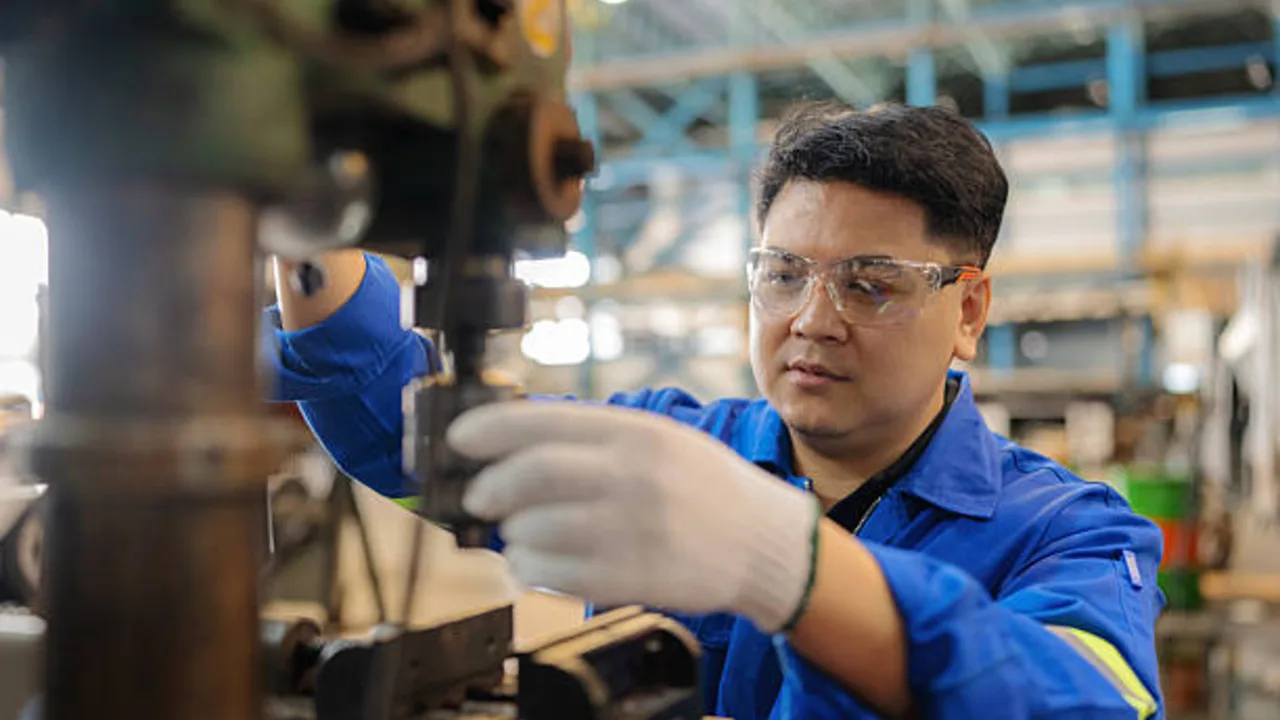
Not every project requires the same level of production control. However, in-house workshops are especially valuable for:
- Large-span or complex steel structures
- Projects with tight delivery schedules
- Overseas or multi-phase developments
- High-spec industrial and aviation facilities
- Clients prioritizing consistency and predictability
In these scenarios, the in-house steel workshop benefits directly translate into reduced risk and improved project outcomes.
Conclusion: Production Control as a Strategic Advantage
In today’s competitive steel construction market, production capability is no longer a background function—it is a strategic differentiator. Companies that invest in in-house workshops gain superior control over quality, lead time, coordination, and cost management.
The in-house steel workshop benefits extend beyond fabrication efficiency. They create trust, enhance predictability, and support long-term project success. For clients seeking reliable partners in steel construction, internal production capability is a clear indicator of operational strength and project control.