Managing international steel structure projects is a complex undertaking that goes far beyond conventional construction management. Unlike domestic projects, multi-country steel projects must navigate cross-border logistics, different engineering standards, time-zone gaps, regulatory requirements, and coordination between teams that may never meet face to face. When these factors are not handled systematically, even well-designed steel structures can face delays, cost overruns, or execution failures.
As global industrialization accelerates, steel structures are increasingly supplied, fabricated, and installed across borders. Factories may be built in Africa using steel fabricated in Asia, warehouses in the Middle East may rely on Chinese engineering, and industrial plants in Southeast Asia may involve European codes. In this environment, successful international steel structure projects depend less on individual components and more on how planning, logistics, and coordination are managed as one integrated system.
This article explores how multi-country steel structure projects are managed in practice—highlighting the challenges, strategic decisions, and proven methods that help project owners, EPC contractors, and developers maintain control from design through installation.
What Are International Steel Structure Projects?
International steel structure projects refer to construction projects where steel structures are designed, fabricated, supplied, or installed across national borders. In most cases, engineering and fabrication are completed in one country, while transportation, erection, and commissioning take place in another.
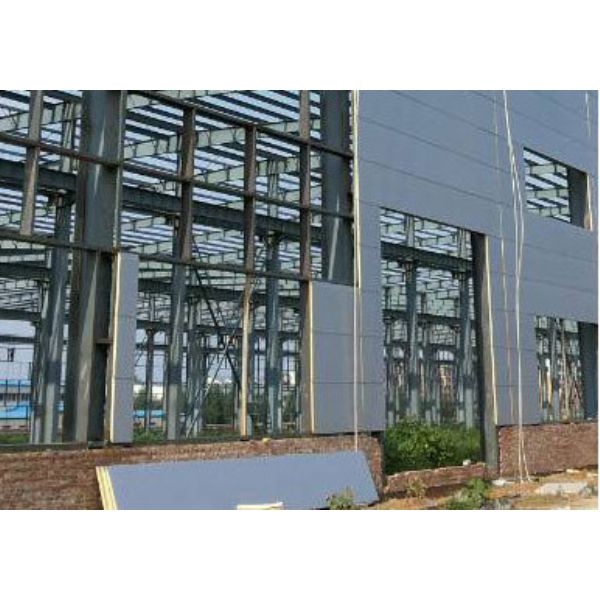
Typical examples include industrial plants, logistics warehouses, aircraft hangars, power facilities, and large-span buildings developed overseas. These projects often involve multiple stakeholders: local project owners, international EPC contractors, overseas steel fabricators, logistics providers, and on-site erection teams.
What distinguishes international projects from domestic ones is not only distance, but complexity. Every stage—from engineering assumptions to shipping sequences—must account for cross-border variables. Managing these variables effectively is what separates successful international steel structure projects from those that struggle.
Key Challenges in International Steel Structure Projects
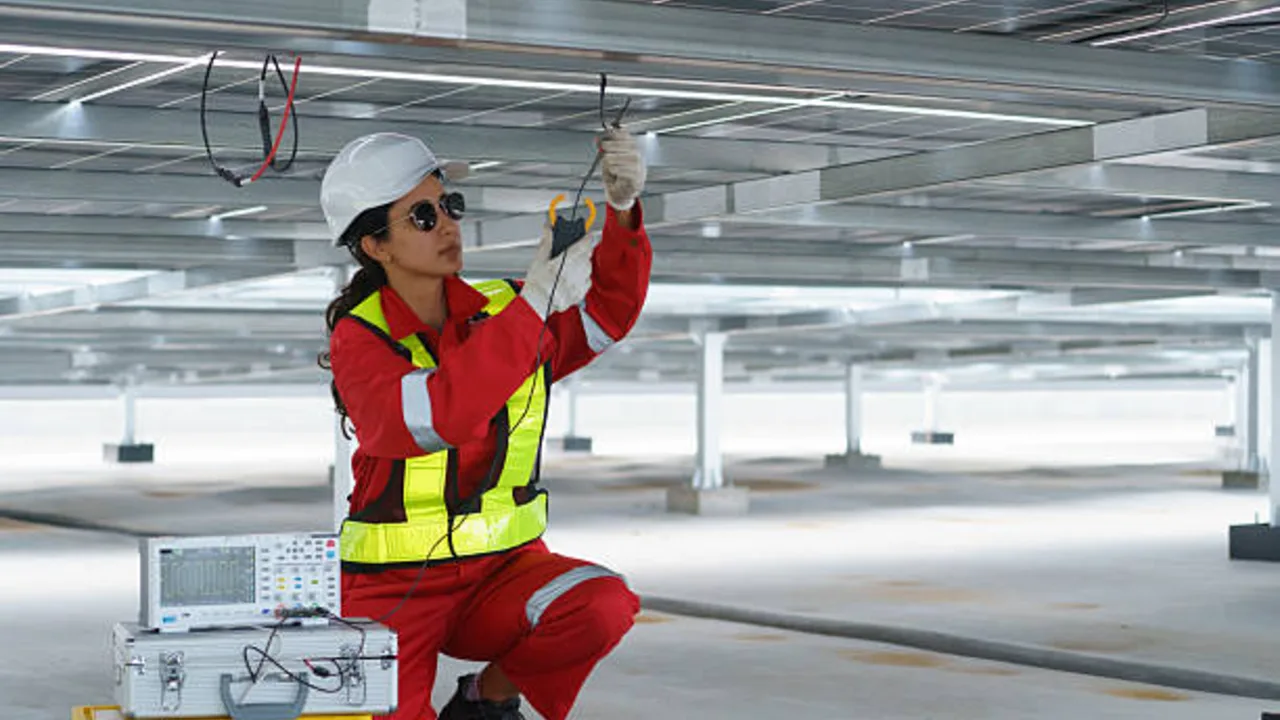
Before discussing solutions, it is important to understand the most common challenges that arise in multi-country steel structure execution. These challenges are not isolated issues; they are interconnected and often amplify each other.
Cross-Border Logistics Complexity
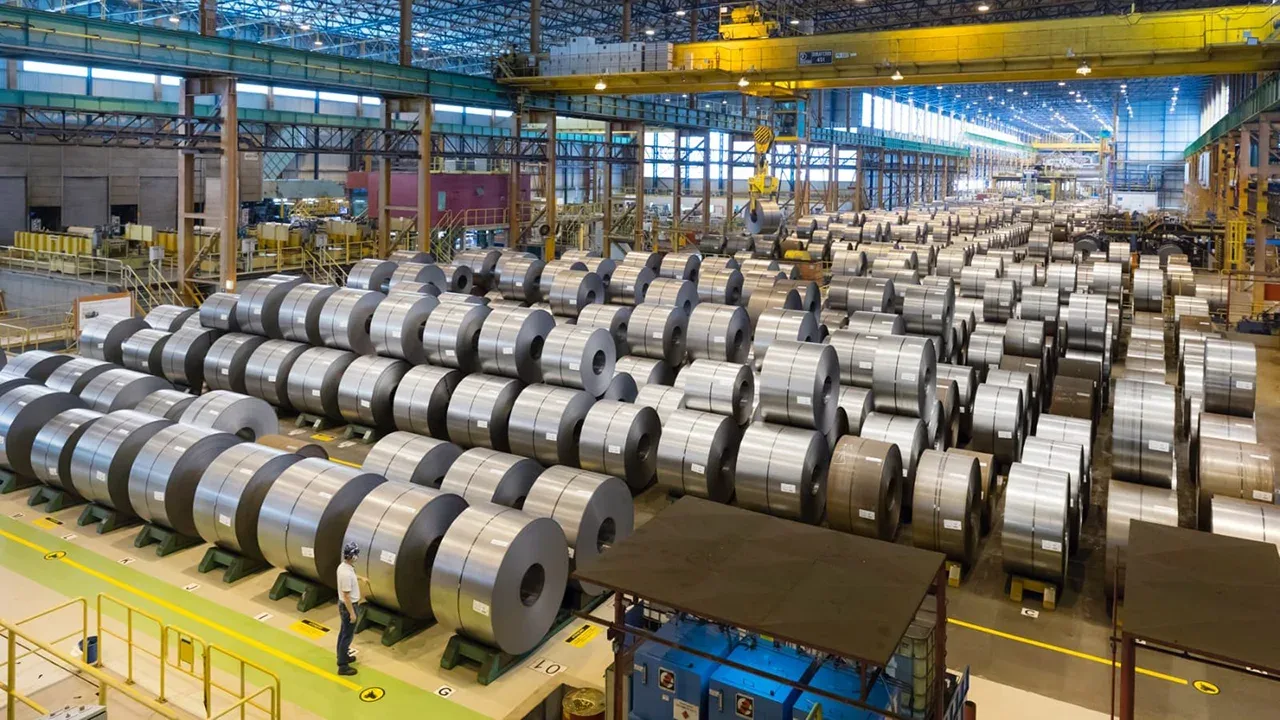
Logistics is one of the most critical risk factors in international steel structure projects. Steel components are large, heavy, and often oversized, making transportation far more complex than standard cargo shipments. Decisions related to container loading, break-bulk shipping, port handling, and inland transportation directly affect cost, schedule, and site readiness.
Inadequate logistics planning can lead to damaged materials, delayed arrivals, or congestion at ports. Once steel components arrive late or out of sequence, on-site erection schedules are disrupted, resulting in idle labor and equipment. For this reason, logistics must be integrated into project planning from the earliest stages.
Multi-Time-Zone Communication
Multi-time-zone communication is one of the most underestimated risks in international steel structure projects. While it rarely appears in contracts or budgets, poor coordination across time zones can quietly erode schedules, inflate costs, and introduce avoidable technical errors. Engineering teams, fabrication plants, project managers, and on-site supervisors often operate across continents, turning what should be a quick clarification into a multi-day delay.
In steel structure projects, communication is tightly linked to production flow. Shop drawings, connection details, material substitutions, and erection sequences all require timely confirmation. When messages are delayed or approvals arrive out of sync with fabrication schedules, factories are forced to either stop production or proceed based on assumptions—both of which carry financial consequences.
1. Time Zone Differences in Practice (Bermuda Client Example)
A common challenge arises when project stakeholders are separated by 10–12 hours. For example, on projects involving clients in Bermuda while engineering and fabrication are handled in Asia, a simple request for clarification may follow this timeline:
- Client sends a question at the end of their business day
- Engineering team receives it during their night hours
- Response is sent the following day
- Client reviews it only after another full business cycle
What should be a 30-minute technical discussion can easily stretch into two or three days. During this waiting period, fabrication teams may be unable to proceed with cutting, welding, or drilling because a single dimension or load assumption remains unconfirmed. Over the course of a project, dozens of these micro-delays accumulate into measurable schedule slippage.
Without predefined overlap hours, escalation rules, or clearly delegated decision-makers, time zone gaps become structural inefficiencies rather than temporary inconveniences.
2. Working Day Differences (Middle East Projects)
Time zone challenges are often compounded by differences in working days. In many Middle Eastern countries, the work week runs from Sunday to Thursday, while engineering teams or suppliers elsewhere may operate Monday to Friday. This creates hidden dead zones where:
- Requests sent on Thursday afternoon are not seen until Sunday
- Friday–Saturday responses are delayed despite urgent site needs
- Approval cycles stretch unintentionally by two to three days
For site-driven activities such as steel erection, anchor bolt positioning, or crane scheduling, these delays can be critical. A site team waiting for revised drawings may be forced to stand down equipment and labor, incurring costs without making progress. Even worse, teams may proceed without confirmation to avoid idle time, increasing the risk of rework once feedback finally arrives.
Effective international project management must account for calendar misalignment, not just clock differences.
3. Communication Cost as an Invisible Project Expense
Beyond delays, communication itself carries an often overlooked cost. Frequent international calls, late-night coordination meetings, emergency video conferences, and repeated clarification emails consume time and resources across multiple teams.
These costs are rarely itemized, yet they include:
- Overtime for engineers attending off-hour meetings
- Reduced productivity due to fatigue and fragmented workflows
- Management time spent resolving avoidable misunderstandings
- Rework caused by unclear or incomplete instructions
In steel structure fabrication, even small miscommunications—such as bolt grade assumptions, coating specifications, or tolerance interpretations—can result in material waste or corrective work that far exceeds the cost of proactive coordination.
Why Structured Communication Matters
To mitigate these risks, international steel structure projects require more than ad-hoc messaging. Structured communication protocols, clearly defined approval hierarchies, standardized drawing review cycles, and agreed response time expectations are essential. When responsibilities and timelines are transparent, teams can plan fabrication sequences confidently and avoid decision bottlenecks.
Different Codes, Standards, and Regulations
Another major challenge lies in reconciling different engineering standards. Steel structures may be designed according to Eurocode, ASTM, AISC, or Chinese standards, while local authorities may impose additional national or regional requirements. Aligning these standards requires technical expertise and early coordination.
Failure to address regulatory differences early can result in rejected drawings, redesigns, or delays in project approval. Successful international steel structure projects proactively define applicable codes and approval responsibilities before engineering begins.
The Role of Planning in International Steel Structure Projects
Effective planning is the foundation of every successful multi-country steel project. Because international projects involve higher uncertainty, planning must be more detailed and disciplined than in domestic construction.
Early Design Coordination
Early-stage coordination between project owners, engineers, and steel suppliers is essential. Scope definition must be clear from the outset, including structural layout, connection philosophy, material grades, and corrosion protection requirements. Late design changes are especially costly in international projects, as they can affect fabrication, packing, and shipping schedules.
In well-managed international steel structure projects, design freeze milestones are strictly enforced. This ensures that fabrication can proceed without disruption and that logistics planning remains reliable.
Engineering Alignment Across Countries
Engineering alignment goes beyond drawings. Load assumptions, wind and seismic criteria, temperature ranges, and service conditions must reflect the actual project location—not the fabrication country. Close collaboration between local consultants and overseas engineering teams is often required.
When engineering alignment is handled properly, it reduces approval cycles, minimizes revisions, and improves overall execution certainty. Poor alignment, on the other hand, is one of the leading causes of delays in international steel projects.
Logistics Strategy in International Steel Structure Projects
Logistics strategy is not a supporting function—it is a core management discipline in international steel structure projects. A well-designed logistics plan synchronizes fabrication output with shipping schedules and site installation readiness.
This includes defining packing methods, container utilization strategies, shipment sequencing, and buffer timelines for customs clearance. When logistics is treated as an afterthought, project risk increases dramatically.
In the next section, we will examine how coordination between stakeholders, fabrication control, and on-site execution determine the final success of multi-country steel structure projects.
Coordination Between Stakeholders in International Steel Structure Projects
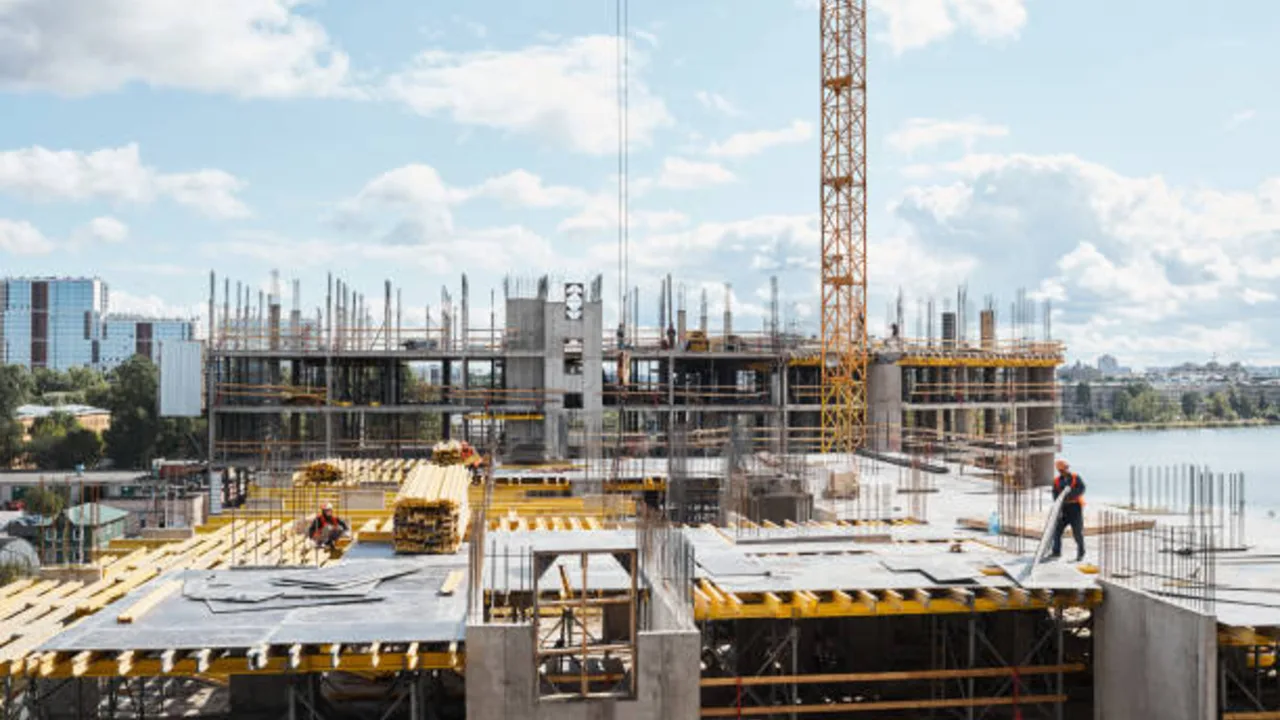
One of the defining success factors in international steel structure projects is how effectively stakeholders coordinate across borders. Unlike local projects, responsibilities are often split between multiple parties operating in different countries, each with their own priorities and constraints.
Supplier, EPC, and Site Team Coordination
Clear role definition between the steel supplier, EPC contractor, and on-site erection team is essential. When responsibilities are unclear, issues such as drawing ownership, installation tolerances, or schedule accountability quickly become sources of conflict.
In well-managed international steel structure projects, coordination frameworks are established early. These frameworks define who approves drawings, who controls fabrication schedules, and how site feedback is communicated back to engineering and production teams.
Drawing Approval and Change Control
Drawing approval is one of the most sensitive coordination points in international projects. Every delay in approval directly affects fabrication timelines and shipping windows. Even minor changes can trigger cascading impacts across logistics and site schedules.
Effective change control systems track revisions, document approvals, and clearly define cost and schedule consequences. Without this discipline, international steel projects risk uncontrolled scope growth and budget overruns.
Managing Fabrication Across Borders
Fabrication is where planning becomes reality. In international steel structure projects, controlling fabrication quality and progress from afar requires both technical capability and transparent reporting.
Factory Capability and Production Control
Choosing a supplier with strong factory ownership and production control significantly reduces project risk. Fabricators that manage their own facilities can align engineering intent with manufacturing execution, ensuring dimensional accuracy and consistent quality.
This is why many global developers prefer working with an experienced china steel structure company that combines engineering, fabrication, and export experience under one system.
Quality Inspection and Documentation
Inspection and documentation play a central role in international projects. Factory acceptance tests (FAT), material test certificates (MTC), welding records, and dimensional inspection reports provide objective proof of compliance.
These documents not only support quality assurance, but also facilitate customs clearance and site acceptance. In international steel projects, documentation is as important as the physical steel itself.
Installation and On-Site Challenges
Even when fabrication and logistics are well managed, challenges often emerge during installation. Site conditions, labor availability, and equipment constraints vary widely from country to country.
Local Labor and Equipment Constraints
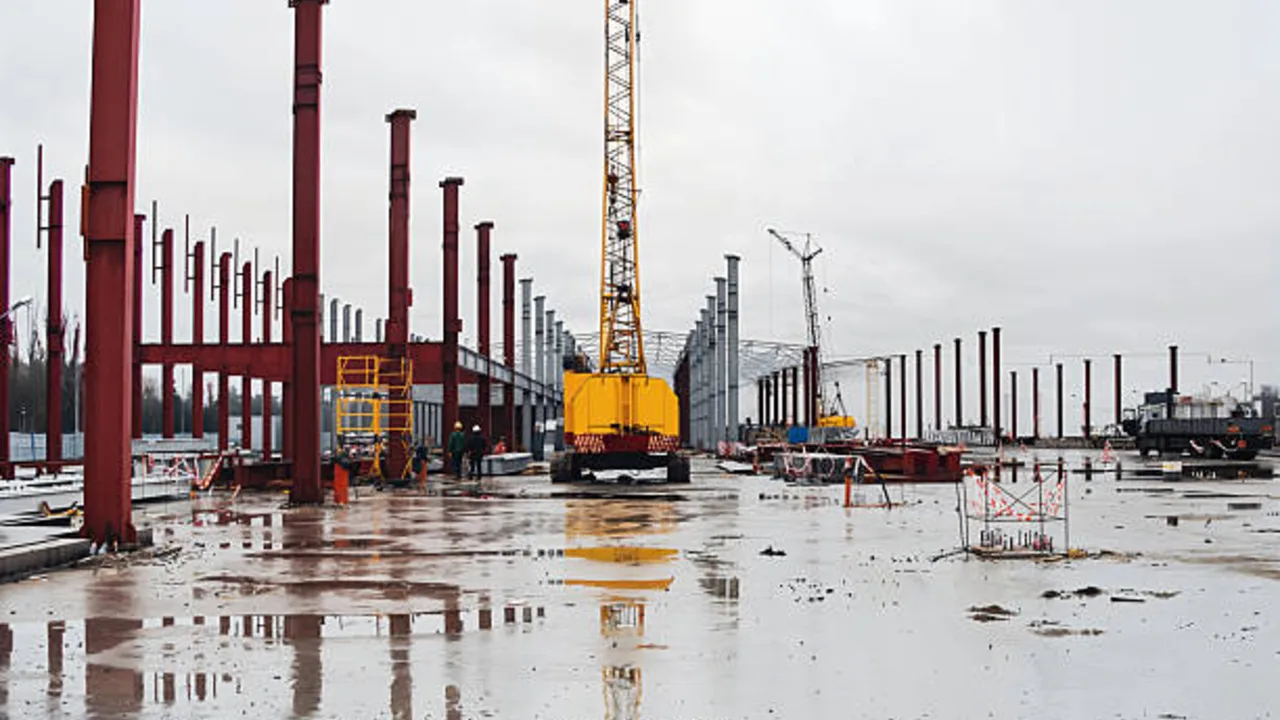
Local erection teams may have different skill levels, safety practices, or equipment access compared to the fabrication country. Crane capacity, lifting procedures, and work sequencing must be adapted to site realities.
Successful international steel structure projects anticipate these differences by providing detailed erection drawings, clear installation sequences, and realistic productivity assumptions.
Technical Support from the Steel Supplier
Remote and on-site technical support from the steel supplier is often critical during installation. This may include erection guidance, connection clarification, or adjustment of details based on actual site conditions.
Suppliers that remain engaged during installation help prevent errors, reduce downtime, and accelerate problem resolution—especially in complex overseas environments.
Case Examples in International Steel Structure Projects
Practical examples help illustrate how coordination, logistics, and engineering come together in real-world applications.
Industrial Plant Project (Asia → Africa)
This project involved fabricating steel structures in Asia and installing them at an industrial site in Africa. Logistics planning focused on container optimization and phased deliveries aligned with foundation completion. Early engineering alignment ensured compliance with local codes, minimizing approval delays.
Warehouse Project (China → Middle East)
A logistics warehouse supplied from China to the Middle East required special attention to corrosion protection and high-temperature performance. Close coordination between engineering, fabrication, and shipping teams enabled rapid erection despite challenging climate conditions.
Best Practices for Successful International Steel Structure Projects
While every project is unique, several best practices consistently appear in successful international steel structure projects:
| Best Practice | Purpose | Impact on Project |
|---|---|---|
| Early Design Freeze | Stabilize scope and drawings | Reduces rework and fabrication delays |
| Integrated Logistics Planning | Align shipping with site readiness | Prevents congestion and idle resources |
| Clear Coordination Structure | Define roles and approvals | Improves communication efficiency |
| Factory-Based Quality Control | Ensure consistency and traceability | Reduces site acceptance risks |
| Ongoing Technical Support | Assist installation and adjustments | Accelerates problem resolution |
Why the Right Partner Matters in International Steel Structure Projects
The complexity of international steel structure projects means that supplier selection is a strategic decision. Beyond price, project owners must evaluate engineering depth, logistics experience, documentation discipline, and coordination capability.
Working with a reliable china steel structure company that understands global project execution can significantly reduce risk and improve predictability across the entire project lifecycle.
Final Thoughts on Managing International Steel Structure Projects
Managing steel structure projects across multiple countries requires more than technical expertise—it demands structured planning, disciplined coordination, and proactive risk management. When logistics, engineering, and site execution are aligned, international steel structure projects can be delivered efficiently and safely, even in challenging environments.
By treating international steel projects as integrated systems rather than isolated tasks, project stakeholders can achieve consistent outcomes, protect budgets, and build long-term success in global construction markets.