Structural steel design in the United States is built on a carefully developed framework of standards, specifications, and technical guidance. At the center of this framework is AISC 360-22, the Specification for Structural Steel Buildings, supported by the widely used Steel Construction Manual and several companion documents. Together, these resources form the backbone of modern steel design practice.
Published by (AISC), these documents provide engineers with consistent rules, design philosophies, and practical tools to ensure steel structures are safe, economical, and constructible. For practicing engineers, understanding how AISC 360-22 interacts with the Steel Construction Manual, AISC 303, AISC 341, and various Design Guides is essential.
This article explains how these resources fit together and how engineers use them in everyday design work.
Why AISC Standards Matter in U.S. Structural Steel Design
Steel structures are used in buildings, bridges, industrial facilities, and infrastructure across the United States. Without unified standards, each project would rely on different assumptions, design methods, and safety margins. AISC standards eliminate this uncertainty by establishing:
- Consistent design criteria
- Uniform safety levels
- Recognized fabrication and erection practices
- Clear contractual responsibilities
Building codes such as the International Building Code (IBC) adopt AISC specifications by reference, making AISC 360-22 a legally enforceable design standard in most jurisdictions.
Understanding the AISC Standards Ecosystem
AISC publications fall into three broad categories:
- Specifications and codes (mandatory standards)
- Manuals (design tools and references)
- Design Guides (in-depth technical guidance)
Each category serves a different purpose. Specifications define what must be done. Manuals show how to do it efficiently. Design Guides provide deeper insight for complex situations.
Rather than functioning as isolated documents, AISC standards are designed to work together. Engineers typically consult multiple AISC publications throughout a project.
AISC 360-22: Specification for Structural Steel Buildings
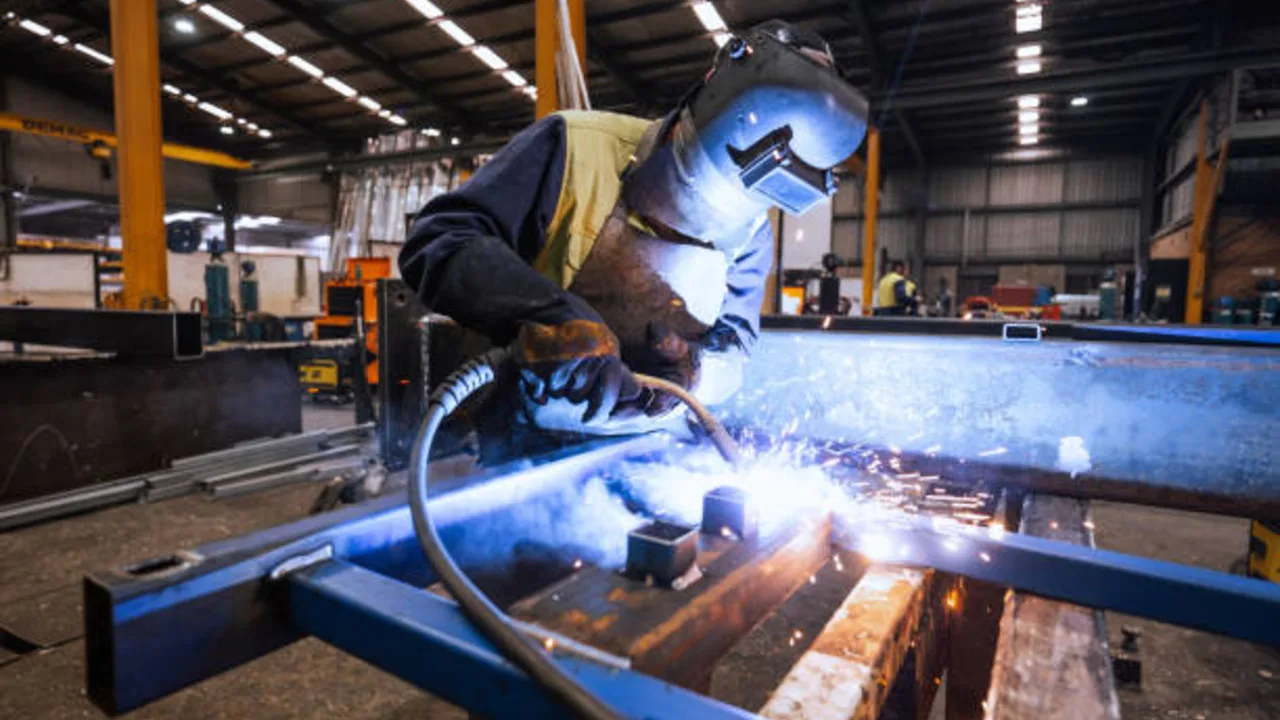
AISC 360-22 is the primary specification governing the design, fabrication, and erection of structural steel buildings. It establishes minimum requirements for:
- Material properties
- Member strength
- Stability
- Connections
- Serviceability
The specification applies to a wide range of building types, including commercial, industrial, institutional, and residential structures.
Design Philosophy Behind AISC 360-22
The philosophy of AISC 360-22 is based on reliability and limit-state design. Instead of focusing only on working stresses, the specification evaluates whether a structure can safely resist all relevant failure modes, including:
- Yielding
- Fracture
- Buckling
- Fatigue
- Excessive deformation
This approach ensures that structures perform predictably under normal conditions and extreme events.
LRFD and ASD Design Methods
AISC 360-22 permits two design methodologies:
- Load and Resistance Factor Design (LRFD)
- Allowable Strength Design (ASD)
LRFD uses factored loads and reduced nominal strengths to provide consistent reliability. ASD compares service-level loads to allowable strengths derived from nominal capacities divided by safety factors.
Both methods lead to equivalent levels of safety when used correctly. Many engineers prefer LRFD for new design, while ASD remains popular for certain industrial and retrofit projects.
Limit States and Strength Checks
AISC 360-22 requires engineers to check multiple limit states for each member and connection, such as:
- Flexural strength
- Axial compression and tension
- Shear
- Combined forces
Load combinations are defined through building codes, and the governing combination must satisfy all applicable strength and serviceability requirements.
The AISC Steel Construction Manual (16th Edition)
The Steel Construction Manual is often called the “bible” of structural steel design. While AISC 360-22 tells engineers what is required, the manual shows how to apply those rules quickly and accurately.
Shapes and Section Properties
The manual contains comprehensive tables for:
- Wide-flange beams
- Hollow structural sections (HSS)
- Angles and channels
- Plates and tees
Engineers rely on these tables to obtain section properties such as area, moment of inertia, section modulus, and radius of gyration.
Design Aids and Examples
The manual includes:
- Beam and column design tables
- Connection capacity tables
- Step-by-step design examples
These tools dramatically reduce calculation time while maintaining compliance with AISC 360-22.
Integration with AISC 360-22
Each design table and example in the manual corresponds directly to provisions in AISC 360-22. Engineers typically move back and forth between the specification and the manual during design.
AISC 303: Code of Standard Practice
AISC 303 defines industry-standard practices and responsibilities. It clarifies who is responsible for what during design, fabrication, and erection.
Defined Roles
- Owner
- Engineer of Record
- Fabricator
- Erector
By defining these roles, AISC 303 reduces misunderstandings and disputes.
Tolerances and Workmanship
AISC 303 establishes acceptable fabrication and erection tolerances, ensuring that finished structures meet functional and aesthetic expectations.
Contractual Importance
Most project specifications reference AISC 303, making it a contractual document that governs daily project operations.
AISC 341: Seismic Provisions for Structural Steel Buildings
In regions of high seismicity, AISC 360-22 alone is not sufficient. AISC 341 provides additional rules to ensure structures can withstand earthquake forces.
Seismic Design Philosophy
AISC 341 emphasizes ductility, allowing structures to deform in a controlled manner while dissipating energy.
Special Systems
- Special moment frames
- Eccentrically braced frames
- Special concentrically braced frames
Relationship with AISC 360-22
When seismic provisions apply, AISC 341 supplements or modifies AISC 360-22 requirements.
AISC Design Guides: Deep-Dive Technical Resources
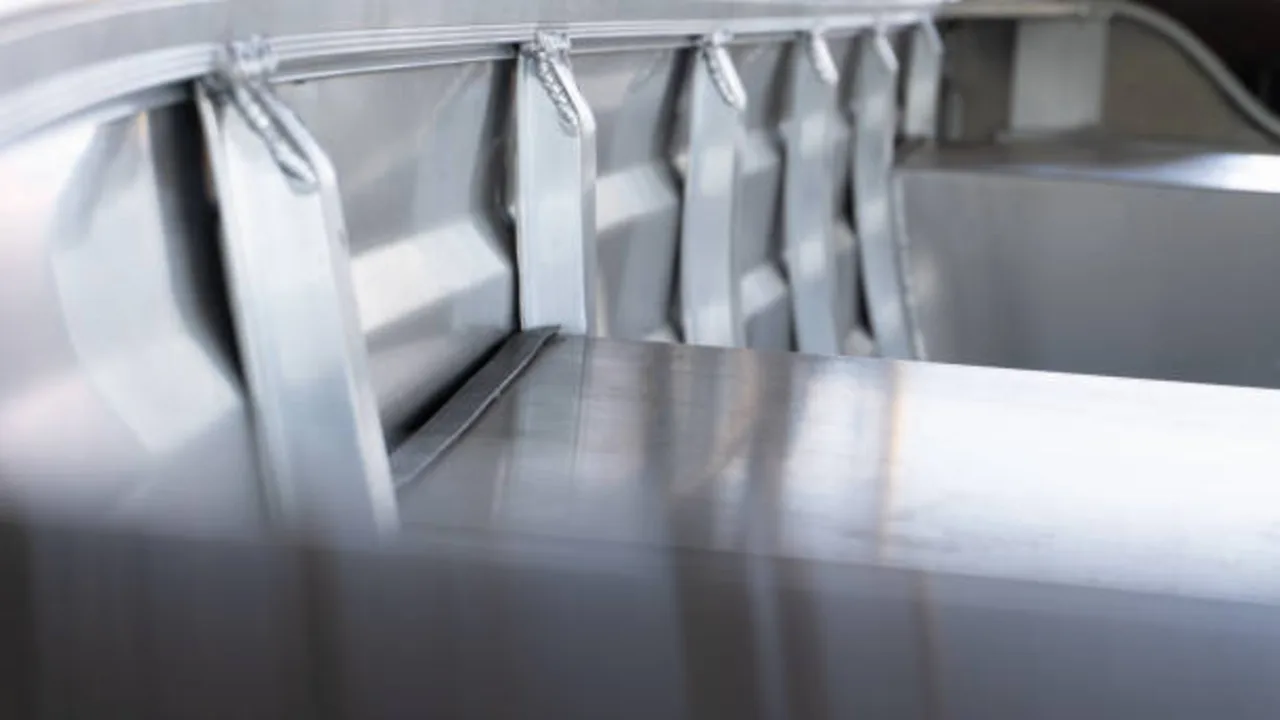
AISC Design Guides provide focused guidance on specialized topics such as:
- Welding
- Bolted connections
- HSS behavior
- Composite construction
They are not mandatory but are invaluable for complex projects.
How Engineers Use AISC Resources in Real Projects
| Project Stage | Primary AISC Resource | Main Engineer Activities | Key Outputs | Why This Step Matters |
|---|---|---|---|---|
| 1. Code & Standard Selection | AISC 360-22, Building Code (IBC), Local Amendments |
|
|
Establishes the legal and technical foundation for the entire project. |
| 2. Preliminary Member Sizing | Steel Construction Manual (16th Ed.) |
|
|
Speeds up conceptual design and establishes economical framing layouts. |
| 3. Detailed Strength Checks | AISC 360-22 |
|
|
Ensures all members satisfy strength and stability requirements. |
| 4. Connection Design | AISC 360-22 + Steel Construction Manual + Design Guides |
|
|
Connections often control constructability and cost. |
| 5. Seismic System Verification | AISC 341 |
|
|
Critical for life safety in high-seismic regions. |
| 6. Coordination with Fabricator & Erector | AISC 303 |
|
|
Reduces disputes and misinterpretation between parties. |
| 7. Final Documentation | All Applicable AISC Documents |
|
|
Creates a complete, buildable design package. |
Future Trends in AISC Standards Development
Structural steel design is continuously evolving as construction technology, digital workflows, and sustainability expectations advance. Future editions of AISC standards are expected to place greater emphasis on digital design integration, sustainability-driven criteria, and material efficiency, ensuring that steel structures remain competitive, economical, and environmentally responsible.
Greater Integration with Digital Design Tools
Building Information Modeling (BIM), parametric modeling, and cloud-based collaboration platforms are now standard in many engineering offices. Future AISC standards are likely to include clearer guidance on how design checks, load combinations, and limit states can be verified within digital environments.
This may involve:
- Standardized digital formats for section properties and design tables
- Improved compatibility with structural analysis software
- Guidance on model-based checking and automated verification
These developments will help reduce manual calculations, minimize transcription errors, and improve coordination between analysis models, drawings, and fabrication data.
Expanded Focus on Sustainability and Carbon Reduction
As governments and private developers push for lower-carbon construction, future AISC standards are expected to acknowledge environmental performance more directly. While safety and structural reliability will remain the top priority, designers may see additional guidance related to:
- Optimizing member sizes to reduce embodied carbon
- Encouraging reuse and recycling of structural steel
- Supporting performance-based approaches to material selection
Steel’s inherent recyclability already provides an advantage, and future standards may better highlight how efficient structural systems contribute to sustainability goals.
Increased Emphasis on Material Efficiency
Material efficiency means achieving required performance with the least amount of steel while maintaining safety and serviceability. Future updates to AISC standards may refine strength equations, stability provisions, and limit-state definitions based on new research and testing.
This could lead to:
- More accurate buckling models
- Refined resistance factors
- Expanded use of advanced analysis methods
The result is designs that are both economical and technically optimized.
More Guidance for Advanced and Nontraditional Systems
Modern projects increasingly use hybrid systems, long-span structures, and architecturally exposed steel. Future AISC publications may provide additional provisions or design guides covering:
- Complex geometries
- High-strength steels
- Innovative connection technologies
This ensures that emerging construction methods are supported by reliable, standardized design rules.
Ongoing Updates Driven by Research and Industry Feedback
AISC standards are developed through committees composed of engineers, researchers, fabricators, and educators. As new research becomes available and industry practices evolve, future editions will continue to be refined.
This collaborative process ensures that AISC standards remain practical, scientifically grounded, and aligned with real-world construction needs.
For engineers, staying informed about these trends and regularly updating their reference libraries is essential. Mastery of current AISC standards, combined with awareness of future directions, positions designers to deliver safe, efficient, and forward-looking steel structures.
Conclusion: Why Every Engineer Must Master AISC 360-22 and the Steel Construction Manual
AISC 360-22 and the Steel Construction Manual form the foundation of U.S. structural steel design, defining not only how steel members are calculated, but also how entire structural systems are conceived, coordinated, and delivered. Together, these documents translate engineering theory into practical, buildable solutions that can be safely executed on real project sites.
Engineers who understand how these resources work together are better equipped to design structures that are safe, economical, and code-compliant. They can move confidently from preliminary sizing to detailed strength checks, develop constructible connections, and coordinate effectively with fabricators and erectors. This technical fluency directly reduces errors, minimizes redesign, and improves overall project efficiency.
In today’s collaborative construction environment, engineers are no longer working in isolation. They are part of integrated teams that include architects, contractors, and every reputable steel structure company involved in fabrication and erection. When engineers apply AISC 360-22 and the Steel Construction Manual correctly, communication becomes clearer, expectations are aligned, and project risks are significantly reduced.
Mastery of these resources is therefore not optional—it is a core professional requirement. Engineers who invest time in understanding AISC standards build a stronger technical foundation, deliver higher-quality designs, and position themselves as reliable professionals in an increasingly competitive industry.