Modern steel structure construction projects are increasingly complex, involving tight schedules, high precision requirements, and multi-disciplinary coordination. In such environments, it is unrealistic to expect that a design will remain unchanged throughout the project lifecycle. In reality, steel construction design changes are a common occurrence, driven by evolving client requirements, site conditions, and engineering adjustments.
While design changes are often necessary, they introduce significant challenges. They can disrupt schedules, increase costs, and create coordination issues between fabrication and on-site erection. Without a structured approach, even small changes can escalate into major project risks.
This is why managing steel construction design changes effectively is critical. Through proper planning, documentation, and the use of formal processes such as variation orders, project teams can maintain control and minimize negative impacts. For contractors and any steel structure construction company, the ability to handle design changes efficiently is a key competitive advantage.
Understanding Steel Construction Design Changes
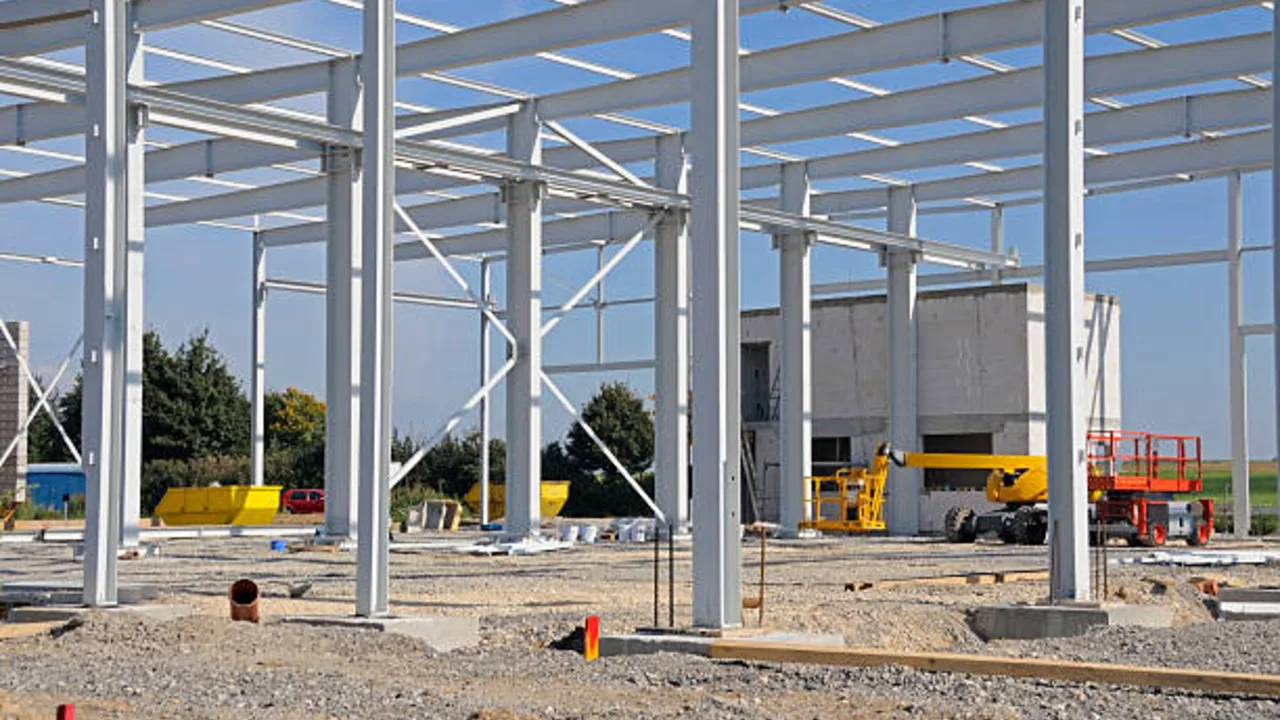
What Are Design Changes in Steel Projects
Design changes in steel construction refer to any modification made to the original engineering design after project initiation. These changes can occur at various stages, from early design development to on-site construction.
Common types of design changes include:
- Structural modifications affecting load-bearing elements
- Layout adjustments to accommodate functional requirements
- Material specification changes due to availability or optimization
- Connection redesign for improved performance or constructability
Each type of change has a different level of impact. Some may be minor adjustments with limited consequences, while others can significantly alter the structural system and require extensive rework.
Why Design Changes Occur
There are several reasons why steel construction design changes occur in practice. One of the most common drivers is the evolution of client requirements. As projects progress, clients may refine their needs, leading to design revisions.
Site conditions also play a major role. Differences between design assumptions and actual site conditions can necessitate changes to ensure structural stability and constructability.
Engineering optimization is another factor. During execution, engineers may identify opportunities to improve efficiency, reduce material usage, or simplify construction processes. These improvements often result in design updates.
Regulatory and compliance requirements can also trigger changes. Updates to building codes or inspection requirements may require modifications to the original design.
Types of Design Changes in Steel Structure Construction
Minor vs Major Design Changes
Design changes can be broadly categorized into minor and major changes. Minor changes typically do not affect the primary structural system. They may involve small adjustments to dimensions, connection details, or non-critical components.
Major changes, on the other hand, impact the load-bearing system or overall structural integrity. These changes often require re-analysis, redesign, and additional approvals, making them more complex to implement.
Planned vs Unplanned Changes
Planned changes are usually part of the design optimization process. They are anticipated and incorporated into the project workflow with minimal disruption.
Unplanned changes occur unexpectedly, often due to unforeseen site conditions or coordination issues. These changes are more challenging because they require immediate response and can disrupt ongoing activities.
Temporary vs Permanent Changes
Some changes are temporary and relate to construction methods, such as adjustments to erection sequences or temporary supports. These changes do not affect the final structure.
Permanent changes modify the final design and must be fully documented and approved. They have long-term implications for structural performance and maintenance.
Impact of Design Changes on Steel Construction
Schedule Disruption
One of the most immediate impacts of steel construction design changes is disruption to the project schedule. Changes often require rework, adjustments to sequencing, and reallocation of resources.
For example, if a structural element is modified after fabrication has begun, it may need to be re-fabricated or adjusted on site. This can delay subsequent activities and affect the overall timeline.
Cost Implications
Design changes also have a direct impact on project costs. Additional materials, increased labor requirements, and equipment downtime all contribute to higher expenses.
Material waste is a common issue, especially when fabricated components cannot be reused. Labor costs increase due to rework and extended project durations.
Coordination Challenges
Coordination between different project phases becomes more complex when changes occur. Fabrication schedules may no longer align with on-site activities, leading to delays and inefficiencies.
Supply chain disruptions are also common. Changes in material specifications or quantities can affect procurement and delivery schedules.
| Impact Area | Cause | Result | Risk Level |
|---|---|---|---|
| Schedule | Rework | Delay | High |
| Cost | Material change | Budget overrun | High |
| Quality | Improper adjustment | Defect risk | Medium |
| Coordination | Design mismatch | Workflow disruption | High |
Variation Order in Steel Construction
What is a Variation Order
A variation order is a formal document used to record and authorize changes to the original project scope. In steel construction, it serves as a critical control mechanism for managing steel construction design changes in a structured and transparent way.
Variation orders are not just administrative tools — they carry legal and contractual significance. They define the scope of the change, the associated cost adjustments, and any impact on the project schedule. Without proper variation order management, disputes between stakeholders can arise.
Variation Order Process
The variation order process typically follows a structured workflow to ensure accountability and clarity:
- Change request initiation by client, consultant, or contractor
- Technical evaluation of feasibility and impact
- Cost estimation and schedule assessment
- Formal approval by authorized stakeholders
- Implementation and documentation of the change
This process ensures that every change is evaluated before execution, reducing the risk of uncontrolled modifications.
Key Elements in Variation Orders
A well-defined variation order includes several essential components:
- Detailed description of the design change
- Revised drawings and specifications
- Cost adjustments including materials and labor
- Time extension requirements if applicable
Clear documentation ensures that all parties have a shared understanding of the change and its implications.
Managing Design Changes Effectively
Early Detection and Planning
One of the most effective ways to manage steel construction design changes is to identify potential issues early. Design reviews, clash detection, and constructability analysis help reduce the likelihood of major changes during construction.
Early planning also allows project teams to incorporate flexibility into schedules and resource allocation, minimizing disruptions when changes occur.
Communication and Coordination
Effective communication is essential for managing design changes. All stakeholders — including designers, fabricators, and site teams — must be aligned on the updated requirements.
Real-time communication systems enable faster decision-making and reduce delays. Clear communication channels ensure that updated information reaches all relevant parties without confusion.
Documentation and Tracking
Proper documentation is critical in change management. Version control systems ensure that teams are always working with the latest design information.
Change logs and tracking systems provide a historical record of modifications, making it easier to analyze impacts and avoid repeated issues.
Role of Steel Structure Construction Company
The role of a contractor becomes even more important when managing design changes. A well-established steel structure construction company integrates design, fabrication, and erection processes into a coordinated system.
This integration allows for faster response to changes, improved communication, and reduced risk of misalignment between different project stages. Companies with strong technical capabilities and management systems are better equipped to handle complex change scenarios.
Digital Tools for Managing Design Changes
BIM and Digital Modeling
Building Information Modeling (BIM) plays a crucial role in managing design changes. It allows project teams to visualize modifications and assess their impact before implementation.
Clash detection features help identify conflicts between structural elements and other systems, reducing the likelihood of rework.
Project Management Systems
Digital project management platforms enable real-time tracking of changes, communication between teams, and centralized documentation. These systems improve transparency and accountability across the project.
Risk Mitigation Strategies
Standardization
Standardized design systems reduce the impact of changes by simplifying components and processes. Modular construction approaches make it easier to adapt to modifications without significant disruption.
Flexible Scheduling
Incorporating buffer time into project schedules allows teams to absorb unexpected changes without affecting overall deadlines. Flexible planning is essential in dynamic construction environments.
Skilled Supervision
Experienced supervisors play a key role in minimizing the impact of changes. They ensure that adjustments are implemented correctly and efficiently, reducing the risk of rework.
Real Project Insight: Shouning County Edible Fungi Industry Chain Project (Phase I)
A practical example of managing steel construction design changes can be seen in the Shouning County Edible Fungi Whole Industry Chain Development Project (Phase I).
This industrial project involved multiple functional zones, including production, storage, and processing areas. During construction, design adjustments were required to align structural elements with equipment installation requirements.
By implementing structured variation order processes and maintaining close coordination between design and construction teams, the project was able to manage changes without significant disruption. Standardized components and modular systems also helped maintain efficiency despite adjustments.
This case highlights the importance of proactive change management and demonstrates how effective handling of design changes can support overall project success.
Best Practices for Handling Design Changes
- Establish a clear approval workflow for all changes
- Limit late-stage design modifications whenever possible
- Ensure alignment between design, fabrication, and construction teams
- Continuously monitor the impact of changes on schedule and cost
Common Mistakes to Avoid
- Ignoring minor changes that accumulate into major issues
- Inadequate documentation of design modifications
- Poor coordination between stakeholders
- Delays in decision-making processes
Future Trends in Design Change Management
The future of managing steel construction design changes is increasingly digital. Technologies such as digital twins and AI-driven analysis enable more accurate prediction of change impacts.
Integrated project delivery models further enhance collaboration, allowing stakeholders to respond more effectively to design modifications.
FAQ – Steel Construction Design Changes
What are steel construction design changes?
They refer to any modification made to the original design during the project lifecycle, affecting structure, layout, or materials.
How does a variation order work in steel construction?
A variation order formally documents changes, including scope, cost, and schedule adjustments, and requires approval before implementation.
Do design changes always increase cost?
Not always. Some changes improve efficiency and reduce costs, but unplanned changes typically increase expenses.
How can design changes be minimized?
Through detailed design reviews, early coordination, and the use of digital tools such as BIM.
Who approves design changes in a project?
Typically, approvals involve the client, consultants, and contractors, depending on contractual arrangements.
What is the biggest risk of late design changes?
Late changes can cause significant delays, increased costs, and coordination issues.
How do contractors manage frequent changes?
By using structured processes, maintaining clear communication, and leveraging digital tools.
Can BIM reduce design change risks?
Yes, BIM helps visualize and analyze changes before implementation, reducing errors and rework.
Conclusion
Steel construction design changes are an inevitable part of modern construction projects. When managed properly, they can lead to improved performance and optimized designs.
Through structured processes such as variation orders, effective communication, and the use of digital tools, project teams can maintain control over changes and minimize risks.
Ultimately, successful projects are not those without changes, but those that manage changes efficiently and strategically.