In modern industrial projects, precision is not optional—it is a fundamental requirement. Steel structures are designed and fabricated with high levels of accuracy, and even minor deviations can lead to costly corrections. This is why steel construction rework management has become a critical discipline in ensuring project success.
Rework in steel construction refers to any activity that requires correcting completed or partially completed work due to errors, inconsistencies, or design changes. Unlike other construction methods, steel structures rely heavily on prefabrication and precise installation. When errors occur, they often require immediate intervention, affecting both schedule and cost.
Without a structured approach to managing rework, projects can quickly experience cascading delays, budget overruns, and increased safety risks. Effective rework management is not just about fixing mistakes—it is about preventing them, detecting them early, and applying efficient error correction strategies.
What Is Steel Construction Rework Management
Definition and Scope
Steel construction rework management is the systematic process of identifying, controlling, and correcting errors that occur during the design, fabrication, and installation of steel structures. It involves coordinated efforts between engineers, fabricators, and site teams to ensure that deviations are addressed efficiently.
Rework can occur at multiple stages of a project. In fabrication, errors may involve incorrect dimensions or welding defects. On-site, rework often results from misalignment or improper installation. In design, late changes or incomplete coordination can trigger significant rework requirements.
The scope of rework management includes detection, documentation, correction, and prevention. A well-structured system ensures that issues are not only resolved but also analyzed to prevent recurrence.
Why Rework Happens in Steel Construction
Rework is not always the result of negligence. In many cases, it arises from the complexity of steel construction projects. One of the most common causes is design inconsistency, where drawings do not fully align with actual site conditions or fabrication constraints.
Fabrication inaccuracies also contribute to rework. Even with advanced machinery, errors can occur if quality control processes are not strictly followed. Minor dimensional deviations can lead to major installation challenges.
Installation errors are another major factor. Steel structures require precise alignment, and even slight misplacements can prevent components from fitting correctly. These issues often require immediate error correction, such as re-alignment or modification.
Finally, communication gaps between teams can significantly increase rework. When design updates are not properly communicated to fabrication or site teams, inconsistencies arise that must be corrected later.
Common Types of Rework in Steel Structure Projects
Fabrication Errors
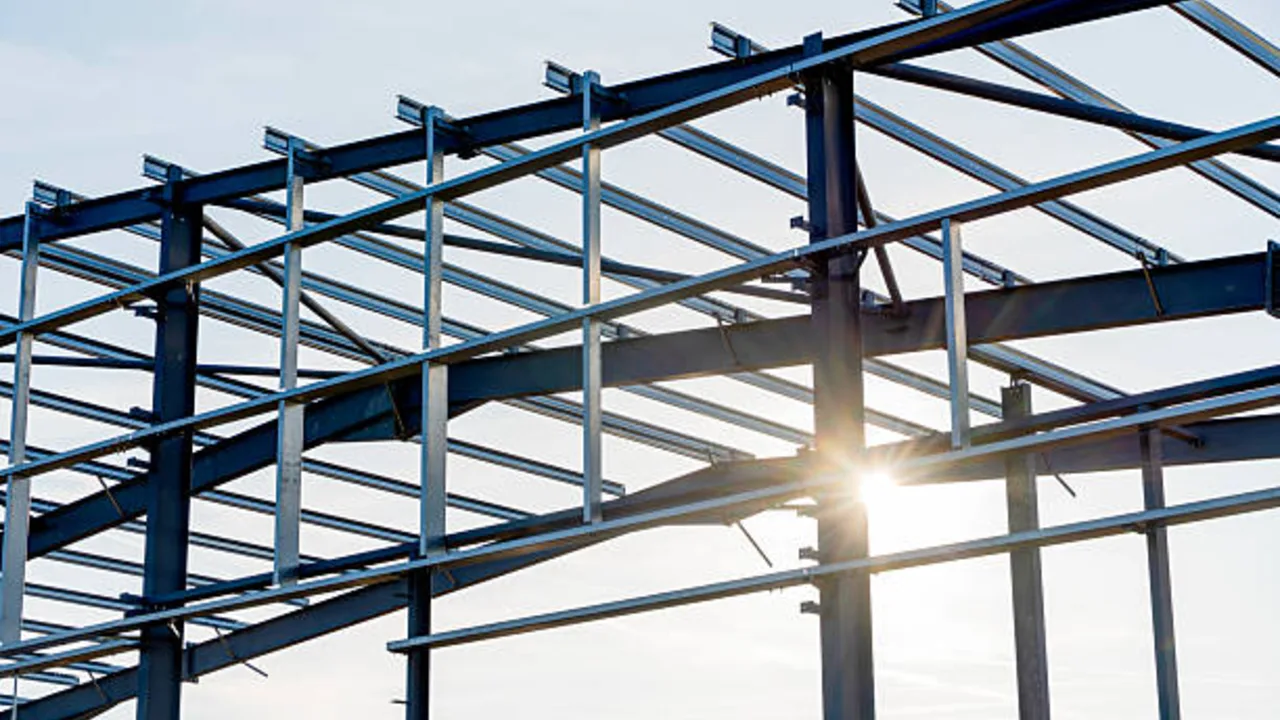
Fabrication errors are among the most common sources of rework. These include incorrect cutting dimensions, improper welding, and material specification issues. Since steel components are prefabricated, any error at this stage directly impacts the installation process.
For example, a beam fabricated with incorrect length or hole placement cannot be installed without modification. This often leads to re-cutting or re-drilling, increasing both time and cost.
Installation Errors
Installation errors occur during the erection phase of the project. Misalignment of columns, incorrect bolt installation, and improper sequencing can all lead to rework.
Unlike fabrication errors, installation issues often involve heavy lifting operations and complex adjustments. Correcting these errors requires careful planning to avoid compromising safety or structural integrity.
Design and Coordination Errors
Design-related rework is often the most disruptive. Late revisions, incomplete drawings, or clashes between structural and mechanical systems can force teams to undo completed work.
Coordination errors between different disciplines further complicate the situation. Without proper integration, teams may work based on outdated or conflicting information, leading to rework on a larger scale.
Root Causes of Rework in Steel Construction
Poor Design Coordination
One of the primary causes of rework is poor coordination during the design phase. When structural, architectural, and MEP systems are not fully integrated, conflicts arise during construction.
Incomplete or unclear drawings also contribute to errors. Workers may interpret details differently, leading to inconsistencies that require correction.
Inadequate Quality Control
Quality control is essential in minimizing rework. Without proper inspection procedures, errors can go undetected until they reach the installation stage, where correction becomes more complex and expensive.
Standardized QA/QC systems help ensure that each component meets required specifications before leaving the fabrication facility.
Workforce Skill Gaps
The skill level of the workforce plays a significant role in rework occurrence. Workers who lack experience or training may misinterpret drawings or execute tasks incorrectly.
In complex steel projects, even small mistakes can lead to significant structural issues, making proper training essential for reducing rework.
Communication Breakdowns
Steel construction involves multiple stakeholders, including designers, fabricators, and site teams. Any breakdown in communication can result in mismatches between design intent and execution.
For example, if a design revision is not communicated in time, fabrication may proceed with outdated information, leading to rework during installation.
Impact of Rework on Steel Structure Projects
Cost Overruns
Rework directly increases project costs by requiring additional labor, materials, and equipment usage. Even minor corrections can accumulate into significant financial impact over time.
In large-scale projects, rework can account for a substantial percentage of total construction costs if not properly managed.
Schedule Delays
Time is one of the most critical factors in construction. Rework disrupts planned workflows and can delay critical path activities.
When one component is delayed, it often affects subsequent tasks, creating a chain reaction that extends project timelines.
Safety Risks
Rework activities often take place under less-than-ideal conditions. Workers may need to perform adjustments at height, modify installed components, or operate equipment in constrained spaces.
These conditions increase the risk of accidents, making safety management an essential part of steel construction rework management.
Typical Rework Scenarios and Solutions
Rework in steel construction often follows predictable patterns. By understanding these scenarios, project teams can respond more effectively and reduce the impact on schedule and cost.
| Scenario | Root Cause | Impact | Error Correction Method |
|---|---|---|---|
| Misaligned columns | Survey or layout error | Installation delay | Re-survey and shim adjustment |
| Incorrect bolt torque | Improper tools or procedures | Safety risk | Re-tightening and inspection |
| Welding defects | Low skill or poor quality control | Structural weakness | Re-welding and non-destructive testing |
| Fabrication mismatch | Drawing inconsistency | Reinstallation delay | Re-fabrication or on-site modification |
Error Correction Strategies in Steel Construction
On-Site Error Correction
On-site correction is often the fastest way to resolve minor issues without interrupting the overall workflow. This may involve re-alignment of components, use of shims, or minor modifications to ensure proper fit.
However, these corrections must be carefully evaluated to avoid compromising structural integrity. Temporary solutions should always be validated by engineering review.
Fabrication-Level Correction
When errors originate from fabrication, components may need to be re-cut, re-drilled, or re-welded. These corrections require strict quality control to ensure that the revised components meet original specifications.
Fabrication-level error correction is often more controlled than on-site adjustments, but it can introduce delays if not managed efficiently.
Design-Level Correction
Some rework issues stem from design flaws or incomplete coordination. In such cases, correcting the problem requires updating drawings, revising models, and redistributing information to all stakeholders.
This type of correction has the highest impact, as it may affect multiple project phases simultaneously.
Preventing Escalation Through Early Correction
Small errors can quickly escalate into major problems if left unaddressed. Early detection and immediate error correction are critical in preventing widespread rework.
By resolving issues at their source, project teams can minimize disruption and maintain overall project efficiency.
Best Practices for Steel Construction Rework Management
Early Detection Systems
Implementing inspection checkpoints throughout the project lifecycle allows teams to identify issues before they escalate. These checkpoints should be integrated into both fabrication and installation processes.
Digital tools and reporting systems can further enhance visibility and ensure that problems are documented and tracked effectively.
Standardized Quality Control
Consistent QA/QC procedures are essential for reducing rework. Standardized checklists, inspection protocols, and approval processes help maintain uniform quality across all project stages.
Quality control should not be treated as a final step but as a continuous process embedded in every phase of construction.
Skilled Workforce Training
Investing in workforce training significantly reduces the likelihood of errors. Workers must be able to interpret technical drawings accurately and execute tasks with precision.
Training programs should focus on both technical skills and safety awareness to ensure comprehensive performance improvement.
Real-Time Communication Systems
Effective communication is critical in preventing rework. Real-time updates between design, fabrication, and site teams ensure that everyone is working with the latest information.
Digital collaboration platforms can help streamline communication and reduce misunderstandings.
Integrating Rework Management into Construction Workflow
Rework management should be integrated into the overall construction workflow rather than treated as a reactive process. This means aligning rework strategies with project scheduling, fabrication planning, and site execution.
By embedding steel construction rework management into daily operations, teams can respond quickly to issues while maintaining productivity.
Working with an experienced steel structure construction factory ensures that both fabrication and installation processes are optimized to minimize rework risks.
Measuring Rework Performance
Key Metrics
To effectively manage rework, project teams must track measurable indicators. Common metrics include rework percentage, cost of rework, and time impact.
These metrics provide valuable insights into project performance and highlight areas for improvement.
Continuous Improvement
Rework management is an ongoing process. Lessons learned from previous projects should be documented and applied to future work.
Continuous improvement strategies help reduce recurring errors and enhance overall project efficiency.
Technology in Rework Reduction
Technology plays an increasingly important role in reducing rework. Building Information Modeling (BIM) allows teams to detect clashes before construction begins.
Digital QA systems improve inspection accuracy, while advanced tools such as AI-based analysis can identify potential issues early in the process. By leveraging technology, companies can significantly reduce the occurrence of rework and improve project outcomes.
Real Project Insight: Shouning County Edible Fungi Industry Chain Project
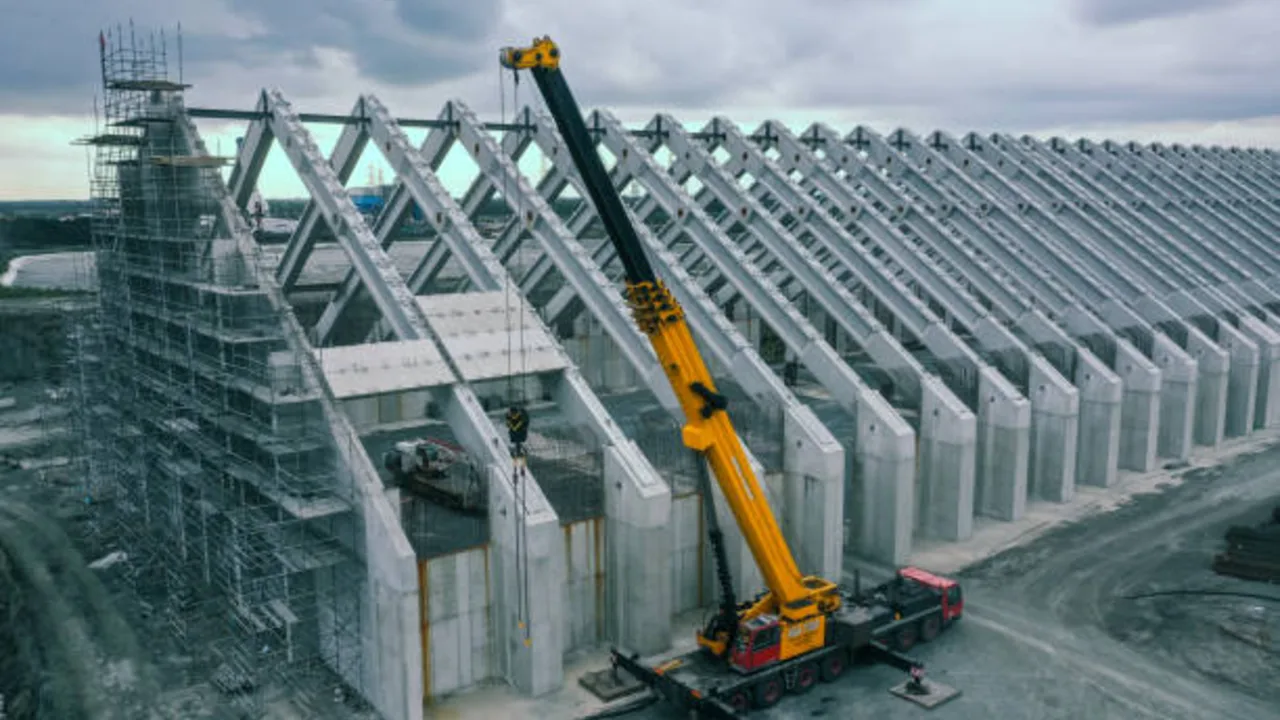
A strong example of effective steel construction rework management can be observed in the Shouning County Edible Fungi Whole Industry Chain Development Project (Phase I), delivered by XTD Steel Structure. This large-scale industrial steel warehouse project was designed to support full-chain agricultural production, integrating processing, storage, and logistics within a single facility.
The project spans approximately 54,000 square meters and utilizes over 2,800 tons of steel, adopting a standardized portal frame system to achieve large clear spans and flexible internal layouts.
From a rework management perspective, the scale and functional complexity of the project introduced multiple coordination challenges. The building needed to accommodate continuous material flow, heavy equipment, and segmented operational zones—all of which required precise alignment between design, fabrication, and installation phases.
To minimize rework risks, the project implemented early-stage coordination strategies, including integrated layout planning and structural alignment control. For example, internal logistics paths—such as forklift movement routes—were coordinated with the structural design from the beginning, reducing conflicts that typically lead to rework during later stages.
During fabrication and installation, strict dimensional control and inspection processes were applied to ensure that prefabricated components matched on-site conditions. This reduced the need for on-site modification, which is one of the most common sources of inefficiency in steel projects.
In cases where deviations were detected, structured error correction procedures were immediately applied. These included re-alignment adjustments, controlled re-welding, and verification through inspection systems. By addressing issues early, the project avoided escalation into large-scale rework.
Another key success factor was workflow zoning within the structure. Dedicated zones for production, storage, and buffering were carefully defined, ensuring that installation sequencing remained consistent. This reduced interference between teams and minimized the likelihood of rework caused by overlapping activities.
This project demonstrates that effective rework management is not only about correcting errors, but about designing systems that prevent them. By integrating planning, coordination, and real-time control, XTD was able to deliver a high-performance steel structure with minimal rework impact.
For complex industrial developments, especially those involving continuous operations and large-scale logistics, this level of control is best achieved by working with an experienced steel structure construction factory that understands both engineering precision and execution discipline.
Conclusion
Rework is an unavoidable aspect of construction, but its impact can be significantly reduced through proper management. A structured approach to steel construction rework management ensures that errors are identified early, corrected efficiently, and prevented from recurring.
By combining strong processes, skilled personnel, and advanced technology, construction teams can minimize rework, improve safety, and deliver projects on time and within budget.
Ultimately, effective rework management is not just about fixing problems—it is about building a more reliable and efficient construction system.