In large-scale industrial and commercial projects, managing multiple contractors, schedules, and technical risks can quickly become a bottleneck. This is where turnkey steel construction becomes a strategic solution. Instead of coordinating separate design, fabrication, and construction teams, owners work with a single entity responsible for the entire delivery process.
This article explains when turnkey steel construction makes the most sense, how it compares to traditional delivery methods, and why many global industrial projects increasingly rely on the EPC model for faster and more predictable project delivery.
What Is Turnkey Steel Construction?
Turnkey steel construction refers to a project delivery approach where one contractor is fully responsible for the entire lifecycle of a steel structure project—from engineering and procurement to fabrication, installation, and final handover.
The client receives a “ready-to-use” facility, minimizing coordination risks and administrative overhead. This approach is often structured under an EPC model (Engineering, Procurement, and Construction), which consolidates accountability into a single contract.
Key Characteristics of Turnkey Steel Projects
- Single point of responsibility for design, materials, and construction
- Integrated scheduling and cost control
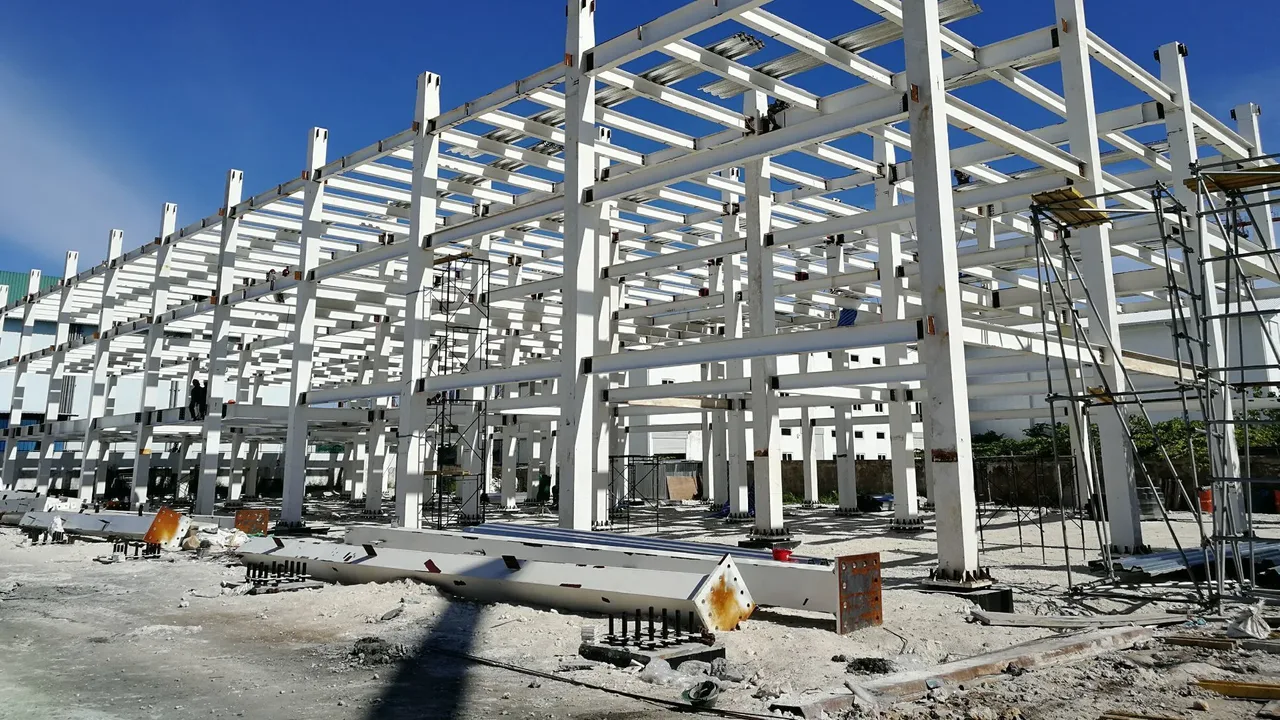
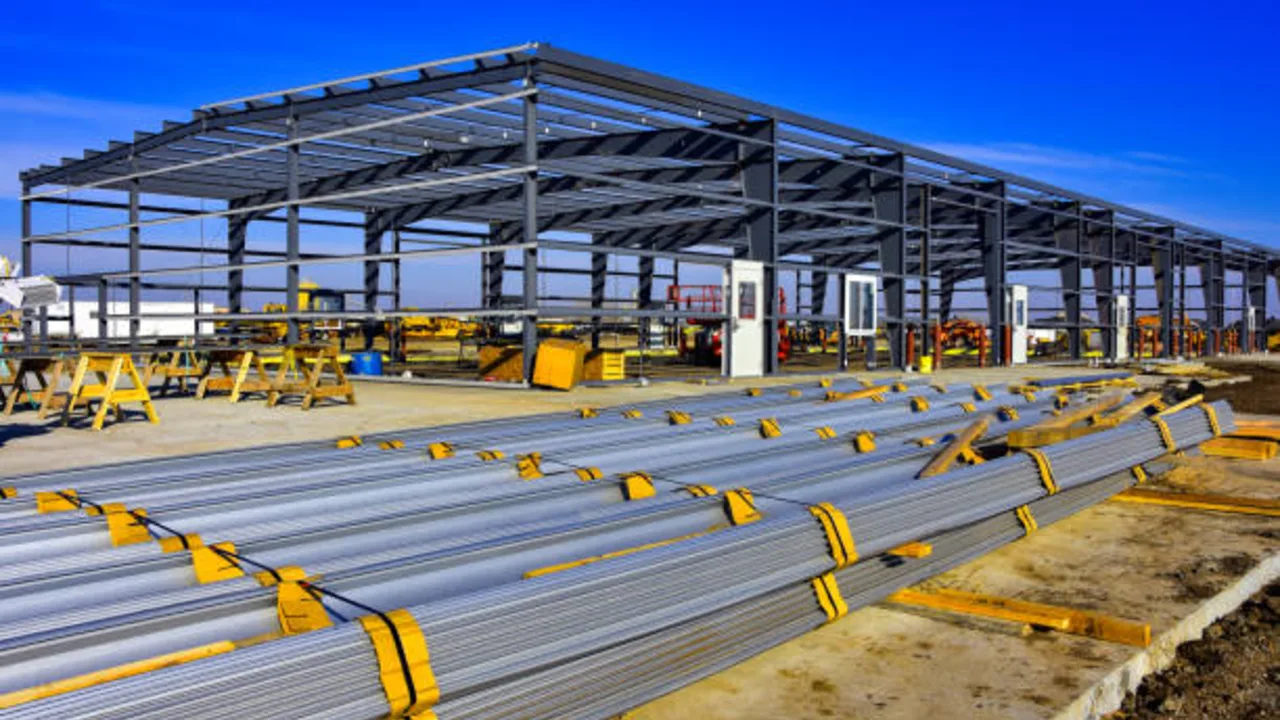
- Prefabricated steel components produced off-site
- Clear performance and delivery milestones
Turnkey Steel Construction vs Traditional Project Delivery
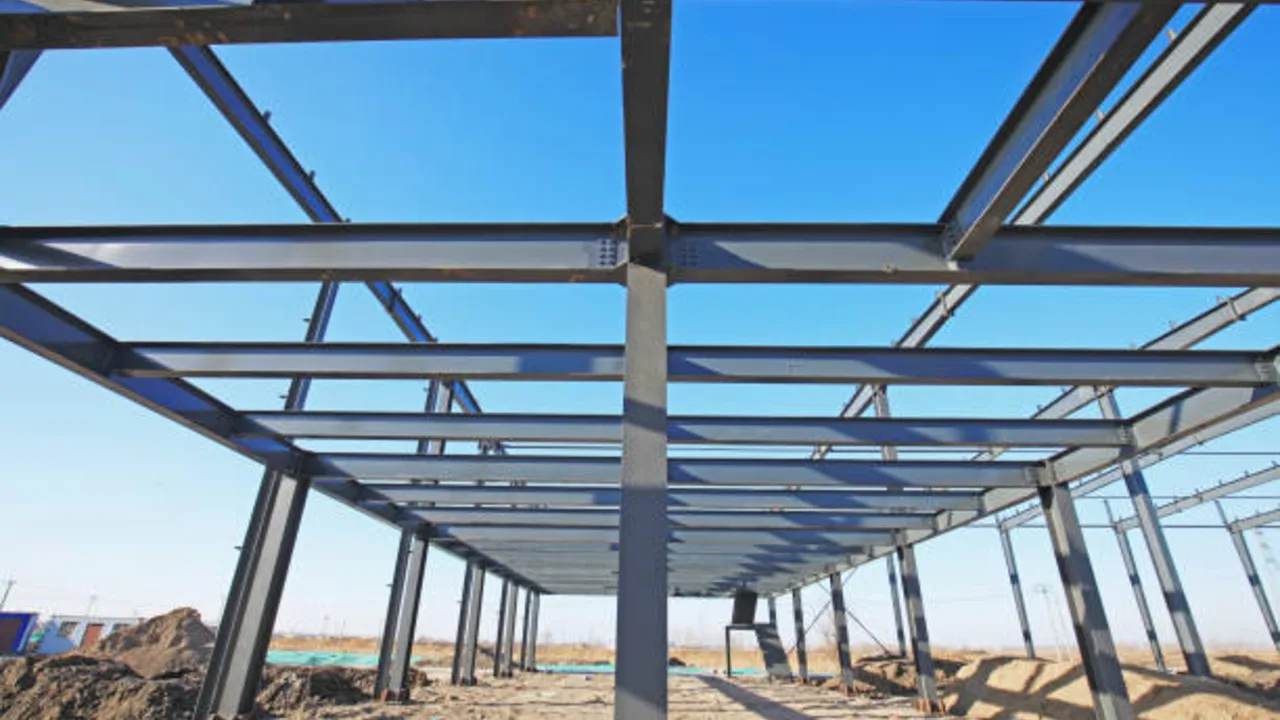
Understanding the differences between turnkey and traditional delivery models helps determine when turnkey solutions are the better choice.
| Aspect | Turnkey Steel Construction | Traditional Delivery |
|---|---|---|
| Responsibility | Single contractor | Multiple consultants and contractors |
| Schedule control | Centralized and optimized | Fragmented and coordination-heavy |
| Risk allocation | Transferred to EPC contractor | Shared or unclear |
| Design–construction integration | Fully integrated | Often separated |
When Turnkey Steel Construction Is the Right Choice
Not every project requires a turnkey approach. However, certain conditions make turnkey steel construction significantly more effective than traditional methods.
1. Complex Industrial Facilities
Factories, logistics centers, power plants, and heavy industrial buildings often involve complex structural requirements, heavy loads, and tight tolerances. Turnkey delivery ensures that structural design, steel fabrication, and erection are fully aligned from day one.
2. Tight Project Timelines
When speed-to-market is critical, turnkey steel construction reduces delays caused by fragmented coordination. Prefabrication and parallel workflows allow engineering, procurement, and fabrication to progress simultaneously.
3. Limited In-House Project Management Capacity
Owners without large technical teams benefit from turnkey solutions because the EPC contractor manages interfaces, quality control, and scheduling internally—simplifying decision-making and communication.
4. International or Cross-Border Projects
For overseas projects, especially those involving china construction steel structure solutions, turnkey steel construction minimizes logistical complexity. The contractor coordinates design standards, fabrication, shipping, and on-site assembly under a unified strategy.
5. Budget Certainty and Risk Control
Turnkey contracts often define fixed or tightly controlled pricing frameworks. This provides higher cost certainty compared to traditional models where design changes and coordination gaps frequently lead to cost overruns.
The Role of the EPC Model in Turnkey Steel Construction
The EPC model is the backbone of turnkey steel construction. Under EPC, the contractor is contractually responsible for:
- Engineering: Structural calculations, detailing, and compliance
- Procurement: Steel materials, components, and logistics
- Construction: Fabrication, erection, and commissioning
This integrated approach reduces interface risk and ensures that project delivery aligns with performance requirements, safety standards, and schedule commitments.
Common Steel Structures Delivered as Turnkey Projects
Turnkey steel construction is widely used across multiple building types, including:
- Industrial plants and manufacturing workshops
- Steel warehouses and logistics hubs
- Aircraft hangars and maintenance facilities
- Steel platforms and mezzanine systems
- Power and energy infrastructure buildings
Potential Challenges to Consider
While turnkey steel construction offers clear advantages in speed, coordination, and risk consolidation, it is not without challenges. The success of a turnkey approach depends heavily on selecting the right contractor and establishing a well-defined contractual framework from the outset.
Without proper due diligence, a turnkey arrangement can unintentionally shift too much control away from the project owner. To avoid this, several critical factors should be carefully evaluated.
Proven EPC Experience in Steel Structures
Not all EPC contractors possess deep expertise in steel structure projects. Owners should prioritize contractors with a proven track record in delivering industrial steel buildings under EPC or turnkey contracts. Experience in similar building types—such as factories, warehouses, or heavy-load platforms—helps ensure that structural design, fabrication, and erection are well coordinated.
Requesting case studies, reference projects, and performance data from completed turnkey steel construction projects can significantly reduce execution risk.
In-House Engineering and Fabrication Capabilities
A key risk in turnkey delivery arises when engineering, detailing, and fabrication are heavily subcontracted. While outsourcing is not inherently problematic, excessive fragmentation can weaken accountability and create communication gaps.
Contractors with strong in-house engineering teams and dedicated steel fabrication facilities are better positioned to optimize structural design, control quality, and respond quickly to design changes or site conditions.
Clear Communication and Reporting Processes
Turnkey projects rely on centralized decision-making, which makes transparent communication essential. Owners should ensure that reporting structures, approval workflows, and progress tracking systems are clearly defined.
Regular technical meetings, milestone-based reporting, and digital project management tools help maintain visibility throughout engineering, procurement, and construction phases—preventing surprises late in the project.
Contract Clarity on Scope, Timeline, and Performance Guarantees
Because turnkey contracts consolidate responsibility, contract definitions must be precise. Ambiguities in scope of work, technical standards, or performance benchmarks can lead to disputes and cost escalation.
Owners should pay close attention to:
- Defined design responsibilities and applicable codes
- Fabrication tolerances and quality control requirements
- Construction schedule milestones and liquidated damages
- Performance guarantees related to structural capacity, safety, and durability
A well-structured contract protects both parties and ensures that project delivery aligns with technical, commercial, and operational expectations.
Maintaining Owner Oversight Without Micromanagement
One of the most common concerns with turnkey steel construction is the perceived loss of control. While the EPC contractor manages day-to-day execution, owners should retain oversight through independent reviews, third-party inspections, and clearly defined approval gates.
This balanced approach preserves the efficiency benefits of turnkey delivery while safeguarding the owner’s long-term interests.
Ultimately, transparency, technical competence, and clearly aligned incentives are critical to ensuring that turnkey steel construction delivers its promised value.
Industry Insight: Why Turnkey Steel Projects Are Growing
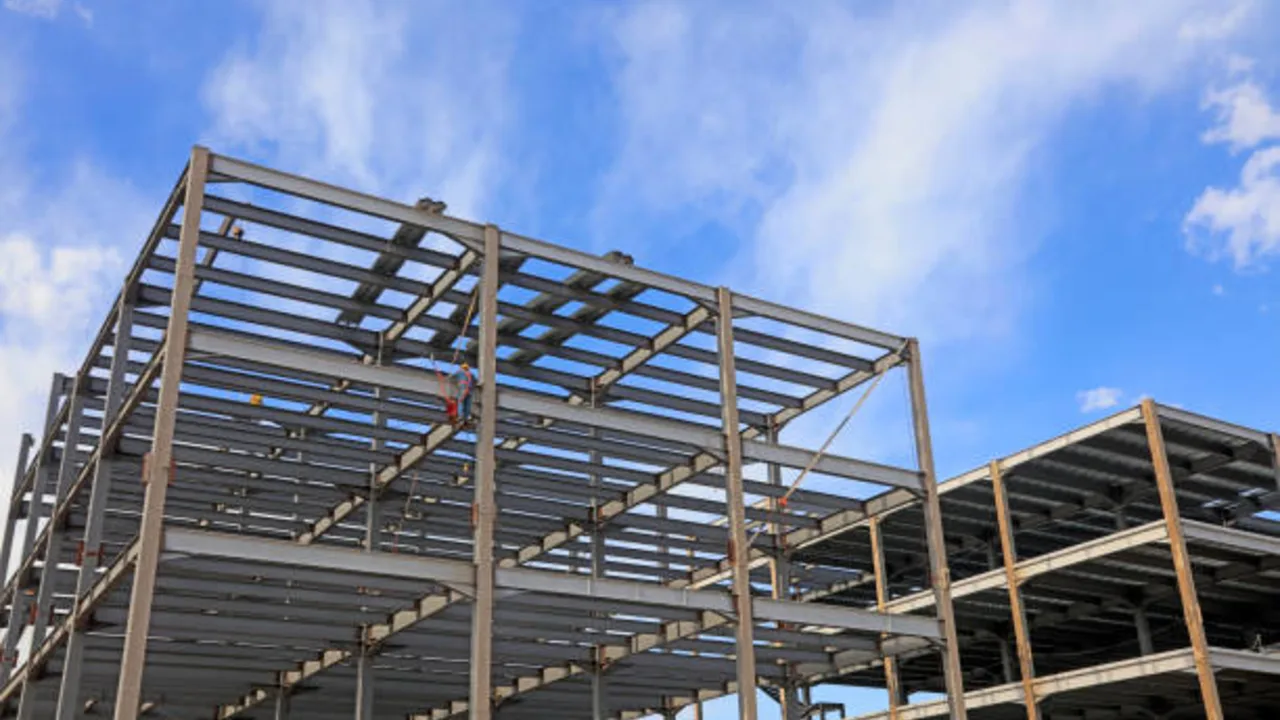
According to insights shared by :contentReference[oaicite:0]{index=0}, turnkey steel building projects streamline construction by reducing handoff delays and improving coordination between design and fabrication teams. This integration is a key reason why many industrial developers prefer turnkey delivery for complex steel structures.
For a deeper breakdown of how turnkey steel projects improve efficiency, you can review this external analysis:
How turnkey steel building projects streamline construction.
Conclusion: Is Turnkey Steel Construction Right for Your Project?
Turnkey steel construction is best suited for projects that demand speed, coordination, and accountability. When complexity, international execution, or tight schedules are involved, the EPC-driven turnkey approach offers clear advantages over fragmented delivery models.
By consolidating responsibility under one contractor, owners gain better control over risk, cost, and schedule—making turnkey steel construction a powerful solution for modern industrial development.