Asymmetrical steel fabrication is a highly specialized segment of structural engineering that deals with components lacking geometric uniformity. Unlike standard symmetrical members, these elements are designed with uneven profiles, offsets, or varying cross-sections, making them essential for modern architectural and engineering applications. However, asymmetrical steel fabrication introduces significant technical complexity, particularly in relation to precision, balance issue, and workflow coordination.
Asymmetrical steel members are defined by their non-uniform geometry, where the center of mass and structural axes do not align evenly. This creates unique fabrication demands that require advanced planning and execution. These members are widely used in architectural facades, bridges, industrial structures, and customized engineering solutions.
The primary challenge in asymmetrical steel fabrication lies in translating complex design intent into accurate physical components. Unlike repetitive standard sections, each asymmetrical member may require a unique fabrication approach, increasing both production time and technical risk.
Structural Characteristics of Asymmetrical Steel Members
The structural behavior of asymmetrical members differs fundamentally from symmetrical ones. Due to uneven geometry, load paths are not uniformly distributed, which creates additional stress concentrations and potential instability if not properly managed.
- Non-uniform stress distribution across the section
- Shifted neutral axis affecting bending performance
- Increased sensitivity to torsional effects
These characteristics directly impact asymmetrical steel fabrication, requiring precise engineering calculations and strict quality control during production.
Core Challenges in Asymmetrical Steel Fabrication
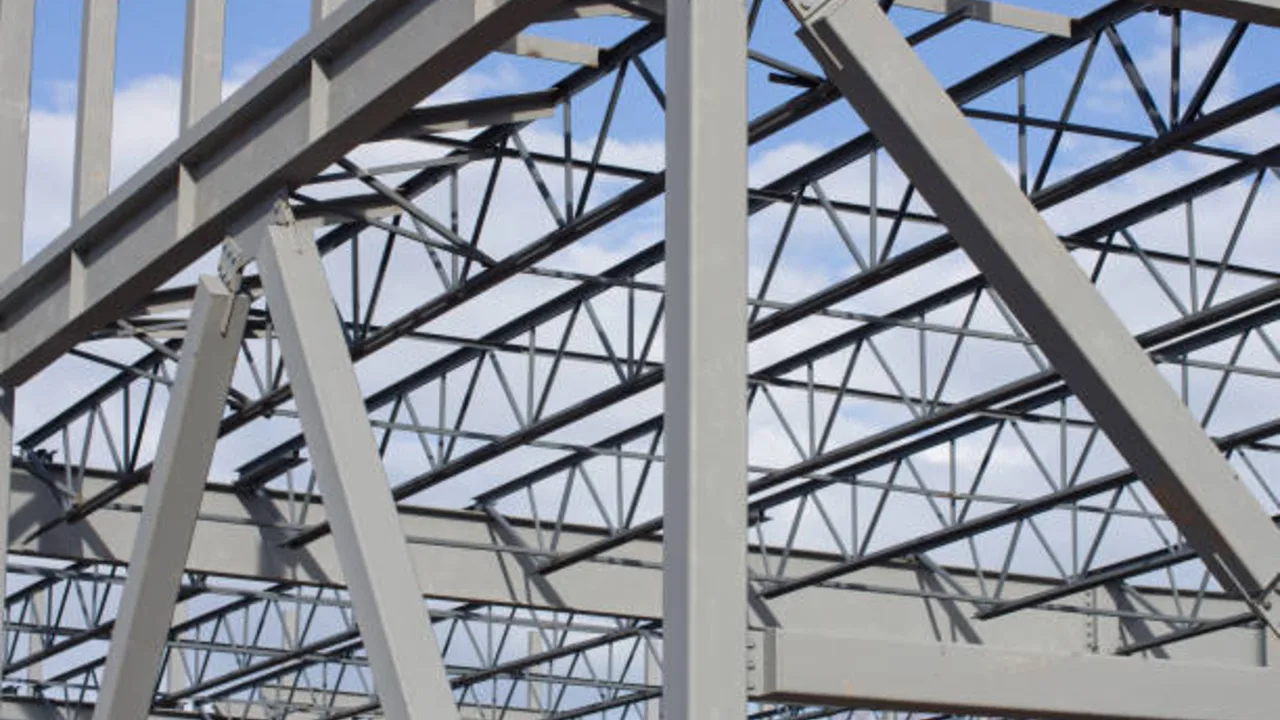
Fabricating asymmetrical steel components involves multiple layers of complexity that go beyond standard fabrication practices. These challenges affect every stage, from material preparation to final assembly.
Balance Issue in Asymmetrical Steel Fabrication
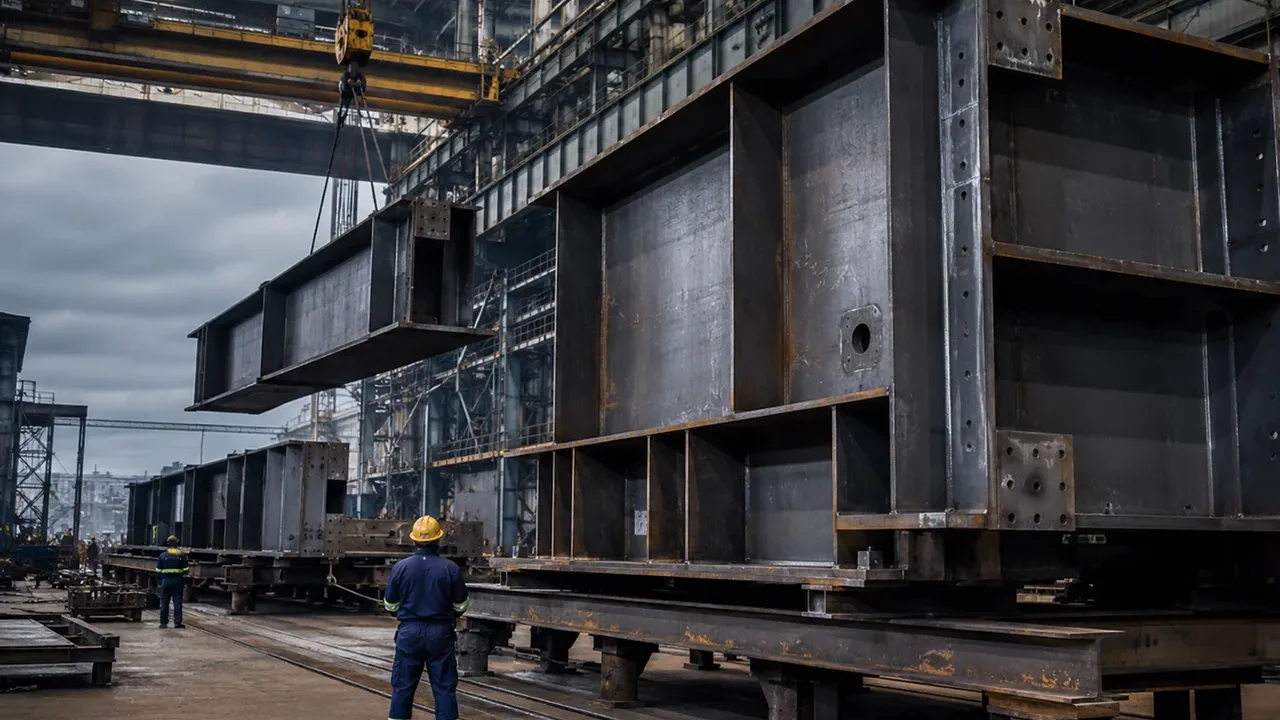
The balance issue is one of the most critical concerns in asymmetrical steel fabrication. Because these members do not have uniform weight distribution, their center of gravity is often offset. This creates instability during handling, lifting, and positioning.
During fabrication, even slight miscalculations in balance can lead to tilting, rotation, or misalignment. To address this, fabricators must carefully plan lifting points, support systems, and temporary bracing solutions.
Additionally, the balance issue can affect machining accuracy. Uneven weight distribution may introduce vibrations or movement during cutting or drilling operations, leading to dimensional inaccuracies.
Material Preparation and Cutting Complexity
Material preparation for asymmetrical steel fabrication requires advanced cutting strategies. Unlike standard components, asymmetrical members often involve irregular plate shapes and non-linear cutting paths.
High-precision technologies such as CNC plasma cutting, laser cutting, and robotic cutting systems are commonly used to achieve the required accuracy. However, even with advanced equipment, maintaining consistent tolerances across irregular geometries remains a challenge.
Another key issue is material utilization. Irregular shapes often result in inefficient nesting patterns, leading to increased material waste and higher production costs.
Assembly and Fit-Up Challenges
The assembly of asymmetrical steel members presents significant challenges due to the lack of consistent reference points. Unlike symmetrical components, these members cannot rely on standardized alignment methods.
Fabricators must use custom-designed fixtures and jigs to hold components in place during assembly. These fixtures are often unique to each project, increasing setup time and complexity.
Fit-up accuracy is critical, as any misalignment can propagate through the structure and affect overall performance. This requires meticulous measurement and adjustment during assembly.
Welding Challenges in Asymmetrical Steel Fabrication
Welding is a crucial stage in asymmetrical steel fabrication, but it becomes significantly more complex due to uneven geometry. Heat distribution during welding is rarely uniform, increasing the likelihood of distortion and residual stress.
Managing Heat-Induced Distortion
Heat-induced distortion is a major concern in asymmetrical steel fabrication. As welding heat is applied, the steel expands and contracts unevenly, causing warping or twisting of the component.
This effect is amplified in asymmetrical members because different sections respond differently to heat input. Managing this requires careful planning of welding sequences and heat control techniques.
Common strategies include:
- Applying balanced welding sequences to minimize uneven heat buildup
- Using preheating techniques to stabilize thermal gradients
- Implementing controlled cooling methods to reduce residual stress
Failure to manage distortion effectively can lead to costly rework and compromised structural integrity.
Inspection and Quality Control Difficulties
Inspection of asymmetrical steel members is inherently more challenging than that of standard components. The irregular geometry makes it difficult to apply traditional measurement techniques.
Advanced inspection tools such as 3D scanning and laser measurement systems are often required to verify dimensional accuracy. These technologies allow for precise comparison between fabricated components and design models.
| Inspection Method | Application | Challenge |
|---|---|---|
| 3D Scanning | Complex geometry validation | High cost and data processing |
| Laser Measurement | Alignment verification | Requires skilled operation |
| Visual Inspection | Surface defect detection | Limited accuracy for irregular shapes |
These inspection methods are essential to ensure that asymmetrical steel fabrication meets stringent engineering requirements.
Fabrication Workflow Optimization
To address the complexity of asymmetrical steel fabrication, workflow optimization is essential. This involves integrating design, fabrication, and inspection processes to minimize errors and improve efficiency.
Digital tools such as Building Information Modeling (BIM) enable engineers to simulate fabrication processes before production begins. This helps identify potential issues early and reduce costly rework.
In large-scale projects, coordination between design and manufacturing teams is critical. Optimized workflows ensure that asymmetrical components are fabricated accurately and delivered on schedule.
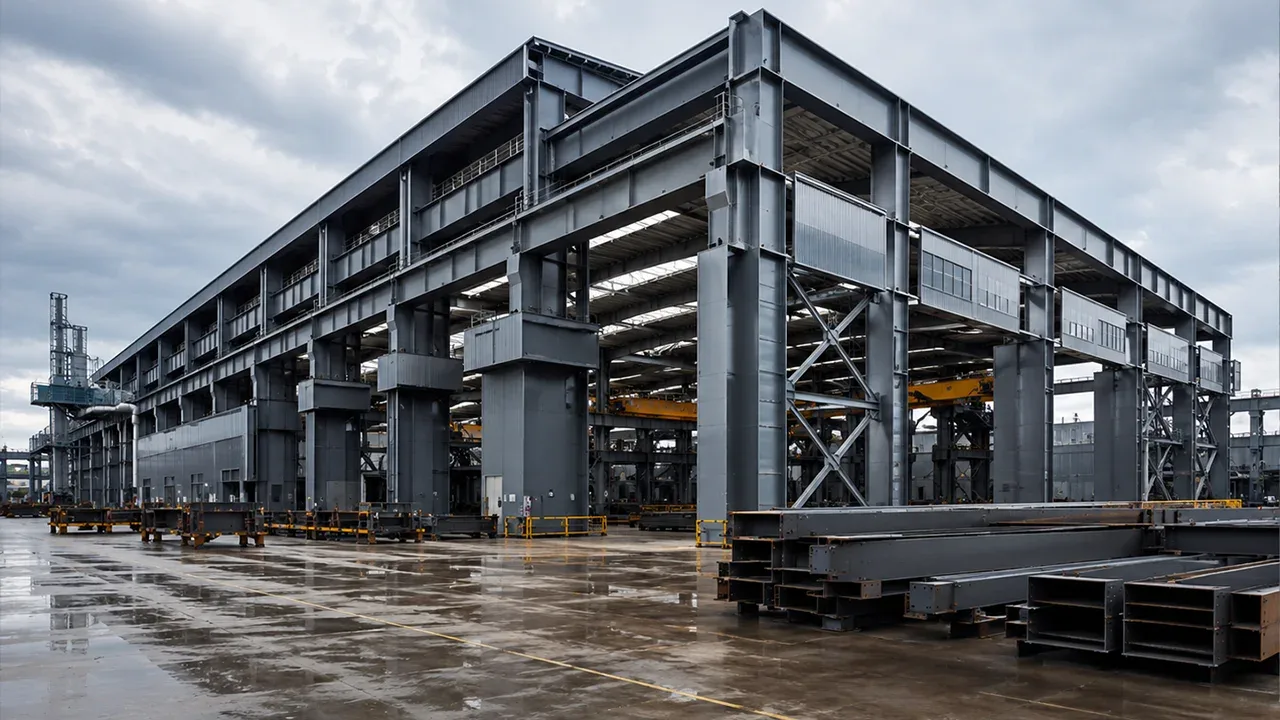
For projects involving heavy steel structure fabrication, integrating asymmetrical components into the overall production system requires careful planning to maintain consistency and efficiency.
Material Efficiency and Cost Implications
Asymmetrical steel fabrication often results in increased material consumption due to irregular geometries and non-standard cutting patterns. Unlike symmetrical components that can be efficiently nested, asymmetrical shapes create gaps during material layout, leading to higher waste ratios.
This inefficiency directly impacts project costs. In addition to material waste, the need for specialized cutting, handling, and assembly processes increases labor expenses. Fabricators must allocate more time and resources to ensure accuracy, which further raises the overall cost of asymmetrical steel fabrication.
Another important consideration is rework risk. Due to the complexity involved, errors are more likely to occur, and correcting them can be expensive. This makes cost control a critical aspect of managing asymmetrical steel fabrication projects.
Integration with Steel Structure Fabrication Systems
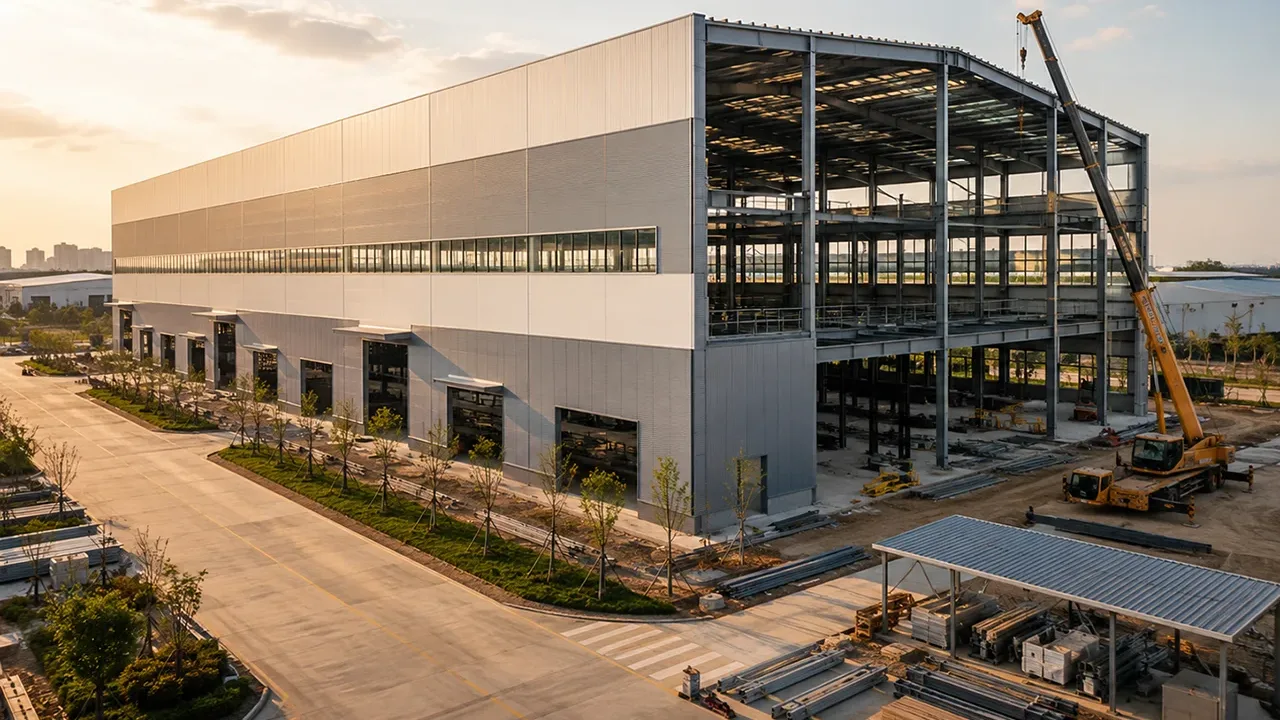
Asymmetrical steel members rarely exist in isolation. They are typically integrated into larger structural systems that include standard components. Ensuring compatibility between asymmetrical and symmetrical elements is essential for successful project execution.
Integration requires precise dimensional coordination and alignment control. Even minor deviations in asymmetrical steel fabrication can create challenges during installation, affecting the entire structure.
In complex projects, aligning asymmetrical components with standardized production systems used in heavy steel structure fabrication helps maintain efficiency while ensuring quality consistency.
Advanced Fabrication Techniques for Asymmetrical Steel Fabrication
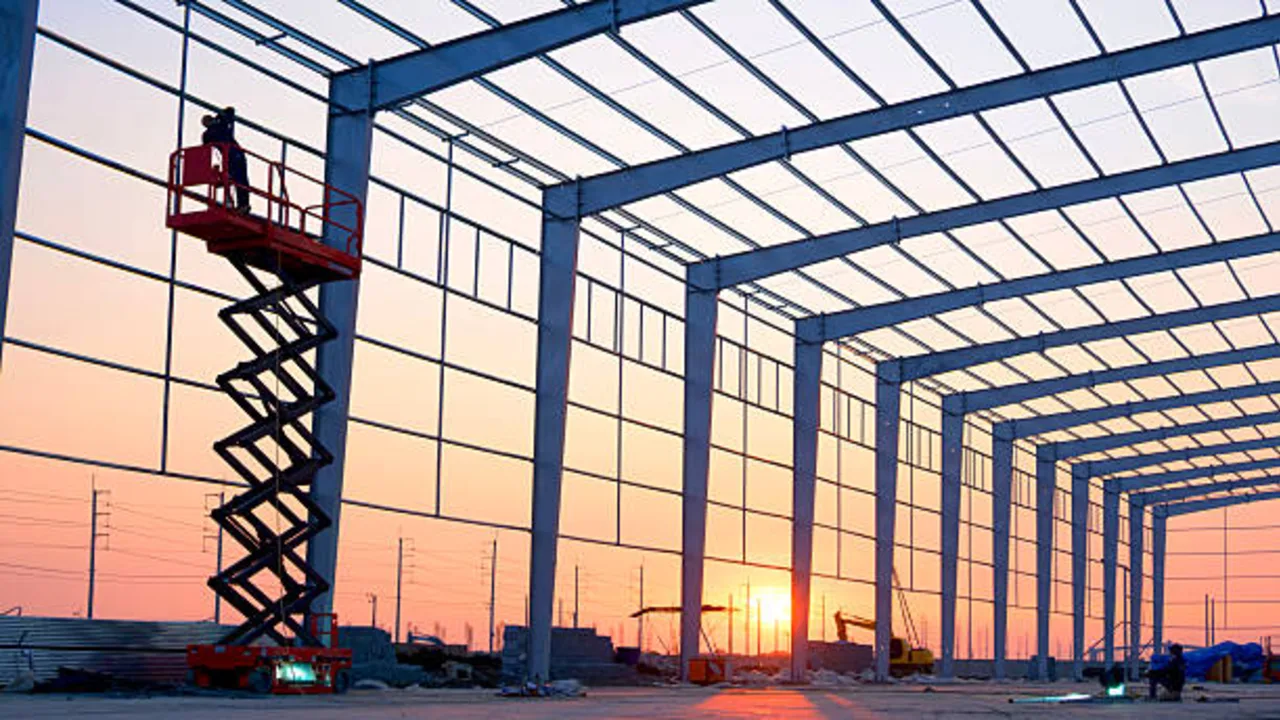
To overcome the inherent challenges of asymmetrical steel fabrication, modern fabrication facilities increasingly rely on advanced technologies. These techniques improve accuracy, reduce errors, and enhance production efficiency.
- Robotic welding systems for precise and repeatable welds
- Automated CNC cutting for complex geometries
- 3D modeling and simulation tools for pre-fabrication validation
These technologies allow fabricators to handle complex shapes more effectively while maintaining strict quality standards. As asymmetrical designs become more common, the adoption of such advanced solutions is becoming essential.
Workforce Expertise and Skill Requirements
Despite technological advancements, skilled labor remains a crucial factor in successful asymmetrical steel fabrication. Engineers, welders, and technicians must have a deep understanding of structural behavior, fabrication techniques, and quality control standards.
Training and experience are particularly important when dealing with balance issue and distortion control. Skilled workers can anticipate potential problems and apply corrective measures before they escalate.
Additionally, collaboration between design and fabrication teams is essential. Clear communication ensures that design intent is accurately translated into physical components, reducing the risk of errors.
Applications of Asymmetrical Steel Members
Asymmetrical steel members are widely used in modern construction due to their versatility and ability to meet complex design requirements. These applications highlight the importance of mastering asymmetrical steel fabrication techniques.
- Architectural structures with unconventional forms
- Industrial facilities requiring customized structural solutions
- Infrastructure projects with unique load conditions
Each application presents its own set of challenges, reinforcing the need for precise fabrication and rigorous quality control.
Future Trends in Asymmetrical Steel Fabrication
The future of asymmetrical steel fabrication is closely tied to advancements in digital technology and automation. Innovations such as artificial intelligence, digital twin modeling, and real-time monitoring systems are expected to transform fabrication processes.
These technologies will enable more accurate predictions of fabrication outcomes, reducing errors and improving efficiency. As a result, the complexity associated with asymmetrical designs can be managed more effectively.
Sustainability is also becoming an important focus. Reducing material waste and optimizing energy consumption are key priorities for the industry. Advanced fabrication methods are expected to play a significant role in achieving these goals.
Risk Management in Asymmetrical Steel Fabrication
Managing risks is essential in asymmetrical steel fabrication due to the high level of complexity involved. Potential risks include dimensional inaccuracies, distortion, and structural instability.
Effective risk management strategies include:
- Detailed pre-fabrication planning and simulation
- Continuous quality monitoring during production
- Use of advanced inspection technologies
By proactively addressing these risks, fabricators can minimize delays and ensure project success.
Conclusion
Asymmetrical steel fabrication presents a unique set of challenges that require advanced engineering expertise, precise execution, and effective workflow management. From balance issue and material inefficiency to welding distortion and inspection complexity, each stage of the process demands careful attention.
By leveraging modern technologies, optimizing fabrication processes, and employing skilled professionals, these challenges can be successfully managed. As architectural and structural designs continue to evolve, asymmetrical steel fabrication will remain a critical capability in the construction industry.