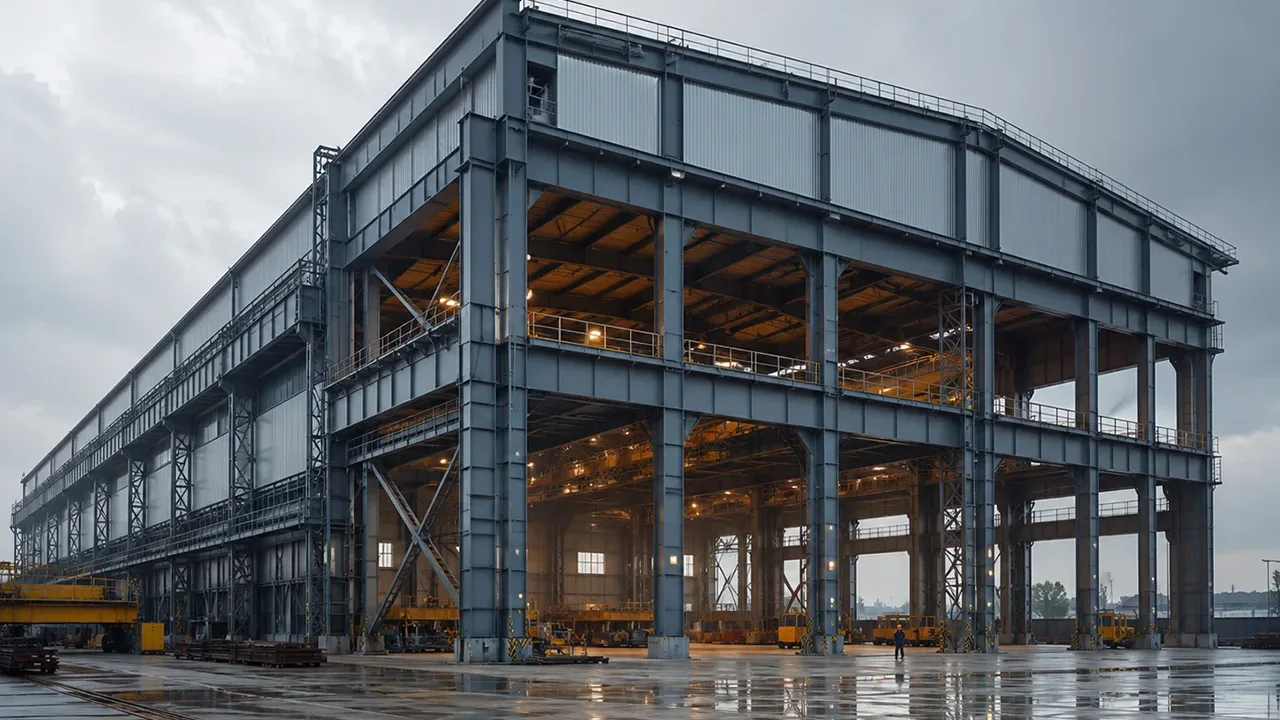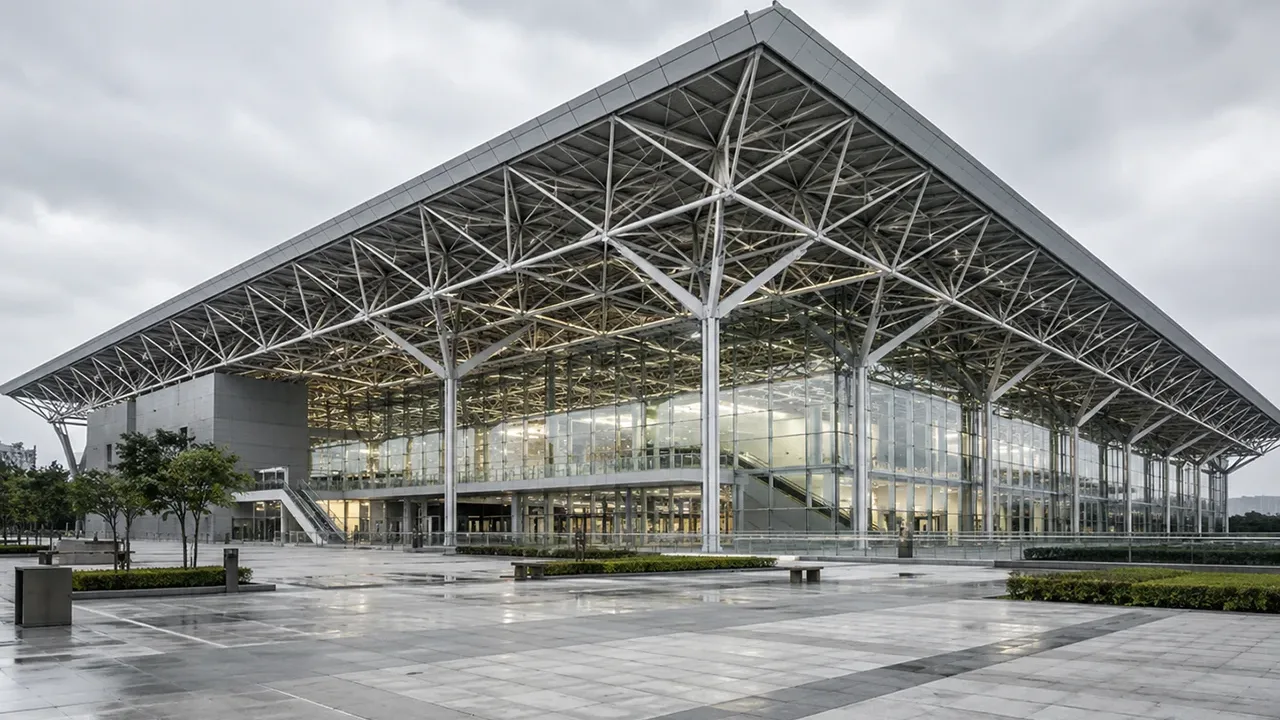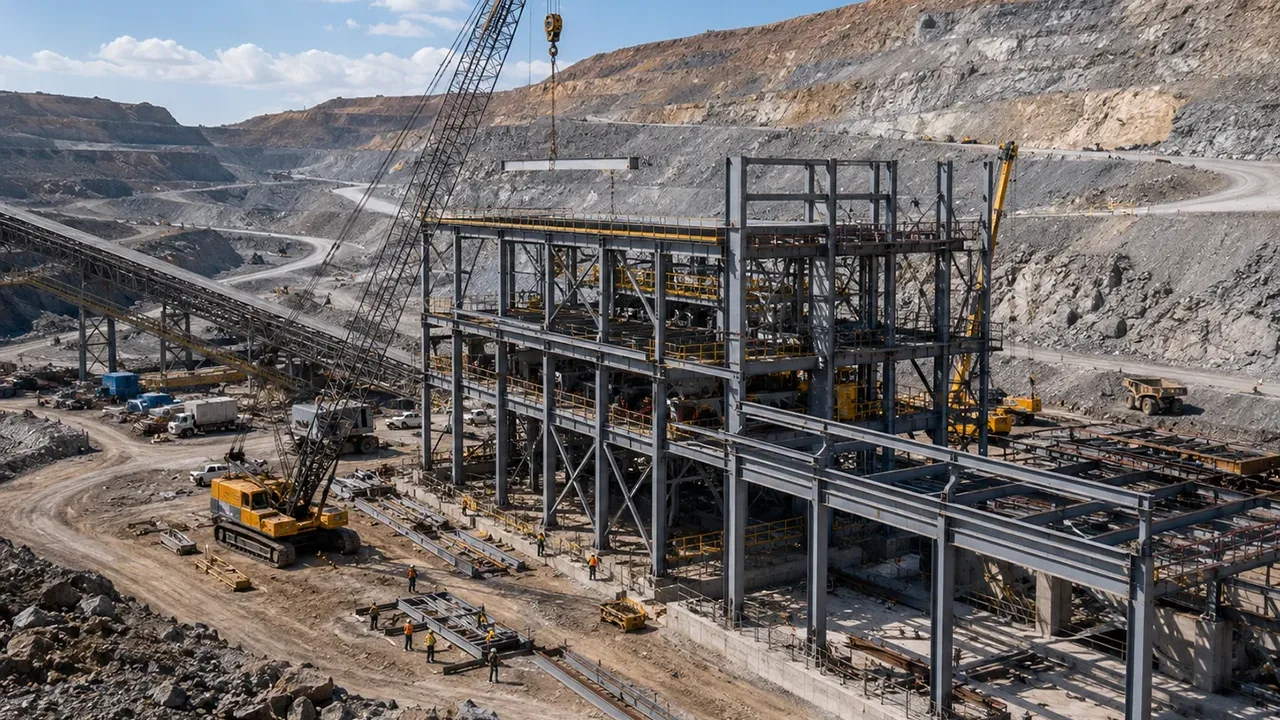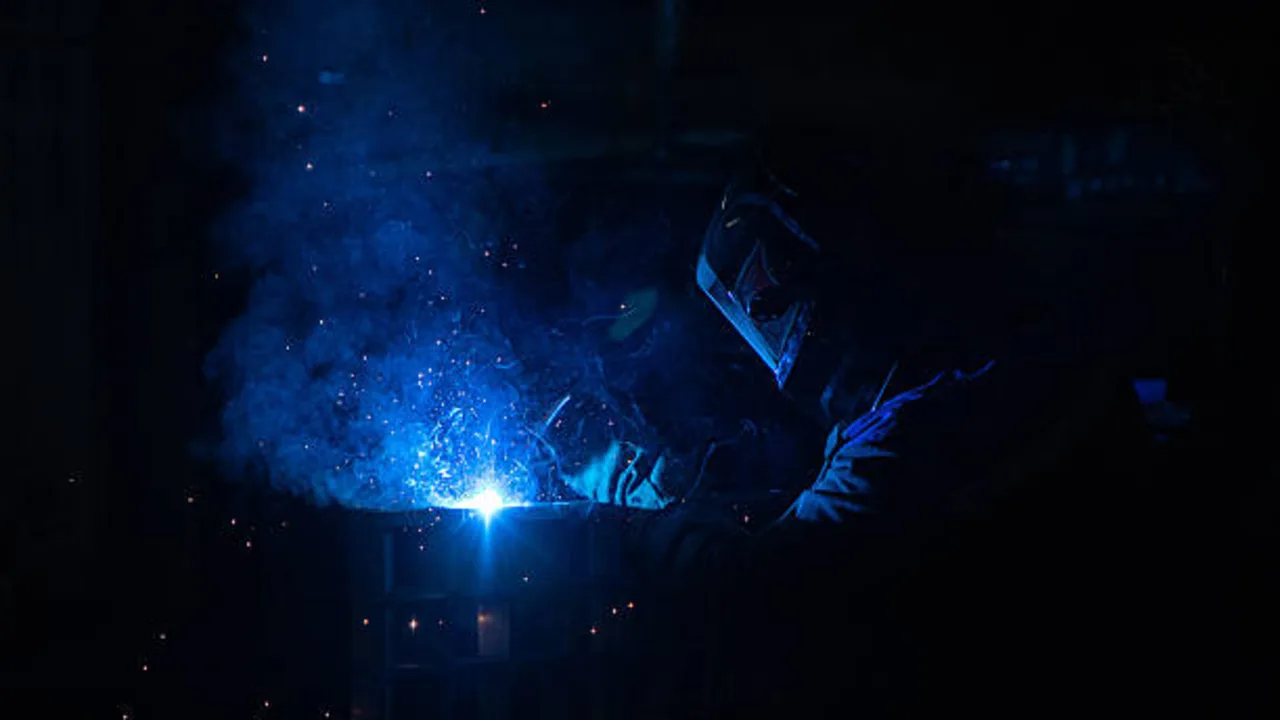
Box section steel fabrication is a specialized process within structural engineering that involves forming hollow, closed steel members used in demanding construction environments. These components are widely adopted in modern infrastructure due to their superior strength, clean geometry, and excellent torsional resistance. However, the advantages of box sections come at the cost of increased fabrication complexity, particularly when it comes to precision, welding accessibility, and quality control.
Introduction to Box Section Steel Fabrication
Box sections are typically manufactured by welding multiple steel plates together to form a closed rectangular or square profile. Unlike open sections such as I-beams or channels, these members provide enhanced structural performance under multidirectional loads. As a result, box section steel fabrication is commonly used in bridges, industrial plants, high-rise buildings, and large-span structures.
The fabrication process requires careful planning and execution, as once the section is closed, internal access becomes extremely limited. This makes early-stage accuracy critical, especially in terms of cutting, alignment, and welding preparation.
Structural Advantages of Box Section Steel Members
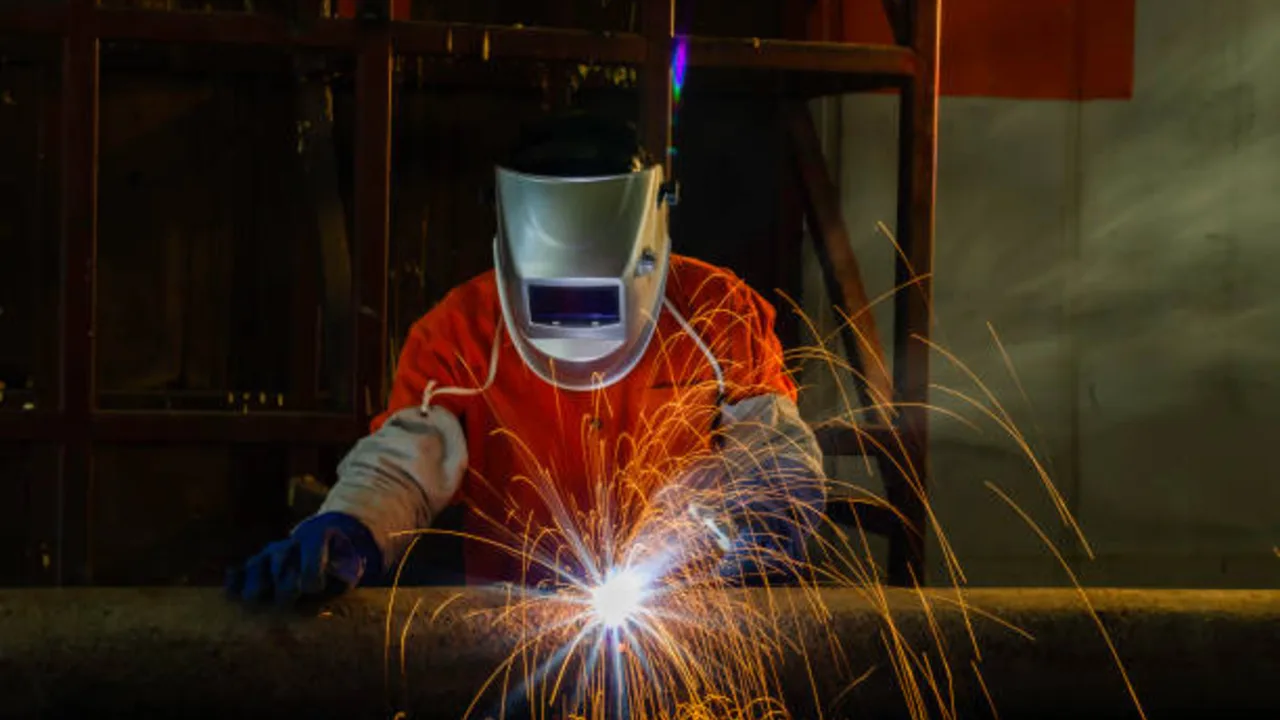
The widespread use of box section steel fabrication is driven by its engineering benefits. These members are designed to perform efficiently under complex loading conditions, making them ideal for high-performance structural applications.
- High torsional rigidity minimizes twisting under load
- Uniform load distribution enhances structural stability
- Closed geometry improves resistance to buckling
Additionally, box sections offer a clean and modern aesthetic, which is often preferred in architectural designs where exposed steel elements are visible. However, achieving these advantages requires overcoming several fabrication challenges that are not present in open-section steel members.
Core Challenges in Box Section Steel Fabrication
Box section steel fabrication introduces a range of technical difficulties that must be managed throughout the production process. These challenges are primarily related to precision, welding, and structural integrity.
Material Preparation and Precision Cutting
The fabrication process begins with cutting steel plates to precise dimensions. Any deviation at this stage can lead to alignment issues during assembly, which are difficult to correct later. High-precision cutting methods such as CNC plasma cutting or laser cutting are often required to maintain tight tolerances.
Even minor inconsistencies can result in gaps between plates, leading to increased welding stress and potential structural weaknesses. Therefore, strict quality control during material preparation is essential in box section steel fabrication.
Dimensional Tolerances and Alignment
Maintaining dimensional accuracy is significantly more challenging in closed sections compared to open profiles. Once the box section is fully assembled and welded, internal adjustments are no longer possible. This makes alignment during the initial stages of fabrication critically important.
Fabricators often rely on specialized jigs and fixtures to hold components in place during assembly. These tools help ensure that the final geometry meets design specifications, reducing the risk of misalignment.
Handling and Deformation Risks
Box sections are particularly sensitive to deformation during fabrication due to uneven heat distribution and handling stresses. Improper lifting, storage, or welding sequences can lead to distortion, which may affect both structural performance and visual appearance.
To minimize these risks, fabricators must implement controlled handling procedures and carefully plan the welding sequence. This is especially important in large-scale projects where multiple box section members are produced simultaneously.
Welding Accessibility Issues in Closed Sections
One of the most significant challenges in box section steel fabrication is limited access for internal welding. Since the structure is enclosed, reaching internal joints can be extremely difficult, particularly in smaller sections.
Closed section welding often requires that internal welds be completed before the final plate is installed. This demands precise sequencing and coordination, as any missed welds cannot be corrected after closure. Additionally, the lack of access makes inspection more challenging, increasing the importance of quality assurance during welding.
Distortion Control During Welding
Welding generates heat, which causes expansion and contraction in the steel material. In box section steel fabrication, this can lead to warping or shrinkage, especially if the heat is not evenly distributed.
Distortion control is a critical aspect of the fabrication process. Common strategies include:
- Using balanced welding sequences to distribute heat evenly
- Applying preheating techniques to reduce thermal gradients
- Utilizing fixtures to maintain structural alignment during welding
Without proper distortion control, the final product may not meet dimensional tolerances, leading to complications during installation.
Closed Section Welding Techniques
Closed section welding is a key component of box section steel fabrication, requiring both technical expertise and specialized equipment. The process typically involves a combination of internal and external welding to ensure structural integrity.
Internal welds are completed before the section is fully closed, while external welds are applied after assembly to reinforce the structure. In many cases, automated welding systems are used to improve consistency and reduce human error.
Modern fabrication facilities increasingly rely on robotic welding technologies to handle complex geometries and repetitive tasks. These systems not only enhance weld quality but also improve production efficiency.
Quality Inspection and Testing Difficulties
Inspection is a crucial step in box section steel fabrication, but it presents unique challenges due to the enclosed nature of the structure. Traditional visual inspection methods are limited to external surfaces, making it difficult to detect internal defects.
Advanced non-destructive testing methods are often required to ensure quality. These include ultrasonic testing and radiographic testing, both of which can identify internal flaws without damaging the structure.
| Inspection Method | Purpose | Limitation |
|---|---|---|
| Ultrasonic Testing | Detect internal defects | Requires skilled operators |
| Radiographic Testing | High-precision imaging | Expensive and time-consuming |
| Visual Inspection | Surface defect detection | Limited to external areas |
These inspection methods are essential for maintaining quality standards, especially in projects where safety and reliability are critical.
Fabrication Workflow Optimization
Optimizing the fabrication workflow is essential for overcoming the challenges associated with box section steel fabrication. This involves integrating design, production, and inspection processes to minimize errors and improve efficiency.
Digital tools such as Building Information Modeling (BIM) allow engineers to simulate the fabrication process before production begins. This helps identify potential issues early, reducing the risk of costly rework.
In large-scale steel structure construction projects, workflow optimization ensures that fabricated components fit accurately during on-site assembly, improving overall project efficiency.
Material Selection and Cost Implications
Material selection plays a significant role in determining the complexity and cost of box section steel fabrication. The choice of steel grade, plate thickness, and surface condition directly affects weldability, heat input requirements, and overall fabrication efficiency.
Higher-strength steels may offer improved structural performance, but they often require more controlled welding procedures and stricter quality standards. Thicker plates, while providing greater load capacity, increase the difficulty of closed section welding due to higher heat input and the risk of residual stress accumulation.
Fabricators must carefully balance these factors to achieve optimal performance without unnecessarily increasing production costs. In many cases, the cost of fabrication can exceed the cost of raw materials, especially when complex welding and inspection processes are involved in box section steel fabrication.
Process Sequencing in Box Section Steel Fabrication
One of the most overlooked yet critical aspects of box section steel fabrication is process sequencing. The order in which components are assembled and welded has a direct impact on accessibility, distortion control, and inspection capability.
Typical sequencing considerations include:
- Completing internal welds before final closure
- Balancing welds on opposite sides to minimize distortion
- Scheduling inspections at accessible stages
Improper sequencing can result in inaccessible weld zones or trapped defects, both of which are costly to repair. Therefore, detailed planning is essential before fabrication begins.
Thermal Stress and Residual Deformation
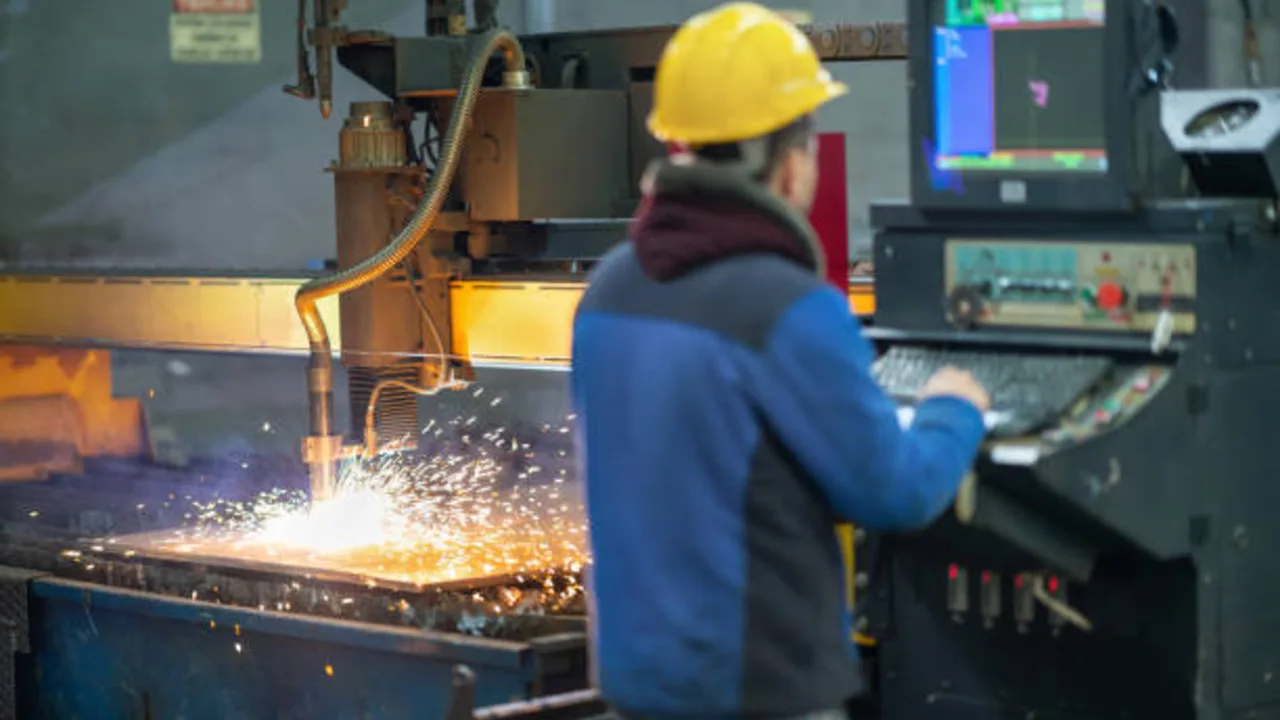
Thermal stress is an inherent challenge in box section steel fabrication due to the enclosed geometry of the structure. As welding heat is applied, the steel expands and contracts unevenly, creating internal stresses that can lead to permanent deformation.
Residual deformation may not always be visible immediately but can affect the long-term performance of the structure. In critical applications, such as bridges or high-rise buildings, even minor deviations can lead to significant alignment issues during installation.
To mitigate thermal stress, fabricators often use controlled heating and cooling techniques, as well as predictive modeling to anticipate deformation patterns.
Integration with Heavy Steel Structure Fabrication Systems
Box section steel fabrication is often part of a broader manufacturing process that includes other structural components. Integration with heavy steel structure fabrication systems ensures consistency in quality, dimensional accuracy, and production efficiency.
By aligning fabrication standards across different components, manufacturers can reduce compatibility issues during assembly and installation. This integration is particularly important in large-scale industrial and infrastructure projects where multiple fabrication processes must work together seamlessly.
Automation and Technological Advancements
Advancements in fabrication technology have significantly improved the efficiency and reliability of box section steel fabrication. Automation plays a key role in addressing many of the challenges associated with precision, welding, and inspection.
Key technological developments include:
- Robotic welding systems for consistent weld quality
- CNC cutting machines for high-precision material preparation
- Real-time monitoring systems for quality control
These technologies not only enhance production efficiency but also reduce the risk of human error, which is particularly important in complex fabrication processes.
Workforce Expertise and Skill Requirements
Despite the rise of automation, skilled labor remains a critical factor in successful box section steel fabrication. Experienced welders, inspectors, and engineers are essential for managing complex fabrication challenges and ensuring that quality standards are met.
Training and certification programs are often required to maintain a high level of expertise, especially in areas such as closed section welding and non-destructive testing. The combination of advanced technology and skilled personnel is key to achieving consistent results.
Applications in Modern Construction Projects
Box section steel members are widely used across various sectors due to their strength and versatility. Their applications highlight the importance of mastering box section steel fabrication techniques.
- Industrial facilities requiring heavy load-bearing capacity
- Bridges where torsional resistance is critical
- High-rise buildings demanding compact structural elements
- Architectural structures with exposed steel components
Each of these applications presents unique challenges, further emphasizing the need for precise fabrication and quality control.
Future Trends in Box Section Steel Fabrication
The future of box section steel fabrication is expected to be shaped by ongoing advancements in technology and materials science. Innovations such as digital twin modeling, AI-driven quality control, and advanced welding techniques are likely to play a significant role in improving efficiency and reducing costs.
Sustainability is also becoming an important consideration, with a growing focus on reducing material waste and energy consumption during fabrication. These trends are expected to drive further improvements in the industry.
Conclusion
Box section steel fabrication offers significant advantages in terms of structural performance and design flexibility. However, it also presents a range of challenges related to welding accessibility, distortion control, inspection, and process sequencing.
By adopting advanced technologies, optimizing workflows, and leveraging skilled expertise, these challenges can be effectively managed. As the demand for high-performance steel structures continues to grow, box section steel fabrication will remain a critical area of focus in modern construction.