In modern industrial construction, precision is not achieved during welding—it is established long before that stage begins. One of the most critical elements that ensures this precision is the use of steel fabrication assembly jigs. These temporary support systems play a fundamental role in aligning, positioning, and stabilizing components before they are permanently joined.
As steel structures grow in scale and complexity—ranging from industrial plants to long-span trusses and infrastructure systems—the need for repeatable accuracy becomes increasingly important. Even minor misalignments during assembly can lead to cumulative structural deviations, affecting not only fabrication quality but also on-site installation efficiency. Temporary assembly jigs act as the control system that eliminates these risks.
From ensuring positioning accuracy to reducing human error and improving workflow efficiency, assembly jigs are more than just tools—they are a strategic component of modern fabrication systems. Understanding how they function, and how they are applied across different project types, is essential for achieving reliable and scalable steel fabrication outcomes.
What Are Temporary Assembly Jigs in Steel Fabrication?
Definition and Core Function
Temporary assembly jigs are specialized structures or devices used to hold, position, and guide steel components during the assembly phase prior to welding. Unlike permanent fixtures, these jigs are designed for flexibility and are often removed once the welding process is completed.
The core function of steel fabrication assembly jigs is to create a controlled environment where components can be assembled with consistent geometry. They ensure that parts are aligned correctly according to design specifications, maintaining dimensional integrity throughout the fabrication process.
It is important to distinguish between jigs and fixtures. While both are used for positioning, jigs often guide the operation (such as drilling or alignment), whereas fixtures primarily hold components in place. In steel fabrication, temporary jigs frequently combine both roles to achieve optimal results.
Role in Modern Fabrication Workflow
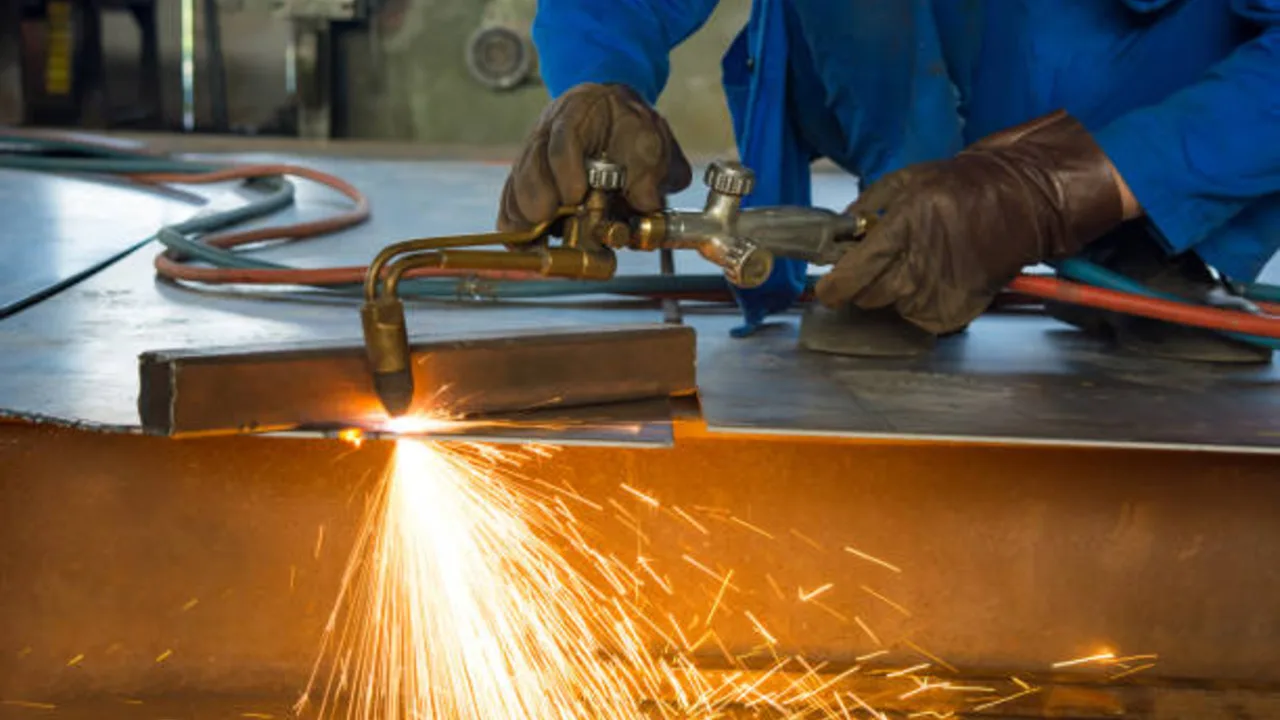
In a typical fabrication workflow, assembly jigs sit at the intersection between material preparation and welding. After cutting and machining, steel components are transferred to the assembly stage, where jigs are used to position them accurately before any permanent joining occurs.
This stage is critical because it defines the initial geometry of the structure. Once welding begins, any misalignment becomes locked into the final product. By using steel fabrication assembly jigs, fabrication teams ensure that every component starts in the correct position, minimizing downstream errors.
In high-volume production environments, jigs also serve as productivity multipliers. They reduce setup time, standardize processes, and allow operators to work more efficiently without compromising accuracy.
Types of Temporary Assembly Jigs Used in Steel Fabrication
Basic Mechanical Jigs
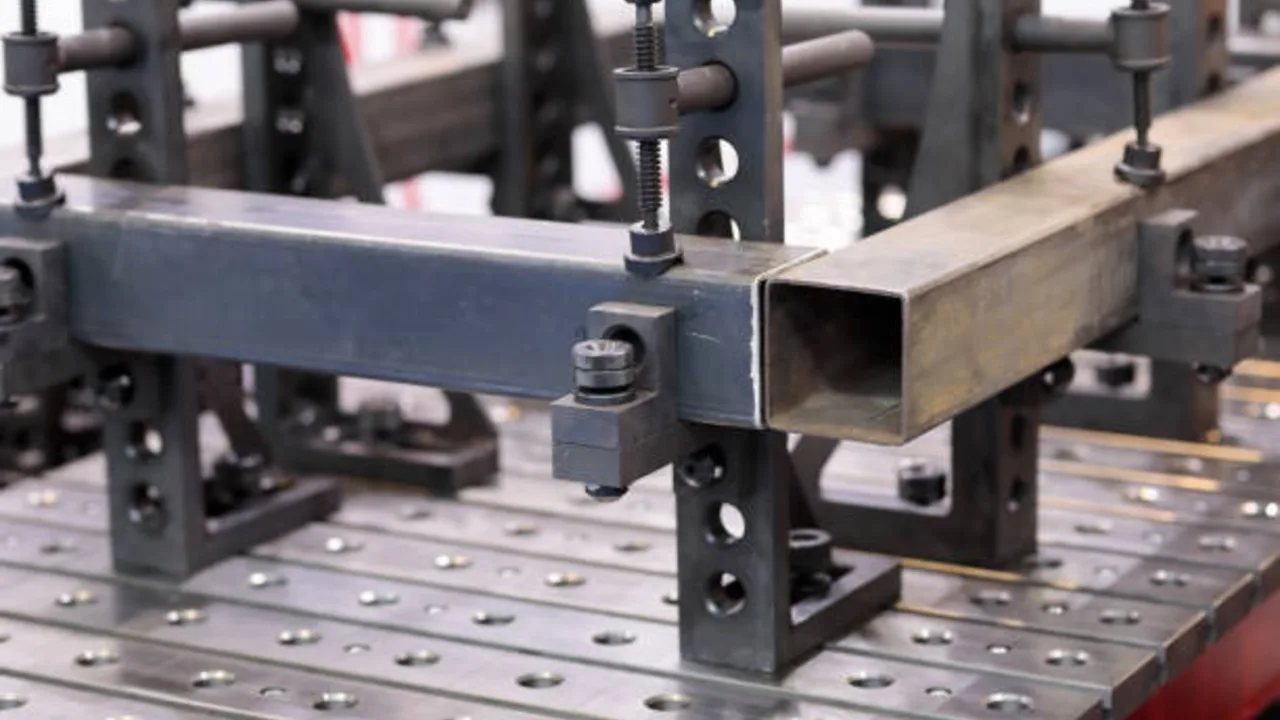
Basic mechanical jigs are the simplest form of assembly support systems. They typically consist of clamps, supports, and adjustable frames that allow workers to manually position components. These jigs are commonly used in small-scale fabrication or for components with relatively simple geometry.
While they offer flexibility and low cost, their accuracy largely depends on operator skill. As a result, they are best suited for projects where tolerances are less stringent or where customization is required.
Modular Assembly Jigs
Modular assembly jigs are designed for adaptability and reuse. They consist of standardized components that can be reconfigured to accommodate different project requirements. This makes them highly effective in repetitive production environments.
One of the key advantages of modular systems is their ability to maintain consistent positioning accuracy across multiple units. By reducing variability between assemblies, these jigs help improve both quality and efficiency.
Additionally, modular jigs support scalability. As production demands increase, the same system can be expanded or modified without requiring a complete redesign.
Heavy-Duty Structural Jigs
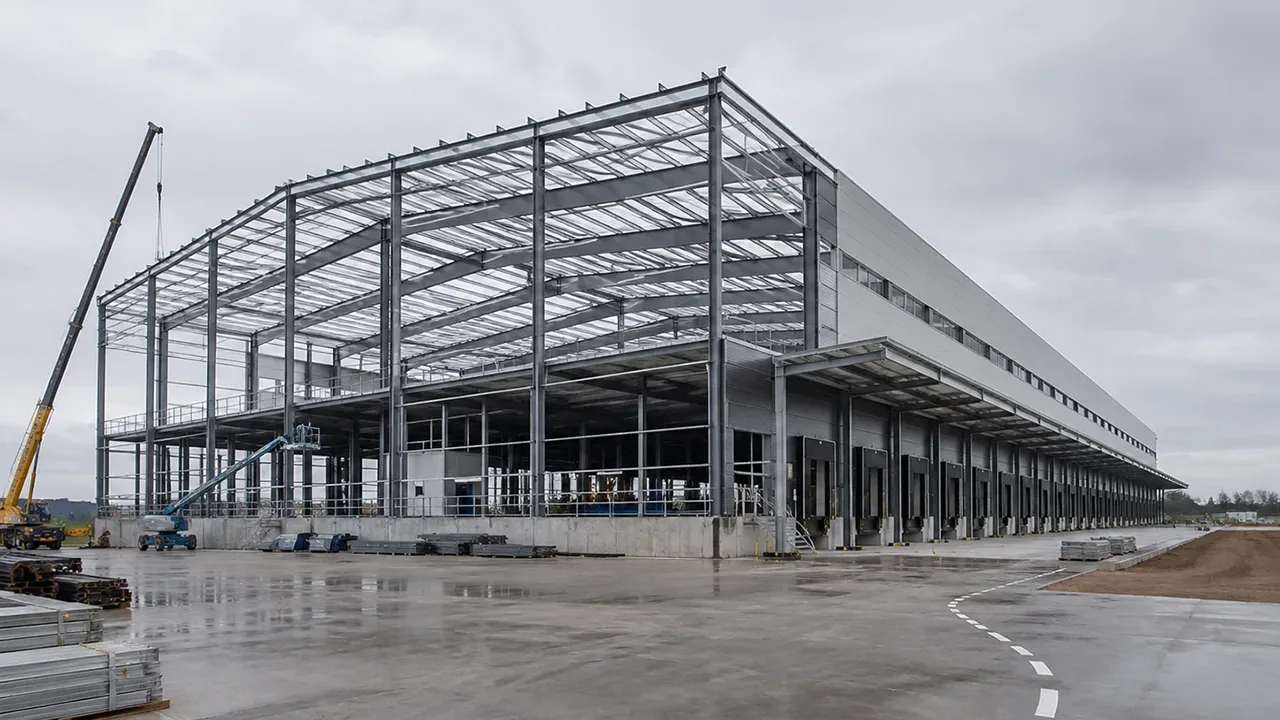
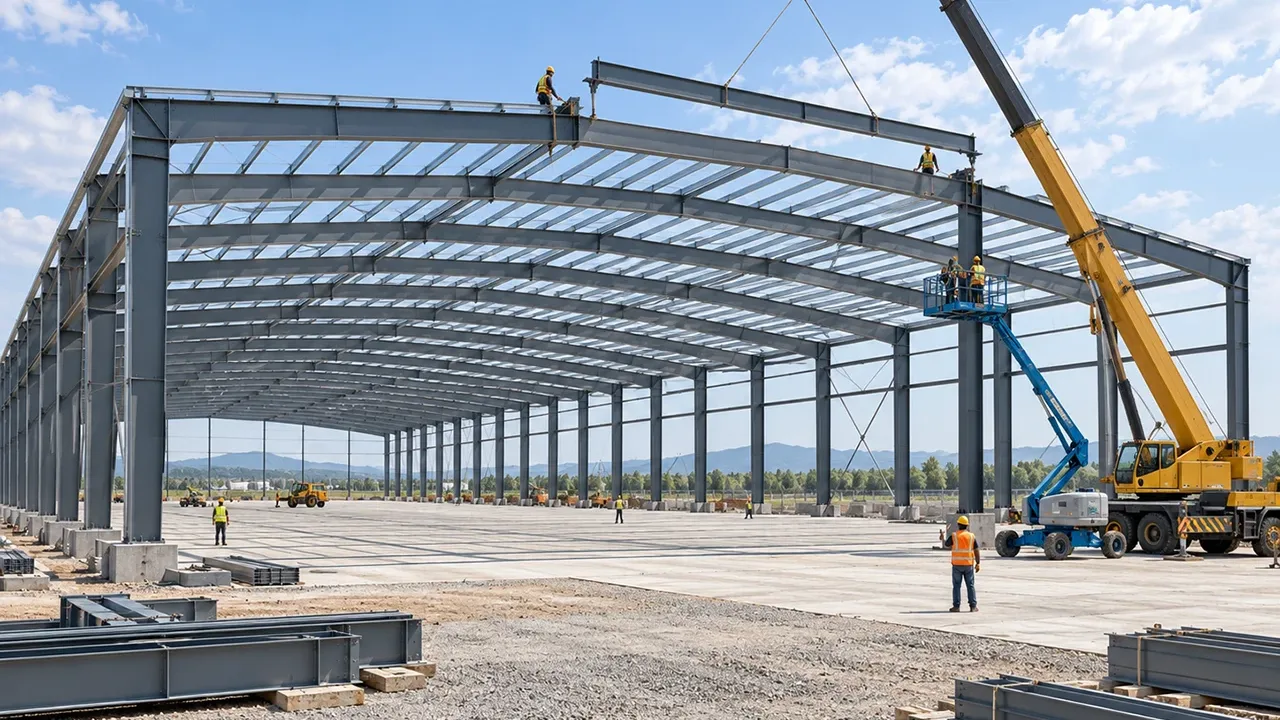
For large-scale steel structures such as bridges, industrial buildings, and long-span trusses, heavy-duty structural jigs are required. These systems are engineered to support significant loads while maintaining precise alignment under stress.
Heavy-duty jigs are typically fabricated from high-strength steel and are designed to resist deformation during assembly. Their rigidity is essential for maintaining geometry when working with large or heavy components.
In these applications, steel fabrication assembly jigs are not just positioning tools—they are structural systems that directly influence fabrication accuracy and safety.
Custom-Built Project-Specific Jigs
In complex or unique projects, standard jig systems may not be sufficient. Custom-built jigs are designed specifically for a particular structure, taking into account its geometry, load requirements, and fabrication sequence.
These jigs are often used in one-off projects where precision is critical and repetition is limited. Although they require higher initial investment, they provide unmatched accuracy and control.
Custom jigs also enable fabrication teams to handle unconventional designs, ensuring that even the most complex structures can be assembled with confidence.
Key Functions of Steel Fabrication Assembly Jigs
Ensuring Positioning Accuracy
One of the most important functions of steel fabrication assembly jigs is ensuring precise positioning of components. Accurate positioning directly affects load distribution, structural integrity, and overall performance.
Even small deviations can result in misaligned load paths, leading to stress concentrations and potential failure points. By maintaining strict control over positioning, jigs help ensure that the fabricated structure performs as intended.
Maintaining Alignment During Welding
Welding introduces thermal stresses that can cause components to move or deform. Assembly jigs counteract these forces by holding components in place throughout the welding process.
This is especially important in large assemblies, where even minor distortions can accumulate and create significant alignment issues. A well-designed jig system minimizes these risks and ensures consistent results.
Reducing Human Error
Human error is one of the most common sources of inconsistency in steel fabrication. Manual alignment, measurement mistakes, and improper setup can all lead to deviations that affect the final structure. By using steel fabrication assembly jigs, these risks are significantly reduced.
Jigs provide predefined positioning references, allowing operators to follow a controlled process rather than relying solely on judgment. This standardization ensures that every assembly meets the same dimensional requirements, regardless of operator variability.
Improving Productivity and Speed
In addition to improving accuracy, assembly jigs play a major role in increasing production efficiency. By reducing the time required for setup and alignment, they allow fabrication teams to move quickly from one stage to the next.
Faster setup times translate directly into shorter project timelines. More importantly, reduced rework means that resources can be allocated more effectively, improving overall cost efficiency.
Materials and Design Considerations for Assembly Jigs
Material Selection
The materials used in assembly jigs must balance strength, durability, and practicality. Steel is the most common choice due to its high strength and resistance to deformation. However, in some cases, aluminum or hybrid materials may be used to reduce weight and improve handling.
The choice of material depends on factors such as load requirements, frequency of use, and environmental conditions. For heavy-duty applications, structural steel remains the preferred option.
Structural Rigidity vs Adjustability
One of the key design challenges in steel fabrication assembly jigs is balancing rigidity and flexibility. Highly rigid jigs provide excellent accuracy but may lack adaptability, while adjustable jigs offer flexibility at the cost of stability.
Fabrication teams must carefully evaluate project requirements to determine the appropriate balance. In many cases, hybrid designs are used to combine fixed reference points with adjustable elements.
Load Distribution and Stability
Assembly jigs must be capable of supporting the weight of steel components without experiencing deformation. Uneven load distribution can lead to inaccurate positioning and compromise the entire assembly process.
Proper design ensures that loads are distributed evenly across the jig structure, maintaining stability throughout the fabrication stage.
Common Challenges When Using Assembly Jigs
Misalignment Due to Poor Jig Design
If a jig is not designed according to precise engineering requirements, it can introduce errors rather than eliminate them. Tolerance stacking, incorrect reference points, and poor geometry can all lead to misalignment issues.
Jig Deformation Under Load
Inadequate material selection or structural design can cause the jig itself to deform under load. This is particularly problematic in large-scale fabrication, where even minor deformation can result in significant deviations.
Improper Setup and Calibration
Even the most advanced jig systems require proper setup and calibration. Failure to verify alignment and measurements before assembly can lead to errors that propagate throughout the project.
Limited Flexibility in Complex Projects
Standardized jigs may not always accommodate complex or unconventional designs. In such cases, custom solutions are required to maintain accuracy and efficiency.
Real Project Insight: Precision Fabrication with Assembly Jigs
In real-world fabrication projects, the importance of steel fabrication assembly jigs becomes even more evident. Large-scale industrial and infrastructure systems often involve multiple interconnected components that must be assembled with strict dimensional accuracy.
For example, in complex projects such as high-voltage transmission structures or industrial steel frameworks, components are fabricated in segments and later assembled on-site. Any deviation introduced during fabrication can result in alignment issues during installation.
By implementing structured jig systems, fabrication teams ensure that each segment maintains consistent geometry. This not only improves fabrication quality but also simplifies on-site assembly, reducing installation time and risk.
These principles are consistently applied by experienced contractors such as structure steel fabrication providers, where standardized processes and engineering-driven systems ensure reliable project delivery.
Best Practices for Using Steel Fabrication Assembly Jigs
Standardized Setup Procedures
Establishing clear procedures for jig setup ensures consistency across all fabrication stages. Standardization reduces variability and improves repeatability, especially in high-volume production environments.
Regular Inspection and Calibration
Routine inspection and calibration are essential for maintaining jig accuracy. Measurement tools should be used to verify alignment and positioning before each assembly cycle.
Integration with Welding Sequence Planning
Assembly jigs should not be treated as standalone tools. Instead, they must be integrated into the overall welding strategy to ensure that alignment is maintained throughout the process.
Use of Measurement Tools and Digital Alignment
Advanced measurement technologies, such as laser alignment systems and digital verification tools, can significantly improve positioning accuracy. These technologies complement traditional jig systems and enhance overall precision.
Comparison of Jig Types and Applications
| Jig Type | Application | Flexibility | Accuracy | Cost |
|---|---|---|---|---|
| Basic Mechanical Jig | Small components | High | Medium | Low |
| Modular Assembly Jig | Repetitive production | High | High | Medium |
| Heavy-Duty Structural Jig | Large structures | Low | Very High | High |
| Custom-Built Jig | Unique projects | Medium | Very High | Very High |
Integration with Steel Fabrication Systems
Link to Fabrication Efficiency
The use of steel fabrication assembly jigs directly influences overall fabrication efficiency by stabilizing one of the most variable stages in the production process: component alignment. Without a controlled positioning system, fabrication teams often rely on manual adjustments, which introduce inconsistencies and increase cycle time.
Assembly jigs create a repeatable setup environment where components can be placed quickly and accurately with minimal adjustment. This reduces dependency on re-measurement and manual correction, allowing fabrication to move forward in a continuous flow. In high-throughput workshops, even small reductions in setup time per unit can translate into significant productivity gains at scale.
More importantly, precise positioning minimizes the need for rework. When components are aligned correctly from the start, welding defects related to poor fit-up—such as incomplete fusion or distortion—are significantly reduced. This not only improves output quality but also lowers labor and material waste.
In a broader operational context, steel fabrication assembly jigs function as process stabilizers. They standardize assembly conditions, making production more predictable and easier to manage across multiple workstations or production lines.
Coordination with Fabrication Teams
The effectiveness of assembly jigs depends not only on their design but also on how well they are integrated into the workflow of fabrication teams. Engineers, welders, and quality control personnel must operate within a coordinated system where each role contributes to maintaining alignment and accuracy.
Engineers are responsible for defining jig requirements based on design tolerances and structural behavior. Welders rely on the jig to maintain stability during thermal processes, while quality control teams verify that positioning meets specified tolerances before welding begins.
Without proper coordination, even well-designed jigs can be misused. For example, incorrect setup or lack of communication regarding tolerance limits can lead to deviations that are only discovered at later stages. This is why clear procedural guidelines and cross-functional communication are essential.
In advanced fabrication environments, this coordination is often supported by standardized documentation and digital tracking systems. These systems ensure that every stage—from jig setup to final inspection—is aligned with project requirements, reducing the risk of misinterpretation and error.
Impact on Project Timeline
Project timelines in steel fabrication are highly sensitive to inefficiencies in early-stage processes. Assembly is one of the most critical phases because errors introduced at this stage propagate through welding, finishing, and installation.
By using steel fabrication assembly jigs, fabrication teams can significantly reduce delays caused by misalignment and rework. Properly aligned components require less correction during welding, resulting in smoother workflow progression and fewer interruptions.
This time-saving effect becomes even more pronounced in large-scale industrial projects, where multiple components must be fabricated and assembled in parallel. Delays in one section can impact downstream activities, including transportation and on-site erection.
Additionally, accurate fabrication reduces complications during installation. When components arrive on-site with consistent geometry, assembly becomes faster and more predictable. This minimizes the need for on-site adjustments, which are typically more time-consuming and costly than corrections made in the fabrication shop.
Ultimately, the integration of assembly jigs into the fabrication system contributes to schedule reliability. It allows project managers to plan with greater confidence, knowing that one of the most critical sources of variability—component alignment—has been effectively controlled.
Choosing the Right Steel Fabrication Partner
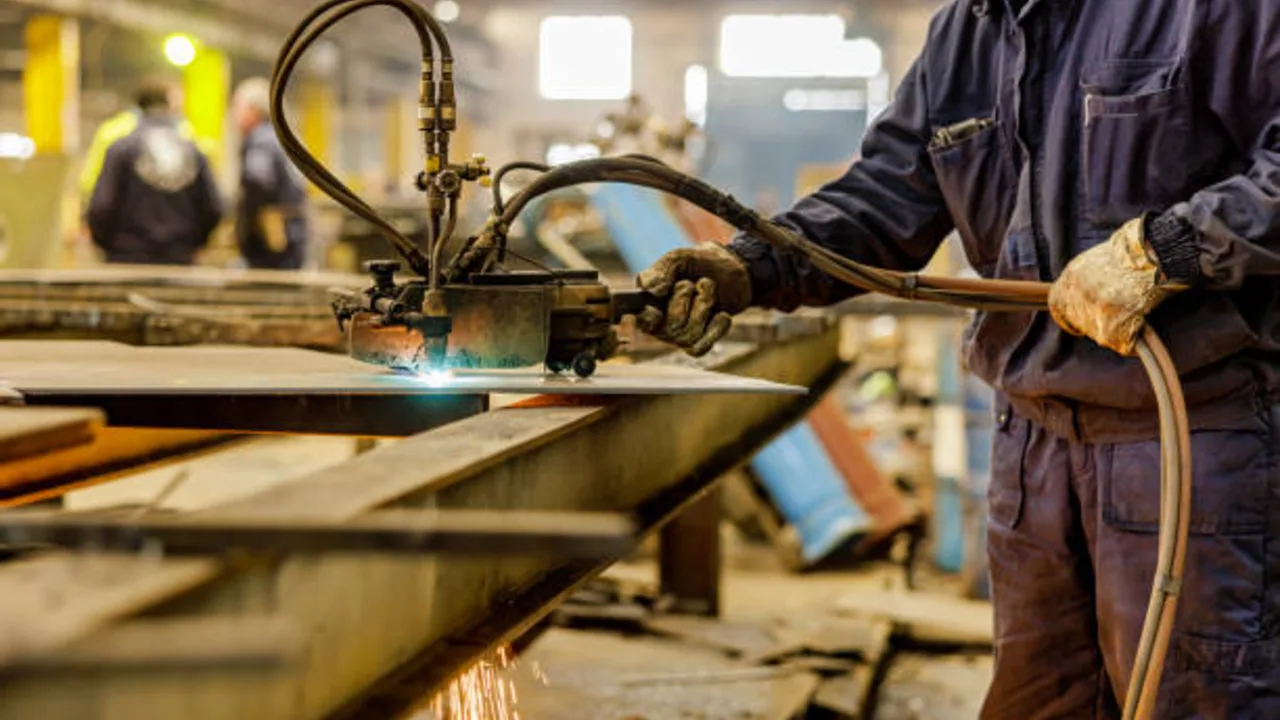
The success of any fabrication project depends on the expertise and systems of the contractor. Working with an experienced provider ensures that assembly jigs are properly designed, implemented, and integrated into the fabrication process.
Reliable partners offer engineering-driven solutions, advanced tools, and skilled teams capable of handling complex fabrication challenges. Their ability to manage steel fabrication assembly jigs effectively is a key indicator of overall project reliability.
Conclusion: Assembly Jigs as the Backbone of Fabrication Accuracy
Temporary assembly jigs are not just supporting tools—they are the backbone of precision in steel fabrication. From ensuring positioning accuracy to improving productivity and reducing errors, they play a vital role in every stage of the fabrication process.
As projects become more complex and demanding, the importance of well-designed jig systems will continue to grow. Fabrication teams that invest in proper jig design, implementation, and management will be better positioned to deliver high-quality, reliable structures.
In the long run, the effective use of steel fabrication assembly jigs leads to improved efficiency, reduced costs, and greater confidence in structural performance.