In modern construction and industrial projects, steel components must meet strict quality and performance standards. However, even with advanced equipment and skilled labor, steel fabrication defects can still occur. These defects not only increase costs and delays but can also compromise structural safety if left unaddressed.
Understanding the most common fabrication defects—and how to prevent them—is essential for engineers, contractors, and project owners involved in the steel structure fabrication process. This article explores typical defects, their root causes, and proven prevention strategies.
What Are Steel Fabrication Defects?
Steel fabrication defects refer to flaws, deviations, or inconsistencies that occur during the cutting, welding, forming, drilling, machining, or assembly of steel components. These defects can affect not only the appearance of fabricated steel, but more importantly its structural integrity, load-bearing capacity, and long-term durability.
Some defects are immediately visible on the surface—such as weld cracks, distortion, or poor finishing—while others remain hidden internally, only detectable through inspection methods like ultrasonic testing or radiography. The severity of steel fabrication defects can range from minor cosmetic imperfections to critical structural failures that compromise safety and code compliance.
In large-scale construction and industrial projects, even small fabrication defects can accumulate across multiple components, leading to installation issues, misalignment on site, increased rework costs, and potential safety risks throughout the structure’s service life.
Common Origins of Steel Fabrication Defects
Most fabrication defects are not random; they usually stem from identifiable process weaknesses. The most common sources include:
- Improper welding techniques
Incorrect heat input, poor joint preparation, or unqualified welding procedures often result in defects such as welding cracks, lack of fusion, or slag inclusions. - Incorrect measurements or tolerances
Errors in cutting, drilling, or machining can cause dimensional inaccuracies and misalignment, making on-site assembly difficult and stressing connections. - Poor material handling or storage
Improper stacking, lifting, or exposure to moisture can lead to deformation, surface damage, or early corrosion before fabrication even begins. - Inadequate quality control procedures
Missing inspection checkpoints, insufficient documentation, or lack of non-destructive testing allows defects to pass unnoticed into later project stages.
Typical Steel Fabrication Defects and Their Root Causes
| Defect Type | Description | Primary Cause | Potential Impact |
|---|---|---|---|
| Welding cracks | Fractures in or near weld zones | Improper heat control, hydrogen embrittlement | Reduced structural strength, fatigue failure |
| Misalignment | Components do not fit or align correctly | Measurement errors, inaccurate jigs | Installation delays, uneven load transfer |
| Dimensional inaccuracies | Parts outside tolerance limits | Manual measurement errors, uncalibrated equipment | Rework, on-site modification |
| Surface defects | Rough edges, slag, spatter, poor coating | Poor finishing process, rushed fabrication | Accelerated corrosion, aesthetic issues |
| Material deformation | Warping or bending of members | Excessive heat, improper handling | Fit-up problems, structural stress |
Why Understanding Fabrication Defects Is Critical
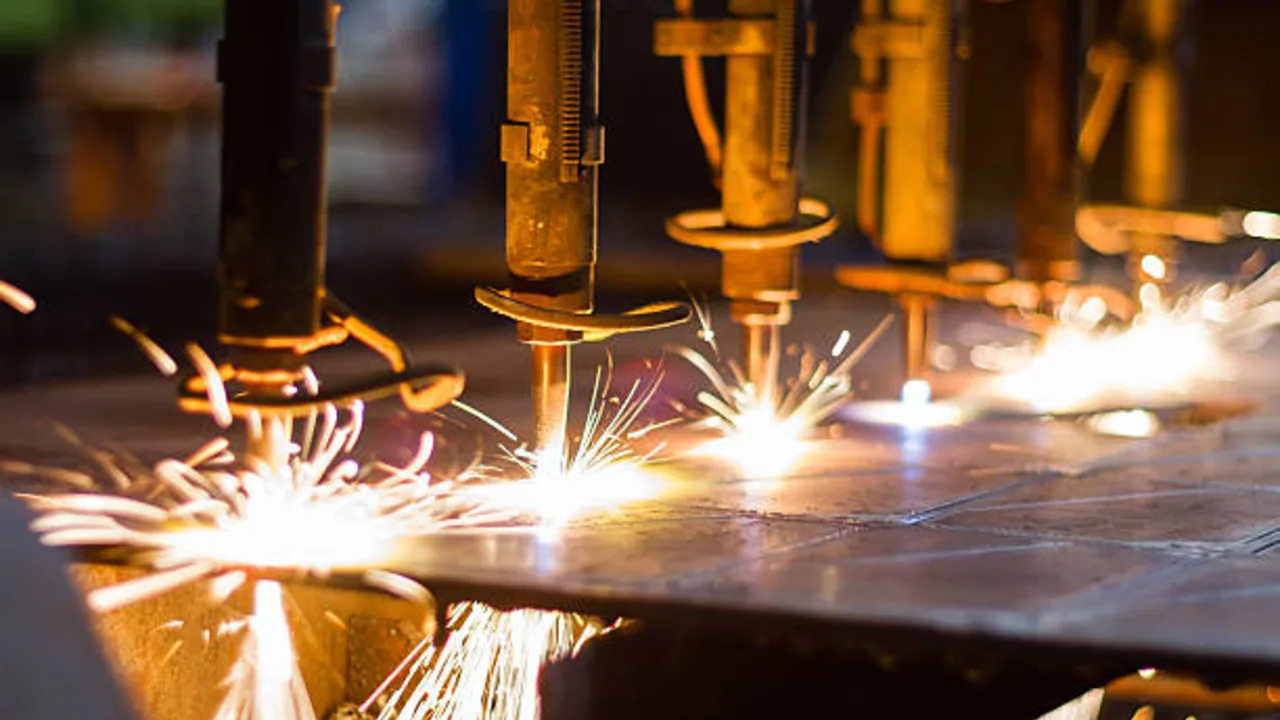
Recognizing and addressing steel fabrication defects early is essential for maintaining project quality and safety. Left unchecked, these defects can lead to:
- Increased fabrication and installation costs due to rework
- Delays in project schedules
- Reduced structural performance and service life
- Non-compliance with engineering standards and building codes
By clearly understanding what steel fabrication defects are, where they originate, and how they manifest, project stakeholders can implement more effective inspection, prevention, and quality assurance strategies throughout the fabrication process.
Common Types of Steel Fabrication Defects
1. Welding Cracks
Welding cracks are among the most dangerous steel fabrication defects because they can significantly weaken load-bearing capacity. These cracks may occur during welding or after cooling due to residual stress.
Typical causes include:
- Improper welding parameters (heat input, speed)
- Use of incompatible filler materials
- Rapid cooling or uneven heat distribution
- High hydrogen content in weld zones
2. Misalignment of Steel Components
Misalignment occurs when fabricated steel members do not match design specifications or fail to align correctly during assembly. This defect often leads to installation difficulties and uneven load distribution.
Common reasons for misalignment include:
- Incorrect cutting or drilling dimensions
- Inaccurate shop drawings
- Poor jig or fixture control
- Lack of dimensional verification before shipment
3. Dimensional Inaccuracies
Steel components that fall outside allowable tolerances can create serious problems during erection. Even small deviations may accumulate, resulting in structural stress or costly rework.
Dimensional defects usually stem from:
- Manual measurement errors
- Uncalibrated machinery
- Inconsistent fabrication workflows
4. Surface Defects and Poor Finishing
Surface defects include slag inclusions, excessive spatter, rough edges, or uneven coatings. While some surface defects are cosmetic, others may accelerate corrosion or reduce fatigue resistance.
5. Material Deformation
Deformation occurs when steel members bend, warp, or twist beyond acceptable limits. This defect often results from improper handling, excessive heat, or inadequate support during fabrication.
Root Causes Behind Fabrication Defects
Most steel fabrication defects can be traced back to a few core issues:
- Human error: Insufficient training or lack of process discipline
- Equipment limitations: Outdated or poorly maintained machinery
- Process gaps: Missing inspection checkpoints or unclear procedures
- Design miscommunication: Incomplete or incorrect drawings
How to Prevent Steel Fabrication Defects
Implement Strict Quality Control Systems
Quality control should be embedded at every stage of fabrication—from raw material inspection to final assembly. Regular checks help identify issues early before they escalate.
Use Qualified Welding Procedures
Certified welding procedures and qualified welders significantly reduce the risk of welding cracks. Preheating, controlled cooling, and proper filler selection are essential preventive measures.
Improve Measurement and Alignment Accuracy
Digital measuring tools, CNC cutting systems, and precision jigs can greatly reduce misalignment and dimensional errors. Verifying dimensions before shipment minimizes on-site installation problems.
Enhance Training and Standardization
Consistent training programs ensure workers follow standardized procedures. Clear documentation and repeatable workflows help reduce variability and mistakes.
Conduct Non-Destructive Testing (NDT)
Techniques such as ultrasonic testing, magnetic particle inspection, and radiographic testing help detect internal defects without damaging the steel components.
Why Preventing Fabrication Defects Matters
Unaddressed fabrication defects can lead to:
- Structural safety risks
- Project delays and rework costs
- Reduced service life of steel structures
- Compliance issues with building codes and standards
By proactively preventing defects, companies involved in the steel structure fabrication process can improve reliability, reduce waste, and enhance overall project performance.
Industry Best Practices and References
Across the global steel construction and manufacturing industry, experts consistently emphasize that early defect detection and continuous improvement in fabrication workflows are the most effective ways to control and reduce steel fabrication defects. Rather than relying solely on final inspections, leading fabricators integrate quality control at every stage of production.
According to recent industry analyses, most recurring steel fabrication defects—including welding cracks, misalignment, and dimensional inaccuracies—can be significantly minimized through structured inspection programs, standardized procedures, and>Early Detection Through Stage-Based Inspection
Best-in-class fabrication facilities adopt a stage-based inspection approach, where quality checks are performed at critical points throughout the fabrication process, rather than only at completion.
| Fabrication Stage | Inspection Focus | Purpose |
|---|---|---|
| Raw material intake | Material grade, surface condition | Prevent defects caused by unsuitable or damaged steel |
| Cutting & machining | Dimensions, edge quality | Control tolerance accuracy and fit-up |
| Welding | Weld profile, penetration, heat input | Reduce welding cracks and lack of fusion |
| Assembly | Alignment, bolt fit, geometry | Ensure correct load transfer and ease of erection |
| Final inspection | Visual + NDT verification | Detect hidden or cumulative defects |
This layered inspection strategy allows defects to be identified and corrected before they propagate into more complex or costly issues downstream.
Process Control and Standardization
Industry leaders stress that consistent results come from repeatable, standardized processes. Clear welding procedure specifications (WPS), controlled fabrication sequences, and calibrated equipment help reduce variability that often leads to defects.
Key process control measures include:
- Use of qualified welding procedures and certified welders
- Standardized fabrication checklists for each production stage
- Routine calibration of cutting, welding, and measuring equipment
- Clear documentation of tolerances and acceptance criteria
By standardizing workflows, fabrication teams reduce dependency on individual judgment and minimize human error.
Integration of Non-Destructive Testing (NDT)
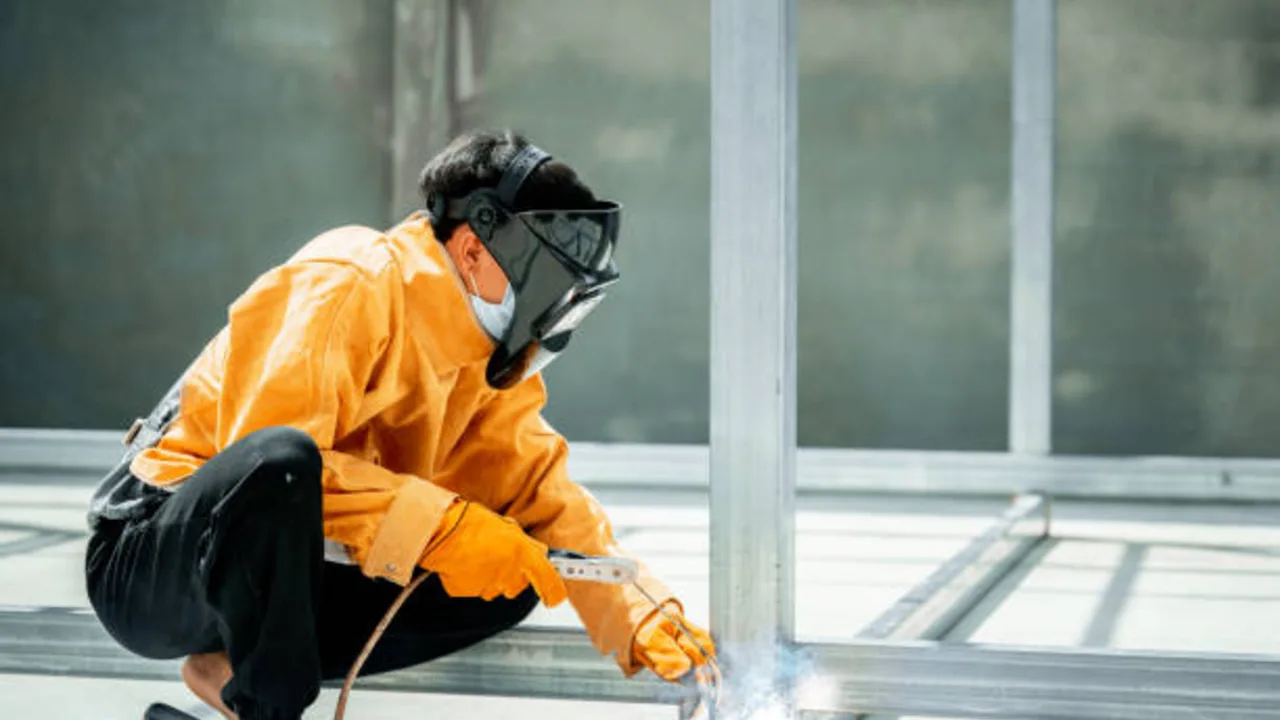
Non-destructive testing plays a critical role in detecting defects that are not visible on the surface. Industry best practice is to apply NDT selectively based on risk level and structural importance, rather than randomly or excessively.
| NDT Method | Common Use | Defects Detected |
|---|---|---|
| Ultrasonic testing (UT) | Thick sections, critical welds | Internal cracks, lack of fusion |
| Magnetic particle testing (MT) | Surface and near-surface welds | Surface cracks, porosity |
| Radiographic testing (RT) | High-risk joints | Internal weld defects |
| Visual inspection (VT) | All stages | Surface defects, misalignment |
Targeted use of NDT improves detection efficiency while keeping inspection costs under control.
Continuous Improvement Through Feedback Loops
Modern fabrication facilities increasingly rely on feedback loops to improve quality over time. Defect data is tracked, analyzed, and fed back into design, fabrication, and training processes.
Common continuous-improvement practices include:
- Recording defect types and frequencies per project
- Identifying recurring root causes
- Updating procedures and training based on defect trends
- Reviewing fabrication outcomes during post-project evaluations
This>Industry References and Practical Guidance
Independent industry resources reinforce these best practices by highlighting the importance of inspection discipline and process control in defect reduction. One recent industry reference outlines how early identification of steel fabrication defects—combined with proper inspection planning—can significantly reduce rework and improve overall fabrication quality.
Why These Practices Matter
Applying industry best practices in steel fabrication leads to measurable benefits:
- Lower defect rates and reduced rework
- Improved project schedules and cost predictability
- Higher compliance with structural and safety standards
- Increased confidence in long-term structural performance
By combining early defect detection, standardized processes, targeted inspection, and continuous improvement, fabricators can effectively minimize steel fabrication defects and deliver safer, more reliable steel structures.
Conclusion
Steel fabrication defects such as welding cracks, misalignment, and dimensional inaccuracies are common—but they are also preventable. With the right combination of skilled labor, advanced equipment, and disciplined quality control, fabrication defects can be minimized or eliminated altogether.
For project owners and contractors, investing in defect prevention is not just about quality—it is about safety, efficiency, and long-term structural performance.