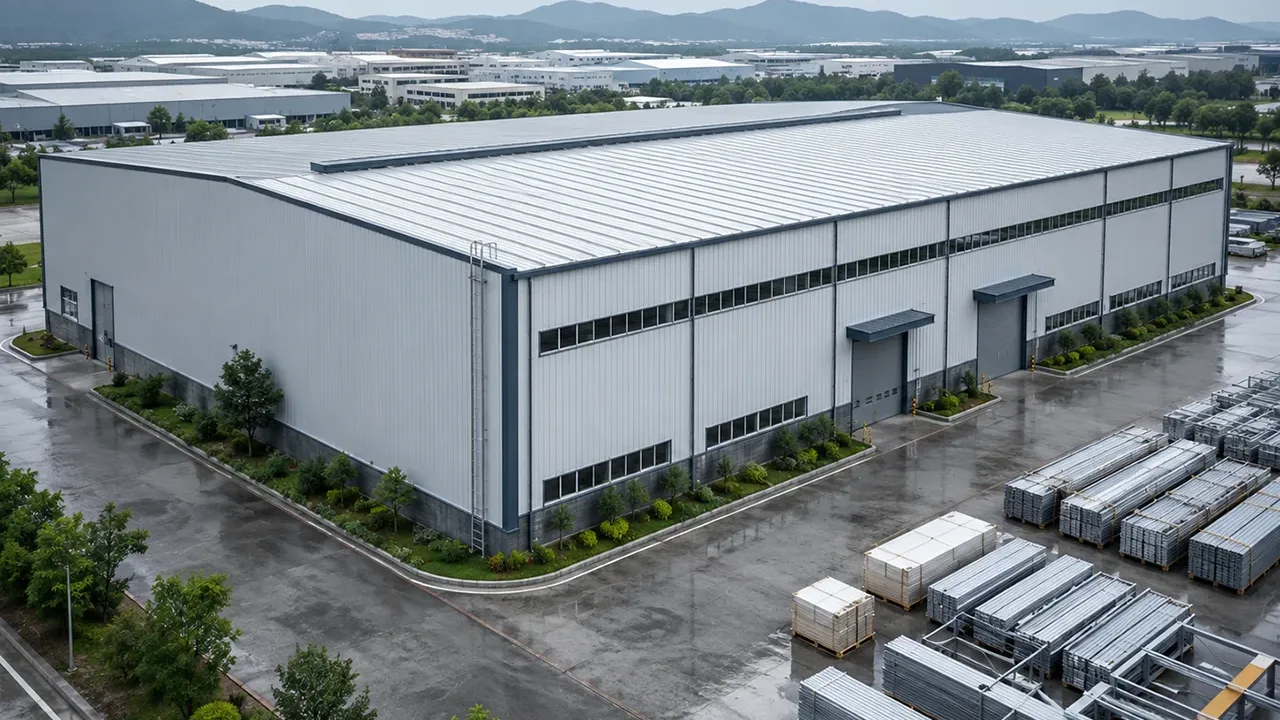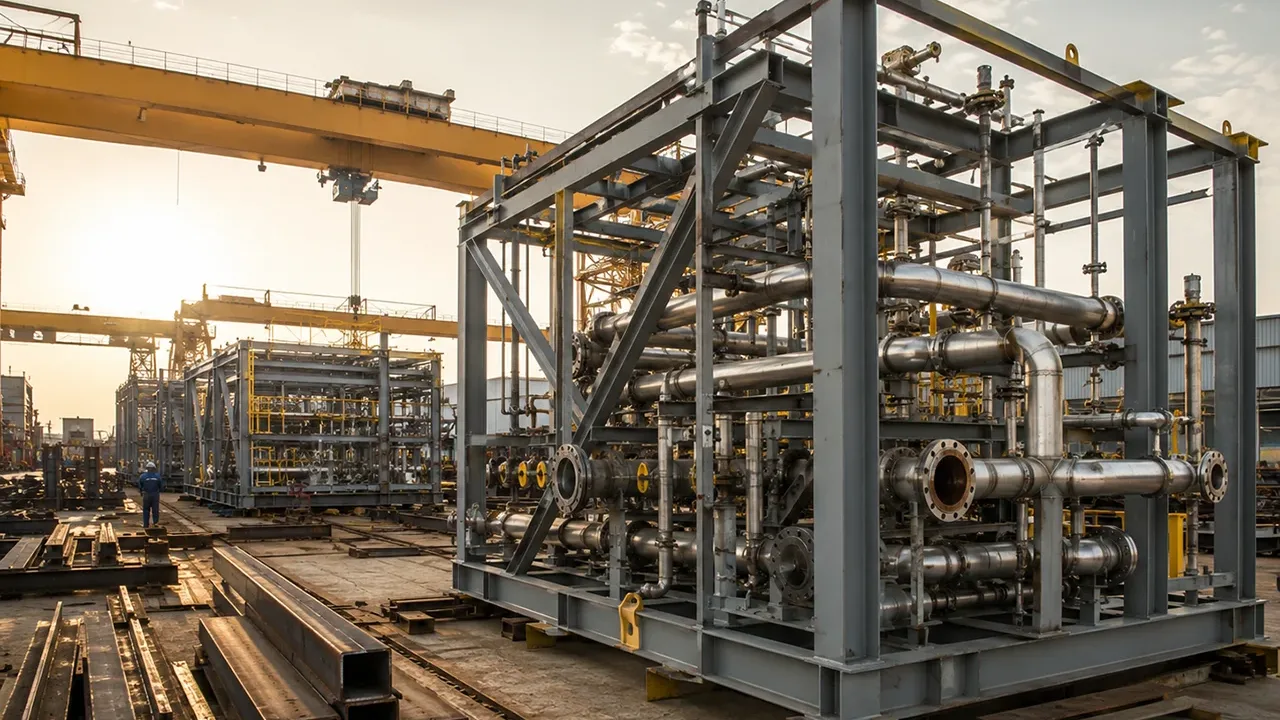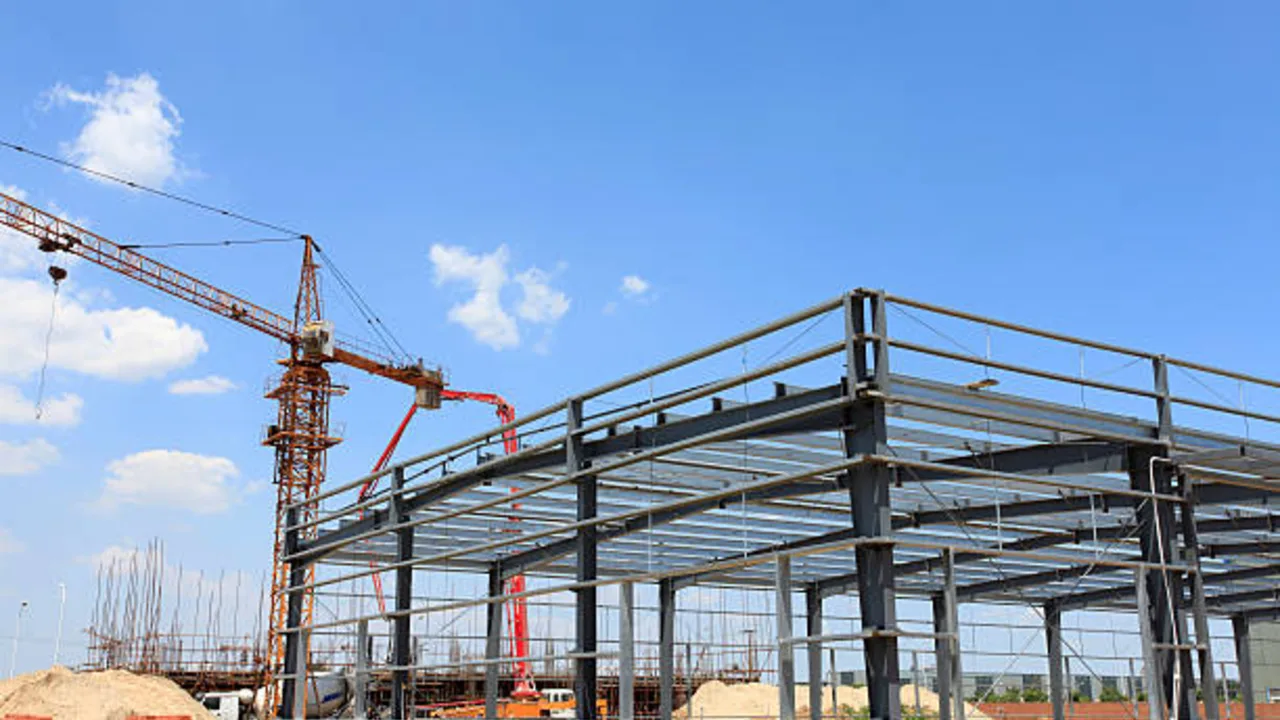
In modern industrial projects, the success of complex steel structures depends heavily on how well the fabrication process is planned and executed. One of the most critical yet often underestimated factors is steel fabrication sequencing. Rather than being a simple step-by-step workflow, sequencing determines the order, dependency, and coordination of every fabrication activity. When dealing with complex assemblies, even a small mistake in sequencing can cascade into alignment issues, welding defects, and costly rework.
As steel structures become larger and more intricate—such as industrial plants, infrastructure systems, and high-load frameworks—the need for structured sequencing becomes even more important. Effective steel fabrication sequencing ensures that each component is fabricated, assembled, and welded in the correct order, minimizing errors and improving overall efficiency.
Understanding Steel Fabrication Sequencing
What is Steel Fabrication Sequencing?
Steel fabrication sequencing refers to the planned order in which fabrication activities are carried out, from raw material preparation to final assembly. It defines how individual components are processed, when they are assembled, and how they interact with other parts throughout the fabrication cycle.
Unlike a generic workflow, sequencing focuses on dependencies. Certain components cannot be fabricated or assembled until others are completed. This becomes especially important in complex structures where multiple elements must align precisely during final assembly.
For example, in a large steel frame system, primary load-bearing members must be fabricated and verified before secondary elements are added. Without proper sequencing, misalignment can occur, leading to structural inefficiencies and potential safety risks.
Why Sequencing is Critical in Complex Steel Assemblies
In complex assemblies, fabrication is not linear—it is interconnected. Every stage influences the next. Proper steel fabrication sequencing ensures that this interconnection is controlled rather than chaotic.
- Accuracy: Ensures components fit together without excessive adjustment
- Efficiency: Reduces idle time and unnecessary handling
- Structural integrity: Maintains correct load paths and geometry
Poor sequencing often results in:
- Repeated fit-up corrections
- Welding distortion due to improper order
- Increased labor and material costs
In essence, sequencing is the backbone that connects design intent with fabrication reality.
Core Principles of Steel Fabrication Sequencing
Logical Order of Operations
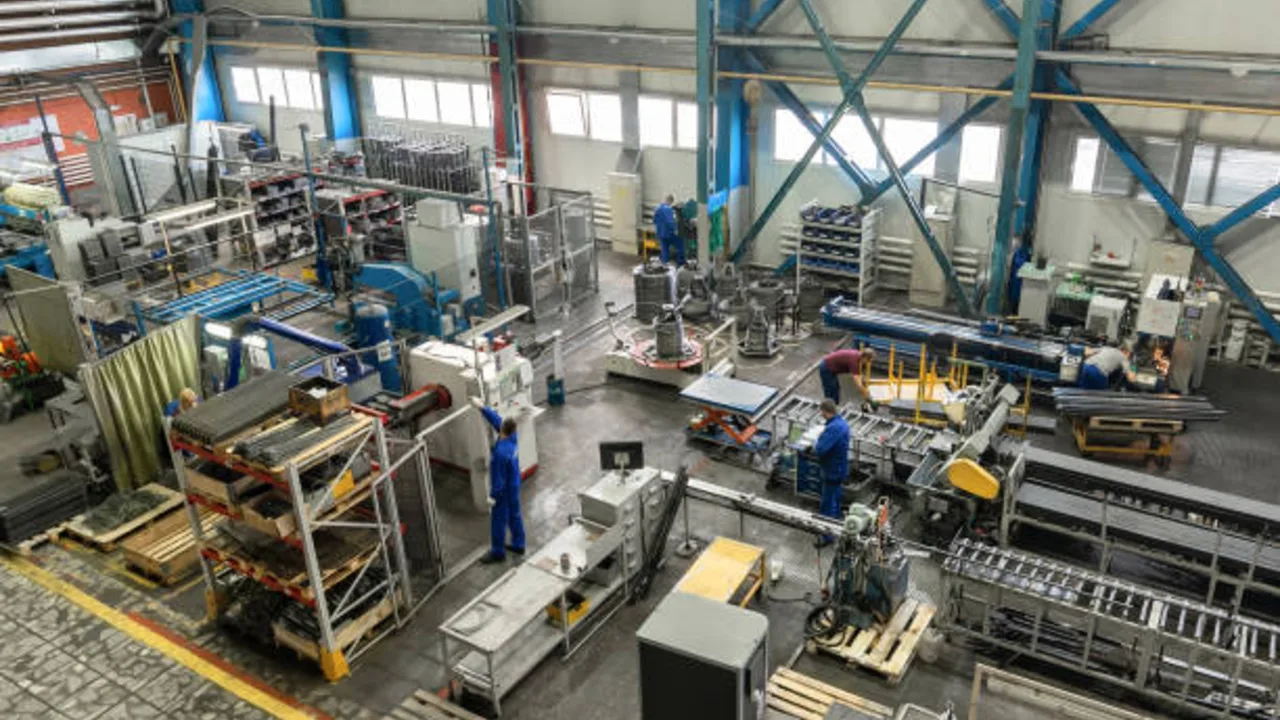
A well-defined fabrication sequence follows a logical progression of operations. While specific workflows vary by project, most complex steel assemblies follow a structured order:
- Material cutting and marking
- Drilling and machining
- Edge preparation
- Sub-assembly formation
- Final welding and inspection
Each step builds upon the previous one. Skipping or rearranging steps without proper planning can disrupt the entire fabrication process. For instance, performing welding before verifying alignment can lock in errors that are difficult to correct later.
Dependency Mapping Between Components
In large-scale fabrication, components are rarely independent. Instead, they exist within a network of dependencies. Effective steel fabrication sequencing requires a clear understanding of these relationships.
Key considerations include:
- Which components serve as primary structural elements
- Which parts rely on others for positioning and support
- How dimensional tolerances accumulate across assemblies
By mapping these dependencies early, fabrication teams can avoid conflicts during assembly and ensure smoother workflow transitions.
Minimizing Rework Through Proper Sequencing
One of the biggest advantages of proper sequencing is the reduction of rework. In complex assemblies, errors rarely stay isolated. A small misalignment in one component can propagate through the entire structure.
Common causes of rework include:
- Incorrect sequencing of welding operations
- Premature assembly of incomplete components
- Poor coordination between fabrication stages
With optimized steel fabrication sequencing, these risks can be significantly reduced. Fabrication teams can detect and correct issues early, before they escalate into major problems.
Role of Sub-Assembly in Fabrication Sequencing
What is Sub-Assembly in Steel Fabrication?
Sub-assembly refers to the process of assembling smaller groups of components before integrating them into the final structure. It is a key strategy in managing complexity within steel fabrication projects.
Instead of assembling everything at once, fabrication teams divide the structure into manageable sections. Each sub-assembly is fabricated, aligned, and inspected independently before being integrated into the main assembly.
Benefits of Sub-Assembly Strategy
Incorporating sub-assembly into steel fabrication sequencing offers several advantages:
- Improved quality control: Easier inspection at smaller scales
- Reduced complexity: Simplifies large assemblies into manageable units
- Faster installation: Pre-assembled sections speed up on-site work
This approach is particularly useful in projects involving repetitive structural elements or modular designs.
Sub-Assembly vs Full Assembly Approach
While sub-assembly provides flexibility, some projects may still require full assembly in a single stage. The choice depends on project scale, logistics, and design complexity.
Sub-assembly is typically preferred when:
- Components are large and difficult to handle
- Precision alignment is required
- Transportation constraints exist
On the other hand, full assembly may be suitable for smaller or less complex structures where sequencing dependencies are minimal.
Typical Sequencing Workflow for Complex Steel Assemblies
Material Preparation Stage
The sequencing process begins with material preparation. This includes inspection of raw materials, marking, and cutting according to design specifications.
Accuracy at this stage is critical. Any deviation in dimensions can affect all subsequent steps in the steel fabrication sequencing process.
Component Fabrication Stage
Once materials are prepared, components undergo machining processes such as drilling, milling, and edge preparation. These operations must be carefully sequenced to ensure compatibility with later assembly stages.
Proper identification and tagging of components are also essential to maintain traceability and avoid confusion during assembly.
Sub-Assembly Stage
The sub-assembly stage is where individual components are grouped into manageable units before final integration. This step plays a central role in steel fabrication sequencing, especially when dealing with complex geometries and large structures.
During this stage, initial fit-up and alignment are performed. Temporary fixing through tack welding ensures that components remain stable while adjustments are made. By sequencing sub-assembly correctly, fabrication teams can isolate potential issues and resolve them before they impact the entire structure.
Final Assembly and Welding
Final assembly brings all sub-assemblies together into the complete structure. At this stage, steel fabrication sequencing becomes even more critical, as multiple dependencies converge simultaneously.
Welding must follow a carefully planned sequence to control heat distribution and minimize distortion. Improper sequencing during welding can introduce internal stresses, leading to misalignment and structural inefficiencies.
- Prioritize load-bearing connections first
- Balance welding sequences to reduce distortion
- Continuously verify alignment during assembly
Maintaining discipline in sequencing ensures that the final structure meets both dimensional and performance requirements.
Surface Treatment and Finishing
After assembly and welding, surface treatment is applied to protect the structure from environmental factors. This includes painting, galvanizing, or coating processes.
Even at this stage, steel fabrication sequencing remains relevant. Improper handling or sequencing of finishing operations can damage previously completed work or delay inspection and delivery timelines.
Fabrication Sequencing Table for Complex Assemblies
The following table summarizes a typical steel fabrication sequencing workflow and highlights key dependencies and risks:
| Stage | Key Activities | Dependency | Risk if Skipped |
|---|---|---|---|
| Material Preparation | Inspection, cutting, marking | Design accuracy | Dimensional errors |
| Component Fabrication | Drilling, machining, edge prep | Material readiness | Misfit components |
| Sub-Assembly | Fit-up, tack welding | Component accuracy | Alignment issues |
| Final Assembly | Welding, alignment | Sub-assembly completion | Structural distortion |
| Finishing | Coating, inspection | Assembly completion | Corrosion risk |
Real Project Insight: Sequencing in Large-Scale Steel Fabrication
In real-world projects, the impact of steel fabrication sequencing becomes even more evident. Large-scale industrial and infrastructure projects often involve hundreds or even thousands of interconnected components.
For example, in complex steel structure projects delivered by XTD Steel Structure, sequencing plays a crucial role in ensuring that fabrication aligns with installation requirements. By implementing structured sequencing strategies, fabrication teams can manage dependencies, maintain alignment, and reduce rework across multiple stages.
Projects involving heavy structural systems, long-span assemblies, or high-load frameworks require precise coordination between sub-assembly, welding, and finishing. Without proper sequencing, these projects would face significant delays and quality issues.
Best Practices for Optimizing Steel Fabrication Sequencing
Early Planning and Digital Modeling
Effective steel fabrication sequencing begins long before any material is cut or assembled. Early planning plays a decisive role in determining how smoothly the entire fabrication process will unfold. In modern fabrication environments, this planning phase is increasingly driven by digital tools such as BIM (Building Information Modeling) and advanced 3D modeling platforms.
These technologies allow fabrication teams to simulate the full sequencing process in a virtual environment before actual production begins. Instead of reacting to issues on the shop floor, teams can proactively identify potential conflicts, spatial constraints, and sequencing inefficiencies.
Through digital modeling, teams can:
- Visualize the exact order of assembly and welding operations
- Detect clashes between components before fabrication
- Optimize sub-assembly strategies for better workflow control
- Align fabrication sequencing with erection sequencing on site
This level of foresight significantly reduces uncertainty during execution. By validating steel fabrication sequencing in the planning stage, projects can avoid costly disruptions and maintain a more predictable production flow.
Standardization of Fabrication Processes
Standardization is a key driver of efficiency in complex fabrication environments. When sequencing methods are standardized, teams can rely on repeatable processes that minimize variation and reduce the likelihood of errors.
Inconsistent sequencing often leads to unpredictable outcomes, especially when multiple teams are involved. By establishing clear standards for steel fabrication sequencing, organizations can create a unified approach that ensures consistency across different projects and production lines.
Standardization typically includes:
- Defined sequencing workflows for common structural configurations
- Standard operating procedures for sub-assembly and welding order
- Consistent tolerance and inspection checkpoints
- Documented best practices for handling complex assemblies
The benefit is not only improved quality but also faster onboarding of new team members, as processes are clearly defined and easier to follow. Over time, standardized sequencing becomes a scalable system that supports high-volume and high-complexity fabrication.
Integration Between Design, Fabrication, and Installation
One of the most critical aspects of steel fabrication sequencing is the alignment between different project phases. Sequencing decisions made during fabrication must support both the design intent and the installation strategy. Without this integration, even a technically correct sequence can create challenges during erection.
Design, fabrication, and installation should not operate in isolation. Instead, they must function as a coordinated system where sequencing is planned with the entire lifecycle in mind.
Key integration points include:
- Design to fabrication: Ensuring that component geometry and tolerances are compatible with fabrication sequencing
- Fabrication to installation: Aligning sub-assembly structure with on-site erection order
- Cross-team coordination: Sharing sequencing plans across all stakeholders
For example, a sub-assembly that is efficient to produce in the workshop may be difficult to install on site if sequencing is not aligned with erection constraints. By integrating these phases, teams can avoid such conflicts and improve overall project efficiency.
Ultimately, integrated steel fabrication sequencing transforms isolated tasks into a cohesive process that supports both production and installation objectives.
Continuous Monitoring and Adjustment
Even with thorough planning and standardized processes, fabrication environments remain dynamic. Material variations, equipment limitations, and unforeseen constraints can all impact sequencing during execution. For this reason, continuous monitoring is essential.
Effective steel fabrication sequencing is not static—it must be adaptable. Teams should continuously track progress, verify alignment, and adjust sequencing when necessary to maintain efficiency and quality.
Monitoring practices typically include:
- Regular inspection checkpoints between fabrication stages
- Real-time tracking of assembly progress
- Immediate feedback loops between operators and supervisors
- Data-driven adjustments based on observed deviations
This proactive approach allows teams to correct minor issues before they escalate into major problems. Instead of waiting for defects to appear in later stages, adjustments can be made early, preserving both time and resources.
In complex projects, the ability to adapt sequencing in real time is a significant advantage. It ensures that steel fabrication sequencing remains aligned with actual conditions, not just initial plans.
Choosing the Right Steel Structure Fabrication Company
The success of complex fabrication projects depends heavily on the capabilities of the contractor. Working with a reliable steel structure fabrication company ensures that steel fabrication sequencing is managed systematically and professionally.
Experienced fabrication companies provide:
- Structured sequencing workflows
- Advanced fabrication and alignment tools
- Skilled workforce with sequencing expertise
- Integrated quality control systems
These capabilities significantly reduce risks and improve project outcomes.
Lessons Learned from Complex Steel Assembly Projects
Importance of Sequencing Discipline
Maintaining strict discipline in steel fabrication sequencing is not just a procedural requirement—it is a defining factor in achieving consistent structural quality. In complex steel assemblies, every stage is interconnected, meaning that even minor deviations from the planned sequence can disrupt alignment, introduce welding complications, and compromise overall efficiency.
In real fabrication environments, sequencing discipline often determines whether a project progresses smoothly or becomes reactive. When teams begin skipping steps, reordering processes without validation, or accelerating tasks prematurely, the result is rarely time savings. Instead, it leads to cumulative errors that require correction at later stages, where fixes are more expensive and technically challenging.
Common consequences of poor sequencing discipline include:
- Misalignment during final assembly due to premature joining
- Excessive welding distortion caused by improper heat sequencing
- Repeated fit-up adjustments that slow down production flow
- Inconsistent dimensional accuracy across interconnected components
On the other hand, disciplined steel fabrication sequencing creates predictability. Teams can rely on each completed stage as a verified foundation for the next, reducing uncertainty and improving both speed and quality. In high-complexity projects, this discipline becomes a competitive advantage rather than a constraint.
Communication Across Teams
Effective sequencing is not controlled by a single department. It requires alignment between design engineers, fabrication teams, quality control personnel, and installation crews. Without clear communication, even a well-planned sequence can fail during execution.
One of the most common breakdowns occurs when design intent is not fully translated into fabrication sequencing instructions. Drawings may define geometry, but they do not always capture the optimal order of assembly. This gap must be bridged through active coordination.
Key areas where communication directly impacts steel fabrication sequencing include:
- Design to fabrication: Ensuring that sequencing aligns with structural intent and tolerances
- Fabrication to QC: Verifying checkpoints before progressing to the next stage
- Shop to site: Synchronizing fabrication sequence with erection sequence
When communication is strong, teams can anticipate challenges instead of reacting to them. For example, installation teams can provide feedback that influences how sub-assembly is structured in the fabrication shop, improving efficiency during erection.
Ultimately, clear communication transforms steel fabrication sequencing from a static plan into a coordinated execution strategy.
Technology as a Competitive Advantage
As steel structures become more complex, traditional sequencing methods based solely on experience are no longer sufficient. Companies that adopt digital tools and automation gain a significant advantage in managing steel fabrication sequencing with higher precision and scalability.
Technologies such as BIM (Building Information Modeling), 3D modeling platforms like Tekla, and digital fabrication systems allow teams to simulate sequencing before actual production begins. This enables early identification of conflicts, interdependencies, and inefficiencies.
Key benefits of technology-driven sequencing include:
- Visualization of assembly order in a virtual environment
- Detection of clashes and alignment conflicts before fabrication
- Optimization of sub-assembly strategies for better workflow
- Improved coordination between fabrication and installation phases
In addition, automation in cutting, drilling, and welding processes ensures that sequencing decisions are executed consistently, reducing variability caused by manual operations.
Companies that integrate technology into their sequencing strategy are not just improving efficiency—they are building a system that can handle increasing project complexity without sacrificing quality. In competitive markets, this capability often distinguishes high-performing steel structure fabrication company operations from average providers.
Conclusion: Sequencing as the Backbone of Steel Fabrication
In complex steel assemblies, sequencing is not just a technical detail—it is a strategic factor that determines project success. Proper steel fabrication sequencing improves efficiency, enhances quality, and reduces overall costs.
By applying structured sequencing principles, integrating sub-assembly strategies, and leveraging modern technology, fabrication teams can deliver high-performance steel structures with greater reliability.