In steel fabrication, the durability and performance of any structure depend heavily on what happens before coating or finishing begins. Surface preparation is often underestimated, yet it is one of the most critical steps in ensuring long-term protection against corrosion and environmental damage.
Steel surface prep standards define how steel surfaces should be cleaned, treated, and prepared to achieve optimal coating adhesion. Without proper adherence to these standards, even the highest-quality coating systems can fail prematurely.
In industrial, marine, and infrastructure applications, poor surface preparation can lead to coating breakdown, rust formation, and costly maintenance cycles. This is why following steel surface prep standards is not optional—it is essential for structural reliability and lifecycle performance.
This article explores key standards, including SA2.5, common preparation methods, inspection techniques, and best practices that ensure consistent surface quality in modern fabrication projects.
Understanding Surface Preparation in Steel Fabrication
What is Surface Preparation?
Surface preparation refers to the process of removing contaminants from steel surfaces before coating, painting, or welding. These contaminants include rust, mill scale, oil, grease, and other foreign materials that can interfere with coating adhesion.
Applying proper steel surface prep standards ensures that the substrate is clean and properly profiled, allowing coatings to bond effectively. Without this step, coatings may peel, blister, or fail prematurely.
Surface preparation is not just cleaning—it is a controlled process that directly influences coating performance and structural durability.
Key Objectives of Surface Preparation
The primary goal of following steel surface prep standards is to create a surface that maximizes coating adhesion and long-term protection. This involves several objectives:
- Removing corrosion sources such as rust and mill scale
- Eliminating oil, grease, and contaminants
- Creating a suitable surface profile for coating bonding
- Ensuring uniform surface condition across all components
Each objective contributes to improved coating performance and reduced maintenance requirements.
Why Surface Preparation is Critical
Many coating failures are not caused by poor coating materials but by inadequate surface preparation. Ignoring steel surface prep standards can result in weak adhesion, leading to early coating breakdown.
Key consequences of poor preparation include:
- Accelerated corrosion
- Reduced coating lifespan
- Increased maintenance costs
- Structural degradation over time
Proper surface preparation ensures that coatings perform as intended and protect steel structures under demanding conditions.
Common Surface Contaminants in Steel Fabrication
Rust and Mill Scale
Rust forms due to oxidation when steel is exposed to moisture and oxygen. Mill scale, on the other hand, is a hard oxide layer formed during the hot rolling process.
Both rust and mill scale prevent proper coating adhesion. Following steel surface prep standards ensures that these contaminants are removed effectively before coating is applied.
Oil, Grease, and Dirt
During fabrication and handling, steel surfaces are often exposed to oil, grease, and dirt. These contaminants create a barrier that prevents coatings from bonding properly.
Before abrasive blasting or mechanical cleaning, degreasing is essential to meet steel surface prep standards and ensure a clean substrate.
Moisture and Salts
Moisture and soluble salts are particularly problematic in marine and humid environments. These contaminants may not be visible but can lead to corrosion under coatings.
Proper inspection and cleaning processes aligned with steel surface prep standards are required to eliminate these hidden risks.
Steel Surface Prep Standards: Global Overview
ISO 8501 Standards
The ISO 8501 standard is one of the most widely recognized systems for classifying surface cleanliness in steel fabrication. It provides a visual reference framework that defines how clean a steel surface must be after preparation, particularly after abrasive blasting.
Within global steel surface prep standards, ISO 8501 is often the baseline for specifying cleanliness requirements in engineering drawings, coating specifications, and project contracts. Its strength lies in its simplicity—using visual comparison images to define acceptable conditions.
Key classifications include:
- Sa1 (Light blast cleaning): Removal of loose rust, mill scale, and coatings, but significant residues remain
- Sa2 (Thorough blast cleaning): Most contaminants removed, leaving only slight traces
- Sa2.5 (Near-white metal cleaning): Almost all visible contaminants removed, with only minor staining permitted
- Sa3 (White metal cleaning): Complete removal of all contaminants, leaving a uniform metallic surface
Among these, Sa2.5 is the most commonly specified level in industrial applications. It provides a balance between high cleanliness and practical cost, making it a core reference point in steel surface prep standards.
ISO 8501 also includes reference photographs that inspectors use to compare actual surfaces. This visual approach ensures consistency across projects, even when different teams or contractors are involved.
SSPC / NACE Standards
In North America, surface preparation is commonly specified using SSPC (Society for Protective Coatings) and NACE (National Association of Corrosion Engineers) standards. While the terminology differs from ISO 8501, the underlying cleanliness levels are largely equivalent.
For example:
- SSPC-SP7 corresponds roughly to Sa1
- SSPC-SP6 corresponds to Sa2
- SSPC-SP10 corresponds to Sa2.5
- SSPC-SP5 corresponds to Sa3
Understanding this equivalence is essential when working on international projects. Many global fabrication contracts reference both ISO and SSPC/NACE standards to ensure clarity and avoid misinterpretation.
Using aligned steel surface prep standards across regions helps maintain consistent quality, especially in projects involving multinational stakeholders or exported steel structures.
Additionally, SSPC/NACE standards often include more detailed procedural guidance, including inspection methods and acceptance criteria, which complement the visual approach of ISO standards.
Visual Cleanliness vs Surface Profile
While cleanliness is a primary requirement, effective steel surface prep standards go beyond visual inspection. A surface that appears clean may still fail if it lacks the correct surface profile.
Visual cleanliness focuses on removing visible contaminants such as rust, scale, and coatings. However, surface profile—measured as roughness depth—is what allows coatings to bond mechanically to the steel.
Both factors must be controlled simultaneously:
- Visual cleanliness: Ensures removal of contaminants that prevent adhesion
- Surface profile: Provides anchor points for coating systems
If a surface is clean but too smooth, coatings may peel or delaminate. If the profile is too rough, it can lead to excessive coating consumption and uneven coverage.
Modern steel surface prep standards therefore require a dual verification approach:
- Visual inspection using ISO or SSPC reference standards
- Profile measurement using tools such as replica tape or surface gauges
By combining both cleanliness and profile control, fabrication teams can ensure that coatings achieve optimal performance and long-term durability in demanding environments.
SA2.5 Standard Explained
What is SA2.5?
SA2.5 refers to near-white metal blast cleaning. It is one of the most widely specified levels in steel surface prep standards, especially for critical applications.
At this level, the surface must be free from visible oil, grease, dirt, rust, mill scale, and other contaminants, with only slight staining allowed.
SA2.5 vs Other Standards
| Standard | Description | Cleanliness Level |
|---|---|---|
| Sa1 | Light cleaning | Low |
| Sa2 | Thorough cleaning | Medium |
| Sa2.5 | Near-white metal | High |
| Sa3 | White metal | Very High |
Among all steel surface prep standards, SA2.5 provides a balance between performance and cost, making it a common choice for industrial projects.
When to Use SA2.5
SA2.5 is typically required in environments where corrosion risk is high and long-term durability is essential.
- Marine and offshore structures
- Industrial facilities
- Infrastructure exposed to harsh conditions
Using SA2.5 ensures compliance with strict steel surface prep standards and improves coating lifespan.
Surface Preparation Methods in Steel Fabrication
Abrasive Blasting
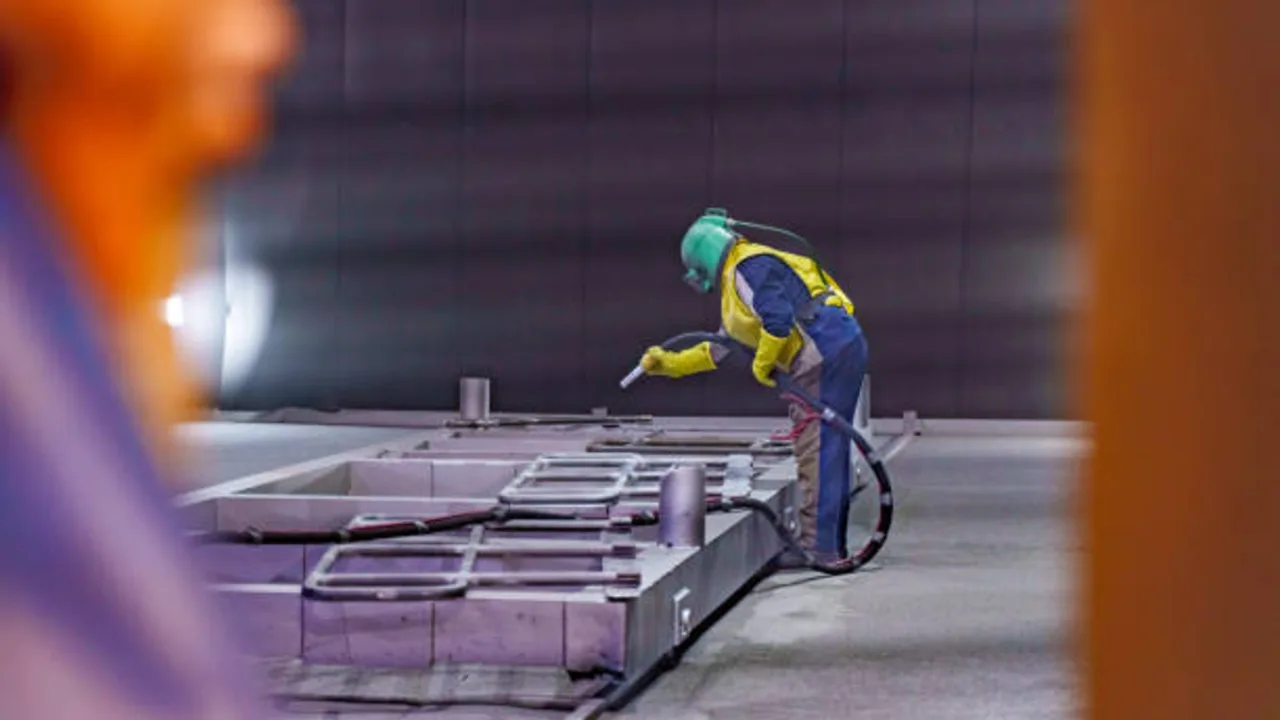
Abrasive blasting is widely recognized as the most effective method for achieving high levels of cleanliness in steel fabrication. It is the primary technique used to meet strict steel surface prep standards, particularly when specifications such as SA2.5 are required.
This process involves propelling abrasive materials—such as steel grit, steel shot, garnet, or sand—at high velocity onto the steel surface. The impact removes rust, mill scale, old coatings, and embedded contaminants while simultaneously creating a controlled surface profile.
One of the key advantages of abrasive blasting is its ability to deliver both cleanliness and roughness in a single operation. This makes it highly efficient and suitable for large-scale fabrication projects where consistency is critical.
Important factors influencing blasting performance include:
- Abrasive type: Determines aggressiveness and profile depth
- Blasting pressure: Affects cleaning efficiency and surface roughness
- Nozzle distance and angle: Impacts uniformity of cleaning
- Environmental control: Prevents contamination during blasting
When properly executed, abrasive blasting ensures full compliance with steel surface prep standards and provides the ideal foundation for high-performance coating systems.
Mechanical Cleaning
Mechanical cleaning uses physical tools such as grinders, needle scalers, and wire brushes to remove surface contaminants. It is typically applied in localized areas or situations where abrasive blasting is not feasible.
Although mechanical cleaning can improve surface condition, it has limitations when compared to blasting. It often cannot achieve the uniform cleanliness required by strict steel surface prep standards, especially for critical industrial applications.
Common use cases include:
- Spot repair or maintenance work
- Cleaning weld seams before inspection
- Removing loose rust and coatings in confined areas
However, mechanical cleaning may leave tightly adhered mill scale or embedded contaminants behind. As a result, it is generally not suitable for achieving standards like SA2.5 where near-white metal cleanliness is required.
Despite its limitations, mechanical cleaning remains valuable as a supplementary method within a broader surface preparation strategy.
Chemical Cleaning
Chemical cleaning is primarily used to remove oil, grease, salts, and other invisible contaminants that cannot be effectively eliminated through mechanical or abrasive methods alone.
This process typically involves the use of solvents, alkaline cleaners, or acid-based solutions to dissolve contaminants. It plays a critical role in ensuring compliance with steel surface prep standards, particularly before abrasive blasting or coating application.
Key benefits of chemical cleaning include:
- Effective removal of organic contaminants
- Improved surface cleanliness before blasting
- Reduction of contamination-related coating failures
However, chemical cleaning must be carefully controlled. Improper rinsing or residue left behind can negatively affect coating adhesion. Therefore, it is often used as a preparatory step rather than a standalone solution.
In high-performance systems, chemical cleaning ensures that surfaces are fully prepared at both visible and microscopic levels, supporting long-term coating durability.
Hybrid Methods
In modern steel fabrication projects, hybrid surface preparation methods are increasingly used to achieve optimal results. These methods combine two or more techniques—such as chemical cleaning followed by abrasive blasting—to address multiple types of contaminants.
Hybrid approaches are particularly useful when working in complex environments where different types of contamination are present. By integrating multiple processes, fabricators can ensure full compliance with steel surface prep standards.
Typical hybrid workflows include:
- Chemical degreasing followed by abrasive blasting
- Mechanical cleaning combined with localized blasting
- Blasting followed by surface re-cleaning to remove dust and residues
The advantage of hybrid methods lies in their flexibility. They allow fabrication teams to adapt to project-specific requirements while maintaining consistent surface quality.
Ultimately, the choice of method—or combination of methods—depends on factors such as project scale, environmental conditions, coating requirements, and specified steel surface prep standards. Selecting the right approach ensures both efficiency and long-term structural protection.
Surface Profile and Roughness Control
What is Surface Profile?
Surface profile refers to the microscopic peaks and valleys created on the steel surface after blasting. This roughness is essential for coating adhesion because it allows the coating to mechanically anchor to the substrate.
According to steel surface prep standards, achieving the correct surface profile is just as important as removing contaminants. A clean but smooth surface may still lead to coating failure due to poor adhesion.
Surface profile is typically measured in microns and must match the requirements of the selected coating system.
Why Profile Matters for Coating Adhesion
The relationship between coating and substrate depends heavily on the surface profile. Proper steel surface prep standards ensure that coatings bond effectively and remain intact over time.
If the profile is too smooth, coatings may not adhere properly. If it is too rough, it may lead to excessive coating consumption or uneven coverage.
Maintaining the correct profile ensures:
- Strong mechanical bonding
- Uniform coating thickness
- Extended coating lifespan
- Improved corrosion resistance
These factors make profile control a key component of steel surface prep standards.
Recommended Profile Ranges
| Coating Type | Recommended Profile |
|---|---|
| Epoxy coatings | 50–75 µm |
| Zinc-rich coatings | 40–60 µm |
| Heavy-duty industrial coatings | 75–100 µm |
These ranges are commonly specified within steel surface prep standards to ensure compatibility between surface condition and coating system.
Inspection and Quality Control for Surface Preparation
Visual Inspection Standards
Visual inspection is the first step in verifying compliance with steel surface prep standards. Inspectors compare prepared surfaces with standardized reference images defined by ISO 8501.
Acceptance criteria include:
- No visible rust or mill scale
- No oil, grease, or dirt
- Uniform surface appearance
- Compliance with specified cleanliness grade (e.g., SA2.5)
Visual inspection ensures that surface cleaning meets the required level before coating begins.
Surface Cleanliness Testing
In addition to visual checks, testing is required to confirm that surfaces meet steel surface prep standards for hidden contaminants.
Common tests include:
- Dust test: Ensures no loose particles remain
- Salt contamination test: Detects soluble salts that cause corrosion
- Moisture check: Confirms surface dryness before coating
These tests are critical in environments where corrosion risks are high.
Profile Measurement Tools
Measuring surface profile is essential for verifying compliance with steel surface prep standards. Accurate measurement ensures that the prepared surface meets coating requirements.
Common tools include:
- Replica tape for measuring profile depth
- Surface profile gauges for precise readings
- Digital measurement devices for advanced inspection
Using proper tools ensures consistent quality across all fabricated components.
Common Surface Preparation Failures
Insufficient Cleaning
Failure to remove contaminants is one of the most common issues in fabrication. Without proper cleaning, coatings cannot bond effectively, even if other steps follow steel surface prep standards.
This often leads to:
- Early coating failure
- Rapid corrosion
- Reduced structural lifespan
Over-Blasting
While blasting is essential, excessive blasting can damage the steel surface. Over-blasting may create an uneven profile that does not comply with steel surface prep standards.
This can result in:
- Excessive surface roughness
- Higher coating consumption
- Reduced coating performance
Incorrect Surface Profile
Incorrect profile levels are a frequent cause of coating failure. Surfaces that are too smooth or too rough fail to meet steel surface prep standards and reduce adhesion quality.
Proper control of blasting parameters is required to achieve consistent results.
Integration with Steel Structure Fabrication Process
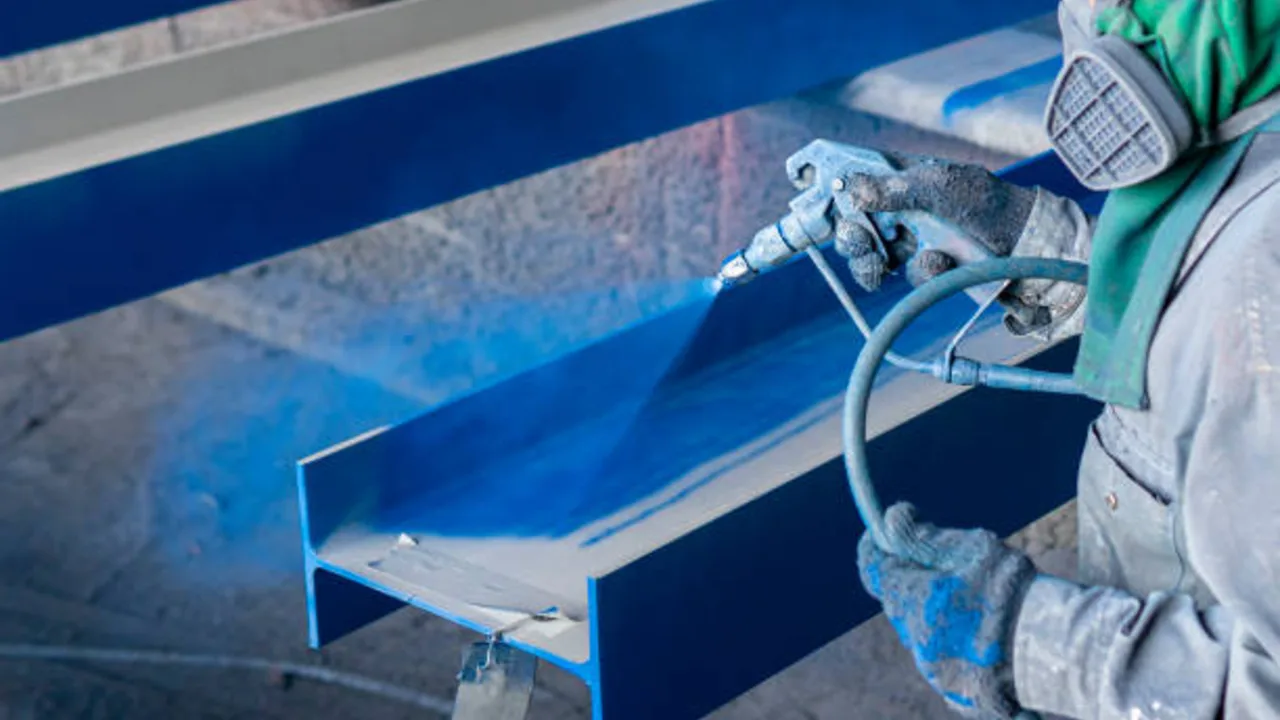
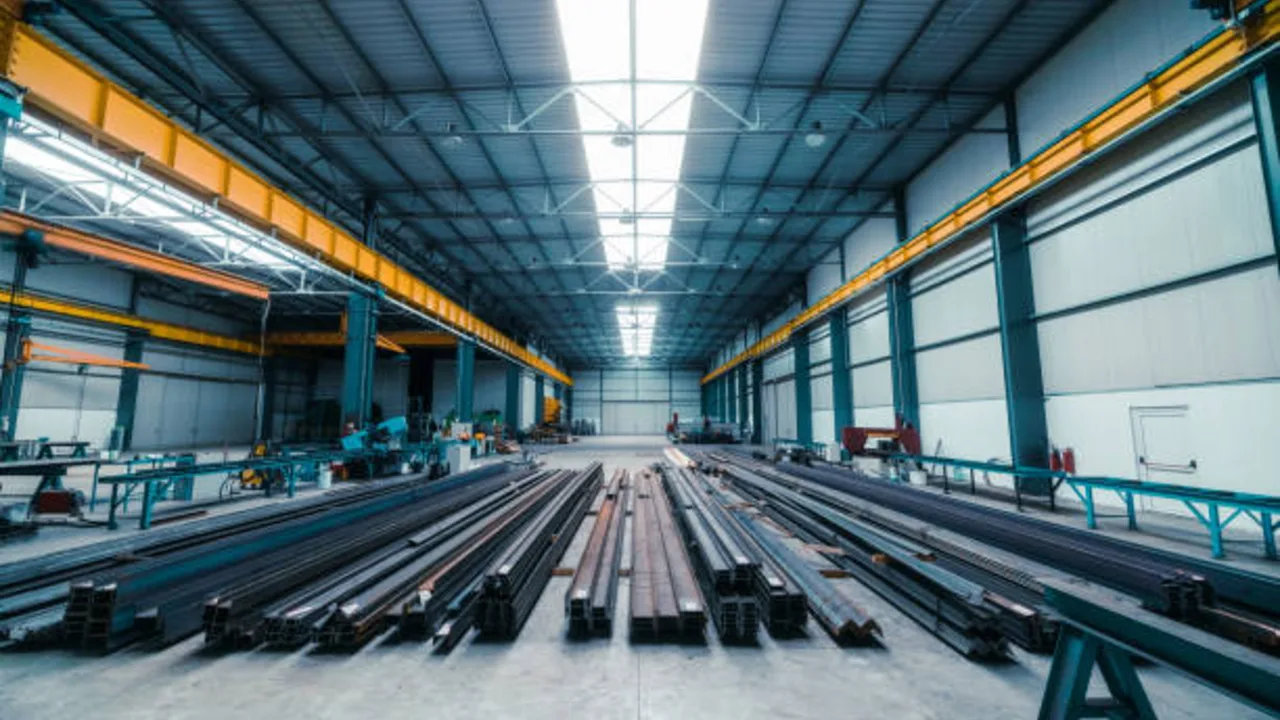
Surface preparation is an integral part of the overall steel structure fabrication process. It connects fabrication with coating and finishing stages.
The typical sequence includes:
- Steel fabrication and assembly
- Surface preparation
- Coating application
- Inspection and delivery
Following steel surface prep standards at the correct stage ensures that coatings perform as intended and that structures maintain durability over time.
Choosing the Right Surface Preparation Standard
Project Requirements
Different projects require different levels of surface preparation. Environmental exposure, load conditions, and service life all influence the selection of steel surface prep standards.
Coating System Compatibility
Surface preparation must match the coating system. High-performance coatings often require stricter steel surface prep standards such as SA2.5 or higher.
Cost vs Performance Trade-Off
While higher preparation levels increase initial costs, they reduce long-term maintenance expenses. Selecting the right steel surface prep standards balances performance and budget.
Lessons Learned: Improving Surface Preparation Quality
Standardization and SOP
Establishing standardized procedures improves consistency and ensures compliance with steel surface prep standards.
Training and Workforce Skill
Skilled workers are essential for achieving high-quality preparation. Training enhances understanding of steel surface prep standards and improves execution.
Use of Advanced Inspection Tools
Modern inspection tools improve accuracy and reliability. Integrating technology strengthens adherence to steel surface prep standards.
Surface Preparation as the Foundation of Coating Performance
Surface preparation is the foundation of coating success. Without proper preparation, even advanced coatings cannot deliver long-term protection. Following steel surface prep standards ensures that surfaces are clean, properly profiled, and ready for coating. This leads to improved durability, reduced maintenance, and enhanced structural performance. Ultimately, investing in proper surface preparation provides long-term benefits in both quality and cost efficiency.