In modern fabrication environments, precision is often treated as a given. Yet, even in highly controlled workflows, small dimensional deviations can accumulate across multiple components and processes. This phenomenon, known as tolerance accumulation steel fabrication, is one of the most underestimated risks in structural manufacturing.
While each individual deviation may fall within acceptable limits, the combined effect can lead to significant misalignment during assembly. In large-scale steel structures, where hundreds or even thousands of components must fit together seamlessly, these accumulated deviations can disrupt installation, compromise structural performance, and increase project costs.
At the core of this issue lies the concept of stack-up error. Understanding how these errors originate and propagate is essential for maintaining fabrication quality and ensuring that final assemblies meet both design intent and performance requirements.
Understanding Tolerance in Steel Fabrication
What Is Dimensional Tolerance?
Dimensional tolerance refers to the permissible variation in a physical dimension of a component. In steel fabrication, no component can be manufactured to an exact dimension without deviation. Instead, each measurement is defined within a range that ensures functional compatibility without requiring absolute precision.
For example, a steel beam specified at 6000 mm may allow a tolerance of ±2 mm. This means the actual length can vary slightly without affecting its intended function. These tolerances are defined based on engineering standards, manufacturing capabilities, and structural requirements. However, the challenge does not lie in a single tolerance. It emerges when multiple tolerances interact across different components.
Types of Tolerances in Steel Components
Steel fabrication involves several types of tolerances, each affecting assembly accuracy in different ways:
- Linear tolerance: variation in length, width, or thickness
- Angular tolerance: deviation in angles between components
- Flatness and straightness: surface and alignment consistency
- Hole positioning: accuracy of drilled or punched holes
Each type contributes differently to the overall dimensional behavior of the structure. When combined, even minor deviations can influence the final geometry.
What Is Tolerance Accumulation?
Concept of Stack-Up Error
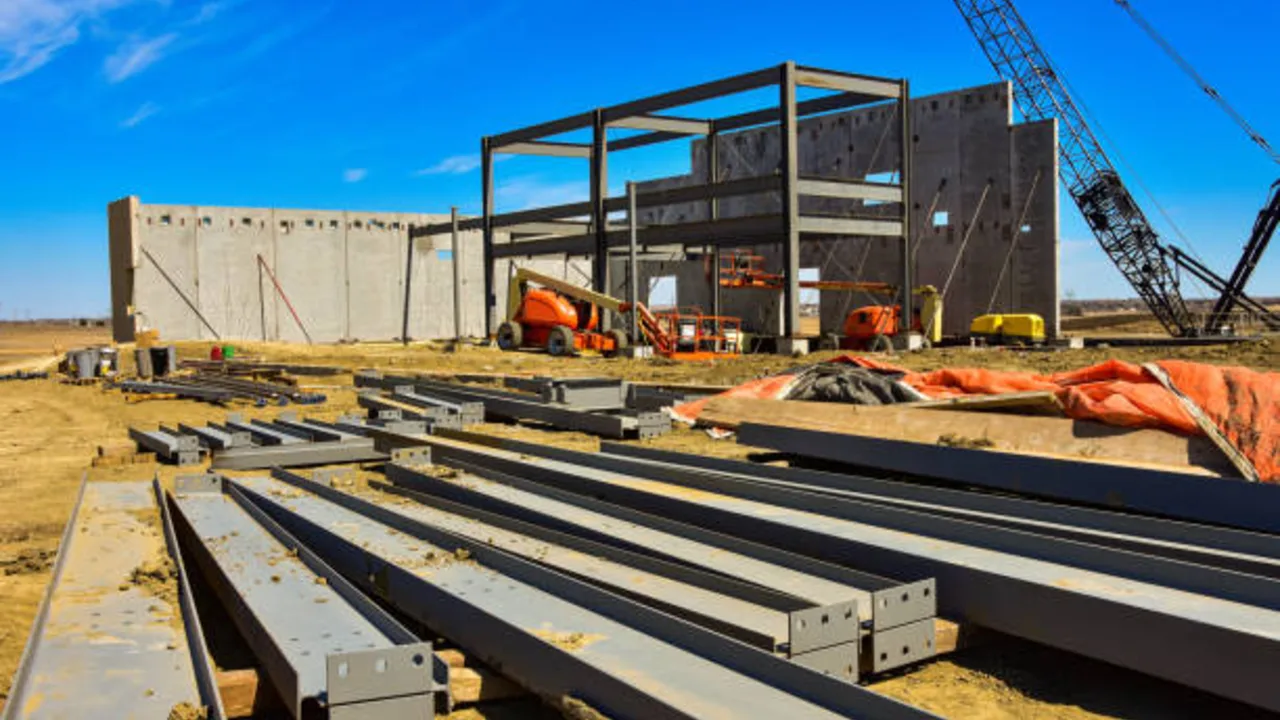
Tolerance accumulation occurs when individual dimensional variations combine across multiple parts. This is often referred to as stack-up error, where each small deviation adds to the next, creating a larger overall misalignment.
Consider a simple assembly of three connected components. If each part deviates by just a few millimeters within acceptable limits, the total deviation at the end of the assembly may exceed design tolerances. This compounded effect can cause misfits, alignment issues, and installation challenges.
Unlike isolated errors, stack-up error is progressive. It builds silently across the fabrication process and often becomes visible only during final assembly.
Why Accumulation Happens in Fabrication
Several factors contribute to tolerance accumulation in steel fabrication:
- Multiple fabrication stages introducing independent deviations
- Variation in cutting, welding, and machining processes
- Differences in measurement techniques and calibration
- Assembly sequence affecting how errors propagate
Each stage may operate within acceptable limits, but without coordination, these deviations accumulate into a larger issue.
Sources of Tolerance Accumulation in Steel Fabrication
Cutting and Material Preparation Errors
The first stage of fabrication sets the foundation for dimensional accuracy. Cutting processes such as plasma, flame, or laser cutting introduce thermal effects that can cause slight distortions. Even CNC-controlled systems are subject to machine tolerance, tool wear, and material inconsistencies.
If these initial deviations are not controlled, they propagate into every subsequent stage of fabrication.
Welding Distortion and Shrinkage
Welding is one of the most significant contributors to dimensional change. Heat input during welding causes expansion followed by shrinkage, which can alter the geometry of components.
Factors influencing distortion include:
- Welding sequence
- Heat distribution
- Joint design
Without proper planning, welding can amplify existing deviations and introduce new ones.
Fit-Up and Assembly Misalignment
Fit-up plays a critical role in controlling dimensional accuracy before welding. Poor alignment, inconsistent gaps, or unstable positioning during assembly can result in cumulative errors that are locked in after welding.
Even small alignment issues at this stage can significantly affect the final structure.
Measurement and Inspection Variability
Measurement is not immune to error. Differences in tools, calibration, and human interpretation can introduce inconsistencies. A measurement that appears acceptable in one stage may not align with measurements taken later.
This variability adds another layer to tolerance accumulation, especially in complex projects where multiple teams are involved.
Impact of Tolerance Accumulation on Structural Performance
Assembly Problems On-Site
One of the most immediate and visible consequences of tolerance accumulation steel fabrication is difficulty during on-site assembly. While each component may individually comply with its specified tolerance range, the cumulative deviation often becomes apparent only when multiple elements are brought together in the field.
Misalignment at this stage forces installation crews to make real-time adjustments, which may include slotting bolt holes, applying force to reposition members, or even cutting and re-welding components. These corrective actions are not only inefficient but also introduce additional risks, as field modifications rarely achieve the same level of precision as controlled fabrication environments.
In large structural systems, where erection sequences are tightly planned, even a small mismatch can disrupt the entire workflow. Cranes, labor teams, and equipment may be delayed while issues are resolved, creating a cascading effect across the project schedule. Over time, these delays accumulate, reducing overall productivity and increasing pressure on project timelines.
Load Distribution Issues
Structural systems are designed based on precise geometric relationships that ensure loads are transferred safely and efficiently through the structure. However, tolerance accumulation steel fabrication can alter these relationships in subtle but critical ways.
When components are misaligned, load paths may deviate from their intended routes. Instead of distributing forces evenly, the structure may experience localized stress concentrations. These stress concentrations can lead to overstressed members, unexpected deformation, or reduced load-carrying capacity.
For example, a slightly misaligned column connection may introduce eccentric loading, causing bending forces that were not accounted for in the original design. Over time, these unintended forces can compromise structural integrity, especially in dynamic or cyclic loading conditions such as bridges, industrial platforms, or high-rise buildings.
Connection Failures
Connections are among the most sensitive elements in any steel structure, and they are particularly vulnerable to the effects of tolerance accumulation steel fabrication. Unlike primary members, connections rely on precise alignment to function correctly.
When bolt holes are misaligned due to accumulated tolerances, installation becomes difficult or even impossible without modification. Enlarging holes or forcing bolts into position may reduce the effectiveness of the connection and introduce long-term weaknesses.
Similarly, improperly aligned weld joints can result in uneven weld penetration, residual stresses, and reduced joint strength. These defects are not always immediately visible, making them particularly dangerous. Over time, they can lead to fatigue cracks, joint failure, or reduced durability under repeated loading.
In critical infrastructure projects, connection failures caused by tolerance accumulation can have severe safety implications, making early control and prevention essential.
Cost and Schedule Impact
Beyond technical performance, tolerance accumulation steel fabrication has a direct and measurable impact on project cost and schedule. What begins as small, acceptable deviations at the fabrication stage can translate into significant financial consequences during construction.
Rework is one of the primary cost drivers. Correcting misaligned components requires additional labor, equipment usage, and sometimes new materials. These unplanned activities disrupt workflow and reduce overall efficiency.
Schedule delays further compound the issue. When installation cannot proceed as planned, downstream activities are affected. This may lead to extended project durations, contractual penalties, and increased overhead costs.
In large-scale steel projects, where margins are often tightly controlled, even minor inefficiencies can escalate into substantial financial losses. This is why managing tolerance accumulation is not just a technical requirement—it is a critical factor in project profitability and delivery performance.
Case Scenario: How Small Errors Become Major Problems
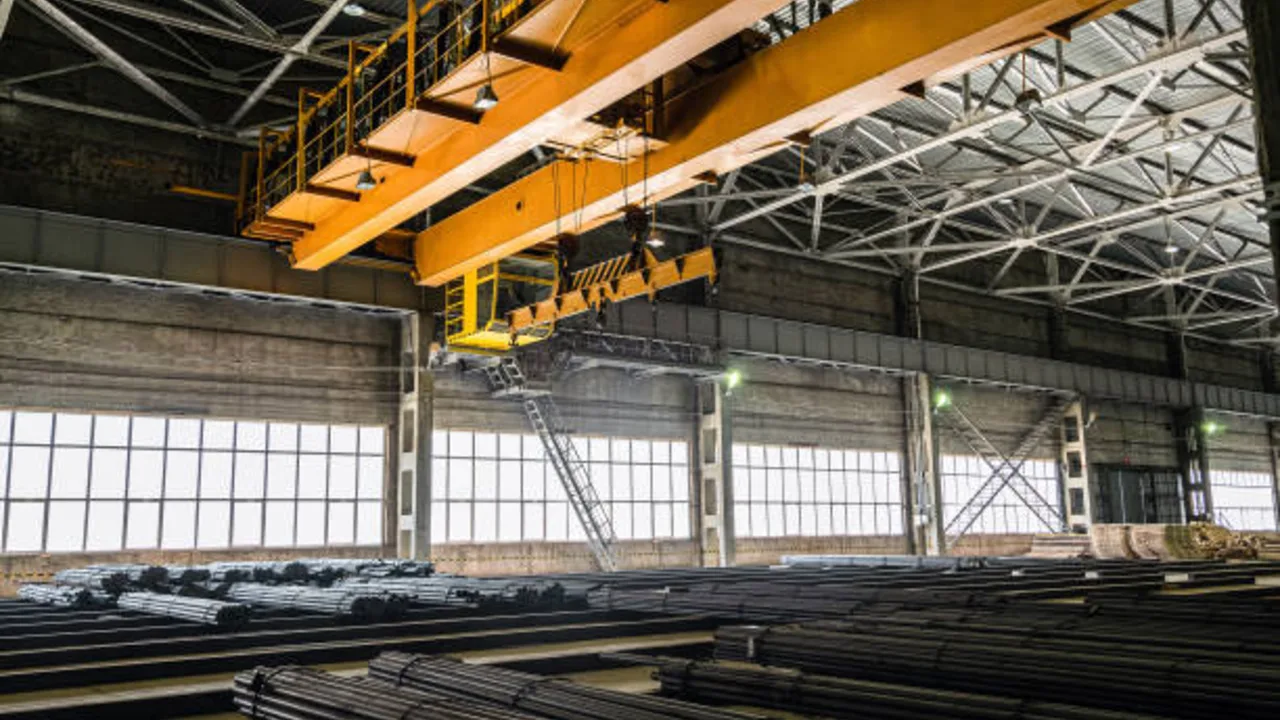
A simplified example illustrates how tolerance accumulation develops in practice. Consider three components fabricated separately:
| Component | Individual Tolerance | Accumulated Effect |
|---|---|---|
| Beam | ±2 mm | +2 mm |
| Column | ±3 mm | +5 mm |
| Connection Plate | ±2 mm | +7 mm |
| Final Assembly | — | Misalignment |
Individually, each component meets its tolerance requirement. However, when assembled, the combined deviation exceeds acceptable limits. This misalignment can prevent proper installation or require corrective adjustments.
This example highlights why tolerance accumulation steel fabrication must be managed proactively rather than addressed after assembly issues arise.
Controlling Tolerance Accumulation in Steel Fabrication
Precision in Cutting and Machining
Controlling tolerance accumulation steel fabrication begins at the earliest stage—material preparation. Precision cutting is not only about achieving correct dimensions but also about minimizing initial deviation that can propagate through the entire fabrication process.
Modern CNC systems significantly improve accuracy, but they are not immune to variation. Factors such as tool wear, thermal effects, and material inconsistencies can introduce small deviations. To reduce these risks, fabrication teams must implement:
- Routine calibration of cutting equipment
- Optimization of cutting paths and sequences
- Material inspection before processing
By reducing variability at the source, downstream accumulation can be significantly minimized.
Welding Sequence Planning
Welding is inherently a deformation-driven process due to thermal expansion and contraction. Without proper planning, welding can amplify stack-up error and distort component geometry.
Effective strategies include:
- Balanced welding sequences to distribute heat evenly
- Alternating weld patterns to reduce localized stress
- Controlling heat input through parameter optimization
Careful welding planning ensures that dimensional changes are predictable and manageable rather than random and cumulative.
Fit-Up Control Before Welding
Fit-up is the last opportunity to correct alignment before welding permanently fixes component positions. This stage plays a decisive role in limiting tolerance accumulation.
Key practices include:
- Using alignment tools such as clamps, jigs, and laser guides
- Maintaining consistent gap control across joints
- Applying tack welding strategically to stabilize components
A disciplined fit-up process ensures that deviations are corrected early rather than embedded into the structure.
Standardized Measurement Systems
Consistency in measurement is essential for controlling dimensional accuracy. Variations in tools or methods can introduce discrepancies that contribute to accumulation.
To improve reliability, fabrication teams increasingly rely on digital measurement systems, including laser scanning and coordinate measurement technologies. These tools provide real-time data and reduce human interpretation error. In complex projects, standardized measurement protocols ensure that all teams operate using the same reference framework.
Role of Engineering and Design in Minimizing Accumulation
Design for Manufacturing (DFM)
Engineering decisions directly influence how tolerances behave during fabrication. Design for Manufacturing (DFM) focuses on creating components that are easier to produce within controlled tolerance limits.
This includes:
- Simplifying geometry to reduce alignment complexity
- Avoiding unnecessary tight tolerances in non-critical areas
- Designing connections that allow minor adjustment during assembly
A well-considered design reduces the likelihood of tolerance accumulation becoming a critical issue.
Tolerance Allocation Strategy
Not all dimensions carry the same level of importance. Effective tolerance allocation identifies critical dimensions that require tighter control while allowing flexibility in less critical areas.
By strategically distributing tolerances, engineers can prevent excessive stack-up error in key structural components. This approach ensures that fabrication resources are focused where precision matters most.
Integration with Steel Structure Fabrication Process
Tolerance control cannot be treated as an isolated activity. It must be integrated across the entire steel structure fabrication process, from initial cutting to final inspection.
Each stage contributes to dimensional accuracy:
- Cutting defines baseline dimensions
- Fit-up aligns components before welding
- Welding introduces controlled deformation
- Inspection verifies compliance with design tolerances
When these stages operate in isolation, deviations accumulate. When they are coordinated, tolerance accumulation can be controlled effectively.
Advanced Technologies for Tolerance Control
3D Scanning and Digital Twin
Advanced measurement technologies such as 3D scanning allow fabrication teams to capture precise geometry in real time. By comparing scanned data with digital models, deviations can be detected early.
Digital twin systems extend this capability by creating a virtual representation of the structure, enabling continuous monitoring and adjustment throughout the fabrication process.
Automation and Robotics
Automation reduces variability introduced by manual processes. Robotic cutting and welding systems provide consistent execution, minimizing human-induced error.
While automation requires initial investment, it significantly improves repeatability in large-scale fabrication.
AI-Based Quality Monitoring
Emerging technologies are now incorporating artificial intelligence into quality control. By analyzing production data, AI systems can predict where deviations are likely to occur and recommend corrective actions.
This proactive approach shifts tolerance control from reactive inspection to predictive management.
Best Practices to Prevent Stack-Up Error
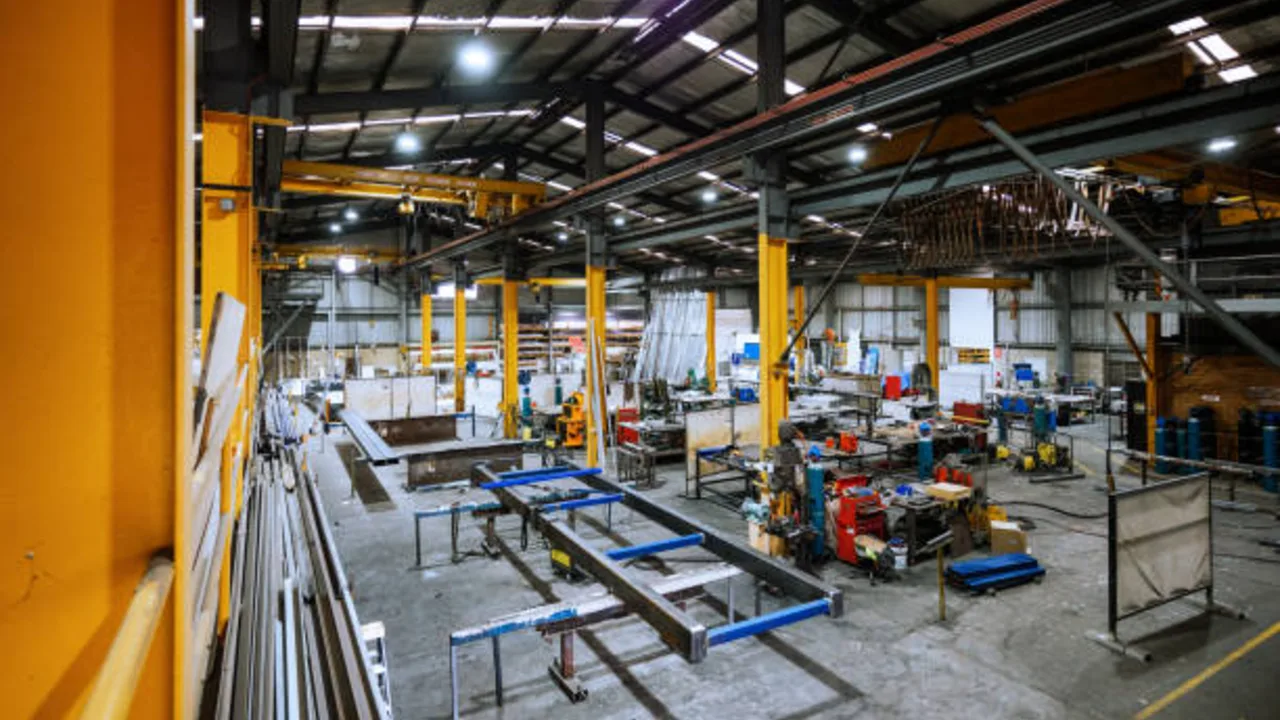
Preventing stack-up error requires a combination of process discipline, technical capability, and skilled execution. The following practices are widely adopted in high-performance fabrication environments:
- Implement tolerance planning at the design stage
- Maintain consistent measurement standards across all teams
- Train personnel in precision alignment and inspection techniques
- Standardize fabrication workflows to reduce variability
- Conduct continuous quality monitoring throughout production
These practices create a controlled environment where tolerance accumulation is minimized rather than managed after the fact.
Conclusion: Why Tolerance Control Defines Fabrication Quality
Tolerance accumulation steel fabrication is not simply a technical concern—it is a defining factor in overall project success. While individual deviations may appear insignificant, their combined effect can compromise assembly accuracy, structural integrity, and project efficiency.
The key insight is that accumulation is predictable. It does not occur randomly but follows the sequence of fabrication processes. This means it can be controlled through planning, coordination, and disciplined execution.
By prioritizing tolerance control from design through fabrication and assembly, teams can prevent costly rework, ensure structural reliability, and deliver projects with greater confidence.
In modern steel fabrication, precision is not just about meeting specifications—it is about managing how every small deviation contributes to the final structure.