Welding quality is one of the most critical factors in determining the performance, safety, and durability of steel structures. In any fabrication environment, the concept of welding defect acceptance steel serves as a benchmark for evaluating whether a weld meets required standards or needs corrective action. Without clearly defined acceptance criteria, even minor defects could escalate into major structural failures.
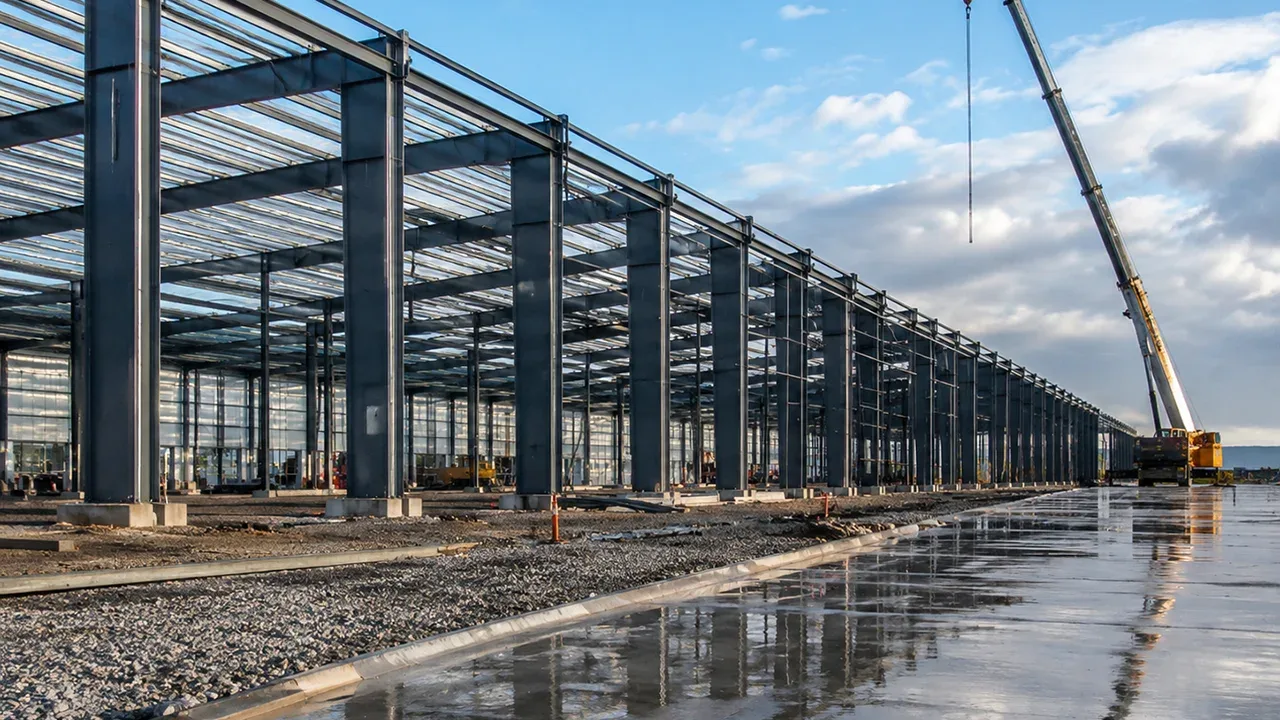
In modern steel projects, especially those involving large-scale infrastructure, factories, and industrial buildings, strict inspection protocols are implemented at every stage. These protocols ensure that welds comply with both international standards and project-specific requirements. By integrating inspection processes early in production, fabricators can reduce rework, minimize costs, and improve overall efficiency.
Understanding Common Welding Defects
Welding defects can occur due to various reasons such as improper technique, unsuitable materials, or environmental conditions. Identifying and classifying these defects is the first step toward ensuring compliance with welding defect acceptance steel standards.
Some of the most common welding defects include porosity, cracks, slag inclusions, undercuts, and lack of fusion. Each defect type has distinct characteristics and varying levels of severity. For example, cracks are generally considered the most critical because they can propagate under stress and lead to sudden failure.
Porosity is caused by trapped gas within the weld metal and often appears as small cavities. While minor porosity may be acceptable in certain conditions, excessive porosity weakens the weld and compromises structural integrity. Slag inclusions occur when non-metallic materials become trapped in the weld pool, preventing proper bonding between layers.
Undercutting, on the other hand, refers to the erosion of the base metal along the weld toe, creating a groove that can act as a stress concentrator. Lack of fusion indicates that the weld metal has not properly bonded with the base metal, resulting in weak joints that cannot sustain design loads.
Visual Indicators of Welding Defects
Visual inspection is the most accessible and widely used method for detecting welding defects. Inspectors rely on their experience and standardized guidelines to identify visible imperfections such as uneven bead profiles, excessive spatter, surface cracks, and discoloration.
Although visual inspection provides immediate feedback, it has limitations. Surface-level observations cannot detect internal defects such as subsurface cracks or inclusions. Therefore, visual inspection is often used as the first line of defense, followed by more advanced testing methods when necessary.
Effective visual inspection requires proper lighting, clean weld surfaces, and the use of measuring tools such as weld gauges. Inspectors must also be familiar with acceptance criteria to determine whether observed defects fall within allowable limits.
Standards Governing Welding Defect Acceptance Steel
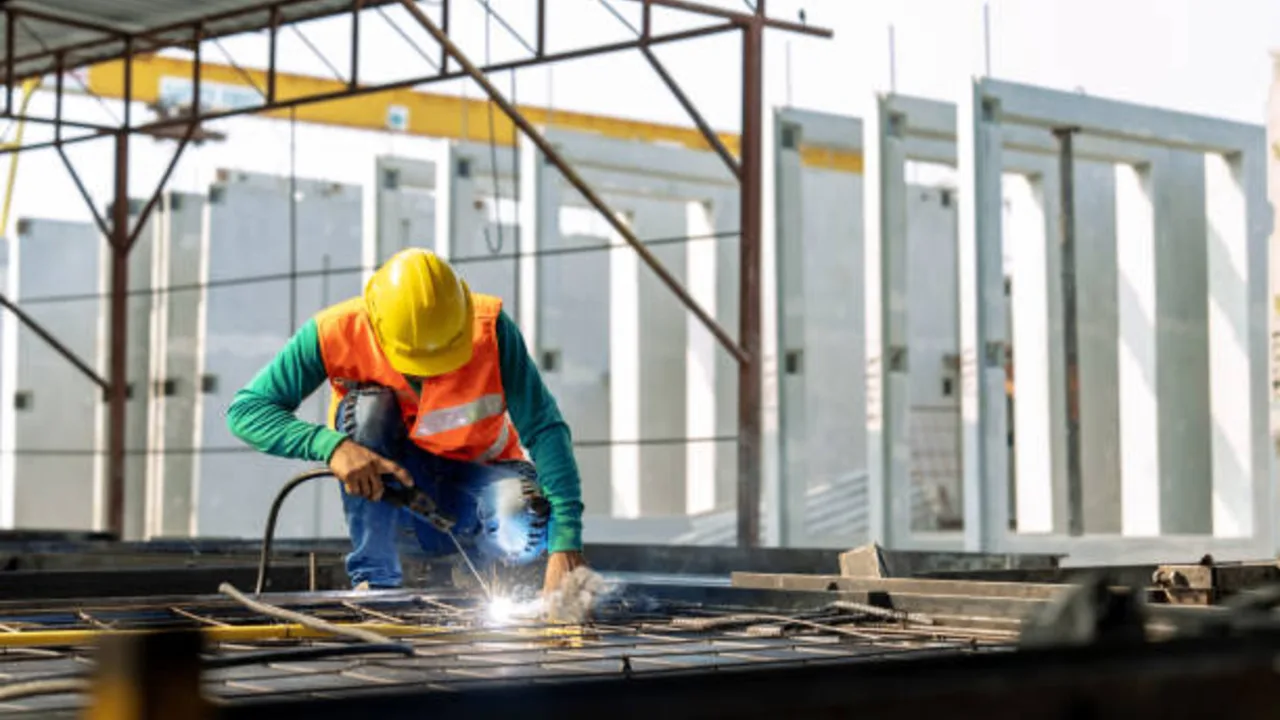
To ensure consistency and reliability, welding defect acceptance is governed by international standards and codes. Organizations such as the American Welding Society (AWS), International Organization for Standardization (ISO), and European standards (EN) provide comprehensive guidelines for evaluating weld quality.
These standards define acceptable limits for various defect types, taking into account factors such as material thickness, loading conditions, and intended application. The application of welding defect acceptance steel criteria ensures that welds meet minimum safety requirements while maintaining production efficiency.
Different projects may adopt different standards depending on location, industry, and client requirements. For example, structural steel used in high-rise buildings typically follows stricter acceptance criteria compared to non-structural components.
Acceptance Criteria Categories
Acceptance criteria are generally categorized based on defect severity and impact on performance. This classification helps inspectors and engineers make informed decisions regarding acceptance, repair, or rejection.
- Critical defects: These include cracks and significant lack of fusion. They are not acceptable under any circumstances and require immediate repair.
- Major defects: Defects such as large slag inclusions or excessive undercutting that exceed allowable limits. These typically require corrective action.
- Minor defects: Small imperfections that fall within specified tolerances and do not significantly affect structural performance.
The classification system ensures that welding defect acceptance steel decisions are consistent and aligned with engineering requirements.
Visual Inspection Procedures in Welding
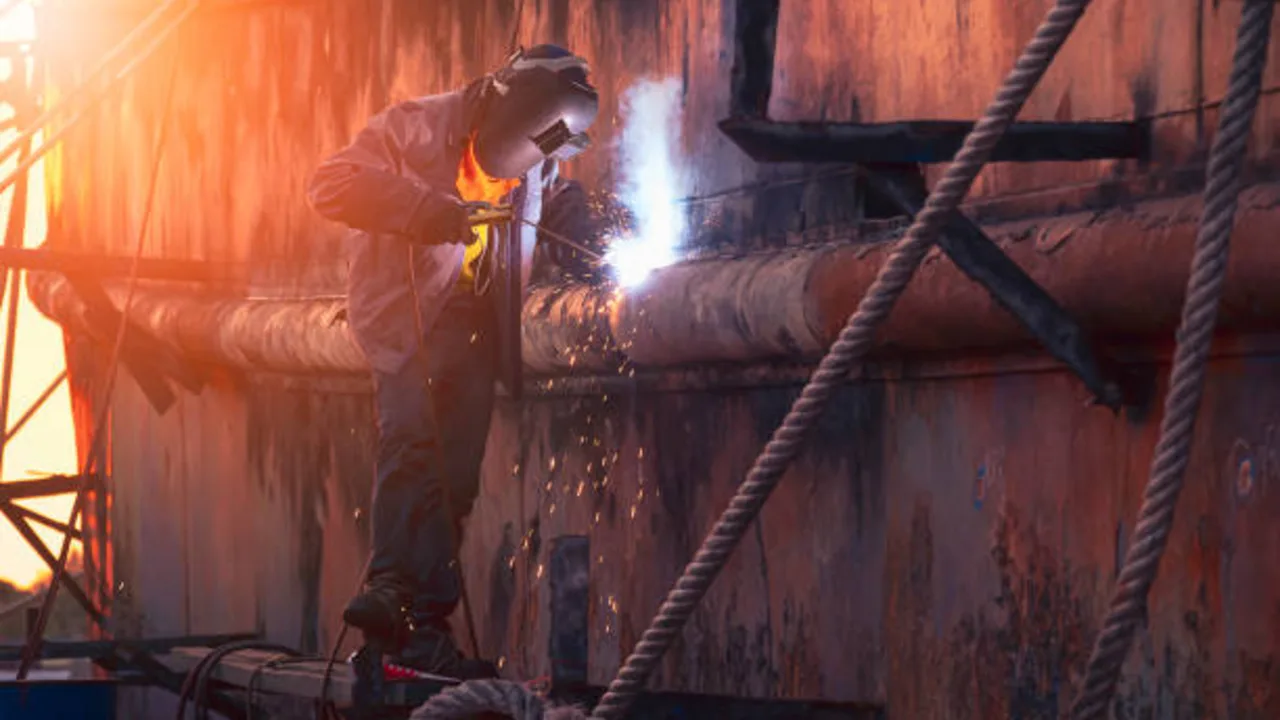
Visual inspection procedures are designed to systematically evaluate weld quality before, during, and after the welding process. These procedures play a crucial role in maintaining compliance with acceptance standards.
Before welding begins, inspectors verify that materials, joint preparation, and equipment meet specified requirements. During welding, parameters such as heat input, travel speed, and electrode selection are monitored to prevent defects from forming.
After welding, the inspection focuses on identifying surface defects and ensuring that weld geometry meets design specifications. Measurements of weld size, reinforcement, and alignment are compared against acceptance criteria.
Documentation and Reporting
Accurate documentation is essential for quality control and traceability. Inspection reports typically include details such as weld identification, defect type, location, and severity. Photographic evidence may also be included to support findings.
Proper reporting ensures transparency and provides a reference for future inspections or audits. It also supports continuous improvement by identifying recurring issues and enabling corrective actions.
In large-scale projects, digital inspection systems are often used to streamline data collection and analysis. These systems improve efficiency and ensure that all welding defect acceptance steel evaluations are recorded consistently.
Non-Destructive Testing Methods for Defect Validation
While visual inspection provides an initial assessment, it is often insufficient for detecting subsurface or internal defects. This is where non-destructive testing (NDT) methods become essential. NDT allows inspectors to evaluate weld integrity without causing any damage to the structure, making it a critical component in verifying welding defect acceptance steel requirements.
Different NDT methods are selected based on the type of material, weld configuration, and expected defect characteristics. Each method offers unique advantages and limitations, and in many cases, multiple techniques are used together to achieve comprehensive results.
- Ultrasonic Testing (UT): Uses high-frequency sound waves to detect internal discontinuities. It is highly effective for thick steel sections and critical welds.
- Radiographic Testing (RT): Utilizes X-rays or gamma rays to produce images of internal weld structures, allowing inspectors to identify hidden defects.
- Magnetic Particle Testing (MT): Suitable for detecting surface and near-surface defects in ferromagnetic materials.
- Dye Penetrant Testing (PT): Highlights surface-breaking defects by applying a liquid penetrant that seeps into cracks.
By combining these techniques, engineers can ensure that all relevant defect types are evaluated before final acceptance decisions are made.
Welding Defect Acceptance Steel in Structural Applications
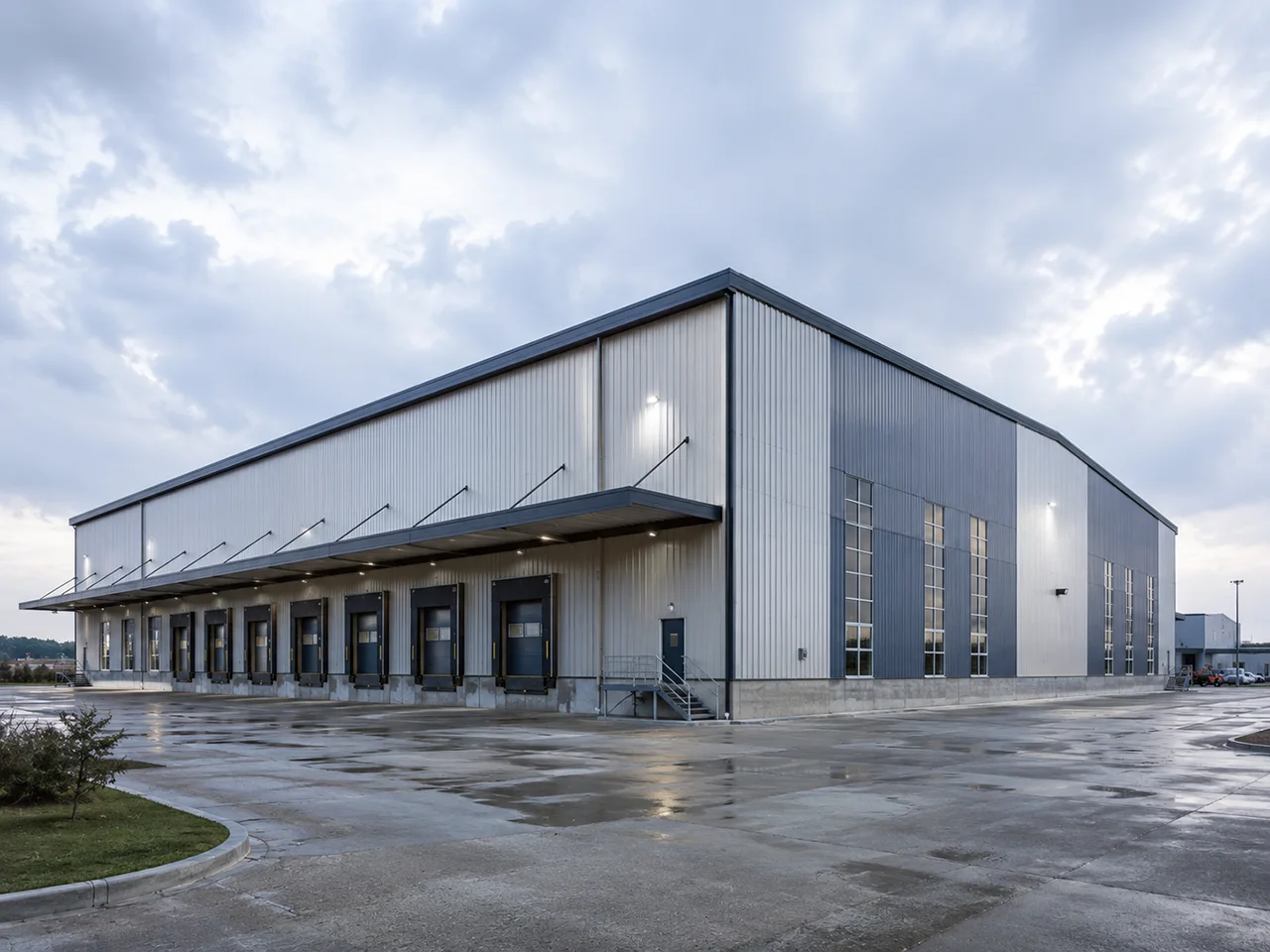
The application of welding defect acceptance steel becomes even more critical in structural projects where safety and load-bearing performance are paramount. Steel structures such as industrial buildings, warehouses, and production facilities rely heavily on weld quality to maintain stability under various loads.
In these applications, acceptance criteria are often stricter because failure in a single weld can compromise the entire structure. Engineers must carefully evaluate defect size, location, and orientation relative to stress paths.
The integration of acceptance criteria within the steel structure fabrication process ensures that weld quality is consistently maintained from initial design to final installation. This alignment between design, fabrication, and inspection minimizes risks and enhances overall project reliability.
Integration with Steel Structure Fabrication Process
The fabrication workflow incorporates multiple inspection checkpoints to ensure compliance with quality standards. These checkpoints include raw material verification, welding parameter monitoring, and post-weld inspections.
Each stage is guided by welding defect acceptance steel criteria, ensuring that defects are identified early and corrected before progressing to the next phase. This proactive approach reduces rework and improves production efficiency.
Close coordination between engineers, welders, and inspectors is essential for maintaining consistency. Clear communication ensures that all parties understand acceptance requirements and adhere to established procedures.
Repair Procedures for Rejected Welds
When welds do not meet acceptance criteria, repair procedures must be carried out to restore structural integrity. These procedures are carefully planned to ensure that the repaired weld meets the same standards as the original.
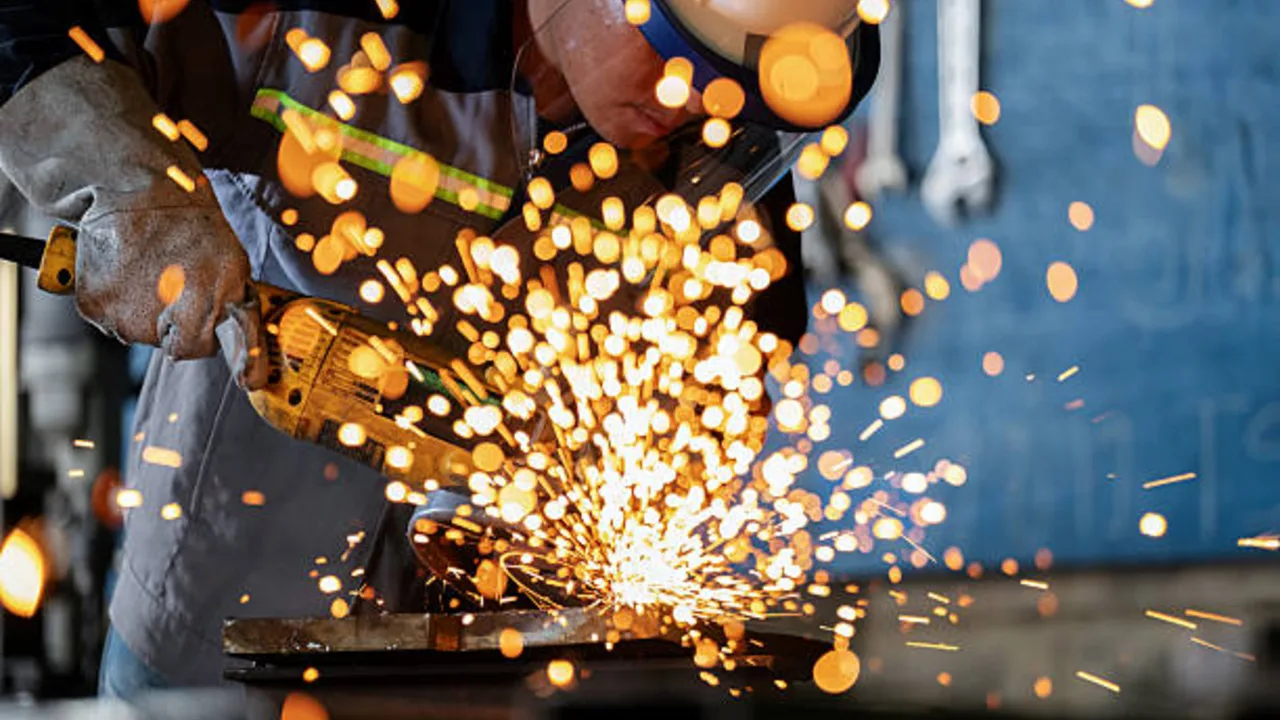
Common repair methods include grinding out defective areas, re-welding, and applying post-weld heat treatment when necessary. Each repair must follow approved procedures and be performed by qualified personnel.
After repairs are completed, the weld must undergo re-inspection using the same methods applied during the initial evaluation. This ensures compliance with welding defect acceptance steel standards and prevents compromised welds from being accepted.
Quality Control Systems in Steel Fabrication
Effective quality control systems are essential for maintaining consistent weld quality across all stages of fabrication. These systems integrate procedures, personnel, and technology to ensure that every weld meets required standards.
Quality assurance (QA) focuses on establishing guidelines, procedures, and training programs, while quality control (QC) involves the actual inspection and testing of welds. Together, they form a comprehensive framework that supports reliable welding defect acceptance steel practices.
Modern fabrication facilities often use digital tools to monitor welding parameters and track inspection data in real time. This improves accuracy and enables faster decision-making.
Best Practices to Minimize Welding Defects
Preventing defects is always more efficient than repairing them. Implementing best practices can significantly reduce the occurrence of welding defects and improve acceptance rates.
- Ensure welders are properly trained and certified
- Maintain correct welding parameters such as voltage, current, and travel speed
- Prepare materials properly, including cleaning and fit-up
- Control environmental factors such as temperature and humidity
By following these practices, manufacturers can enhance weld quality and ensure compliance with welding defect acceptance steel criteria.
Case-Based Scenarios of Welding Defect Acceptance Steel
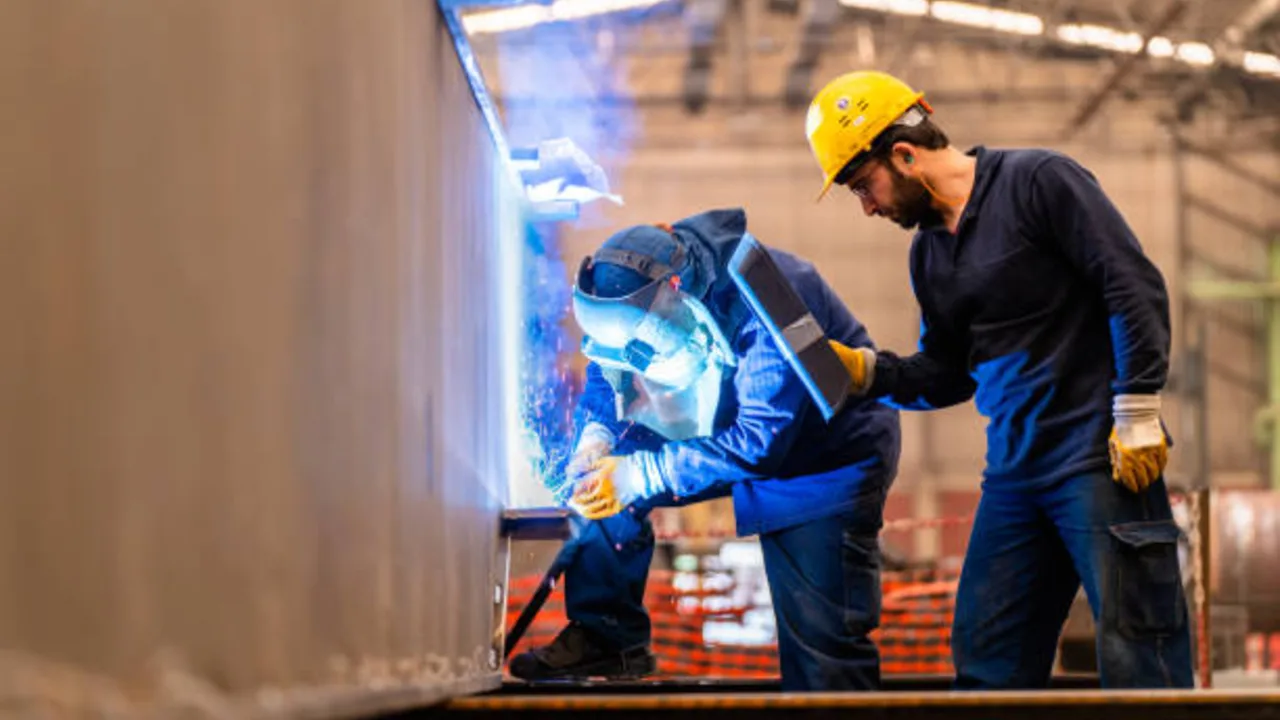
In practical applications, the decision to accept or reject a weld is not always straightforward. Engineers must consider multiple factors, including defect size, location, and service conditions.
For example, minor porosity in a non-critical area may be acceptable, while similar defects in a high-stress region may require repair. Understanding these scenarios helps professionals apply welding defect acceptance steel standards more effectively.
Real-world case studies highlight the importance of experience and judgment in interpreting acceptance criteria. These examples also provide valuable insights for improving future projects.
Conclusion: Ensuring Reliable Welding Acceptance Standards
The consistent application of welding acceptance criteria is essential for ensuring the safety and performance of steel structures. By combining visual inspection, non-destructive testing, and robust quality control systems, fabricators can achieve reliable and durable welds.
For additional technical insights, refer to resources such as welding fundamentals and standards. These references provide a deeper understanding of welding processes and best practices.