In modern steel fabrication, welding is not just a joining process—it is a critical operation that directly determines structural strength, durability, and long-term performance. Poor welding practices can lead to serious structural failures, costly rework, and project delays. This is why welding procedure qualification steel plays a fundamental role in ensuring consistency and reliability across fabrication processes.
Without a properly qualified welding procedure, variations in heat input, material behavior, and operator technique can introduce defects such as cracks, porosity, or incomplete fusion. These issues are especially critical in industrial structures, where welded joints must withstand heavy loads and dynamic conditions.
To control these risks, the industry relies on standardized systems such as Welding Procedure Specification (WPS) and Procedure Qualification Record (PQR). Together, they form the backbone of quality assurance in welding operations. By validating procedures before production begins, fabrication teams can ensure repeatable results, reduce uncertainty, and maintain structural integrity throughout the project lifecycle.
What is Welding Procedure Qualification in Steel Fabrication?
Definition of Welding Procedure Qualification
Welding procedure qualification is a formal process used to verify that a specific welding method can produce joints that meet required mechanical and structural standards. It is not based on assumptions but on actual test results obtained under controlled conditions.
The primary goal of welding procedure qualification steel is to ensure that a welding process is capable of consistently producing sound welds under real production conditions. This includes validating parameters such as heat input, welding position, material type, and joint configuration.
Rather than relying on theoretical calculations, engineers perform trial welds and subject them to mechanical and non-destructive testing. The results are then documented to confirm whether the procedure is suitable for production use.
Difference Between WPS and PQR
Understanding the distinction between WPS and PQR is essential for effective welding quality control.
WPS (Welding Procedure Specification) is the documented guideline that welders follow during production. It defines parameters such as voltage, current, travel speed, filler material, and joint design. On the other hand, PQR (Procedure Qualification Record) is the actual record of the test weld that proves the procedure works.
While WPS tells you how to weld, PQR proves that the method has been tested and validated. Both documents are interconnected and must be aligned for a qualified welding process.
| Aspect | WPS (Welding Procedure Specification) | PQR (Procedure Qualification Record) |
|---|---|---|
| Purpose | Defines how welding should be performed | Records test results to validate the procedure |
| Stage | Used during production | Created during qualification testing |
| Content | Parameters, materials, techniques | Actual test data and results |
| Role in QC | Guideline for welders | Proof of procedure reliability |
Why Welding Procedure Qualification is Critical in Steel Fabrication
Ensuring Structural Integrity
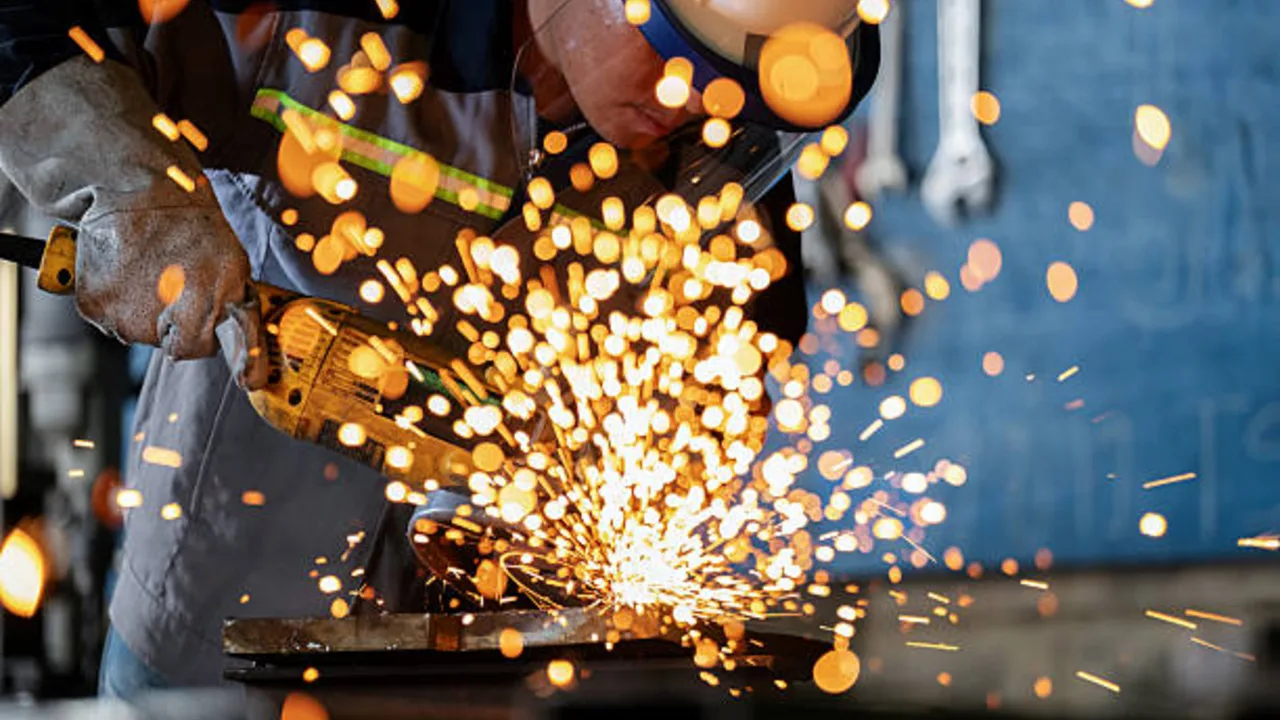
Steel structures rely heavily on the quality of welded joints. Unlike bolted connections, welds cannot be easily adjusted after completion. Any defect introduced during welding becomes part of the structure and may compromise its load-bearing capacity.
Through welding procedure qualification steel, engineers ensure that welds can withstand expected loads, environmental conditions, and operational stresses. This is especially important in applications such as industrial plants, bridges, and large-span buildings.
Compliance with International Standards
Global steel fabrication projects must comply with international standards such as AWS (American Welding Society), ASME, and ISO. These standards require formal welding procedure qualification before production.
For export-oriented projects, compliance is not optional. Fabricators must provide documented evidence, including WPS and PQR, to demonstrate that welding procedures meet specified requirements. Without proper qualification, projects risk rejection, delays, or contractual disputes.
Reducing Welding Defects and Rework
Unqualified welding procedures often result in defects that are only discovered during inspection or, worse, during operation. Repairing defective welds is time-consuming, expensive, and sometimes structurally risky.
By validating procedures in advance, welding procedure qualification steel significantly reduces the likelihood of defects. This leads to fewer repairs, lower costs, and improved overall quality.
Improving Fabrication Efficiency
Consistency is key to efficiency in steel fabrication. When welding procedures are standardized and qualified, production becomes more predictable. Welders can follow established guidelines without guesswork, reducing variability in output.
This standardization improves workflow, minimizes downtime, and enhances coordination across fabrication teams. Over time, it contributes to faster project delivery and better resource utilization.
Key Components of Welding Procedure Qualification
Welding Procedure Specification (WPS)
The WPS serves as the operational blueprint for welding. It includes detailed instructions that guide welders through each step of the process.
Typical variables defined in a WPS include:
- Base material type and thickness
- Filler metal selection
- Welding position and technique
- Electrical parameters such as voltage and current
- Preheat and interpass temperature requirements
Variables are often categorized into essential and non-essential variables. Essential variables directly affect weld quality and require requalification if changed, while non-essential variables allow some flexibility.
Procedure Qualification Record (PQR)
The PQR is the documented evidence that a welding procedure has been tested and meets required standards. It includes detailed records of the welding conditions used during testing, as well as the results of mechanical and non-destructive tests.
Unlike the WPS, which provides instructions, the PQR provides proof. It demonstrates that the welding parameters defined in the WPS are capable of producing acceptable results.
The accuracy and completeness of the PQR are critical, as it serves as the foundation for approving welding procedures in production environments.
Welder Qualification
In addition to procedure qualification, welder qualification is equally important. Even the most well-developed WPS and validated PQR cannot guarantee quality if the welder lacks the necessary skill and consistency.
Welder qualification ensures that individuals are capable of executing the welding procedure under real working conditions. This typically involves performing test welds that are evaluated using similar standards applied in procedure qualification. While welding procedure qualification steel focuses on the process itself, welder qualification focuses on the human factor, and both must work together to ensure optimal results.
Step-by-Step Welding Procedure Qualification Process
Step 1: Developing a Preliminary WPS
The process begins with the development of a preliminary Welding Procedure Specification. This document is based on engineering experience, material specifications, and applicable standards. It outlines the intended welding parameters and serves as the foundation for qualification testing.
At this stage, assumptions are made regarding heat input, joint configuration, and welding technique. However, these assumptions must be validated through testing before being approved for production.
Step 2: Performing Test Welding
Once the preliminary WPS is established, test welds are carried out under controlled conditions. These test welds simulate actual production scenarios as closely as possible, including material thickness, welding position, and environmental conditions.
The goal is to replicate real-world fabrication challenges and observe how the welding procedure performs. This step is critical in welding procedure qualification steel, as it provides the raw data needed to assess procedure reliability.
Step 3: Mechanical and Non-Destructive Testing
After completing the test welds, samples are extracted and subjected to a series of tests. These tests evaluate the mechanical properties and internal quality of the weld.
| Test Type | Purpose | Acceptance Criteria |
|---|---|---|
| Tensile Test | Measures strength of welded joint | Must meet base material strength requirements |
| Bend Test | Evaluates ductility and soundness | No cracks or fractures allowed |
| Impact Test | Assesses toughness under dynamic loads | Must meet specified energy values |
| NDT (UT/RT) | Detects internal defects | No critical discontinuities |
Mechanical tests verify strength and ductility, while non-destructive testing (NDT) identifies internal defects such as voids or lack of fusion. Only when all results meet the required criteria can the procedure move forward.
Step 4: Recording Results in PQR
All test data is carefully documented in the Procedure Qualification Record. This includes welding parameters, material details, environmental conditions, and test outcomes.
The PQR serves as official proof that the welding procedure has been successfully validated. It also provides traceability, which is essential for audits, certifications, and project documentation.
Step 5: Finalizing the WPS
Based on the successful PQR results, the final WPS is established. This document becomes the standard guideline for all production welding activities.
Once approved, the WPS must be strictly followed by welders to ensure consistency. Any significant deviation from qualified parameters may require requalification.
Variables Affecting Welding Procedure Qualification
Material Type and Thickness
Different materials respond differently to heat and welding processes. Carbon steel, alloy steel, and high-strength steel each require specific considerations.
Material thickness also plays a crucial role. Thicker materials require higher heat input and may introduce greater residual stresses, while thinner materials are more sensitive to distortion.
Heat Input and Welding Parameters
Heat input is one of the most critical variables in welding. It directly influences weld penetration, microstructure, and residual stress.
Parameters such as current, voltage, and travel speed must be carefully controlled. Excessive heat can lead to distortion and weakening of material properties, while insufficient heat may result in incomplete fusion.
Joint Design and Fit-Up
Joint configuration significantly affects weld quality. Groove angle, root opening, and alignment must be precisely controlled to ensure proper fusion.
Poor fit-up can introduce defects even if the welding procedure itself is qualified. Therefore, joint preparation must align with the requirements defined in the WPS.
Welding Position
Welding in different positions—flat, horizontal, vertical, or overhead—introduces varying levels of difficulty. Procedures qualified in one position may not be applicable to others.
This is why welding procedure qualification steel often includes position-specific testing to ensure applicability across different fabrication scenarios.
Common Challenges in Welding Procedure Qualification
Inconsistent Test Results
Variability in test conditions, material quality, or welding execution can lead to inconsistent results. This makes it difficult to validate procedures and may require repeated testing.
Failure in Mechanical Testing
If test specimens fail tensile, bend, or impact tests, the procedure must be reviewed and adjusted. This can delay project timelines and increase costs.
Documentation Errors
Incomplete or inaccurate PQR documentation can invalidate the entire qualification process. Proper record-keeping is essential for compliance and traceability.
Real Project Insight: Welding Qualification in Industrial Steel Structures
In large-scale industrial projects, welding procedure qualification becomes even more critical due to the complexity of structural systems. Heavy steel components, thick sections, and demanding load conditions require highly controlled welding procedures.
In such environments, even minor inconsistencies can lead to cumulative structural issues. This is why experienced fabrication teams integrate welding qualification into the broader steel structure fabrication process, ensuring that every stage—from material preparation to final assembly—is aligned with validated procedures.
Projects involving power plants, manufacturing facilities, and infrastructure systems particularly rely on robust WPS and PQR documentation to maintain quality and meet international standards.
Best Practices for Effective Welding Procedure Qualification
Standardizing Welding Procedures
Standardization ensures that welding operations are consistent across different projects and teams. A well-defined WPS reduces variability and improves overall quality control.
Continuous Training for Welders
Regular training helps welders stay updated with new techniques and standards. Skilled welders are better equipped to execute procedures accurately and handle complex welding scenarios.
Integrating Quality Control Systems
Quality control should be embedded throughout the fabrication process. Inspections, audits, and monitoring systems help ensure that welding procedures are consistently followed.
Using Advanced Monitoring Technologies
Modern fabrication facilities increasingly use digital monitoring tools to track welding parameters in real time. These systems enhance accuracy and provide valuable data for continuous improvement.
Impact of Welding Qualification on Project Performance
Cost Control
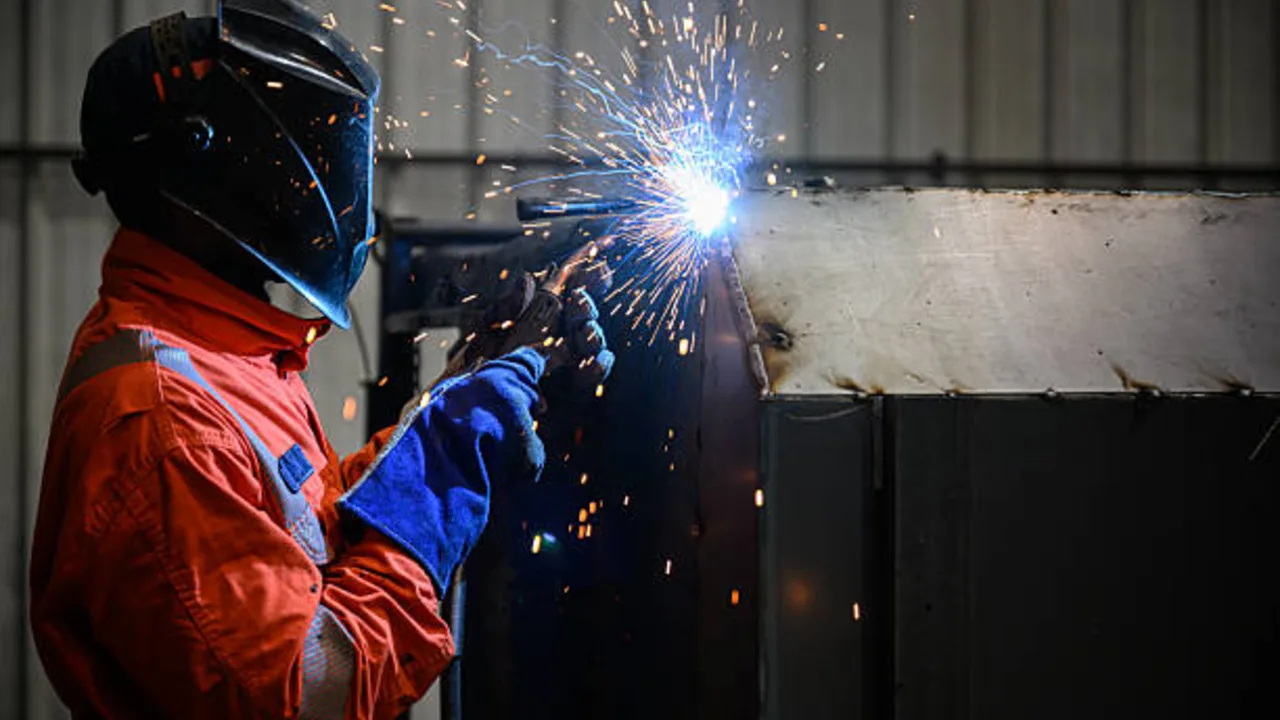
By reducing defects and rework, welding procedure qualification steel plays a direct role in controlling overall project costs. Welding defects such as cracks, lack of fusion, or porosity are not only expensive to repair but can also disrupt downstream activities such as assembly, coating, and installation.
When procedures are properly qualified through validated WPS and PQR, the likelihood of these defects is significantly reduced. This minimizes the need for repair welding, additional inspections, and material replacement. More importantly, it eliminates hidden costs associated with delays, labor inefficiencies, and equipment downtime.
Early validation also allows fabrication teams to optimize welding parameters before production begins. This leads to more efficient use of consumables, better energy utilization, and reduced waste. Over large-scale projects, these incremental savings translate into substantial cost advantages.
Schedule Reliability
Project timelines in steel fabrication are highly sensitive to disruptions in welding operations. Unqualified or inconsistent welding procedures often lead to repeated testing, repair cycles, and unexpected quality issues that delay progress.
With welding procedure qualification steel in place, fabrication processes become more predictable and stable. Welders follow standardized WPS guidelines, and quality control teams rely on proven PQR data, reducing uncertainty at every stage of production.
This level of control improves coordination between fabrication and construction teams. Components can be delivered on time and in the correct sequence, allowing installation to proceed without interruption. As a result, project managers gain greater confidence in schedule planning and can better manage critical milestones.
In complex projects involving multiple fabrication zones or international logistics, this reliability becomes even more valuable, as delays in one area can have cascading effects across the entire project.
Long-Term Structural Performance
The long-term performance of a steel structure is heavily influenced by the quality of its welded joints. Poorly executed welds can introduce residual stresses, microstructural weaknesses, and hidden defects that may not be immediately visible but can lead to failure over time.
Through welding procedure qualification steel, weld quality is validated under controlled conditions, ensuring that joints meet required mechanical properties such as strength, ductility, and toughness. This results in structures that are more resilient to operational loads, environmental exposure, and fatigue conditions.
In industries such as energy, infrastructure, and heavy manufacturing, where structures are subjected to continuous stress and harsh environments, the importance of qualified welding procedures cannot be overstated. Reliable welds reduce the need for frequent inspections, repairs, and maintenance interventions.Ultimately, investing in proper welding qualification enhances structural durability, extends service life, and improves the overall return on investment for steel fabrication projects.
Conclusion
Welding procedure qualification is not just a technical requirement—it is a strategic necessity in modern steel fabrication. By validating procedures through WPS and PQR, fabrication teams can ensure consistent quality, reduce risks, and deliver high-performance structures.
A well-executed welding procedure qualification steel process strengthens every stage of fabrication, from initial planning to final installation. In an industry where precision and reliability are critical, investing in proper welding qualification ultimately leads to better outcomes, safer structures, and more efficient project execution.