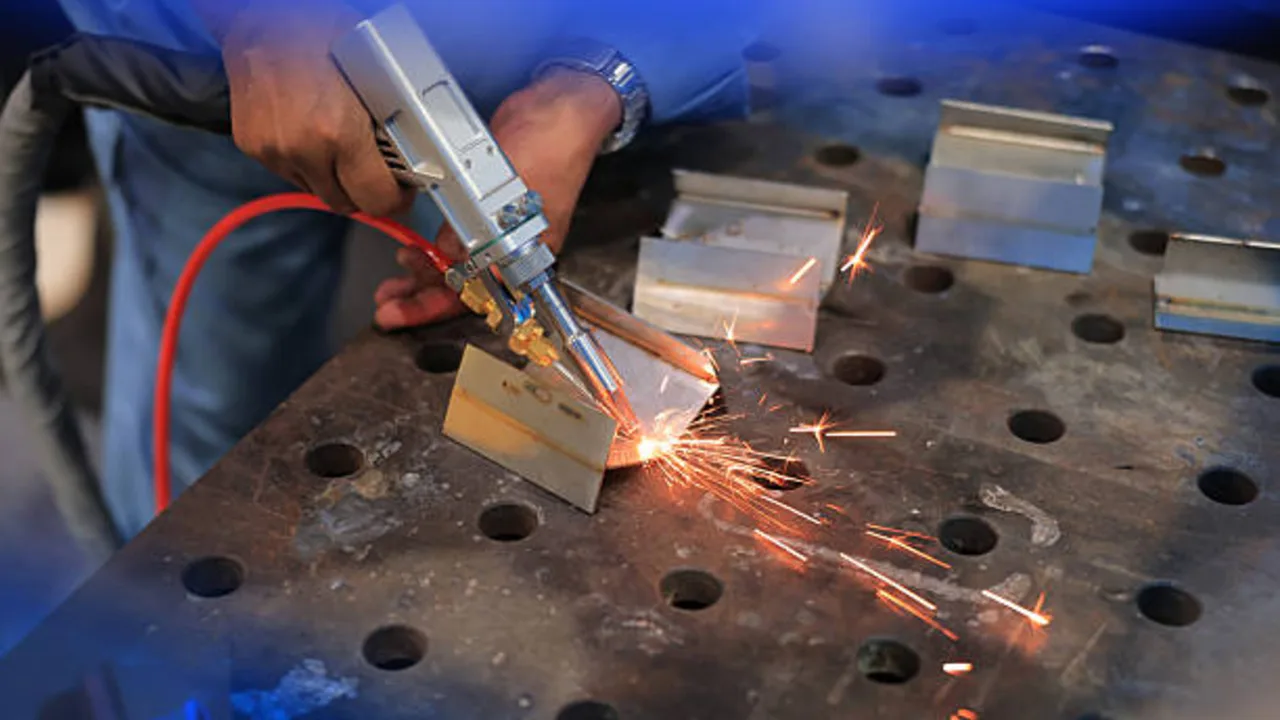
In large-scale steel fabrication, welding is one of the most critical processes that directly affects structural integrity and dimensional accuracy. However, welding inevitably introduces thermal stresses that lead to shrinkage and distortion. Without proper welding shrinkage control steel strategies, these effects can compromise alignment, increase rework, and delay project timelines. For large steel members such as beams, columns, and trusses, controlling shrinkage is not just a technical requirement—it is a fundamental part of ensuring successful fabrication and installation.
Welding shrinkage occurs when heated metal expands and then contracts during cooling. This contraction creates internal stresses that can alter the geometry of steel components. In small components, these changes may be negligible, but in large steel members, even minor shrinkage can lead to significant deformation.
The importance of welding shrinkage control steel becomes more evident in industrial projects where tolerances are tight and structural performance depends on precise alignment. Fabricators must anticipate and manage these thermal effects throughout the welding process to maintain quality and consistency.
Understanding the Causes of Welding Shrinkage
Thermal Expansion and Contraction
During welding, localized heat causes steel to expand. As the weld cools, the material contracts, pulling surrounding metal inward. This cycle of expansion and contraction generates residual stresses that can distort the shape of the component. The magnitude of shrinkage depends on factors such as heat input, material properties, and welding technique.
Welding Sequence and Heat Distribution
Uneven heat distribution is a primary cause of distortion in welded structures. If welding is performed in an unbalanced sequence, certain areas may experience greater thermal stress than others. This leads to uneven shrinkage and can result in twisting, bending, or misalignment in large members.
Proper sequencing is essential for effective welding shrinkage control steel, as it ensures that heat is distributed evenly across the structure.
Material Thickness and Structural Geometry
Thicker steel plates require more heat to weld, which increases the potential for shrinkage. Additionally, complex geometries with multiple joints and connections can amplify distortion effects. Large steel members with varying cross-sections are particularly susceptible to uneven shrinkage and deformation.
Types of Welding Shrinkage and Deformation
Longitudinal Shrinkage
Longitudinal shrinkage occurs along the length of the weld. This type of contraction can shorten beams or columns and affect their alignment during assembly. In large steel structures, cumulative longitudinal shrinkage can lead to significant dimensional discrepancies.
Transverse Shrinkage
Transverse shrinkage occurs perpendicular to the weld direction. This type of distortion affects joint fit-up and can cause gaps or misalignment between connected components. Accurate control is necessary to ensure proper assembly and load transfer.
Angular Distortion
Angular distortion results from uneven shrinkage across the thickness of a weld joint. One side of the joint may contract more than the other, causing the component to bend or rotate. This is a common issue in plate welding and requires careful control measures.
Bowing and Buckling in Large Members
In large steel members, welding shrinkage can lead to bowing or buckling, especially when long spans are involved. These deformations not only affect aesthetics but also compromise structural performance and complicate installation.
Why Welding Shrinkage Control Steel Matters in Large Projects
Structural Accuracy and Tolerance Requirements
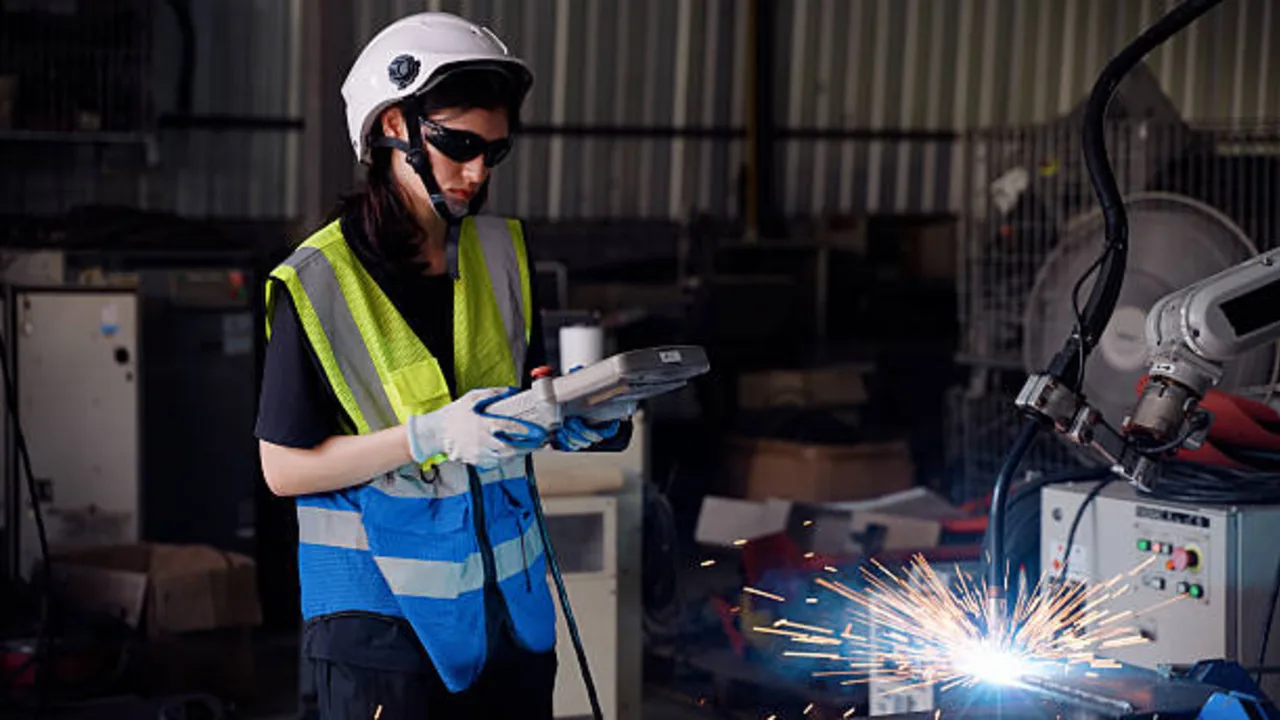
Industrial steel structures must meet strict tolerance requirements to ensure proper fit-up and performance. Even minor deviations can disrupt alignment and create challenges during assembly. Effective welding shrinkage control steel helps maintain dimensional accuracy throughout fabrication.
Cost Implications of Rework and Corrections
Correcting distortion after welding is both time-consuming and expensive. Rework may involve cutting, re-welding, or mechanical straightening, all of which increase labor costs and extend project schedules. Preventive control measures are far more efficient than corrective actions.
Installation and Fit-Up Challenges On-Site
Distorted components can create significant challenges during on-site installation. Misaligned connections, uneven surfaces, and incorrect dimensions complicate the erection process. In projects involving heavy steel structure fabrication, these issues can have a cascading effect on the entire construction workflow.
Techniques for Welding Shrinkage Control Steel
Proper Welding Sequence Planning
Planning the welding sequence is one of the most effective ways to control shrinkage. By welding in a balanced and symmetrical pattern, fabricators can distribute heat evenly and minimize distortion. This approach is especially important in large steel members with multiple weld joints.
Heat Input Control and Optimization
Controlling heat input is essential for reducing thermal stress. Welding parameters such as current, voltage, and travel speed must be carefully adjusted to achieve the desired penetration while minimizing excessive heat. Lower heat input reduces the risk of deformation and improves overall weld quality.
Preheating and Controlled Cooling
Preheating steel before welding can help reduce temperature gradients and minimize shrinkage stress. Similarly, controlled cooling prevents rapid contraction that can lead to cracking or distortion. These techniques are commonly used in heavy fabrication projects.
Use of Restraints and Fixtures
Mechanical restraints and fixtures are used to hold components in position during welding. These tools prevent movement caused by shrinkage forces and help maintain alignment. Proper fixture design is critical for effective welding shrinkage control steel.
Advanced Methods to Reduce Deformation in Large Steel Members
Back-Step Welding Technique
The back-step welding technique involves welding in the opposite direction of the overall progression. This method helps counteract shrinkage forces and reduces distortion. It is particularly useful in long weld seams where cumulative shrinkage can be significant.
Skip Welding and Intermittent Welding
Skip welding distributes heat more evenly by alternating weld locations along the joint. This prevents excessive heat buildup in a single area and reduces the risk of distortion. Intermittent welding can also be used where continuous welds are not structurally necessary.
Post-Weld Heat Treatment (PWHT)
Post-weld heat treatment relieves residual stresses by heating the welded component to a controlled temperature and allowing it to cool gradually. This process improves structural stability and reduces the likelihood of long-term deformation.
Monitoring and Measuring Deformation During Fabrication
Laser Measurement and Alignment Tools
Modern fabrication facilities use laser measurement systems to monitor alignment and detect distortion in real time. These tools provide high accuracy and allow for immediate corrective action when deviations are identified.
Visual Inspection and Quality Checks
Regular visual inspections are essential for identifying early signs of distortion. Quality control teams monitor welds, alignment, and dimensions to ensure compliance with project specifications.
Digital Simulation and Predictive Analysis
Advanced software tools can simulate welding processes and predict potential shrinkage and deformation. These simulations help engineers optimize welding procedures and improve planning for large steel members.
Common Challenges in Controlling Welding Shrinkage
Large Member Size and Weight
Large steel members present unique challenges in welding due to their size and weight. Moving and positioning heavy components require specialized equipment and careful planning. Once distortion occurs, correcting it becomes significantly more difficult compared to smaller components. This makes proactive welding shrinkage control steel strategies essential in heavy fabrication environments.
The scale of these members also increases the cumulative effect of shrinkage. Even minor deformation at individual weld points can combine to create significant misalignment across the entire structure.
Complex Joint Configurations
Modern steel structures often involve complex joint configurations with multiple weld passes. These joints require precise coordination and consistent heat input to avoid uneven shrinkage. Multi-pass welding can accumulate heat in localized areas, increasing the risk of distortion.
To address this, fabricators must carefully plan welding sequences and use techniques that distribute heat evenly, ensuring effective welding shrinkage control steel throughout the process.
Coordination Between Design and Fabrication Teams
One of the most overlooked challenges is the gap between design assumptions and fabrication realities. Engineers may design components with ideal conditions in mind, while fabricators must deal with practical constraints such as heat input, material behavior, and welding access.
Close coordination between design and fabrication teams is critical to managing deformation. Clear communication ensures that welding procedures are aligned with design intent and that potential distortion is considered early in the project.
Best Practices for Welding Shrinkage Control Steel
Standardized Welding Procedures
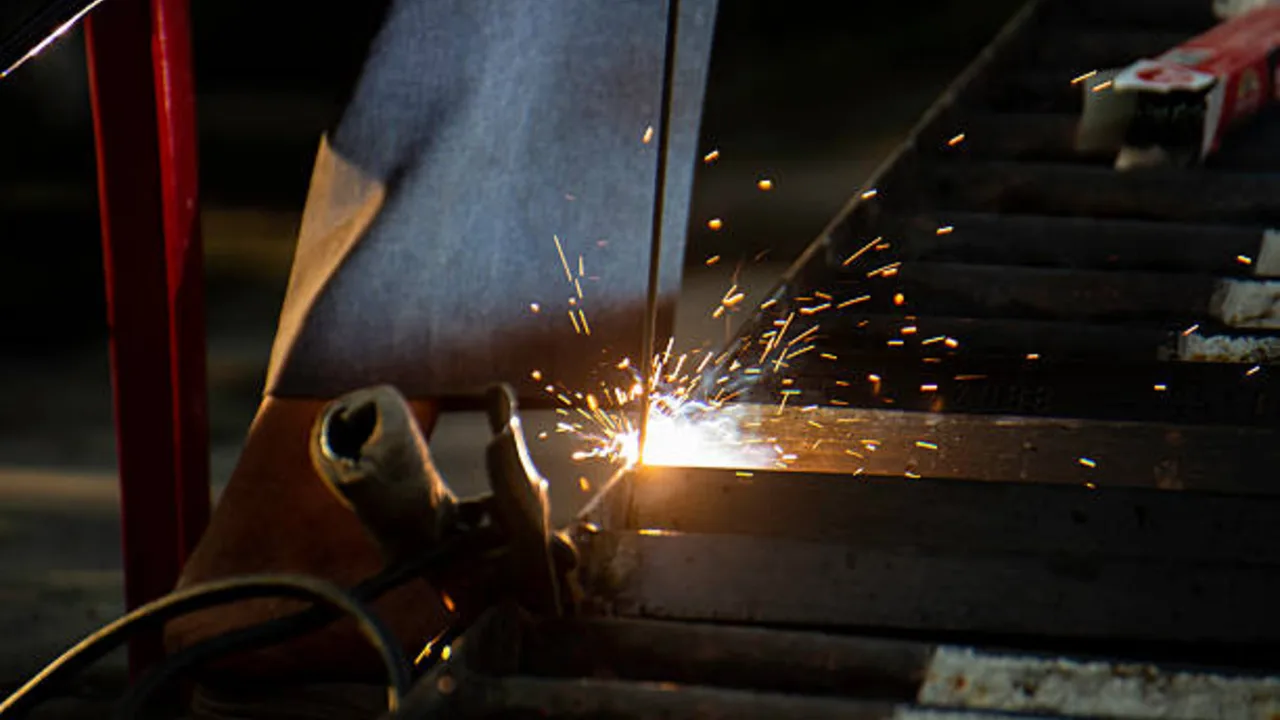
Implementing standardized welding procedures, often defined in Welding Procedure Specifications (WPS), ensures consistency across all fabrication activities. These procedures specify parameters such as heat input, welding sequence, and material preparation, providing a structured approach to welding shrinkage control steel.
Consistency in execution reduces variability and helps maintain quality throughout the fabrication process.
Skilled Workforce and Supervision
Experienced welders and supervisors play a crucial role in managing shrinkage and distortion. Their expertise allows them to adjust techniques in real time and respond to unexpected challenges during welding operations.
Investing in training and skill development ensures that teams are capable of implementing effective control measures and maintaining high standards of workmanship.
Continuous Quality Monitoring
Quality control should be integrated into every stage of fabrication, from initial welding to final inspection. Continuous monitoring allows teams to identify issues early and implement corrective actions before they escalate.
A proactive approach to quality management supports better welding shrinkage control steel and improves overall project outcomes.
Conclusion: Achieving Precision Through Welding Shrinkage Control
Controlling welding shrinkage is essential for achieving precision and reliability in large steel fabrication projects. By understanding the causes of shrinkage, applying effective control techniques, and leveraging advanced technologies, fabricators can minimize distortion and ensure structural integrity.
The importance of welding shrinkage control steel extends beyond fabrication—it directly impacts installation efficiency, project timelines, and long-term performance. For companies involved in heavy steel structure fabrication, adopting a systematic approach to shrinkage control is key to delivering high-quality results and maintaining a competitive edge in the industry.