The global steel manufacturing industry is undergoing a structural transformation. Rising labor costs, tighter delivery timelines, and increasing quality demands are pushing manufacturers toward automation-driven production models. At the center of this shift lies automated steel factory design—a strategic approach that aligns building structure, production flow, and digital systems into a single, future-ready industrial environment.
Unlike traditional factories that were designed primarily to house machines and workers, modern steel factories must support robotics, intelligent material handling, real-time data exchange, and continuous process optimization. Automation is no longer an isolated upgrade added after construction; it must be embedded into the factory layout, structural system, and infrastructure from the earliest design stage. This is why factory design decisions made today will directly determine a steel manufacturer’s competitiveness over the next 20 to 30 years.
This article explores how automated steel factory design enables long-term automation, scalability, and operational efficiency. From structural planning and layout logic to robotics integration and smart factory infrastructure, we examine the key principles that define automation-ready steel factories.
What Is Automated Steel Factory Design?
Automated steel factory design refers to an integrated planning approach where the physical building, production equipment, automation systems, and digital controls are engineered as a unified system. Rather than treating the factory as a static shell, this approach views the building as an active enabler of automated production.
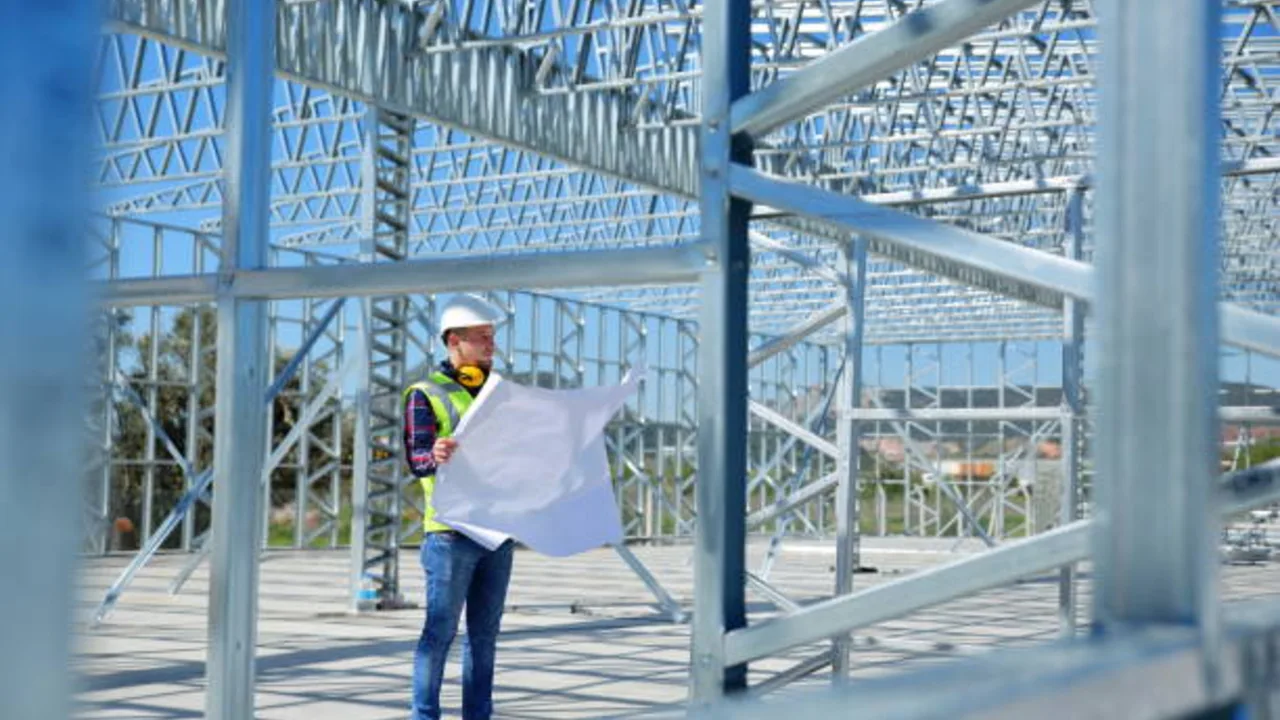
In an automated steel factory, the structure must support robotic welding lines, CNC cutting systems, automated bending cells, overhead cranes, AGV or AMR material transport, and centralized control systems. This requires careful coordination between structural engineers, automation specialists, and production planners long before construction begins.
The key distinction between conventional factory design and automated steel factory design lies in intent. Traditional factories focus on immediate capacity and cost minimization. Automation-ready factories prioritize long-term adaptability, allowing new robotics, software upgrades, and production reconfiguration without major structural modification.
Why Future Automation Starts With Factory Design
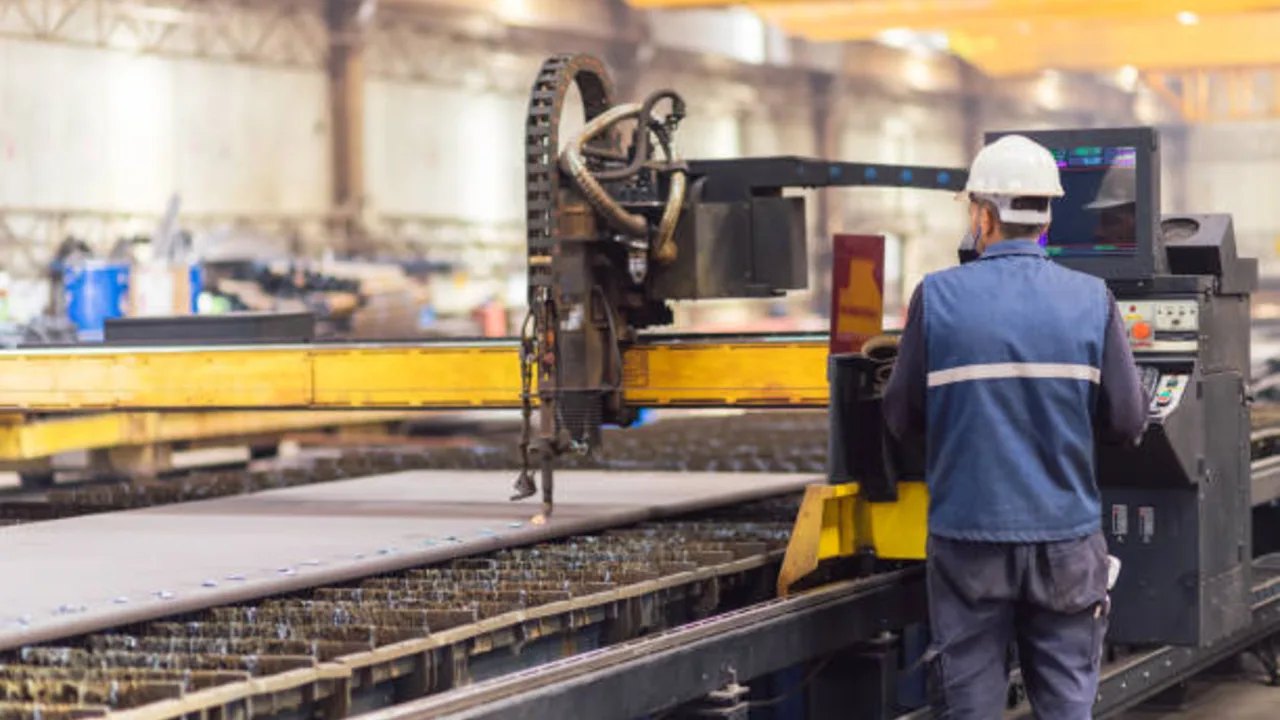
Many manufacturers attempt to introduce automation into existing plants, only to encounter severe limitations. Low ceiling heights restrict robotic reach. Column grids interrupt automated flow. Floor slabs fail to support heavy, vibration-sensitive equipment. These challenges highlight a critical reality: automation success is largely determined by factory design, not just machine selection.
Structural Design as the Backbone of Automation
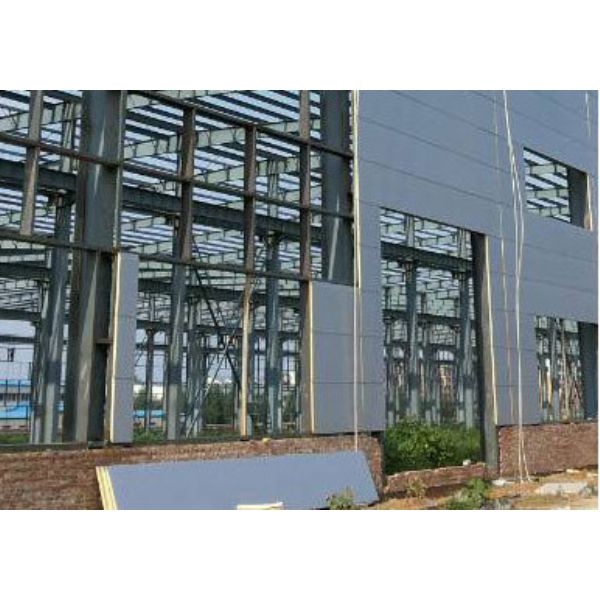
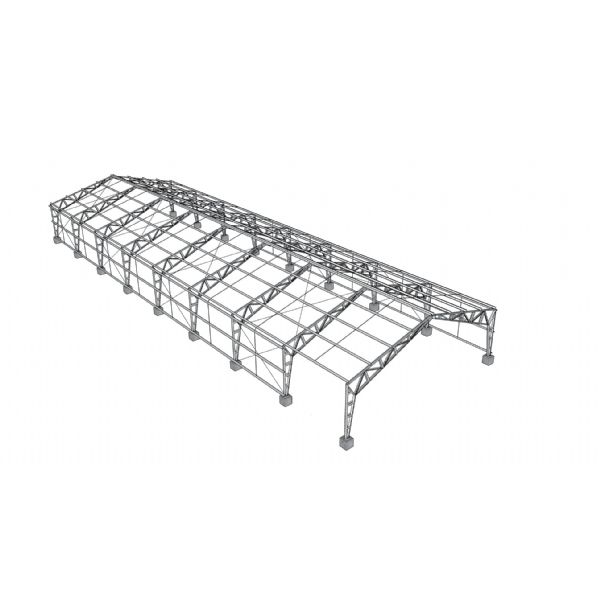
The structural system of a steel factory directly affects how automation can be deployed. Wide clear-span spaces allow uninterrupted robotic production lines and flexible equipment positioning. Regular column grids simplify conveyor routing and AGV navigation. High load-bearing capacity ensures the safe installation of automated machinery and overhead handling systems.
In automated steel factory design, steel structures are especially advantageous due to their strength-to-weight ratio and modular nature. Structural steel frames can achieve long spans, support heavy dynamic loads, and be modified or extended with minimal disruption—critical qualities in automation-driven environments.
Designing for Flexibility and Upgrade Cycles
Automation technology evolves rapidly. Robotics, sensors, and control software introduced today may be replaced or upgraded within five to ten years. A factory that cannot adapt to these changes risks becoming obsolete long before the end of its physical lifespan.
Automation-ready factory design anticipates this reality by incorporating expansion joints, reserved equipment zones, adaptable service corridors, and scalable power and data infrastructure. This forward-thinking approach reduces future capital expenditure and prevents costly production shutdowns during upgrades.
Key Principles in Automated Steel Factory Design
Successful automated steel factory design follows a set of core principles that align structural engineering with automation requirements. These principles ensure that the factory supports both current production needs and future technological advancement.
Clear Span and Open Production Layout
Clear-span structures are fundamental to automation. By eliminating internal columns, factories gain uninterrupted production areas where robotic cells, conveyors, and automated handling systems can be arranged freely. This openness simplifies production line reconfiguration and allows equipment to be repositioned as processes evolve.
Open layouts also improve visibility and control. Supervisors can oversee multiple automated zones from centralized control rooms, while maintenance teams gain easier access to equipment. In highly automated steel factories, spatial efficiency directly translates into higher throughput and lower operational friction.
Floor Load Capacity and Precision Requirements
Automated steel production relies on heavy and highly precise equipment. CNC cutting machines, robotic welding cells, and automated presses impose significant static and dynamic loads on factory floors. Inadequate slab design can lead to vibration issues, alignment errors, and premature equipment wear.
As part of automated steel factory design, floor systems must be engineered for high load capacity, minimal deflection, and long-term stability. Flatness tolerances are particularly important for robotic accuracy and automated material transport systems.
Vertical Space Planning
Automation is not limited to the factory floor. Many steel factories utilize vertical space for overhead cranes, robotic gantries, cable trays, ventilation systems, and automated storage solutions. Insufficient building height can severely restrict automation potential.
Proper vertical planning ensures adequate clearance for robotic movement, crane operation, and future system upgrades. High-bay steel structures allow manufacturers to integrate automation above and below production lines, maximizing space utilization and operational efficiency.
The Role of Robotics in Modern Steel Factories
Robotics has become a defining element of modern steel manufacturing. Robotic welding, cutting, and handling systems deliver consistent quality, higher productivity, and improved workplace safety. However, their effectiveness depends heavily on the surrounding factory environment.
In automated steel factory design, robotics influence layout geometry, power distribution, safety zoning, and workflow sequencing. Robotic cells require clear access paths, defined safety buffers, and precise alignment with upstream and downstream processes.
Human–robot collaboration is also becoming more common. Collaborative robots, or cobots, operate alongside workers in shared spaces, performing repetitive or hazardous tasks while humans handle supervision and decision-making. Designing factories that safely support this interaction requires careful spatial planning and compliance with industrial safety standards.
Ultimately, robotics should not be treated as isolated machines. They are integral components of a larger automated ecosystem, and factory design must enable their full potential.
Smart Factory Infrastructure Requirements
As automation advances, steel factories are evolving into fully connected production ecosystems. A smart factory relies on seamless communication between machines, software platforms, and operators. For this reason, automated steel factory design must incorporate digital infrastructure as a core design element rather than an afterthought.
Digital Connectivity and Data Flow
Modern automated steel factories depend on real-time data to optimize production. Sensors embedded in machinery collect information on temperature, vibration, cycle time, and energy consumption. This data is transmitted to centralized systems that monitor performance, predict maintenance needs, and adjust production parameters automatically.
From a design perspective, factories must include dedicated pathways for data cabling, server rooms, and control centers. Wireless systems may supplement connectivity, but hardwired infrastructure remains critical for reliability in industrial environments.
Power Distribution and System Redundancy
Automation significantly increases power demand. Robotic welding lines, CNC machinery, and automated material handling systems require stable, high-capacity electrical supply. Poorly planned power layouts can limit automation potential or cause costly production interruptions.
In automated steel factory design, electrical systems are engineered with redundancy, load balancing, and future expansion in mind. This ensures that new equipment can be added without rewiring major portions of the facility.
Environmental Control for Automation Stability
Automation equipment performs best in controlled environments. Temperature fluctuations, excessive dust, and humidity can reduce accuracy and shorten equipment lifespan. As a result, factory design must integrate ventilation, filtration, and climate control systems suited to automated production.
Well-designed environmental systems support consistent robotic performance while improving working conditions for human operators.
Why Steel Structures Are Ideal for Automated Factories
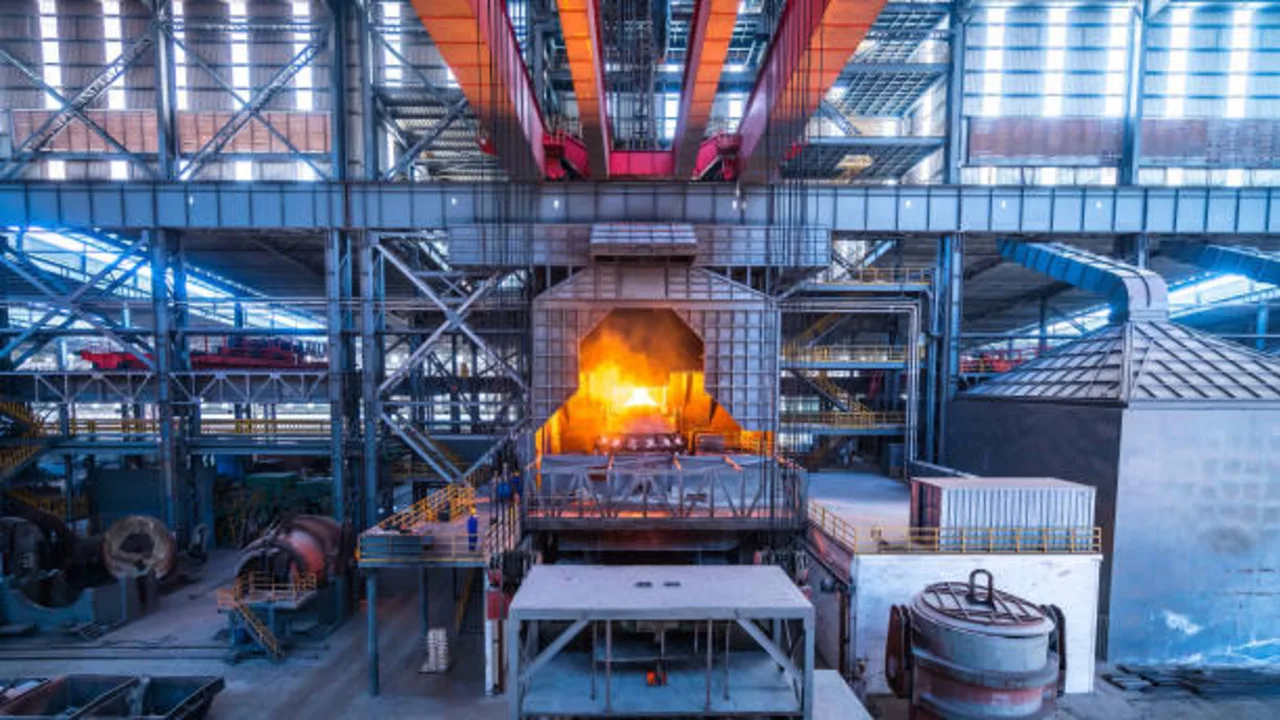
The choice of structural system plays a decisive role in automation readiness. Steel structures offer unique advantages that align naturally with the requirements of automated steel factory design.
Steel frames provide long clear spans, high load-bearing capacity, and dimensional precision. These characteristics support large robotic cells, overhead cranes, and automated storage systems without compromising flexibility.
In addition, steel structures allow faster construction and easier modification compared to concrete buildings. As automation technology evolves, factories built with steel can be expanded, reinforced, or reconfigured with minimal disruption to ongoing production.
Many manufacturers sourcing from a china steel structure factory building solution benefit from standardized components, precise fabrication, and scalable designs that align with long-term automation strategies.
Layout Zoning for Automated Steel Production
Effective zoning is essential in automation-ready factories. Clear separation of functional areas reduces interference between processes and improves overall efficiency.
Raw Material Intake and Storage
Automation often begins at the material intake stage. Automated storage systems, smart racking, and conveyor-fed loading zones reduce manual handling and improve inventory accuracy. Factory layouts must allow smooth transitions from unloading areas to production lines.
Processing and Fabrication Zones
This is the core of automated steel production. Robotic cutting, welding, and forming cells operate in carefully planned sequences. Clear spacing, safety buffers, and maintenance access routes are critical to uninterrupted operation.
Assembly, Finishing, and Dispatch
Downstream zones often include automated inspection, surface treatment, and packaging systems. Integration with smart warehousing and logistics platforms enables faster order fulfillment and reduced handling errors.
Human–Automation Interaction in Factory Design
Despite increasing automation, human involvement remains essential. Operators supervise systems, perform maintenance, and manage exceptions. A well-executed automated steel factory design balances automation efficiency with human safety and usability.
Design considerations include clear safety corridors, visual access to robotic cells, centralized control rooms, and ergonomic maintenance platforms. These elements reduce risk while improving operational transparency.
Cost Considerations in Automated Steel Factory Design
Automation-ready factories typically involve higher upfront investment than conventional plants. However, long-term financial performance often justifies this cost.
Initial Investment vs Long-Term ROI
While structural reinforcement, digital infrastructure, and automation systems increase initial capital expenditure, they also deliver higher productivity, lower labor dependency, and consistent quality over time.
Structural Decisions That Reduce Automation Costs
Factories designed for automation from the outset avoid expensive retrofits. Adequate ceiling height, floor capacity, and service corridors eliminate the need for disruptive upgrades later.
The Hidden Cost of Poor Factory Design
Inadequate layouts, limited expandability, and insufficient infrastructure can severely restrict automation potential. These limitations often result in production bottlenecks, downtime, and premature obsolescence.
Industry Direction and Future Trends
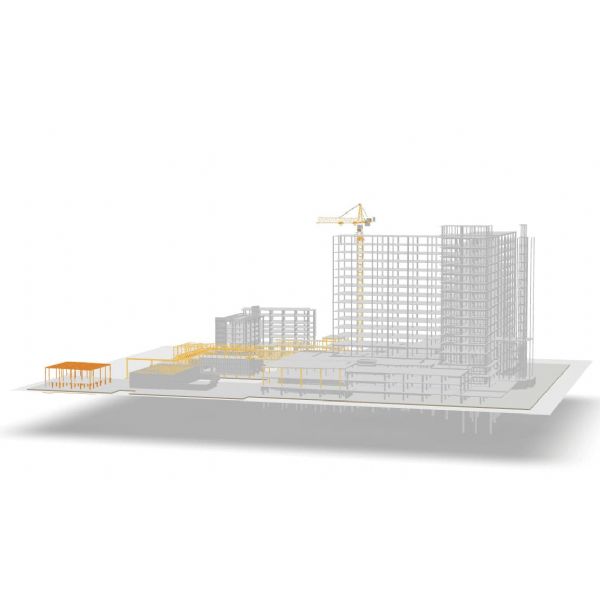
The future of steel manufacturing is increasingly digital and automated. Artificial intelligence, predictive maintenance, and digital twin technology are becoming standard features in advanced facilities.
Industry analysis shows that manufacturers who invest early in automation-ready infrastructure gain a significant competitive advantage. According to insights on the future of metal fabrication services, factories that align structural design with automation trends are better positioned to adapt to evolving market demands.
Conclusion: Designing Steel Factories That Stay Competitive
Automated steel factory design is no longer a niche concept—it is a strategic necessity. As robotics, digital systems, and smart factory technologies continue to reshape manufacturing, factory buildings must evolve from passive enclosures into active production assets.
By integrating structural steel systems, flexible layouts, robust digital infrastructure, and future-ready planning, manufacturers can create factories that remain productive, adaptable, and competitive for decades. In an industry defined by precision and efficiency, the right factory design is the foundation of sustainable success.