In these modern days, durability in construction is no longer a luxury—it is a long-term investment in essential operational needs, especially for factories. Modern factories face increasing demands: integrating advanced technologies, implementing eco-friendly practices, and supporting heavy equipment and high loads while maintaining structural integrity. This is why choosing the right structural material needs to go beyond, and more – it needs to consider the performance, longevity, and adaptability.
Among all building materials, steel frame systems stand out for their exceptional durability. They can be the key to a low-maintenance facility that requires minimal repairs and helps prevent frequent downtime. Let’s explore more why the factory steel frame system outperforms any traditional building.
Why Durability Matters in Factory Construction
Durability is a cornerstone of factory construction because industrial facilities are designed to support heavy operations, withstand continuous use, and deliver long-term value. A durable factory structure ensures the safety of workers, minimizing the risks of accidents caused by structural failures or material fatigue. It also contributes to operational efficiency, as a resilient building can support heavy machinery, constant vibration, and extreme environmental conditions without compromising performance.
From a financial perspective, durability directly impacts maintenance and lifecycle costs. A factory constructed with long-lasting materials and robust engineering requires fewer repairs and less frequent renovations, which reduces downtime and maximizes productivity. Beyond cost savings, durability also supports sustainability and environmental responsibility. By reducing the need for premature replacements and excessive resource consumption, durable buildings lower their environmental footprint and promote greener industrial practices.
1. Safety and Structural Integrity:
- Protection of Personnel and Equipment: Factories are designed to house heavy machinery, complex processes, and a significant number of employees; and a durable construction is a necessity, especially to withstand the stress of the operations, including vibrations, heavy loads, and extreme impacts. Structural failure caused by inadequate durability can lead to catastrophic accidents, injuries, and fatalities.
- Compliance with Regulations: Building codes and safety regulations are mandatory for industrial facilities. Durable construction, like a factory steel frame system, ensures the factory meets these standards and prevents any legal issues or potential shutdowns.
- Resistance to Hazards: Durable factories are well prepared to face extreme environments like extreme weather, fire, and/or any internal incidents. Fire-resistant building, like factory steel systems, is a particularly important consideration to protect the valuable equipment and inventory.
2. Longevity and Reduced Lifecycle Costs:
- Longer Lifespan and Lower Maintenance Costs: Investing in construction quality and materials would extend the lifespan of the factory significantly. With low maintenance cost, increased safety, and longer lifecycle, a durable building, like a factory steel frame system, provides long-term benefits that result in a higher return on investment.
3. Operational Efficiency and Productivity:
- Stable and Improved Environment for Operations: A well-maintained factory provides a reliable, comfortable, and safe working environment. This will lead to improved employee productivity and performance.
- Adaptability and Future-Proofing: Durable factory steel frame system offers great flexibility for potential construction updates like expansion or changes in production lines.
4. Environmental Sustainability:
- Reduced Waste and Efficient Resource Use: Construction with great durability, especially when combined with materials that provide flexibility, reduces the need for demolition or rebuilding. This means the construction consumes fewer materials and has less construction waste, contributing to sustainable and efficient resource management.
To summarise, durability matters in factory construction because it is not just about the strength of the building itself, but it is part of a strategic investment plan, giving great benefits in safety, financial savings, operational continuity, and environmental responsibility.
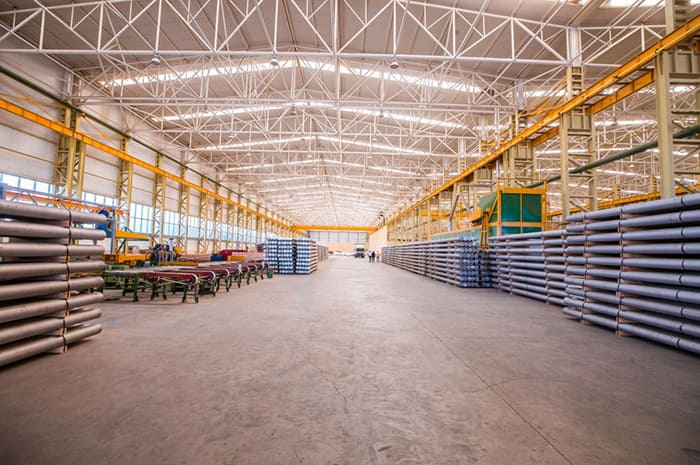
Comparing Steel to Other Structural Materials
After learning the importance of durability, let’s explore the available options, the strengths, and challenges of each material commonly used for designing and constructing a factory.
| Material | Key Strengths | Challenges to Longevity |
| Steel | Protected from rot, pests, and mold.
Highly resistant to vibrations. |
• Requires protective (anti-corrosion) coatings and fireproofing. |
| Concrete | Resistant to fire, rot, and pests. | • Prone to cracking due to shrinkage and temperature changes.
• Internal rebar can be corroded without proper sealing. • Difficult and expensive to modify. |
| Masonry | Good resistance to fire, pests, and rot. | • Less flexible.
• Porous and prone to cracking. |
| Wood | Limited durability for factory use. | • Not resistant to fire, rot, and pests.
• Need constant treatment and maintenance. |
While all materials offer a degree of durability, steel offers more – it delivers consistency, low maintenance, flexibility, and long-term structural stability.
Check out our previous blog: Comprehensive Industrial Factory Solutions with Steel Structures to learn the reasons why more factories are built with steel.
Modern Enhancements to Steel Durability
Despite the advantages, steel may need additional treatments to further enhance its durability. Here are a few extra treatments that are often implemented in a factory steel frame system:
1. Protective Coatings and Surface Treatments
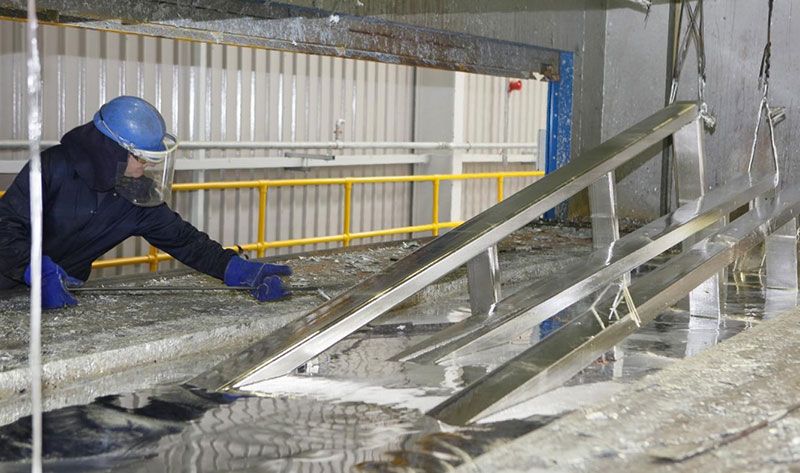
- Galvanization (zinc coating): to prevent corrosion
- Epoxy, polyurethane, and powder coatings: to improve chemical, moisture, and abrasion resistance.
2. Fireproofing Technologies
- Fire-resistant cladding systems: to protect buildings and structures by containing or slowing fire spread.
- Intumescent coatings: fire-resistant paint that expands when exposed to high heat, forming an insulating layer that slows down heat transfer to the steel.
- Cementitious sprays: made from a cement-based mixture that is applied to the steel structure as a buffer during a fire, preventing the steel from reaching critical temperatures that could lead to structural failure.
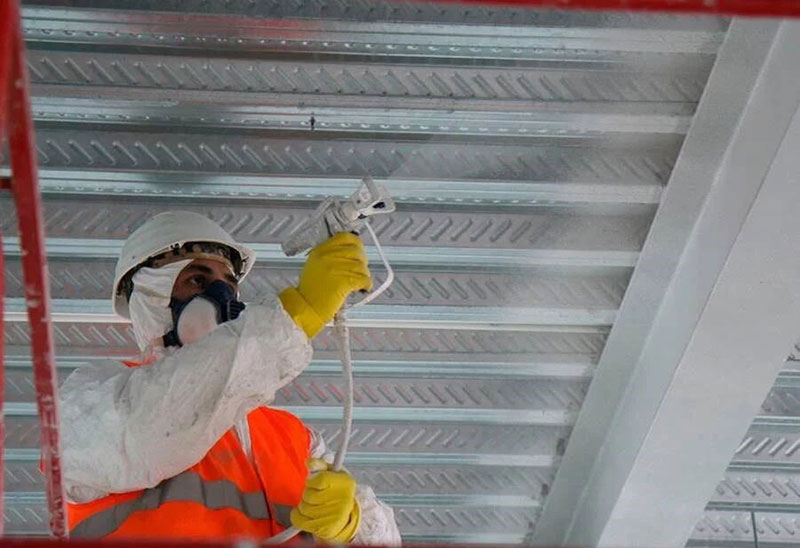
These advanced protective methods significantly extend the lifespan of the steel by minimising the occurrence of rust and surface degradation, while at the same time improving its resistance to fire. By having structural insulation, your facility is safe from extreme heat, preventing it from collapsing during a fire.
Let’s Build Stronger with XTD Steel Structure
At XTD Steel Structure, we understand that the long-term durability of a construction is the real value, not just its cost. Therefore, we always offer more than just the materials. We work closely with you to develop resilient, future-ready factory solutions tailored to your operational needs.
Combining the durable factory steel frame system, modular design, and smart planning, we help you build facilities that will withstand time, wear, and environmental pressure. The result? A factory that’s stronger today and even more reliable tomorrow.
Let’s build for the long run with us! Contact XTD Steel Structure for a free consultation or explore our steel structure projects to view our past work.