In modern industrial construction, building size continues to increase as manufacturing operations demand wider production spaces and larger equipment layouts. Large industrial buildings often extend hundreds of meters in length and width, creating unique structural challenges. One of the most critical design considerations in these large facilities is factory expansion joint placement. Without properly designed joints, structural stress caused by temperature changes, structural movement, and material interaction can accumulate and compromise building performance.
Steel is a material that naturally expands and contracts as temperatures fluctuate. In large industrial buildings, even small temperature changes can generate measurable dimensional movement across long structural spans. If these movements are restrained by a continuous structural system, internal stress can develop within columns, beams, and connections. Over time, these stresses may cause deformation, cracking, or connection fatigue.
This is why engineers carefully evaluate factory expansion joint placement when designing large-scale steel structures. Proper expansion joints allow buildings to safely accommodate thermal movement, maintaining structural integrity while preventing damage to structural elements and building systems.
Why Expansion Joints Are Critical in Steel Factory Buildings
Expansion joints serve as controlled separation points that allow structural segments to move independently. In large industrial facilities, these joints are essential for maintaining long-term stability.
Without properly designed joints, thermal expansion can generate compressive forces along the structural frame. Because steel has a high modulus of elasticity, restrained expansion produces significant internal stress even with small temperature changes. Over time, this can lead to structural distortion or connection damage.
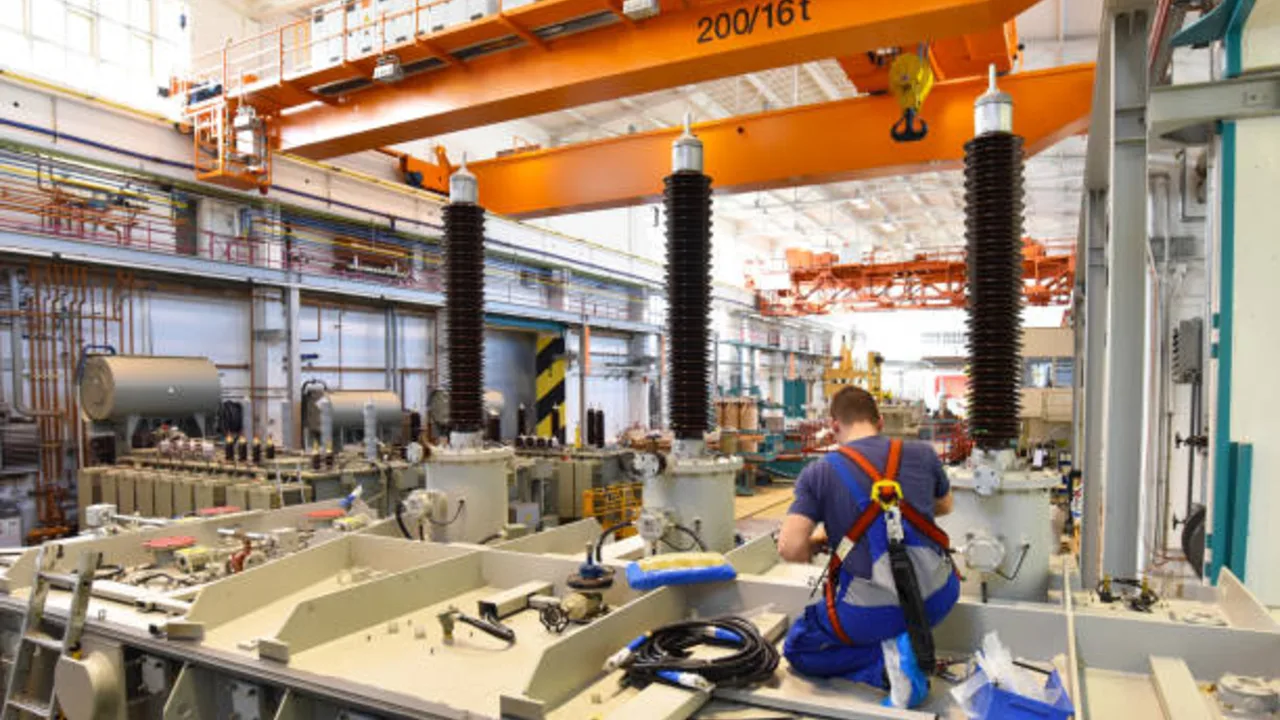
In a typical steel structure factory building, structural frames are designed to support heavy loads, cranes, mechanical equipment, and roof systems. These elements must maintain precise alignment to ensure safe operation. If structural movement occurs without accommodation, it can affect equipment alignment, roof waterproofing systems, and facade integrity.
Proper factory expansion joint placement allows the building to absorb thermal movement while maintaining overall structural reliability.
Understanding Thermal Movement in Steel Structures
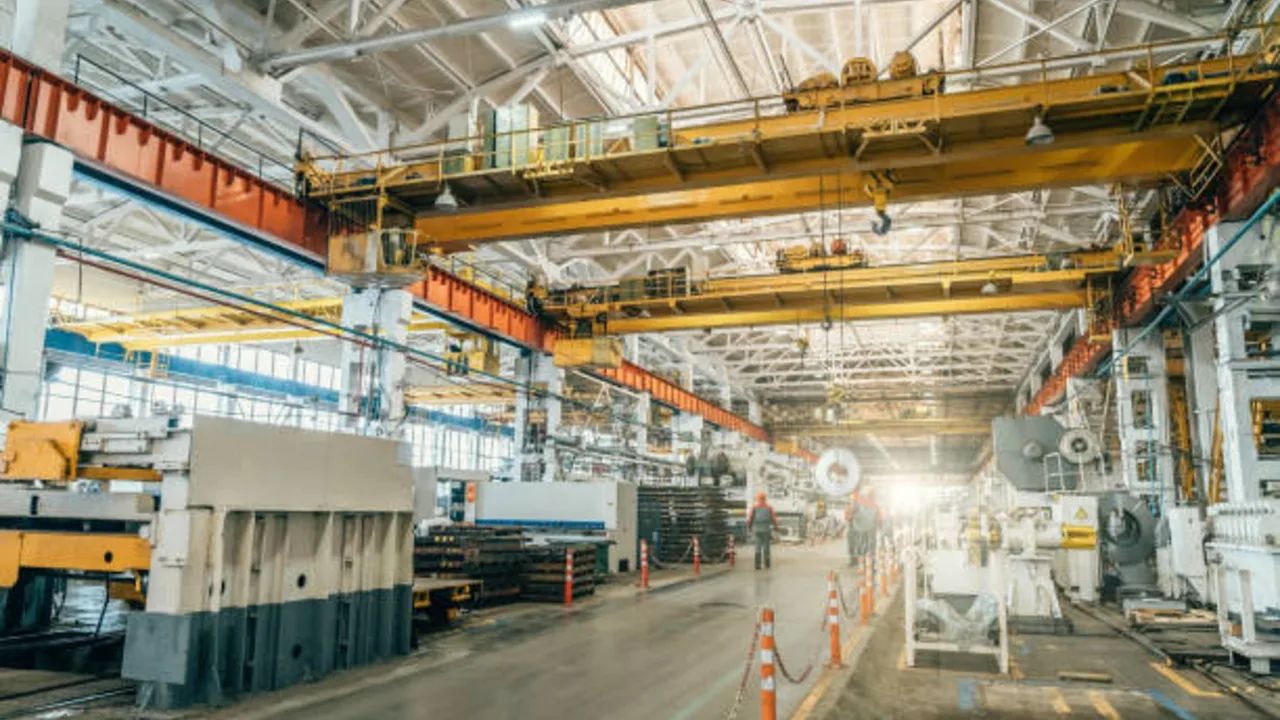
Steel expands when heated and contracts when cooled. Although the dimensional change per meter is relatively small, the effect becomes significant across large factory buildings.
For example, consider a steel building measuring 200 meters in length. A temperature variation of 30°C can generate several centimeters of total structural expansion. If the structure is fully restrained, the resulting force may exceed the design capacity of certain connections.
How Temperature Affects Steel Factory Structures
Industrial buildings experience temperature variations throughout the day and across seasons. Roof surfaces exposed to direct sunlight may reach temperatures far higher than ambient air temperatures, while nighttime cooling can rapidly reduce structural temperature.
This cycle produces repeated expansion and contraction. Over the lifetime of a factory building, these cycles occur thousands of times. Without expansion joints, cumulative stress may affect both primary structural members and secondary systems.
Because of this, engineers must carefully plan factory expansion joint placement in buildings that exceed certain structural lengths.
Thermal Movement in Long Industrial Buildings
Thermal movement depends on several factors:
- Total building length
- Temperature variation range
- Material properties
- Structural restraint conditions
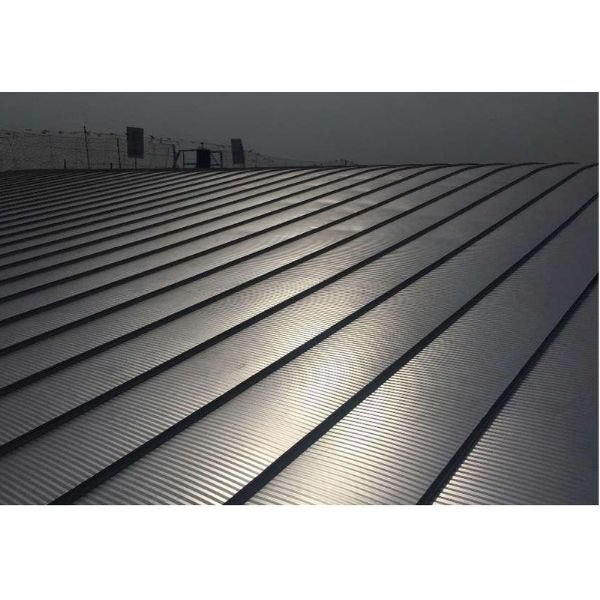
In long-span factory structures, roof systems often experience the largest movement because of direct solar exposure. Steel roof beams, trusses, and purlins expand during daytime heating and contract during cooling periods. When buildings extend beyond recommended structural lengths, expansion joints become necessary to control this movement.
Structural Zones That Require Expansion Joints
Different parts of a factory building may experience different levels of thermal movement. Identifying these zones helps engineers determine effective factory expansion joint placement.
Long Roof Spans
Large industrial factories often feature roof spans exceeding 40–60 meters. Long-span roof structures accumulate expansion along their length. When roof systems extend continuously over long distances, expansion joints help relieve stress between structural segments.
Roof expansion joints must also integrate waterproofing systems to prevent water infiltration while allowing structural movement.
Longitudinal Factory Layouts
Many factories are designed as long rectangular buildings to accommodate production lines. These buildings may extend 150 to 300 meters in length. In such cases, continuous structural frames may become vulnerable to thermal stress.
Strategically placed expansion joints divide the building into smaller structural segments, each capable of moving independently under temperature variation.
Mixed Structural Systems
Steel factories frequently combine steel frames with reinforced concrete foundations and floor slabs. Because concrete and steel expand at slightly different rates, differential movement may occur between these materials.
Proper factory expansion joint placement helps accommodate this difference, reducing stress at structural interfaces.
Engineering Principles Behind Factory Expansion Joint Placement
Determining expansion joint locations requires detailed structural analysis. Engineers consider both thermal movement and structural behavior when planning joint locations.
Maximum Structural Length Without Joints
Most engineering guidelines recommend limiting continuous steel building length before introducing expansion joints. Depending on climate conditions and structural configuration, this length typically ranges between 120 and 180 meters.
Beyond this range, thermal movement becomes large enough that joints should be introduced to relieve stress.
Thermal Movement Calculations
Thermal expansion calculations estimate how much a building may expand under temperature change. The coefficient of thermal expansion for structural steel is approximately 12 × 10⁻⁶ per degree Celsius.
By applying this value to total building length and expected temperature variation, engineers can estimate potential movement and determine whether expansion joints are necessary.
Structural Flexibility vs Structural Continuity
A balance must be achieved between structural continuity and flexibility. Continuous structures provide strength and rigidity, but excessive continuity can restrain thermal movement.
Factory expansion joint placement allows designers to maintain structural stability while still accommodating thermal expansion.
Types of Expansion Joint Systems in Steel Factories
Expansion joints may appear in different parts of a steel factory depending on the structural system and building size.
Roof Expansion Joints
Roof expansion joints allow roofing systems to expand and contract without damaging waterproofing layers. These joints typically include flexible membranes or metal covers designed to accommodate movement.
Structural Frame Expansion Joints
Structural expansion joints separate adjacent frame systems. Columns, beams, and roof members are divided into independent segments so that each section can respond to thermal movement individually.
Floor and Slab Expansion Joints
Concrete floors also require expansion joints in large factories. Because concrete slabs are connected to steel frames, floor joint placement must align with the building’s structural expansion joint system.
Practical Design Strategies for Factory Expansion Joint Placement
Designing expansion joints is not simply a structural calculation. It also requires coordination with architectural layout, mechanical systems, and operational workflow.
Segmenting Large Factory Buildings
Large factories are often divided into structural zones. Each zone functions as a semi-independent structural unit capable of accommodating its own thermal movement.
Proper factory expansion joint placement between these zones reduces stress while maintaining overall structural alignment.
Aligning Joints With Structural Grid
Expansion joints should align with column grid lines whenever possible. This simplifies structural detailing and improves construction efficiency.
Grid alignment also allows building systems such as cranes and conveyors to maintain proper structural support.
Coordinating Joints With Building Systems
Expansion joints must be coordinated with mechanical systems such as piping, ventilation ducts, and cable trays. Flexible connections may be required to allow these systems to accommodate building movement.
In large steel factories, this coordination ensures that thermal movement does not disrupt operational systems.
In Part 2, we will examine fabrication considerations, construction strategies, real project examples, and long-term performance factors that influence effective factory expansion joint placement in large steel factory buildings.
Fabrication and Construction Considerations
Designing expansion joints is only one part of the engineering process. Successful factory expansion joint placement must also consider fabrication practicality and construction sequencing. Steel structures are typically fabricated off-site and assembled rapidly on location, meaning that expansion joints must be precisely detailed to avoid misalignment during erection.
Fabricators must ensure that structural members near expansion joints maintain accurate dimensional tolerances. Even small fabrication errors can create difficulties when assembling separated structural segments. Because expansion joints divide the building into independent sections, each structural frame must align correctly with the adjacent segment while still allowing movement.
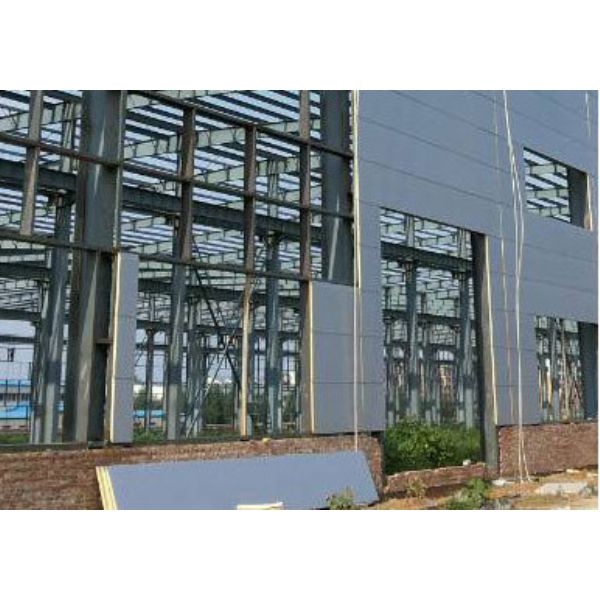
During construction of a large steel structure factory building, erection crews often build structural segments sequentially. Expansion joints provide clear separation points that simplify installation while maintaining structural independence between building zones.
Tolerance Control in Expansion Joint Areas
Tolerance control becomes particularly important around expansion joints. Structural members near these joints must maintain consistent geometry to ensure that joint systems perform correctly.
If column alignment or beam elevations differ significantly between segments, joint covers or flexible sealing systems may not function properly. This can lead to water leakage, excessive joint stress, or movement restrictions.
Engineers therefore specify tight dimensional tolerances for steel components surrounding factory expansion joint placement areas.
Waterproofing and Weather Protection
Expansion joints often occur in roof systems where waterproofing is critical. Roof expansion joints must accommodate thermal movement while preventing water infiltration.
Typical roof joint assemblies include:
- Flexible waterproof membranes
- Metal joint covers
- Compression seals
- Sliding plates
These components allow structural segments to expand and contract while maintaining a continuous protective roof envelope. Proper installation ensures that factory expansion joint placement does not compromise weather resistance.
Installation Sequencing in Steel Factories
Expansion joints also influence construction sequencing. Large factories are often erected in stages, with each structural segment completed before moving to the next.
This staged erection approach aligns naturally with expansion joint placement. By dividing the building into independent structural zones, construction teams can manage logistics more efficiently while maintaining structural accuracy.
Real Project Example: Expansion Joint Strategy in the Guyana Industrial Factory
A practical example of factory expansion joint placement can be seen in the Guyana Industrial Manufacturing Facility, a large steel structure factory building designed to support heavy equipment maintenance and fabrication operations.
The building measures approximately 240 meters in length and includes multiple overhead cranes operating within the same production hall. Because of the building’s large footprint, engineers identified significant thermal movement potential across the roof and structural frame.
Initial structural analysis showed that a fully continuous structural system would generate excessive thermal stress during seasonal temperature fluctuations. Engineers therefore introduced expansion joints at two locations, dividing the building into three structural segments.
Each segment measured roughly 80 meters in length, allowing thermal movement to occur without creating excessive structural force.
The factory expansion joint placement strategy included several design elements:
- Separate structural frames at each joint location
- Flexible roof joint assemblies
- Sliding connection details for secondary members
- Coordinated expansion joints in concrete floor slabs
Finite element modeling confirmed that this approach significantly reduced thermal stress within primary columns and roof beams. After construction was completed, monitoring during operation showed that joint movement remained within predicted ranges, demonstrating the effectiveness of the expansion joint system.
Common Mistakes in Factory Expansion Joint Placement
Despite their importance, expansion joints are sometimes incorrectly designed or placed in industrial buildings. Several common mistakes can compromise the effectiveness of factory expansion joint placement.
Ignoring Temperature Range
One common error is underestimating the range of temperature variation that a building may experience. In certain climates, roof temperatures can exceed ambient air temperature by more than 30°C due to solar radiation.
If thermal movement calculations do not account for these variations, expansion joints may be undersized or incorrectly spaced.
Improper Structural Alignment
Expansion joints must align with the structural grid system. When joints are placed randomly within the building layout, structural load paths may become inefficient.
Aligning factory expansion joint placement with column lines ensures that structural segments remain balanced and stable.
Over-Segmentation of Structural Frames
While expansion joints are necessary in large buildings, excessive segmentation can increase construction complexity. Each joint introduces additional detailing requirements and waterproofing considerations.
Engineers therefore aim to achieve the optimal balance between structural continuity and thermal movement accommodation.
Long-Term Structural Performance and Maintenance
Expansion joints are designed to accommodate movement throughout the life of the building. However, they require periodic inspection to ensure long-term performance.
Maintenance programs should include inspection of joint covers, sealants, and sliding mechanisms. If joint components become damaged or blocked, the building may no longer be able to accommodate thermal movement.
In large factories, regular inspection ensures that factory expansion joint placement continues to function as intended over decades of operation.
Why Proper Factory Expansion Joint Placement Matters
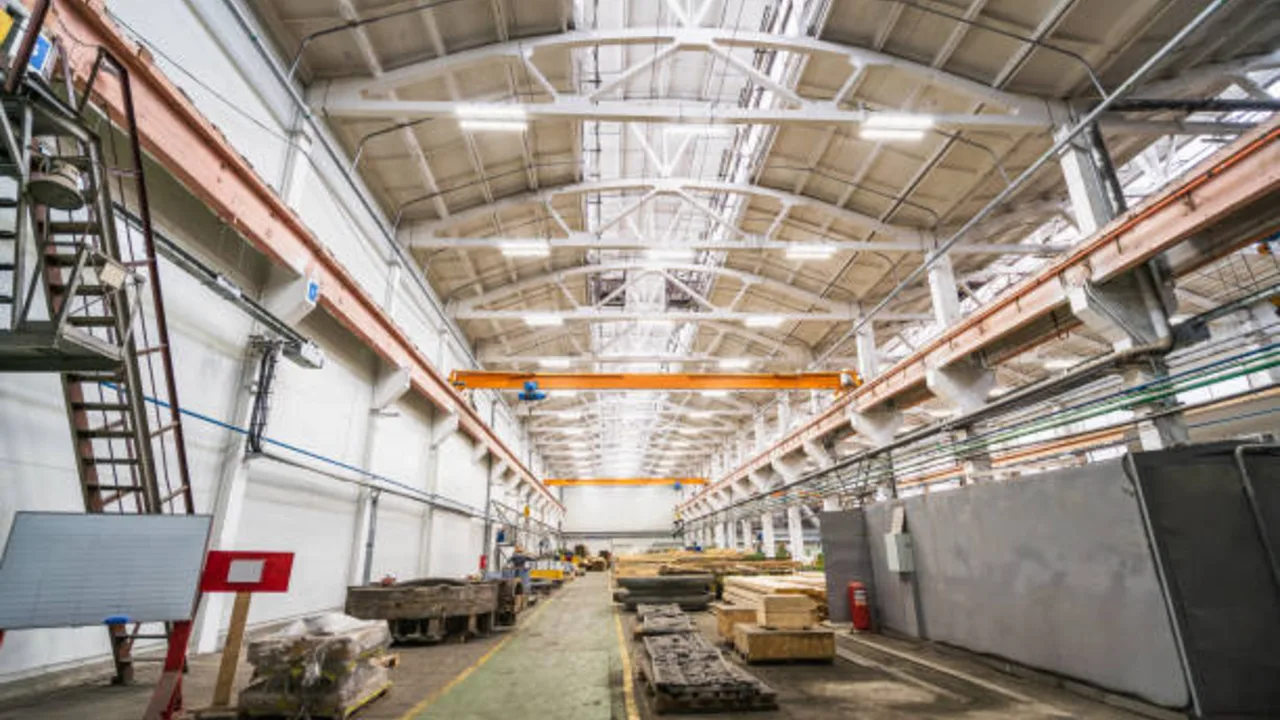
Proper expansion joint design protects the structural integrity of large steel buildings. Without these joints, thermal movement can create internal forces that lead to structural damage or operational disruption.
By incorporating well-engineered expansion joints, designers allow buildings to respond naturally to environmental changes while maintaining structural reliability.
Factory expansion joint placement ultimately contributes to:
- Structural safety
- Long-term durability
- Reduced maintenance costs
- Improved operational stability
These benefits are particularly important in industrial facilities where structural reliability directly affects production continuity.
Conclusion
Large industrial buildings must accommodate structural movement caused by temperature variation, material interaction, and structural geometry. Without proper design, these forces can accumulate and compromise structural performance.
Factory expansion joint placement provides a practical engineering solution that allows buildings to absorb thermal movement while maintaining stability. By carefully analyzing building dimensions, temperature conditions, and structural configuration, engineers can design expansion joints that ensure long-term reliability.
In modern industrial construction, properly designed expansion joints remain an essential component of safe and efficient steel factory buildings.