In modern industrial construction, structural planning must go far beyond simply supporting the weight of a building. Industrial facilities contain diverse machinery, production systems, storage areas, and dynamic operational loads. Because these elements rarely distribute weight evenly across a building, engineers rely on a concept known as factory load zoning to organize and manage structural demands effectively. Proper load zoning ensures that each section of a factory building is designed to support its specific operational requirements without overdesigning the entire structure.
Steel factories are particularly sensitive to load planning because heavy equipment, cranes, and production lines generate both static and dynamic loads. If these loads are not properly organized, structural stress can accumulate in unexpected areas, leading to inefficient material usage or long-term structural fatigue. By applying a well-defined factory load zoning strategy, engineers can assign structural capacity according to the operational function of each area within a factory building.
Another key factor in industrial design is equipment clustering. Production facilities often group machines by workflow, which concentrates structural loads within certain zones. When properly coordinated with factory load zoning principles, equipment clustering allows engineers to reinforce specific structural regions while maintaining lighter structural systems elsewhere. This integrated approach improves both structural performance and operational efficiency in modern steel factory buildings.
Understanding Load Zoning in Industrial Steel Factories
In industrial architecture, factory load zoning refers to the strategic division of a facility into different structural load areas based on equipment weight, operational processes, and workflow layout. Instead of assuming uniform loads across the entire building, engineers categorize zones according to the expected structural demand.
For example, heavy manufacturing equipment such as stamping presses or large CNC machines produces concentrated loads that require stronger structural support. Meanwhile, storage areas or assembly zones typically impose lower structural demands. Through factory load zoning, engineers can assign different structural capacities to these zones without unnecessarily increasing steel consumption across the entire building.
This approach significantly improves design efficiency. By aligning structural design with operational planning, engineers can ensure that the steel frame supports each production area appropriately. In large industrial facilities, such coordination between structure and workflow is essential to maintain long-term building performance.
Load zoning also works closely with equipment clustering. In many factories, machinery performing similar tasks is grouped together to improve workflow efficiency. While this approach benefits production management, it also concentrates loads within specific structural zones. A well-planned factory load zoning strategy anticipates these clusters and provides the structural capacity needed to support them safely.
Why Steel Factory Buildings Require Load Zoning
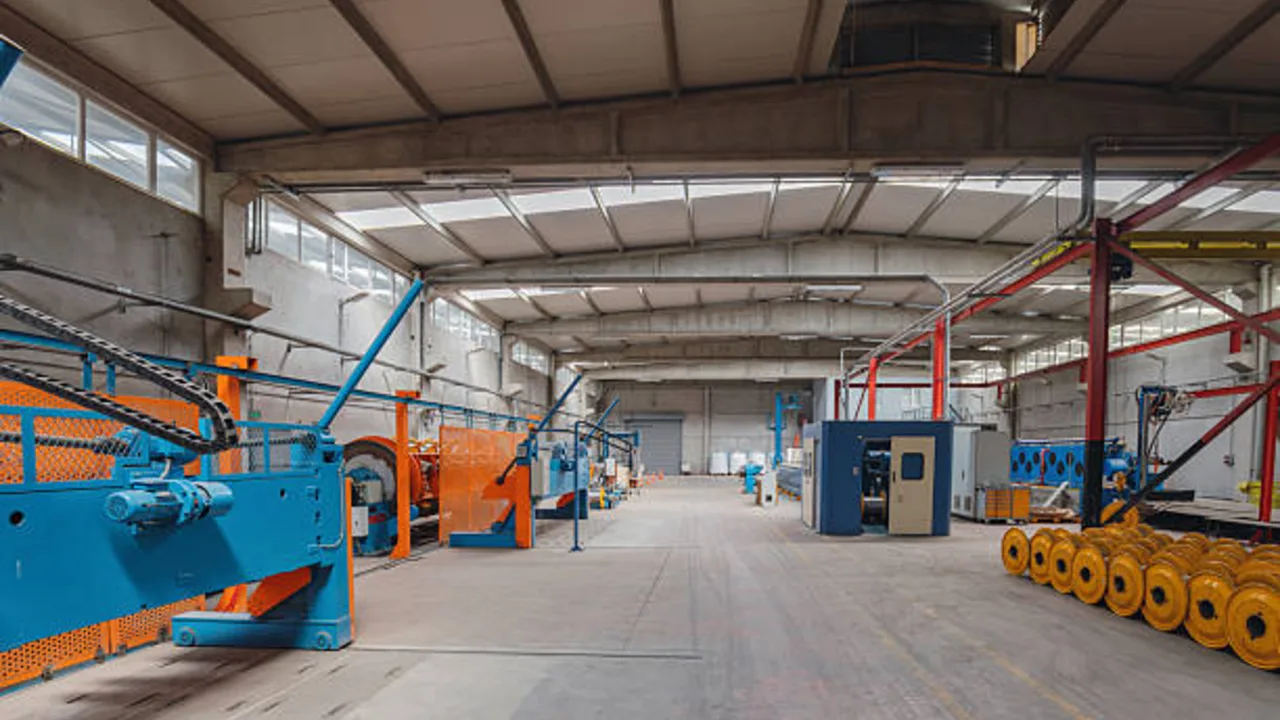
Industrial buildings are far more complex than standard commercial structures. The diversity of equipment, production processes, and material handling systems creates highly uneven structural loading patterns. Without careful planning, these conditions can lead to inefficient design or long-term performance issues.
Uneven Equipment Weight Distribution
One of the main reasons engineers implement factory load zoning is the uneven distribution of industrial equipment. Manufacturing facilities commonly contain machines with dramatically different weights and operational forces.
For example, forging presses, large machining centers, and rolling equipment may weigh several tens of tons each. These machines often operate in clusters, concentrating loads on specific structural areas. When equipment clustering occurs without structural planning, localized overstress may develop in columns, beams, or floor slabs.
Through factory load zoning, engineers identify heavy equipment areas early in the design stage and provide reinforced structural systems only where necessary. This targeted reinforcement improves structural safety while avoiding excessive material consumption across the entire building.
Operational Workflow Layout
Production workflow strongly influences structural loading patterns. Factories typically organize operations into several functional zones such as raw material processing, manufacturing lines, assembly areas, and storage spaces.
Each zone produces different structural demands. Processing equipment may generate concentrated loads, while assembly lines distribute lighter loads over larger areas. By applying factory load zoning, engineers can design structural capacity according to the operational function of each production area.
This coordination between engineering and manufacturing planning ensures that structural performance supports efficient factory operation.
Structural Efficiency in Steel Factory Design
Another advantage of factory load zoning is improved structural efficiency. Without zoning, engineers may design the entire building to withstand the heaviest possible load condition. While this approach simplifies calculations, it leads to unnecessary steel consumption and higher construction costs.
Load zoning allows engineers to strengthen only the areas that require additional capacity. By doing so, the structural frame can remain lighter in zones where heavy machinery is not present. This targeted design strategy is commonly used in modern factory steel structure projects to achieve both safety and cost efficiency.
Major Load Zones in Steel Factory Buildings
Most industrial facilities contain several distinct structural zones. Identifying these zones early in the planning phase allows engineers to apply factory load zoning principles effectively.
Heavy Equipment Zone
Heavy equipment zones contain the most structurally demanding machinery in the facility. These areas may include forging presses, metal forming machines, large CNC equipment, or rolling mills. Such machines generate concentrated loads as well as vibration during operation.
Within these zones, structural members must provide higher load capacity and stiffness. Engineers may increase beam depth, strengthen column sections, or modify connection details to accommodate these loads. Accurate factory load zoning ensures that heavy equipment areas receive sufficient structural reinforcement without affecting other parts of the building.
Production Line Zone
Production line zones generally contain automated equipment, conveyors, and assembly systems. Although the loads here are typically lower than in heavy machinery zones, equipment clustering often concentrates machinery along specific production lines.
In these areas, structural systems must accommodate consistent operational loads while maintaining adequate flexibility for future layout changes. Through careful factory load zoning, engineers ensure that production lines operate safely without imposing excessive structural demands.
Storage and Logistics Zone
Storage zones introduce a different type of loading condition. Instead of concentrated machine loads, these areas experience distributed loads from pallet racks, forklifts, and stored materials. While the load intensity may be moderate, the cumulative weight across large areas can still affect structural design.
Proper factory load zoning ensures that floor systems and supporting frames maintain sufficient capacity for storage operations without unnecessary reinforcement in adjacent zones.
Utility and Mechanical Equipment Zone
Industrial buildings also contain support systems such as compressors, cooling units, and electrical equipment. Although these systems typically generate moderate loads, vibration and maintenance access requirements may influence structural design.
By incorporating these areas into the overall factory load zoning strategy, engineers ensure that structural systems support both operational and maintenance needs efficiently.
Structural Design Implications of Factory Load Zoning
Once load zones are identified, engineers can integrate them into the structural design of the facility. This step determines how the building frame distributes loads and how individual structural components interact under operational conditions.
Column Grid Optimization
The column grid is one of the most important structural parameters in industrial buildings. Through factory load zoning, engineers can adjust column spacing according to load requirements. Heavy equipment zones may require closer column spacing to support higher loads, while lighter areas may use wider grids to maximize open space.
Optimizing column layout ensures that structural loads are distributed efficiently throughout the building.
Foundation Design Strategy
Foundation systems must also respond to load zoning conditions. Heavy equipment zones often require thicker foundations or specialized support systems such as pile foundations or vibration-isolation pads.
Meanwhile, lighter zones may use standard shallow foundations. By integrating foundation design with factory load zoning, engineers create a balanced structural system that responds accurately to operational demands.
Structural Frame Reinforcement
In high-load zones, beams, columns, and connection plates may require additional reinforcement. Engineers analyze load transfer paths to ensure that structural components safely support operational forces.
Rather than increasing structural capacity everywhere, factory load zoning allows reinforcement only in the areas where equipment clustering produces higher loads. This targeted strategy helps maintain both safety and material efficiency in modern steel factory construction.
Equipment Clustering and Its Role in Load Planning
In modern manufacturing environments, machines are rarely placed randomly across the production floor. Instead, industrial planners organize equipment according to process flow, production efficiency, and logistical convenience. This practice is known as equipment clustering, and it plays a significant role in structural planning. When machinery is grouped together, localized load concentrations emerge, making factory load zoning essential for maintaining structural stability and operational efficiency.
Equipment clustering often occurs in production lines where machines perform sequential tasks. For example, cutting, machining, finishing, and inspection equipment may be arranged in a linear configuration to reduce transportation time between processes. While this layout improves workflow, it also concentrates weight and vibration within specific areas of the building.
Through proper factory load zoning, engineers anticipate these clustered loads and reinforce structural components accordingly. This might involve increasing beam sizes, strengthening column connections, or adjusting floor slab thickness in critical areas. At the same time, zones without heavy equipment can maintain lighter structural configurations. This balance allows engineers to support equipment clustering without unnecessarily increasing the overall structural weight of the facility.
Engineering Methods for Determining Load Zones
Designing an effective zoning strategy requires systematic analysis. Engineers must gather detailed information about equipment loads, operational requirements, and building layout before finalizing the structural design. Several engineering methods are commonly used to define factory load zoning in steel factory buildings.
Equipment Load Mapping
The first step in determining load zones is identifying the weight and operational characteristics of each machine within the factory. Engineers create equipment load maps that document the location, weight, and operational forces of all major machinery.
These maps allow engineers to visualize how equipment clustering affects structural demand. Heavy machines can then be grouped into designated structural zones, ensuring that the building frame provides sufficient support in those areas.
Load mapping also considers dynamic factors such as vibration, acceleration, and operational impact loads. These additional forces can significantly influence structural design, especially in facilities containing heavy industrial machinery.
Structural Load Simulation
Once equipment loads are identified, engineers perform structural simulations to evaluate how forces travel through the building frame. These simulations analyze load combinations, including dead loads, operational loads, and environmental forces such as wind or seismic activity.
Modern engineering software enables detailed modeling of load distribution across beams, columns, and connections. Through this process, engineers refine the factory load zoning strategy to ensure that structural components operate within safe stress limits. Design guidelines from organizations such as the American Institute of Steel Construction are often referenced during these analyses.
Structural Modeling and Analysis
Advanced structural modeling tools allow engineers to visualize stress concentrations and deflection patterns across the entire building. By analyzing these models, designers can identify areas where equipment clustering creates higher structural demand.
This information helps determine where additional reinforcement is required. For example, certain columns may need increased cross-sectional strength, while specific beams may require greater stiffness to resist deflection. Through these analyses, factory load zoning becomes a precise engineering strategy rather than a generalized design assumption.
Real Case Example: Load Zoning in a Heavy Machinery Steel Factory
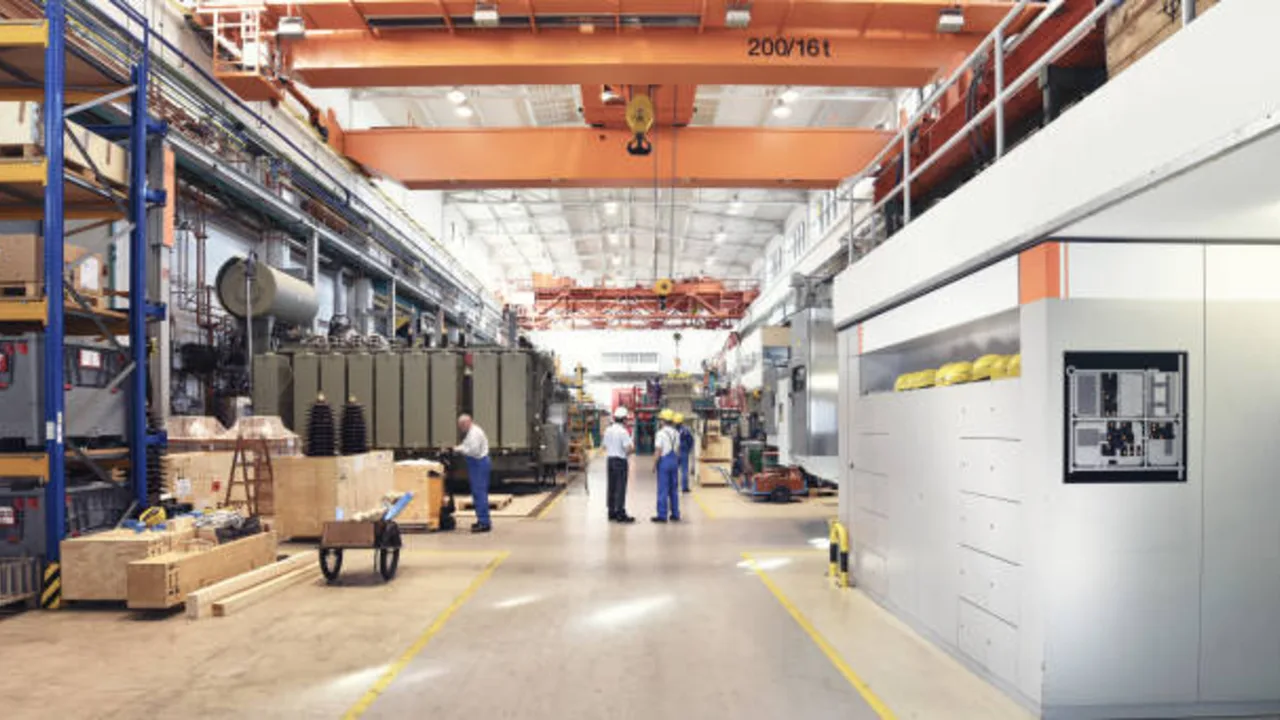
A practical example of factory load zoning can be seen in the design of a heavy machinery manufacturing facility in Southeast Asia. The factory covered approximately 18,000 square meters and contained multiple machining lines, automated production systems, and two overhead cranes with capacities of 20 tons each.
During the planning phase, engineers identified significant equipment clustering along the main machining lines. Large CNC machines, milling equipment, and inspection stations were arranged in sequential clusters to support efficient workflow. Without load zoning, the structural frame would have required uniform reinforcement across the entire building.
Instead, engineers implemented a zoning strategy that separated heavy equipment areas from lighter operational spaces. Columns supporting the machining lines were designed with increased load capacity, while beams along the crane runway were reinforced to accommodate dynamic crane loads. In contrast, storage and assembly areas were designed with lighter structural members.
This targeted reinforcement reduced overall steel consumption while maintaining structural safety. The project demonstrated how effective factory load zoning can support equipment clustering without compromising material efficiency or operational performance.
Common Mistakes in Factory Load Zoning
Despite its importance, load zoning is sometimes overlooked during early project planning. When structural design is not aligned with production planning, several problems may occur.
Treating Factory Floors as Uniform Load Areas
One common mistake is designing the entire factory floor based on a single load assumption. While this approach simplifies structural calculations, it often leads to unnecessary steel usage in areas with lower load requirements.
Proper factory load zoning allows engineers to differentiate between high-load and low-load areas, reducing material waste and improving structural efficiency.
Ignoring Future Equipment Expansion
Industrial facilities frequently evolve over time as production capacity increases. If load zoning does not consider potential equipment upgrades, structural limitations may restrict future expansion.
Engineers often design zoning systems with additional capacity in critical areas to accommodate future equipment clustering. This foresight helps factories adapt to new technologies without requiring major structural modifications.
Poor Coordination Between Engineers and Production Planners
Another common issue occurs when structural engineers and production planners work independently. Manufacturing teams may reorganize machinery after construction begins, creating unexpected load concentrations.
To avoid these conflicts, factory load zoning must be integrated with operational planning from the earliest design stages. Close collaboration ensures that structural capacity aligns with equipment layout.
Long-Term Operational Benefits of Proper Load Zoning
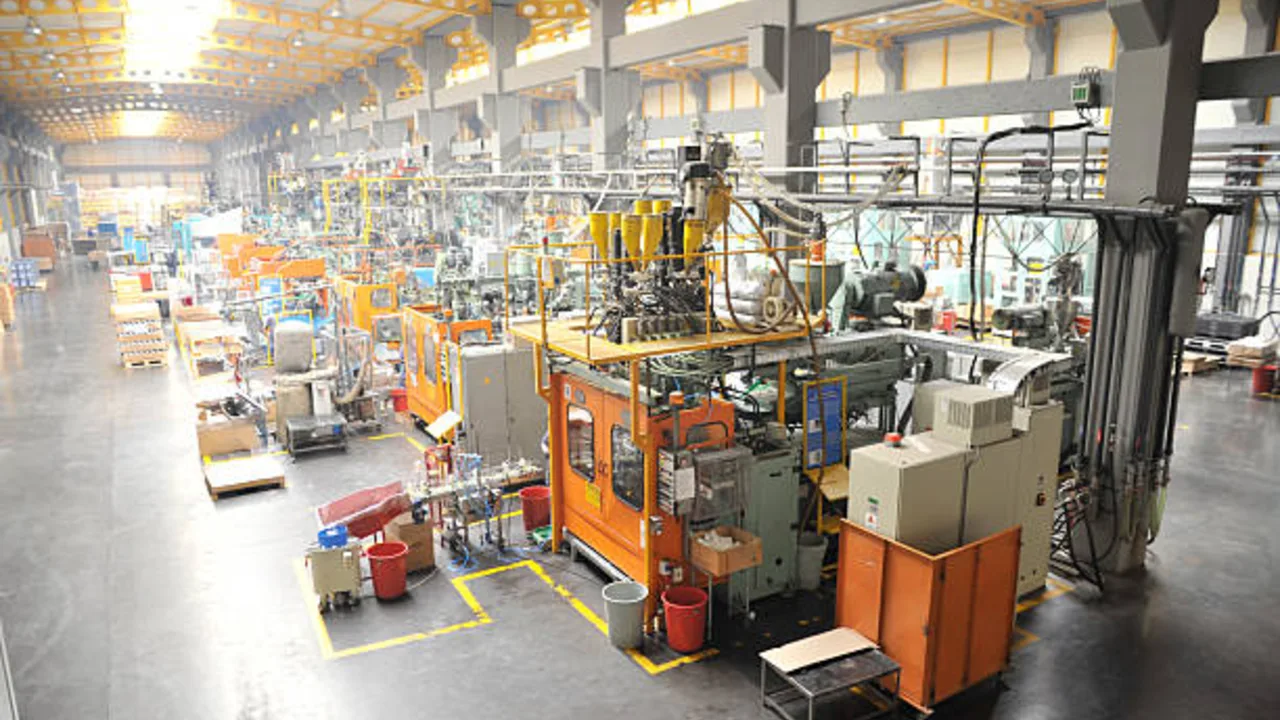
Implementing an effective zoning strategy offers significant advantages throughout the lifecycle of a steel factory building. Beyond construction efficiency, factory load zoning improves long-term structural reliability and operational flexibility.
First, zoning enhances structural durability by ensuring that critical load areas receive adequate reinforcement. This reduces the risk of long-term structural fatigue caused by repetitive machine loads or vibration.
Second, zoning improves operational adaptability. When equipment clustering patterns change, designated load zones can accommodate machinery relocation without requiring structural modifications across the entire building.
Third, factory load zoning simplifies maintenance and inspection. Engineers can focus structural monitoring efforts on high-load zones where stress levels are highest. This targeted approach improves safety management within large industrial facilities.
Why Load Zoning Matters for Modern Factory Steel Structures
As industrial production becomes more automated and equipment becomes heavier and more sophisticated, structural design must evolve accordingly. Steel factory buildings are expected to support complex manufacturing systems while maintaining flexibility for future technological upgrades.
In this environment, factory load zoning provides a strategic framework for balancing structural strength, material efficiency, and operational functionality. By aligning structural capacity with equipment clustering patterns, engineers create buildings that support both current production demands and future expansion.
For companies planning industrial facilities, working with experienced professionals in factory steel structure design ensures that load zoning strategies are integrated into early project planning. This proactive approach allows steel factory buildings to maintain structural reliability while supporting evolving manufacturing operations.
Conclusion
Designing a steel factory building requires more than simply constructing a strong frame. Industrial facilities contain diverse machinery, production processes, and storage operations that generate highly variable structural loads. Without proper planning, these loads can lead to inefficient structural design or operational limitations.
Through the application of factory load zoning, engineers can divide a factory into distinct structural zones that reflect real operational demands. Combined with strategic equipment clustering, this approach ensures that heavy machinery areas receive adequate structural support while lighter zones maintain efficient construction.
When applied correctly, factory load zoning enhances safety, reduces material waste, and improves the long-term adaptability of steel factory buildings. As manufacturing technology continues to evolve, this engineering strategy will remain essential for designing efficient and resilient industrial structures.