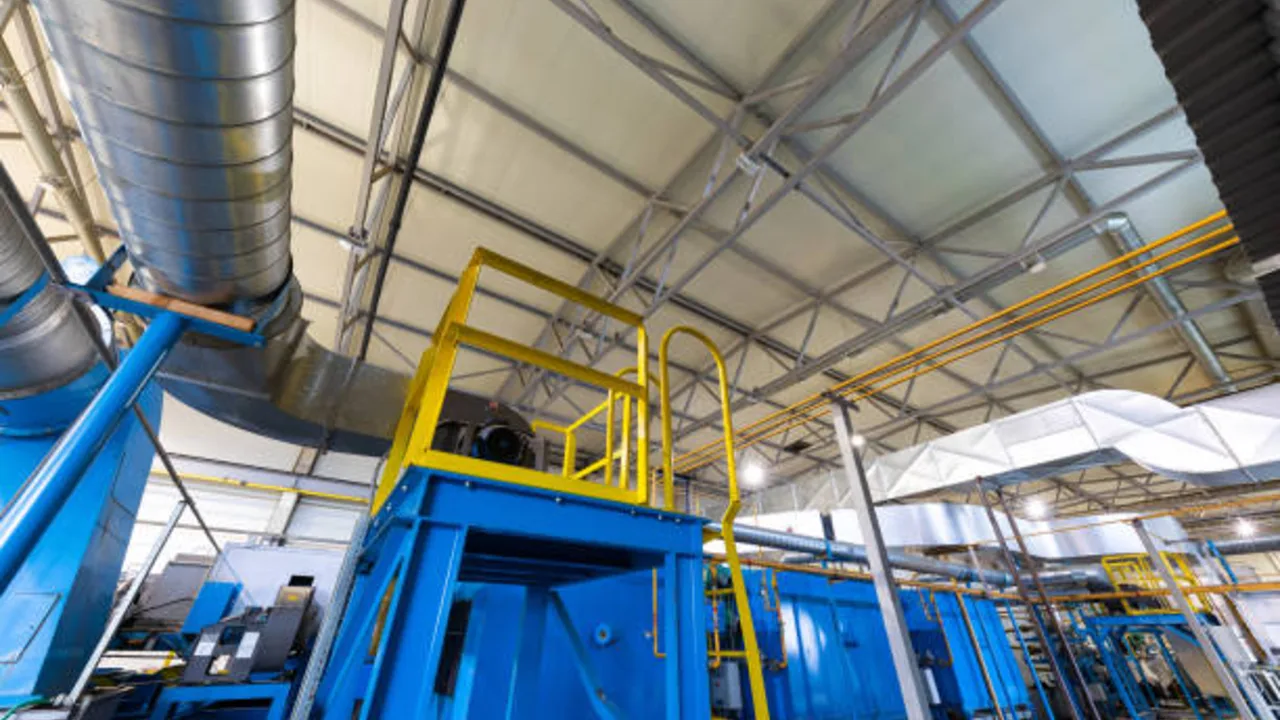
Industrial factories are environments where high-powered machinery, material handling systems, and continuous production processes operate simultaneously. While these operations are essential for manufacturing efficiency, they also generate significant levels of industrial noise. Without proper factory noise propagation control, sound waves can travel freely across the building interior, creating uncomfortable working conditions, communication difficulties, and potential long-term health risks for workers.
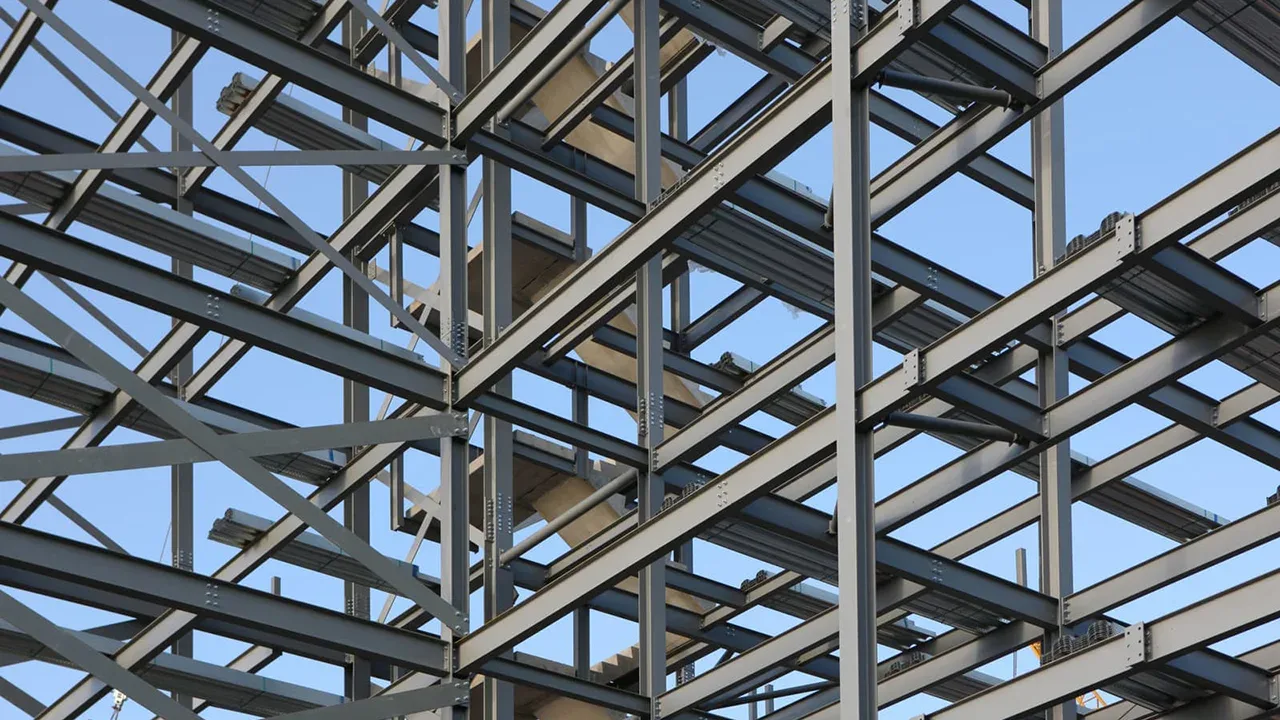
Noise management is particularly important in large industrial buildings constructed with steel structural systems. Steel factories typically feature wide spans, open layouts, and hard reflective surfaces that can amplify and distribute sound across long distances. In such environments, noise generated by a single machine can quickly propagate through the entire building if acoustic planning is not integrated into the design stage.
Modern industrial engineering increasingly recognizes that factory design must address more than structural strength and operational workflow. Acoustic performance has become a critical component of industrial building design, especially in facilities where continuous machinery operation produces constant background noise. By implementing effective factory noise propagation control strategies, factory operators can significantly improve worker comfort, operational safety, and long-term productivity.
Why Noise Propagation Is Different in Steel Factory Buildings
Industrial buildings constructed with steel structural systems behave differently from concrete or masonry structures when it comes to acoustic performance. Steel surfaces tend to reflect sound rather than absorb it, which can lead to higher reverberation levels inside large factory spaces. When sound waves repeatedly bounce between hard surfaces, the overall noise environment becomes amplified.
Steel Surfaces and Sound Reflection
Many factory buildings rely on metal cladding systems, steel columns, and structural beams that form large reflective surfaces. Unlike porous materials that absorb sound energy, steel reflects sound waves across the space. As a result, machinery noise can travel across the production floor and remain audible even at considerable distances from the original source.
Without proper acoustic planning, this reflective behavior can cause echo effects and excessive reverberation. Over time, the accumulated noise levels inside a factory can exceed recommended workplace exposure limits, making factory noise propagation control a necessary design consideration rather than an optional upgrade.
Large-Span Industrial Structures
One of the main advantages of industrial steel buildings is their ability to create large column-free interior spaces. Long-span structural systems allow factories to accommodate heavy equipment, automated production lines, and overhead crane systems without obstruction. However, these wide open spaces also allow sound waves to travel freely.
In a typical long-span industrial hall, noise generated in one area can propagate across the entire structure. Large volumes of open air allow sound waves to maintain energy over longer distances, increasing the likelihood of acoustic interference between different production zones.
Industrial Machinery and Continuous Operations
Factories rarely operate with a single noise source. Instead, multiple machines often run simultaneously throughout the building. Equipment such as stamping presses, compressors, CNC machines, welding stations, and material handling systems can produce overlapping noise frequencies. When combined with reflective steel surfaces, these sound waves create a complex acoustic environment that requires systematic planning.
Because modern production lines often operate continuously across multiple shifts, the cumulative exposure to industrial noise can be significant. Implementing effective factory noise propagation control measures helps ensure that factory environments remain safe and comfortable for workers throughout extended operating hours.
Primary Sources of Industrial Noise in Factories
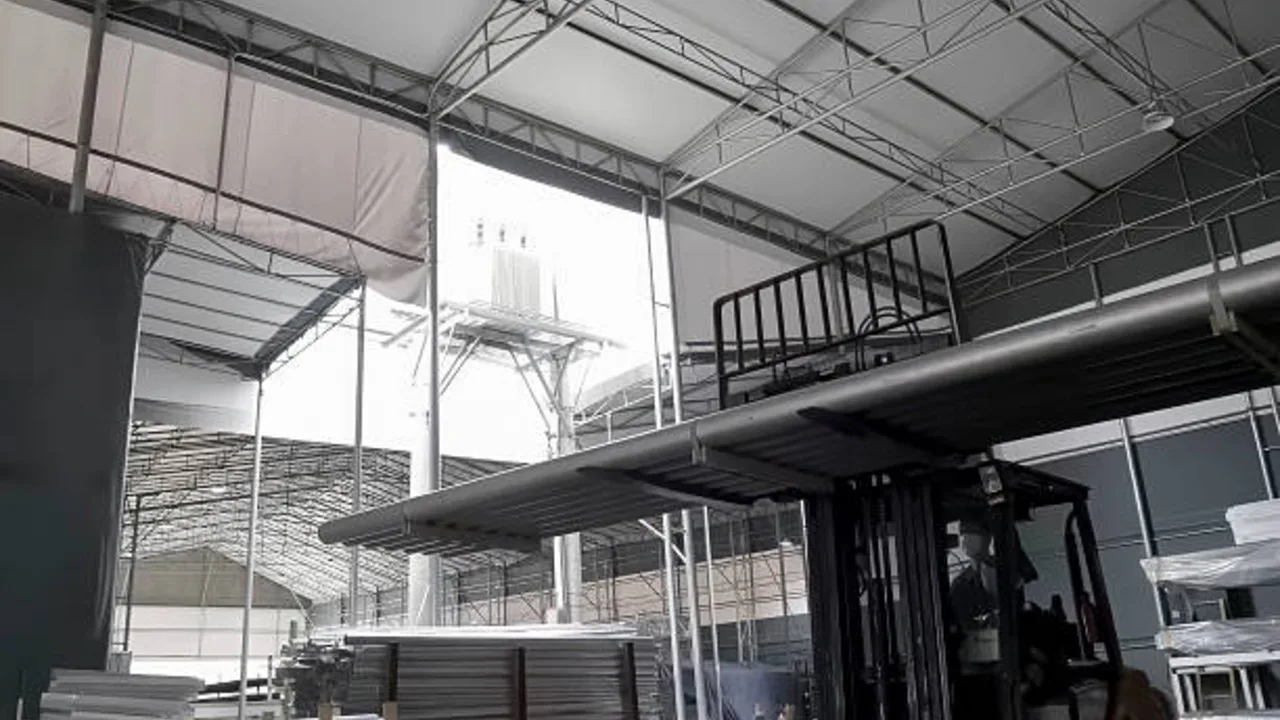
To manage industrial noise effectively, engineers must first understand the major sources of sound within a manufacturing environment. Noise inside factories generally originates from mechanical equipment, material handling operations, ventilation systems, and structural vibration transmitted through the building framework.
Heavy Machinery and Production Equipment
Large manufacturing machines are often the dominant contributors to factory noise. Metal forming equipment, stamping presses, milling machines, and automated production systems generate both airborne sound and mechanical vibration. These vibrations can travel through the factory floor and structural frame, spreading noise beyond the immediate work area.
High-speed equipment typically produces continuous noise at frequencies that easily propagate across large spaces. Without appropriate acoustic mitigation, these sound waves can spread across the production floor and combine with other noise sources, increasing the overall sound pressure level throughout the building.
Overhead Cranes and Material Handling Systems
Many factories rely on overhead crane systems for transporting heavy materials and equipment. While cranes are essential for operational efficiency, their motors, gear systems, and wheel movements along runway beams generate intermittent but powerful noise events. When cranes move across large spans, these sounds can echo throughout the building structure.
In facilities designed as a steel structure factory, crane systems are often integrated directly into the primary structural frame. As a result, vibration and sound can travel along steel beams and columns, contributing to the overall noise environment inside the factory.
Ventilation Systems and Industrial Compressors
Industrial ventilation systems, air compressors, and cooling units are another significant source of background noise. These systems typically run continuously to maintain air quality and temperature control within the factory. While each unit may produce moderate sound levels individually, the combined effect of multiple units operating simultaneously can create persistent background noise throughout the building.
Because these systems are often mounted directly to structural frames or roof systems, vibration transmission can occur through the building structure itself. Proper equipment isolation and acoustic design are therefore essential elements of comprehensive factory noise propagation control.
Structural Vibration Through Steel Frames
Unlike isolated machinery noise, structural vibration presents a more complex acoustic challenge. When equipment generates mechanical vibration, that energy can travel through structural components such as columns, beams, and roof trusses. Steel structures, while strong and efficient, can transmit vibration over considerable distances if vibration dampening measures are not incorporated into the design.
This structural transmission effect means that noise may appear in areas far removed from the original equipment location. In large factories, workers in relatively quiet zones may still experience elevated noise levels because sound energy has traveled through the building structure.
Engineering Principles Behind Factory Noise Propagation Control
Effective factory noise propagation control is not achieved through a single solution. Instead, it requires a combination of acoustic engineering principles, material selection, and spatial planning within the factory layout. By understanding how sound behaves inside large industrial spaces, engineers can design buildings that manage noise more effectively without compromising operational efficiency.
Sound Absorption vs Sound Reflection
Sound waves behave differently depending on the surfaces they encounter. Hard surfaces such as steel panels, metal cladding, and concrete floors tend to reflect sound waves, allowing them to bounce repeatedly throughout the space. In contrast, porous or specially designed acoustic materials absorb sound energy and reduce the intensity of reflected waves.
One of the most effective strategies for factory noise propagation control is increasing the proportion of sound-absorbing surfaces inside the building. Acoustic panels, perforated metal ceilings, and insulation layers can significantly reduce the reflection of sound waves and lower the overall reverberation level within the factory.
Controlling Reverberation Time
Reverberation time refers to how long sound remains audible within a space after the original noise source stops. In large industrial buildings, excessive reverberation can cause sound to linger and overlap with other noise events. This makes communication difficult and increases perceived noise levels.
Factories with long-span roofs and high ceilings are especially prone to reverberation problems because sound waves can travel long distances before dissipating. By incorporating acoustic treatment materials into walls, ceilings, and interior structures, engineers can shorten reverberation time and improve overall acoustic comfort.
Structural Vibration Isolation
Another important aspect of factory noise propagation control involves isolating mechanical vibration from the building structure. Machines that produce strong vibration can transfer energy directly into the structural frame, allowing noise to travel through beams, columns, and roof trusses.
To prevent this transmission, vibration isolation systems are often installed between machinery and the structural foundation. These systems may include rubber pads, spring isolators, or specialized dampening mounts that reduce the transfer of mechanical energy into the building structure.
Acoustic Zoning in Industrial Layout
Acoustic zoning is a planning strategy that organizes factory spaces according to their noise intensity levels. Instead of mixing loud machinery areas with quiet workspaces, engineers design factory layouts that separate high-noise operations from administrative or precision work areas.
This zoning approach reduces the spread of sound across the facility and allows acoustic treatments to be targeted where they are most needed. When implemented early in the design stage, acoustic zoning can significantly improve overall factory noise propagation control while maintaining an efficient production workflow.
Acoustic Treatment Strategies for Steel Factory Buildings
Industrial buildings constructed with steel structures require carefully planned acoustic treatments to reduce sound reflection and propagation. Because steel surfaces tend to reflect sound waves, adding specialized acoustic materials is essential for improving the interior noise environment.
Acoustic Wall Panels
Acoustic wall panels are among the most commonly used solutions for reducing sound reflection inside factories. These panels are typically installed on large wall surfaces where sound waves frequently reflect. By absorbing sound energy, the panels reduce reverberation and prevent noise from spreading across the entire building.
In many industrial facilities, acoustic panels are strategically placed near high-noise production zones to contain sound within specific areas of the factory floor.
Perforated Metal Ceilings
Ceilings play an important role in controlling sound reflection, particularly in factories with tall roof structures. Perforated metal ceiling systems combined with acoustic backing materials allow sound waves to pass through the perforations and become absorbed by insulation layers behind the panels.
This approach maintains the durability and fire resistance required for industrial buildings while providing effective acoustic treatment for large interior spaces.
Acoustic Baffles and Hanging Absorbers
In large open production halls, vertical acoustic baffles or suspended absorbers can be installed beneath the roof structure. These elements hang from the ceiling and interrupt the path of sound waves traveling through the air.
By breaking up sound reflections and absorbing energy, hanging acoustic systems significantly improve factory noise propagation control in long-span factory buildings.
Machine Enclosures for Noise Isolation
Some types of industrial equipment produce extremely high noise levels that cannot be fully controlled through general acoustic treatment alone. In such cases, engineers often install acoustic enclosures around specific machines.
These enclosures are designed to contain sound at the source by surrounding the equipment with sound-absorbing panels and vibration-isolating structures. Machine enclosures are particularly effective for compressors, stamping presses, and other high-impact manufacturing equipment.
Sound Barriers Between Production Zones
Another effective strategy involves installing sound barriers between different sections of the factory floor. These barriers help block direct sound transmission from one production zone to another. When combined with acoustic ceiling treatments, barriers can significantly reduce the spread of industrial noise throughout the building.
Sound barriers are often used to separate heavy fabrication areas from assembly zones or quality inspection areas where lower noise levels are required.
Factory Layout Design to Reduce Noise Propagation
In addition to acoustic materials and vibration control systems, the spatial organization of a factory plays a critical role in effective factory noise propagation control. Industrial buildings are complex environments where multiple processes operate simultaneously. Without proper layout planning, sound generated in one production zone can easily spread throughout the entire facility.
A well-designed factory layout does more than improve workflow efficiency—it also serves as a powerful tool for managing industrial noise. By strategically positioning equipment, defining functional zones, and incorporating buffer spaces, engineers can significantly reduce the transmission of sound across the building interior.
Separating High-Noise Production Areas
One of the most effective design strategies involves separating the loudest machinery from other operational zones. Equipment such as stamping presses, heavy cutting machines, and large compressors typically produce the highest noise levels. Placing these machines in designated production zones helps contain sound within specific sections of the factory.
In facilities designed as a modern steel structure factory, large open spaces allow for flexible layout planning. This flexibility makes it possible to cluster high-noise equipment together while keeping quieter activities—such as assembly work, inspection processes, or packaging—at a greater distance from the main noise sources.
Buffer Zones for Offices and Control Rooms
Factories often include administrative offices, control rooms, laboratories, and meeting areas within the same building. These spaces require lower noise levels in order to support communication, concentration, and monitoring tasks. Creating buffer zones between production areas and office spaces is therefore an important aspect of factory noise propagation control.
Buffer zones may include storage areas, service corridors, maintenance rooms, or utility spaces that act as acoustic barriers between loud machinery and quieter environments. These intermediate spaces help absorb and disperse sound before it reaches sensitive work areas.
Structural Spacing and Column Grid Planning
Structural layout also influences how sound travels inside industrial buildings. Column spacing, roof height, and the orientation of structural frames all affect the propagation path of sound waves. Careful planning of the structural grid can help reduce direct sound transmission between production zones.
For example, placing structural elements such as equipment platforms, service gantries, or mezzanine floors between noise sources and other work areas can interrupt sound paths and reduce overall noise distribution across the factory.
Material Selection and Structural Design for Noise Control
Material choices play an essential role in achieving effective factory noise propagation control. While structural steel provides strength and flexibility for industrial construction, complementary materials must often be incorporated into the building envelope and interior surfaces to improve acoustic performance.
Composite Wall Systems
Composite wall systems are commonly used in industrial factories to balance durability, insulation, and acoustic performance. These wall assemblies typically consist of exterior metal cladding combined with internal insulation layers that absorb sound energy.
Mineral wool, fiberglass, or specialized acoustic insulation materials are often installed within wall cavities to reduce sound transmission through the building envelope. This approach not only improves indoor acoustic conditions but can also reduce noise leakage to surrounding areas.
Insulated Sandwich Panels
Insulated sandwich panels are widely used in industrial construction because they provide thermal insulation, structural rigidity, and sound attenuation in a single system. These panels consist of two metal skins bonded to an insulating core, which helps absorb sound waves while maintaining structural integrity.
When installed across large wall or roof surfaces, sandwich panels contribute to improved acoustic performance by reducing sound reflection and dampening airborne noise.
Roof Insulation and Acoustic Layers
The roof structure of a factory is one of the largest surfaces within the building and therefore plays a major role in acoustic behavior. Without proper insulation, sound waves can reflect repeatedly between the roof and floor surfaces, amplifying the noise environment.
Installing insulation layers, acoustic membranes, or perforated ceiling systems beneath the roof structure helps reduce these reflections. These materials absorb sound energy and prevent noise from spreading across the entire production hall.
Vibration Dampening Structural Connections
Beyond airborne noise, mechanical vibration transmitted through structural components can also contribute to factory noise problems. Machines mounted directly to structural frames may transfer vibration into beams, columns, and roof trusses, allowing sound to propagate throughout the building.
To minimize this effect, engineers often incorporate vibration-dampening connections, flexible mounts, and isolation pads into the structural design. These measures help prevent mechanical energy from traveling through the structure, improving overall factory noise propagation control.
Worker Safety and Regulatory Noise Limits
Industrial noise is not only a comfort issue—it is also a critical occupational health concern. Prolonged exposure to high sound levels can lead to hearing loss, increased stress, reduced concentration, and higher accident risks within manufacturing environments.
Many countries enforce workplace noise regulations that limit the amount of sound exposure workers can experience during a typical work shift. Occupational safety organizations often recommend maintaining average sound levels below specific thresholds to protect worker health.
Implementing effective factory noise propagation control helps factories comply with these regulations while also improving overall working conditions. When noise levels are properly managed, workers can communicate more easily, maintain focus on their tasks, and operate equipment safely.
Real Industrial Examples of Noise Control in Factories
To better understand how acoustic strategies work in practice, it is helpful to examine real industrial scenarios where noise control measures have been successfully implemented.
Heavy Fabrication Workshop
In a steel fabrication workshop, cutting machines, welding stations, and grinding equipment often generate continuous noise throughout the production hall. By installing acoustic wall panels and hanging ceiling absorbers above the fabrication area, engineers can significantly reduce reverberation levels and improve the acoustic environment for workers.
Automotive Component Manufacturing Plant
Automotive component factories frequently use high-speed stamping presses that produce powerful impact noise. In these facilities, acoustic enclosures are often installed around stamping equipment to contain sound at its source. Combined with vibration isolation systems, these enclosures help prevent noise from spreading across the factory floor.
Large Steel Processing Facility
In large steel processing plants where overhead cranes operate across long spans, sound barriers and acoustic zoning strategies can be used to separate heavy processing areas from assembly and inspection zones. These layout strategies play a key role in maintaining effective factory noise propagation control across large industrial buildings.
Future Trends in Industrial Acoustic Engineering
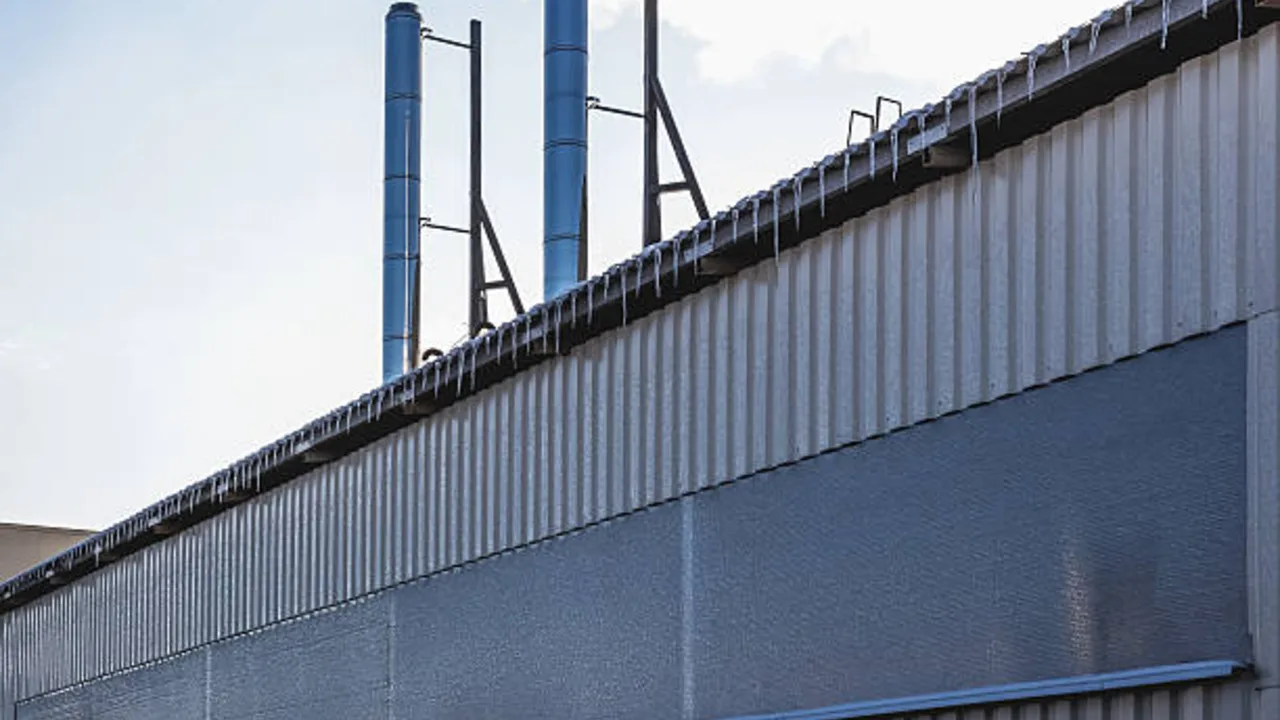
As industrial facilities become more advanced, acoustic engineering is evolving alongside modern manufacturing technologies. Future factories will increasingly integrate smart monitoring systems and predictive acoustic analysis tools to improve noise management strategies.
Smart Noise Monitoring Systems
Modern factories are beginning to adopt digital sound monitoring systems that continuously track noise levels across different areas of the facility. These systems allow engineers to identify high-noise zones and adjust acoustic treatments accordingly.
AI-Based Acoustic Analysis
Artificial intelligence tools are also emerging in the field of industrial acoustic design. AI-based modeling can simulate sound propagation within factory buildings before construction begins, allowing engineers to optimize layouts and acoustic treatments during the planning phase.
Integrated Acoustic Design in Factory Planning
Rather than addressing noise problems after a factory is built, many modern industrial projects now incorporate acoustic planning directly into the early design process. Structural layout, building materials, and equipment placement are all considered together to achieve better acoustic performance from the start.
Project Example: Large-Span Steel Factory and Industrial Noise Management
A real-world example helps illustrate how building design directly influences factory noise propagation control. One notable industrial project is the
Dalian Insulator Group Jiangxi Base spatial grid structure project, a large-scale manufacturing facility designed to support heavy industrial production while maintaining structural efficiency and operational flexibility.
The factory complex covers more than 150,000 square meters and incorporates long-span industrial buildings using a spatial grid structural system. With over 4,000 tons of steel used in the primary structure, the facility creates wide column-free spaces that allow production lines, material handling systems, and overhead cranes to operate efficiently across large manufacturing halls.
While these long-span designs provide major operational advantages, they also present acoustic challenges. In a large open industrial hall, machinery noise can travel long distances without physical barriers. Hard structural surfaces such as steel members, roof panels, and cladding systems can reflect sound waves, increasing reverberation levels inside the building if acoustic planning is not integrated during the design stage.
This is where proper factory noise propagation control strategies become critical. Engineers typically combine several design approaches to manage sound within large factories, including acoustic zoning of production areas, vibration isolation for heavy equipment, and the strategic use of acoustic treatment materials throughout the building interior.
Large industrial facilities like this are often designed as a steel structure factory, where structural efficiency, workflow planning, and building performance must be balanced simultaneously. The flexibility of steel structural systems allows engineers to position machinery zones, storage areas, and inspection spaces in ways that minimize the spread of noise while maintaining production efficiency.
For example, heavy equipment zones can be concentrated within specific production bays, while quieter operational areas such as assembly, quality control, or administrative spaces are located farther away. Combined with acoustic ceiling systems and vibration dampening equipment mounts, these strategies significantly improve overall factory noise propagation control across the building.
Projects like the Dalian Insulator Group manufacturing base demonstrate that industrial acoustic performance is closely tied to structural planning. When acoustic engineering is integrated early into the design of large-span steel factories, it becomes possible to maintain both high production capacity and a controlled noise environment for workers.
Conclusion
Industrial noise is an unavoidable byproduct of modern manufacturing, but its impact can be significantly reduced through careful planning and engineering. By combining acoustic treatments, structural vibration isolation, and intelligent factory layout strategies, engineers can achieve effective factory noise propagation control within large industrial buildings.
As factories continue to grow in size and complexity, acoustic design will remain an important aspect of industrial construction. Integrating noise control strategies during the design stage ensures that factory environments remain safe, efficient, and comfortable for workers while maintaining optimal production performance.
Companies such as XTD Steel Structure emphasize the importance of integrating engineering considerations—including structural efficiency, operational workflow, and acoustic performance—when designing modern industrial buildings. Through thoughtful planning and appropriate acoustic treatment solutions, steel factories can maintain high productivity while controlling the spread of industrial noise.