Modern manufacturing increasingly relies on efficiency-driven production systems where every step of the process must contribute value. In industrial environments, factory layout plays a critical role in determining how efficiently materials, equipment, and workers interact during production. A well-designed lean steel factory layout ensures that materials move smoothly through the facility while minimizing unnecessary handling, delays, and operational bottlenecks.
Steel manufacturing environments often involve heavy materials, large equipment, and complex production processes. Without careful layout planning, materials may travel long distances between processing stages, leading to wasted time, higher logistics costs, and reduced productivity. Lean manufacturing principles aim to eliminate such inefficiencies by optimizing the physical organization of production spaces and ensuring that every movement contributes to value creation.
In large industrial facilities, especially those built as a steel structure factory, layout design becomes even more important. Steel factories typically feature long-span structures, overhead cranes, and flexible production areas that allow equipment and production lines to be arranged strategically. When lean principles are integrated into the structural design and layout planning of these facilities, factories can achieve higher productivity, improved safety, and better long-term operational efficiency.
Introduction to Lean Steel Factory Layout
Lean manufacturing originated from production systems designed to reduce waste and maximize efficiency. While the concept is widely associated with automotive manufacturing, its principles apply equally to industrial facilities such as steel fabrication plants, heavy manufacturing factories, and metal processing workshops.
In the context of industrial construction, a lean steel factory layout focuses on organizing machines, workstations, and material storage areas in a way that supports smooth and continuous production flow. Instead of placing equipment wherever space is available, engineers carefully plan how materials move through the factory and arrange production zones accordingly.
A key objective of lean layout planning is minimizing unnecessary movement. In poorly designed factories, materials may travel back and forth between workstations, causing congestion and increasing handling costs. Lean factory layouts eliminate this inefficiency by creating clear and direct production paths from raw material intake to final product shipment.
For steel factories, the scale of operations adds additional complexity. Heavy components, structural steel members, and fabricated assemblies require specialized handling equipment such as cranes and forklifts. As a result, layout planning must account for both production processes and logistics systems.
When properly implemented, lean layout planning improves overall operational performance by:
- Reducing material handling distances
- Improving production flow continuity
- Enhancing worker safety and accessibility
- Increasing equipment utilization
- Lowering overall operating costs
These benefits explain why the concept of lean steel factory layout has become increasingly important in modern industrial facility design.
Why Factory Layout Matters in Steel Manufacturing
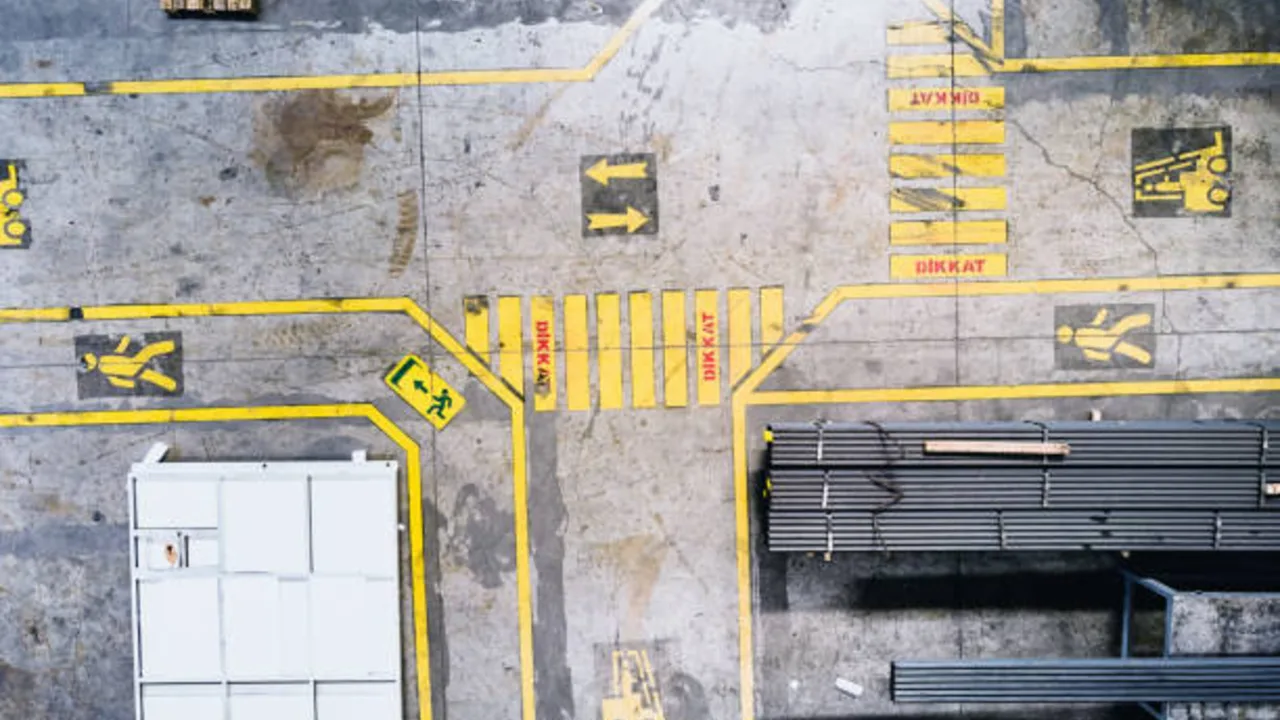
Factory layout directly influences how efficiently production processes operate. In steel manufacturing environments, where large materials and heavy equipment are involved, inefficient layouts can quickly lead to operational delays and increased production costs.
A well-planned factory layout ensures that equipment, material storage, and worker movement are organized in a way that supports continuous manufacturing operations.
Production Efficiency and Process Continuity
In any manufacturing facility, production efficiency depends on the ability to move materials through processing stages without interruption. When machines are arranged according to the logical order of production, materials can move directly from one process to the next without unnecessary delays.
For example, in a steel fabrication facility, raw steel plates may first be processed through cutting machines, followed by welding stations, assembly areas, and finishing operations. If these processes are arranged sequentially, materials can move smoothly through the production line.
However, when equipment is arranged without considering process flow, materials may need to travel across the factory multiple times. This results in longer production cycles and reduced operational efficiency. A well-designed lean steel factory layout eliminates these inefficiencies by aligning machine placement with the natural progression of manufacturing processes.
Reducing Material Handling Distance
Material handling is one of the most significant operational costs in steel manufacturing. Heavy steel components often require cranes, forklifts, or specialized transport systems to move between production stations.
If the factory layout is poorly designed, materials may travel unnecessarily long distances across the production floor. Each additional movement increases energy consumption, equipment wear, and labor requirements.
Lean manufacturing principles aim to minimize these movements by optimizing material flow across the facility. When production stages are positioned close to each other and aligned with the manufacturing sequence, materials can move more efficiently through the plant.
Reducing material travel distance not only lowers logistics costs but also improves overall production speed.
Safety and Worker Movement
Factory layout also affects workplace safety. Industrial facilities involve multiple types of movement, including workers walking between workstations, forklifts transporting materials, and cranes lifting heavy loads overhead.
If these movements are not properly organized, they can create safety hazards. For example, forklifts crossing pedestrian walkways may increase the risk of accidents.
Lean factory layouts address this issue by clearly separating transportation routes, worker pathways, and equipment operation zones. Dedicated corridors for forklifts and crane operations help maintain safe working conditions while ensuring efficient logistics operations.
By incorporating safety considerations into layout planning, engineers can create industrial environments that support both productivity and worker protection.
Supporting Continuous Manufacturing Systems
Many modern factories operate under continuous production systems where machines run for extended periods across multiple shifts. In such environments, operational interruptions can significantly impact production output.
A well-designed lean steel factory layout supports continuous manufacturing by minimizing bottlenecks and ensuring that production stages remain properly connected.
When equipment placement, material storage, and logistics systems are aligned with production workflows, factories can maintain consistent throughput even under high production demand.
This alignment between layout planning and manufacturing systems is one of the key factors that enables lean industrial operations.
Core Principles of Lean Steel Factory Layout
Designing an effective lean steel factory layout requires more than simply arranging machines inside a large industrial building. Engineers must consider production processes, logistics routes, worker movement, and structural constraints simultaneously. By applying lean manufacturing principles during layout planning, factories can eliminate operational waste and improve production efficiency.
Several core principles guide the development of a lean industrial factory layout.
Linear Material Flow Design
One of the most important concepts in lean manufacturing is establishing a clear and logical production path. In an ideal factory layout, materials move in a continuous direction from raw material intake to finished product shipment.
A linear production flow typically follows a sequence such as:
- Raw material storage
- Primary processing (cutting or forming)
- Secondary fabrication (welding or machining)
- Assembly and finishing
- Final inspection and shipping
When equipment and workstations are arranged according to this sequence, materials can travel smoothly through the facility without unnecessary detours. This approach significantly improves material flow efficiency and reduces production delays.
In large manufacturing plants, maintaining a consistent directional flow also helps simplify logistics planning for cranes, forklifts, and automated transport systems.
Minimizing Backtracking in Production
Backtracking occurs when materials are forced to move backward in the production sequence due to poor layout planning. For example, if a welding station is located far from the cutting area and closer to the shipping zone, materials may need to travel across the factory multiple times during fabrication.
These inefficient movements increase production time and create congestion in material handling routes.
A properly designed lean steel factory layout prevents backtracking by aligning workstations with the natural sequence of production processes. Materials should always move forward through the manufacturing stages, ensuring that each step builds upon the previous one without unnecessary transportation.
Reducing backtracking not only improves efficiency but also reduces energy consumption and equipment wear.
Equipment Clustering by Process
Another important principle in lean factory planning is grouping machines according to their functional roles in the production process. Instead of spreading similar equipment across the entire building, engineers organize machines into dedicated production zones.
For example, a steel fabrication facility may contain separate zones for:
- CNC cutting machines
- Plate bending equipment
- Welding stations
- Surface finishing operations
Clustering machines with similar functions helps improve coordination between workstations and reduces the distance materials must travel between related processes.
This approach also makes it easier to manage workforce allocation, equipment maintenance, and production supervision within specific operational zones.
Flexible Production Zones
Modern manufacturing environments must be able to adapt to changing production requirements. Product types, batch sizes, and manufacturing technologies often evolve over time.
For this reason, a lean steel factory layout should include flexible production zones that can accommodate equipment relocation or expansion. Open floor spaces, modular workstation arrangements, and adaptable logistics routes allow factories to adjust production configurations without major structural modifications.
In steel factories built with long-span structures, the absence of interior columns provides additional flexibility for reorganizing equipment layouts as production needs change.
This flexibility ensures that the factory remains efficient even as production volumes or product specifications evolve.
Material Flow Optimization in Steel Factories
Efficient material flow is one of the most critical objectives in lean factory design. In steel manufacturing environments, materials are often heavy and require specialized handling equipment such as cranes or forklifts. Poorly organized material movement can therefore create significant operational inefficiencies.
Optimizing material flow involves designing the factory layout so that materials move smoothly between production stages with minimal handling effort.
Raw Material Entry and Storage Layout
The starting point of production in most steel factories is the raw material storage area. Steel plates, pipes, coils, and structural sections must be delivered, stored, and prepared for processing.
In a lean layout design, raw material storage should be located close to the first stage of production, such as cutting or forming operations. This arrangement minimizes the distance materials must travel after entering the factory.
Additionally, storage systems should be organized in a way that allows easy access for cranes and forklifts. Clear storage labeling and logical stacking arrangements help streamline material retrieval during production.
Production Line Arrangement
Once materials leave the storage area, they typically move through a series of fabrication processes. In steel factories, these processes may include CNC cutting, drilling, welding, assembly, and surface treatment.
To maintain efficient material flow, these workstations should be arranged sequentially according to the production process. Materials should move from one stage to the next without crossing paths or reversing direction.
In many lean manufacturing environments, production lines are arranged in straight or slightly curved paths to ensure continuous movement through the facility.
Finished Product Logistics
After fabrication and assembly are complete, finished components must be prepared for shipment. The layout of finishing and shipping zones should therefore allow efficient access for trucks and loading equipment.
Ideally, finished goods storage should be located near loading docks or shipping yards. This reduces handling time and allows products to move quickly from production lines to outbound transportation.
Clear separation between inbound raw materials and outbound finished products also helps prevent congestion within the factory.
Overhead Crane Integration
Overhead cranes are commonly used in steel manufacturing facilities for transporting heavy materials and fabricated components. These crane systems often operate across large spans within the factory building.
When designing a lean steel factory layout, engineers must carefully integrate crane runways into the production workflow. Crane paths should align with major production zones so that materials can be lifted and transported efficiently between stations.
Proper crane integration significantly improves material flow by reducing reliance on ground transportation equipment and enabling faster movement of heavy components across the factory.
Layout Strategies for Large Steel Factory Buildings
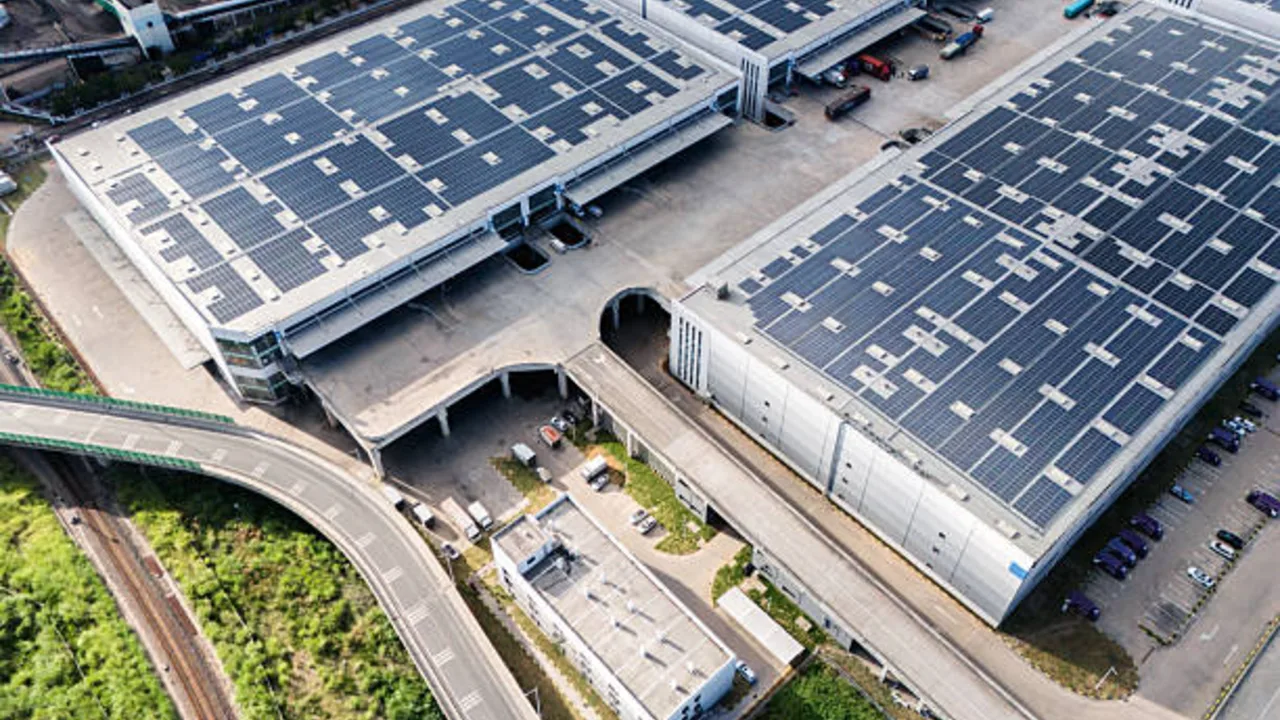
Large industrial buildings present both opportunities and challenges when designing a lean steel factory layout. On one hand, long-span steel structures provide wide open interior spaces that allow flexible equipment placement. On the other hand, the scale of these buildings requires careful planning to ensure that materials, workers, and logistics systems move efficiently across the facility.
Effective layout strategies for large steel factories focus on dividing the building into organized production zones while maintaining clear transportation paths throughout the structure.
Long-Span Structural Planning
Steel factory buildings are often designed with long-span structural systems that minimize interior columns. This structural approach allows engineers to create large open spaces suitable for heavy machinery, production lines, and overhead crane systems.
From a layout perspective, long-span structures provide greater flexibility for arranging equipment. Machines can be positioned according to production requirements rather than structural limitations. This flexibility is particularly beneficial when implementing a lean steel factory layout, as it allows production zones to be aligned with material flow rather than column grids.
Proper coordination between structural design and factory layout planning ensures that the building supports efficient manufacturing operations from the very beginning.
Production Bay Organization
Dividing a large factory building into functional production bays is a common strategy for managing complex manufacturing operations. Each bay can be assigned a specific production function, such as cutting, welding, assembly, or finishing.
Organizing production in this way helps streamline material flow and prevents operational overlap between different manufacturing processes. Workers and supervisors can also manage production activities more effectively when each section of the factory has a clearly defined role.
Production bays are often aligned with crane spans, allowing heavy materials to be transported easily within each operational zone.
Clear Transportation Corridors
Industrial factories involve multiple transportation systems operating simultaneously. Forklifts move raw materials and finished products across the floor, while overhead cranes transport heavy components above the production area.
To maintain safety and efficiency, factory layouts must include clearly defined transportation corridors. These corridors allow logistics equipment to move without interfering with production activities.
Dedicated pathways also help reduce congestion and improve overall material handling efficiency. In a well-designed lean steel factory layout, transportation routes are integrated into the layout planning process rather than added after equipment placement.
Expansion-Friendly Layout Design
Industrial facilities often expand as production demand increases. A factory that operates efficiently today may require additional production lines, new equipment, or expanded storage capacity in the future.
For this reason, layout planning should always consider long-term scalability. Leaving open areas within the factory or designing modular production zones allows new equipment to be installed without disrupting existing operations.
Expansion-friendly design ensures that a lean steel factory layout remains effective as the facility grows over time.
Digital Tools for Designing Lean Factory Layouts
Advances in digital technology have transformed how engineers design and optimize factory layouts. Modern software tools allow engineers to simulate production workflows, analyze logistics efficiency, and test multiple layout scenarios before construction begins.
These digital tools help ensure that the final factory design supports efficient operations and optimized material flow.
3D Factory Simulation
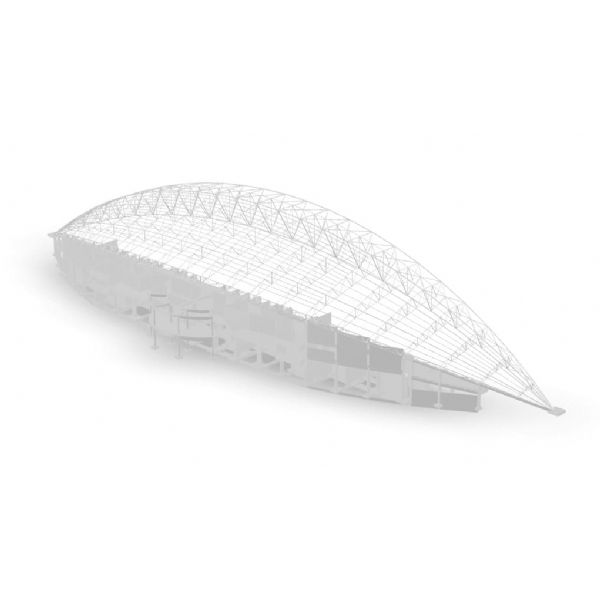
3D modeling software allows engineers to create detailed digital representations of industrial facilities. Using these models, engineers can evaluate equipment placement, transportation routes, and worker movement within the factory.
Simulation tools can reveal potential bottlenecks or inefficient workflows that might not be obvious during traditional layout planning. By testing different configurations digitally, engineers can refine the lean steel factory layout before construction begins.
Digital Material Flow Analysis
Material flow analysis software helps engineers track how materials move through the production process. By mapping transportation distances and movement frequencies, engineers can identify inefficiencies within the layout.
These insights allow designers to adjust machine placement, storage areas, and logistics routes to minimize transportation time and improve overall production efficiency.
Optimizing material flow using digital tools can significantly reduce operating costs in large industrial facilities.
AI-Assisted Production Layout Planning
Artificial intelligence is increasingly being used to optimize manufacturing environments. AI-based planning tools can analyze production data, evaluate workflow patterns, and recommend layout improvements.
These systems are particularly useful for large factories where multiple variables must be considered simultaneously. By analyzing equipment utilization, logistics patterns, and worker movement, AI tools can help engineers design highly efficient factory layouts.
When combined with structural planning, these technologies support the development of advanced lean steel factory layout strategies.
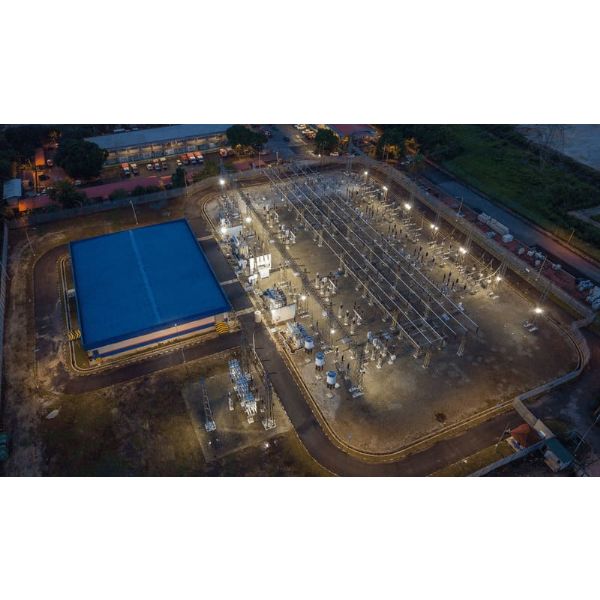
Real Project Example: Lean Steel Factory Layout in the Malaysia Manufacturing Facility
A practical example helps demonstrate how a well-planned lean steel factory layout can improve production efficiency in real industrial environments. One notable project completed by XTD Steel Structure is the
Steel Structure Factory Malaysia Project, a manufacturing facility designed to support efficient production flow within a modern industrial building.
The project was developed as a large-span industrial facility using a standardized portal rigid frame system. This structural approach created a wide, column-free interior space, allowing engineers to organize the production layout according to manufacturing workflow rather than structural constraints. Such flexibility is essential when implementing a lean manufacturing strategy in a steel factory.
In this project, the factory layout was designed to support efficient material flow from raw material intake to final product shipment. Raw steel materials enter the facility through dedicated logistics zones and are directed toward primary processing areas such as cutting and forming. From there, components move sequentially through fabrication and assembly zones before reaching finishing and packaging areas.
The open-span structure also allows overhead crane systems to operate efficiently across the production hall. Cranes transport heavy steel components between workstations, reducing the need for excessive ground transportation and ensuring smoother movement of materials across the factory floor.
Because the facility was planned as a modern steel structure factory, engineers were able to organize production bays according to manufacturing processes. Each zone within the building supports a specific stage of fabrication, which helps reduce transportation distance and eliminates unnecessary backtracking in production.
This project demonstrates how structural design and layout planning work together to achieve an efficient lean steel factory layout. By integrating lean manufacturing principles into the building design, the Malaysia factory is able to maintain smooth operational flow, improved logistics efficiency, and scalable production capacity.
Future Trends in Lean Industrial Factory Design
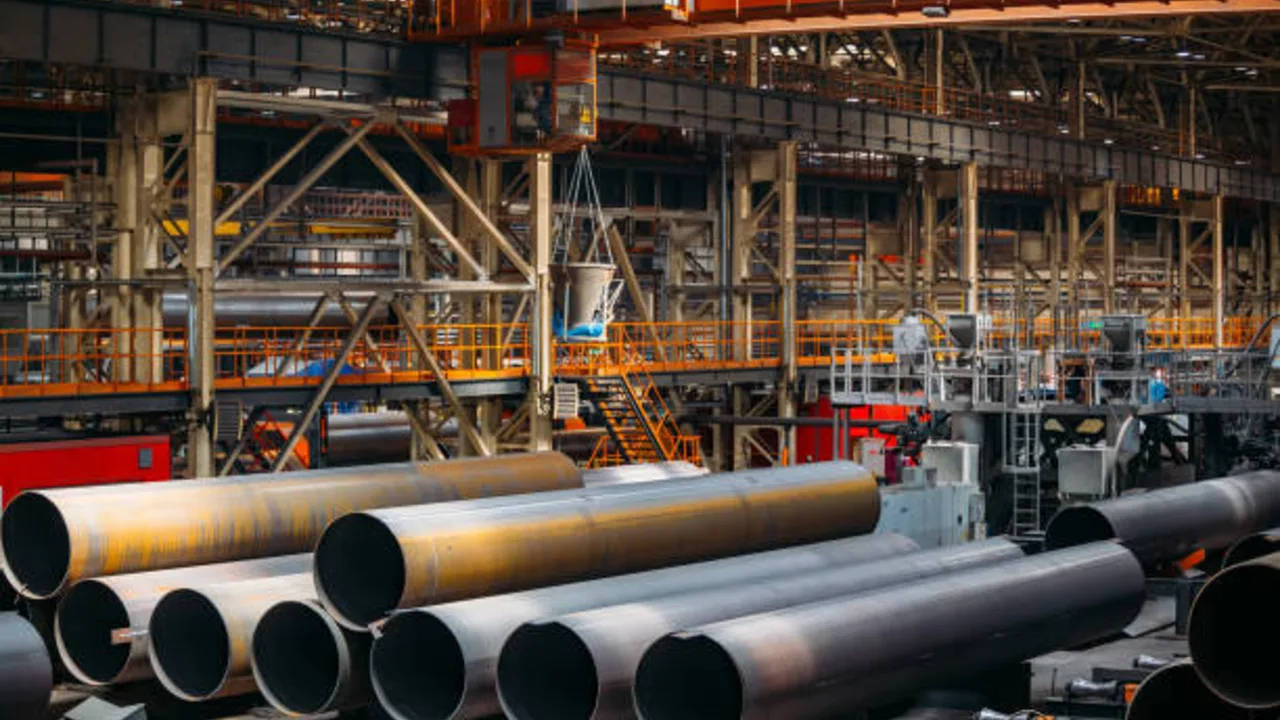
As manufacturing technology continues to evolve, factory layout planning is also becoming more advanced. Emerging technologies and automation systems are changing how factories operate, requiring new approaches to layout design.
Future industrial facilities will increasingly integrate digital technologies, automated logistics systems, and flexible manufacturing concepts into their layout planning.
Smart Factory Layouts
Smart factories rely on digital connectivity and real-time data monitoring to optimize production operations. In these facilities, layout planning must support sensors, automated equipment, and data communication networks.
Smart factory layouts often incorporate modular production zones that allow machines to be rearranged as production requirements change.
Automated Logistics Integration
Automated guided vehicles (AGVs) and robotic transport systems are becoming more common in modern factories. These systems require clearly defined transportation routes and precise layout planning.
Integrating automated logistics systems into a lean steel factory layout can further improve efficiency by reducing reliance on manual material handling.
Flexible Manufacturing Systems
Future factories are expected to produce a wider range of products with smaller production batches. Flexible manufacturing systems allow equipment to be reconfigured quickly to support different production requirements.
Factory layouts must therefore provide adaptable workspaces that can accommodate new equipment and changing production workflows.
Conclusion
Factory layout planning is one of the most important factors influencing manufacturing efficiency. By applying lean manufacturing principles, engineers can design industrial facilities that support smooth production workflows and optimized material flow.
A well-designed lean steel factory layout reduces operational waste, improves safety, and increases long-term productivity. Through careful coordination between structural design, equipment placement, and logistics planning, modern steel factories can achieve highly efficient manufacturing environments.
Companies such as XTD Steel Structure emphasize the importance of integrating structural engineering and industrial workflow planning when designing factory buildings. By combining advanced structural systems with lean layout strategies, industrial facilities can maintain both operational efficiency and long-term scalability.