Modern industrial production rarely stops. Many manufacturing facilities now operate around the clock in two or three rotating shifts to maximize productivity and equipment utilization. As a result, multi-shift steel factory design has become an essential engineering discipline for industrial planners and structural designers. A factory operating continuously for 16–24 hours per day places very different demands on its structure, layout, and working environment compared to single-shift facilities.
When engineers plan a multi-shift steel factory design, they must consider worker comfort, operational continuity, structural efficiency, and safety under both daytime and nighttime conditions. Lighting performance, workflow organization, ventilation, and structural load distribution all influence how effectively a factory can maintain productivity across multiple shifts.
In large-scale industrial environments, steel structures provide the ideal structural solution for multi-shift production facilities. Their long-span capability, flexible interior space, and high load capacity make them well suited for complex production layouts and heavy machinery installations. However, designing a steel factory that performs efficiently across multiple shifts requires careful coordination between structural engineering, industrial planning, and workplace ergonomics.
Operational Characteristics of Multi-Shift Steel Factories
Factories operating multiple shifts experience continuous equipment usage, workforce rotation, and extended operational hours. These characteristics significantly influence the structural and architectural decisions behind multi-shift steel factory design.
Continuous Production Cycles
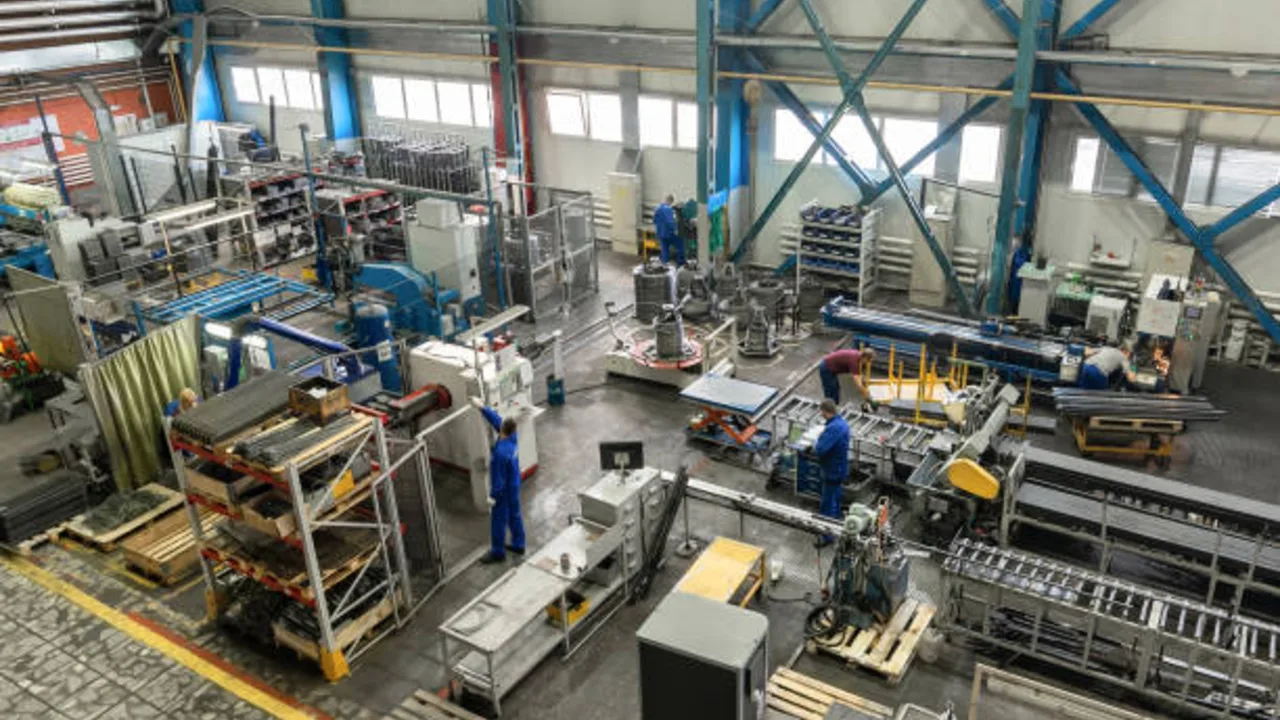
In many industrial sectors such as steel fabrication, heavy equipment manufacturing, and logistics processing, equipment may operate almost continuously. Machines may run for 16 to 24 hours per day, requiring factory structures capable of supporting prolonged operational loads and vibration cycles.
A properly planned multi-shift steel factory design must ensure that structural members, crane beams, and floor systems accommodate long-term mechanical loads without fatigue-related performance issues. Steel structures provide excellent durability under repeated load cycles, making them suitable for continuous industrial production.
Continuous operation also means maintenance windows are shorter. Structural layouts must therefore allow easy equipment access and efficient maintenance planning without interrupting other production areas.
Workforce Rotation and Ergonomic Planning
Multi-shift operations involve rotating teams of workers entering and leaving the facility at different times of the day. During shift transitions, movement patterns inside the factory become more complex. Corridors, entrances, and operational zones must be designed to handle these transitions without interfering with production.
In a well-planned multi-shift steel factory design, worker circulation routes are separated from heavy equipment movement zones. Clear spatial zoning improves operational safety and reduces the risk of accidents during busy shift change periods.
Worker comfort is another critical consideration. Adequate lighting levels, proper ventilation, and thermal comfort significantly influence worker performance during night shifts. Factories designed for continuous operations must provide stable environmental conditions regardless of the time of day.
Impact on Structural Layout
The internal layout of a steel factory directly influences how efficiently multi-shift operations function. Equipment placement, production lines, storage zones, and logistics corridors must be arranged to support uninterrupted workflow.
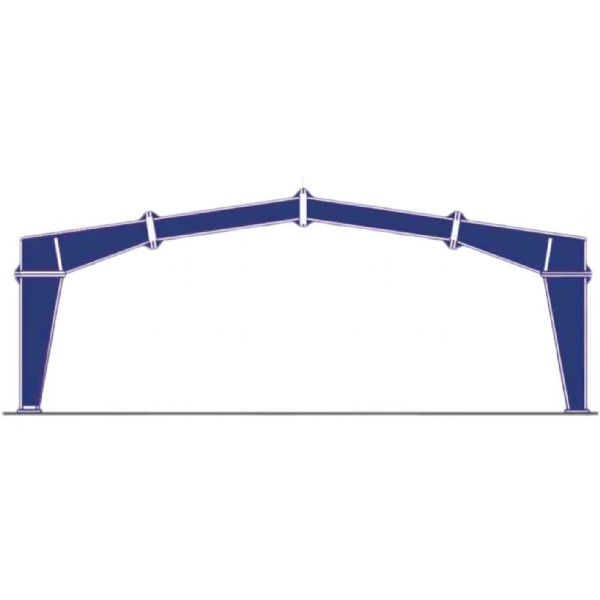
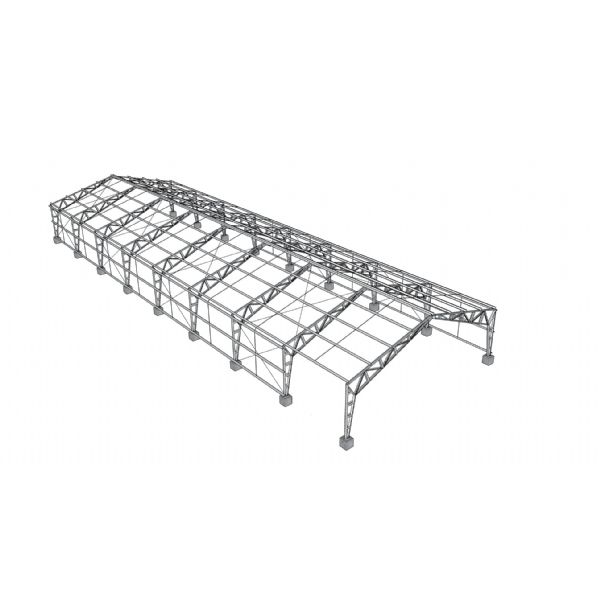
Large open spans are often preferred in multi-shift steel factory design because they allow flexible machinery layouts and easier workflow adjustments. Steel portal frames and long-span trusses enable wide column spacing, reducing structural obstacles inside production areas.
This flexibility allows factories to reconfigure equipment layouts over time as production requirements evolve.
Structural Planning for Multi-Shift Steel Factory Design
Structural engineering plays a central role in supporting continuous industrial production. The structure must accommodate heavy equipment loads, overhead cranes, and complex production systems while maintaining stability and safety.
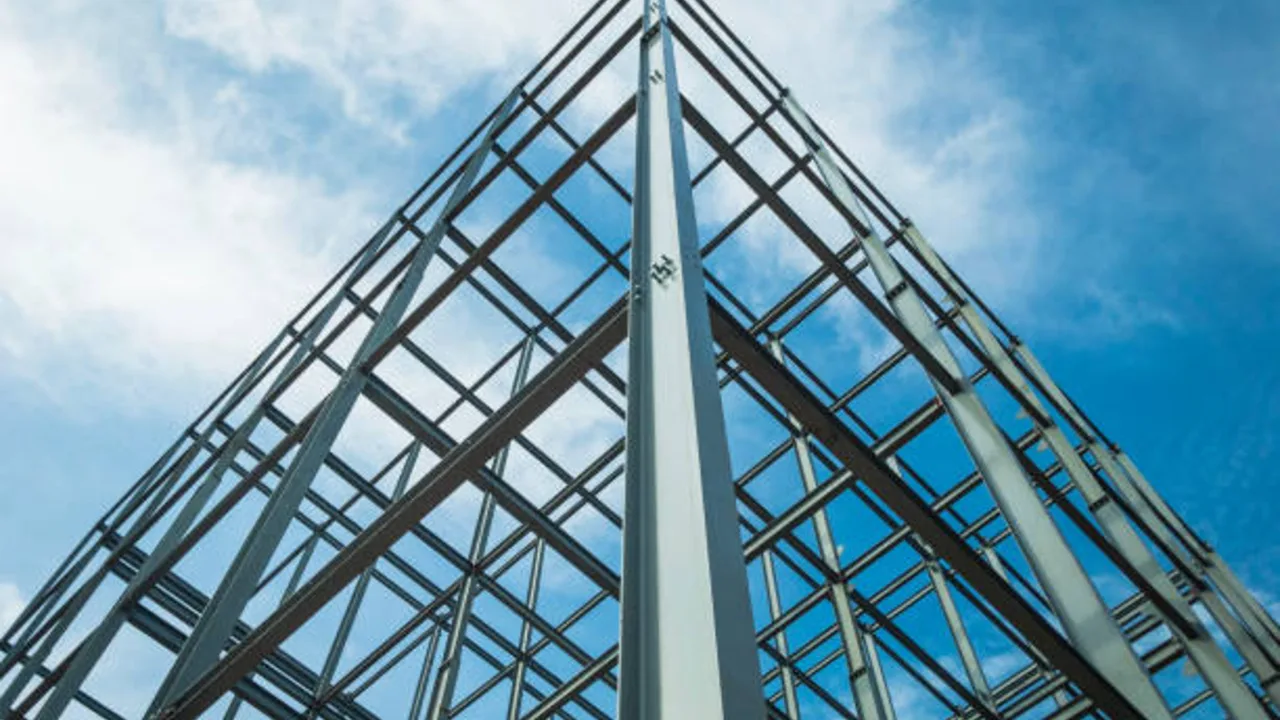
Column Grid and Interior Flexibility
Column spacing is one of the most important parameters in steel factory planning. Wider column grids provide larger unobstructed production areas, improving flexibility in machinery placement and workflow organization.
In multi-shift steel factory design, wider spans help prevent congestion during peak operational hours when multiple teams are working simultaneously. A flexible interior layout also allows the facility to adapt to future equipment upgrades without major structural modifications.
Engineers must carefully balance span length, structural cost, and load capacity to achieve optimal column spacing.
Load Capacity and Equipment Placement
Heavy industrial machinery generates concentrated loads that must be carefully distributed through the structural system. Equipment such as forging presses, machining centers, and robotic assembly systems may impose significant static and dynamic forces on the structure.
A successful multi-shift steel factory design considers both current equipment loads and potential future upgrades. Structural members are sized to accommodate long-term operational demands while maintaining safety margins.
Load distribution planning also ensures that vibration-sensitive areas such as quality inspection zones remain stable during production activities.
Crane Systems and Internal Logistics
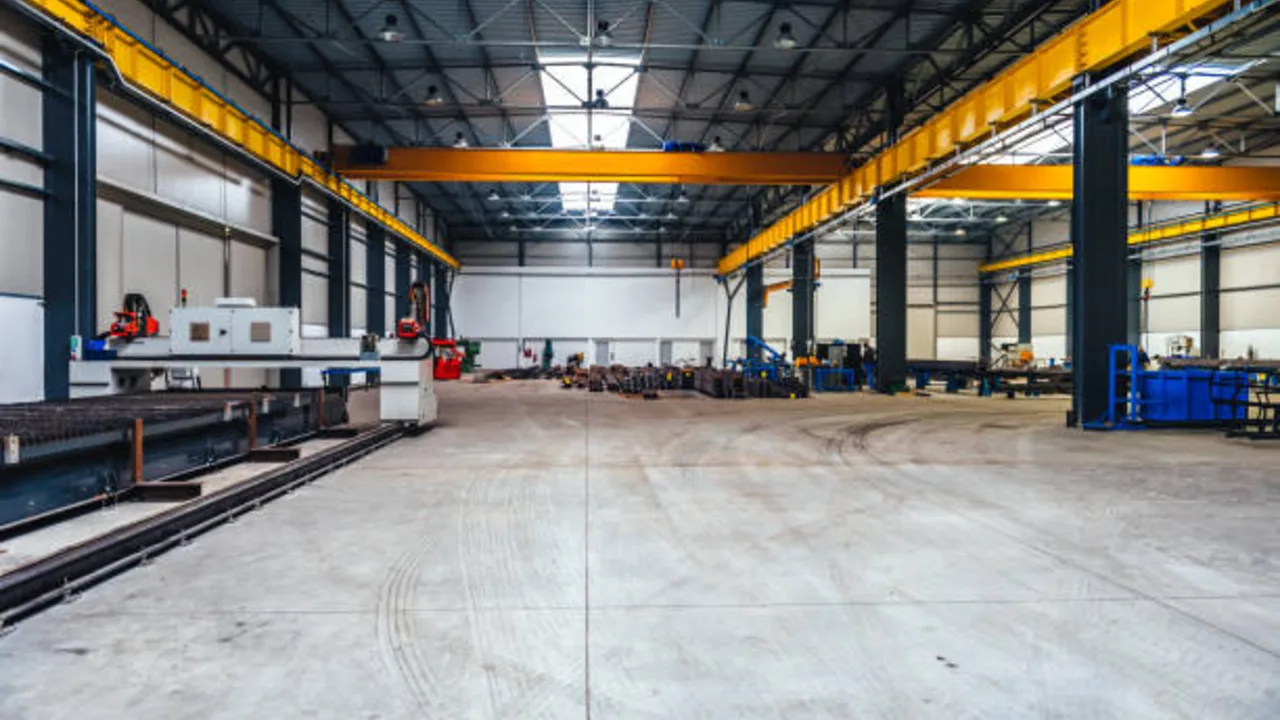
Many industrial factories rely on overhead cranes to transport heavy materials across production areas. These cranes introduce moving loads that must be considered during structural design.
Crane beams, columns, and bracing systems are typically reinforced in multi-shift steel factory design to handle repeated operational cycles. Proper crane runway alignment ensures smooth material handling and reduces equipment wear.
In large manufacturing facilities, crane systems may operate continuously throughout multiple shifts. Structural engineers must therefore design crane-supporting elements to maintain performance under prolonged operational conditions.
Lighting Strategy in Multi-Shift Steel Factory Design
Lighting is one of the most critical factors influencing productivity in multi-shift factories. Workers performing precision tasks during night shifts rely entirely on artificial lighting systems. Poor lighting conditions can lead to reduced productivity, increased fatigue, and higher accident risks.
Importance of Proper Lighting Levels
Maintaining appropriate lighting levels across all production areas is essential for worker safety and operational accuracy. In multi-shift steel factory design, lighting systems must deliver consistent illumination regardless of external daylight conditions.
Lighting levels vary depending on the type of work being performed. Assembly zones typically require moderate illumination, while inspection stations and machining areas demand higher lighting levels to support detailed tasks.
Carefully designed lighting systems ensure that workers can operate safely and efficiently during all shifts.
Combining Daylight and Artificial Lighting
Although night operations rely primarily on artificial lighting, daytime natural light still plays an important role in energy efficiency. Many factories incorporate roof skylights or daylight panels to reduce electricity consumption during daytime operations.
In an optimized multi-shift steel factory design, daylight systems work together with LED lighting to create balanced illumination across the workspace. During daylight hours, natural light reduces energy demand, while at night high-efficiency LED systems maintain stable lighting levels.
Energy-efficient lighting design helps reduce operational costs in factories that operate continuously.
Lighting Layout for Different Work Zones
Different areas inside the factory require different lighting configurations. Production lines, assembly areas, inspection stations, and storage zones all have distinct lighting requirements.
For example, quality inspection zones typically require higher illumination levels to ensure accurate visual assessment of products. Storage zones may require lower lighting intensity but wider coverage for forklift navigation.
By carefully planning lighting levels across operational zones, engineers ensure that multi-shift steel factory design supports both productivity and safety throughout the entire facility.
Ventilation and Thermal Comfort in 24-Hour Steel Factories
Factories that operate multiple shifts must maintain stable indoor environmental conditions throughout the day and night. Heat generated by machinery, welding operations, and production processes can accumulate rapidly inside enclosed industrial buildings. For this reason, ventilation planning is a critical component of multi-shift steel factory design.
Without proper ventilation systems, internal temperatures can rise significantly during continuous operations, affecting worker productivity and equipment performance. A well-designed steel factory incorporates both natural and mechanical ventilation strategies to maintain consistent air circulation.
Heat Management in Industrial Production
Heavy industrial equipment such as furnaces, presses, and machining centers generates significant heat during operation. In facilities running multiple shifts, this heat accumulates over time and must be efficiently removed from the workspace.
In multi-shift steel factory design, engineers typically incorporate ridge ventilators, roof exhaust systems, and high-capacity wall louvers to promote continuous airflow. These systems allow warm air to rise and exit through the roof while cooler air enters through lower openings.
Maintaining balanced air movement helps prevent heat buildup and ensures comfortable working conditions during extended production cycles.
Air Circulation and Worker Comfort
Air movement is essential for maintaining worker comfort during long working hours. Poor air circulation can lead to stagnant air zones, especially in large factories with tall ceilings and wide spans.
Modern multi-shift steel factory design often includes large-diameter ceiling fans, roof ventilators, and mechanical air extraction systems to improve airflow distribution. These solutions help maintain consistent temperatures across the workspace and reduce humidity levels in manufacturing environments.
Proper ventilation also contributes to occupational health by removing fumes, dust, and airborne particles generated during industrial processes.
Workflow Efficiency and Factory Layout
Efficient production flow is essential in factories operating multiple shifts. Because production continues almost continuously, any inefficiency in material handling or layout design can quickly reduce productivity.
A carefully planned multi-shift steel factory design organizes the facility to support smooth material movement and minimize unnecessary transportation within the building.
Production Line Orientation
Production lines are typically arranged in a linear sequence that follows the manufacturing process from raw materials to finished products. This arrangement reduces cross-traffic and allows workers from different shifts to continue operations without disruption.
Long-span steel structures allow engineers to align production equipment efficiently while maintaining open circulation routes for forklifts and automated guided vehicles.
Separation of Logistics and Production Areas
One of the most important layout principles in multi-shift steel factory design is separating material logistics from production work zones. Forklift routes, raw material storage, and shipping areas should operate independently from assembly or machining stations.
Clear traffic segregation improves operational safety, particularly during night shifts when visibility may be reduced despite adequate lighting levels.
Safety Considerations in Multi-Shift Steel Factories
Operating factories across multiple shifts introduces unique safety challenges. Workers must remain alert in both daytime and nighttime environments, and factory infrastructure must support consistent safety conditions.
Proper planning ensures that multi-shift steel factory design promotes safe operations regardless of the time of day.
Visibility and Accident Prevention
Lighting plays a major role in preventing accidents. Areas with heavy equipment or moving materials must maintain reliable illumination throughout the entire production cycle.
Well-designed lighting systems ensure that forklift operators, machine operators, and maintenance staff can perform their tasks safely even during night operations.
Emergency Access and Evacuation Routes
Emergency exits, fire escape corridors, and evacuation routes must remain clearly visible and unobstructed at all times. In multi-shift factories, evacuation planning must consider that the building may be fully occupied during nighttime hours.
Designers ensure that escape routes are clearly marked and evenly distributed across the facility.
Monitoring Systems for Night Operations
Factories operating overnight often rely on monitoring technologies to support operational safety. Cameras, automated alarms, and digital monitoring systems help supervisors maintain situational awareness throughout the facility.
These systems complement the structural and architectural planning involved in multi-shift steel factory design.
Hebei Jin Ou Medical Equipment Phase 2 Factory
A practical example of multi-shift steel factory design can be seen in the Hebei Jin Ou Medical Equipment Phase 2 project, a modern manufacturing facility developed to support large-scale production of medical equipment components. The factory was designed with a steel structural system to accommodate continuous production schedules and high manufacturing precision requirements.
Because medical equipment manufacturing often requires extended operational hours and strict production control, the building layout was planned to support efficient multi-shift operations. The steel factory structure provides large column-free interior spaces, allowing flexible placement of automated production lines, assembly equipment, and quality inspection zones.
Lighting design played an important role in the project. Production areas were equipped with high-efficiency industrial lighting systems to maintain stable lighting levels across the entire workspace. This ensures that precision assembly and inspection processes can operate reliably during both day and night shifts.
Ventilation systems were also integrated into the steel factory structure to maintain a stable indoor environment during long production cycles. Roof ventilation openings and airflow planning help remove heat generated by equipment while maintaining comfortable working conditions for employees working across multiple shifts.
From a structural perspective, the factory utilizes a portal rigid frame steel system that enables wide spans and efficient load distribution. This structural configuration supports both heavy production equipment and flexible workflow organization—two essential factors in successful multi-shift steel factory design.
The Hebei Jin Ou Medical Equipment Phase 2 facility demonstrates how modern steel factory engineering can support continuous manufacturing operations while maintaining high standards for safety, lighting performance, and production efficiency.
Future Trends in Multi-Shift Steel Factory Design
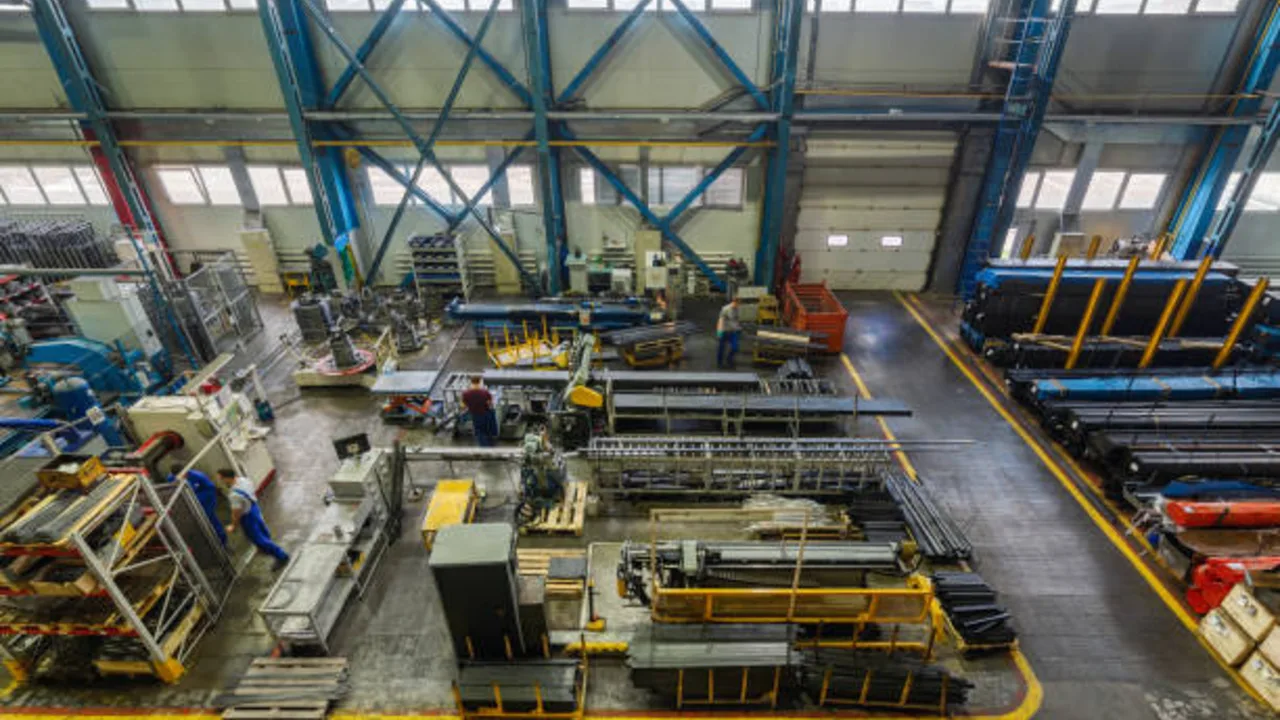
Industrial buildings are evolving rapidly as manufacturing technologies become more advanced. Modern factories increasingly integrate automation, robotics, and digital monitoring systems to improve productivity.
Future multi-shift steel factory design will likely incorporate intelligent building systems that monitor environmental conditions in real time. Sensors can automatically adjust lighting levels, ventilation rates, and energy consumption based on operational needs.
Energy-efficient lighting systems, automated climate control, and smart logistics technologies will continue to improve factory efficiency while reducing operational costs.
Conclusion
Designing a steel factory capable of supporting multiple shifts requires careful coordination between structural engineering, industrial workflow planning, and environmental control systems. Proper lighting levels, efficient layouts, and robust structural systems are essential for maintaining safe and productive working environments.
A well-executed multi-shift steel factory design supports continuous production while protecting worker safety and operational efficiency. By combining flexible steel structures with modern industrial design strategies, factories can operate reliably around the clock while adapting to future manufacturing demands.
For companies planning new industrial facilities, partnering with an experienced factory steel structure provider ensures that both structural performance and operational efficiency are optimized from the earliest stages of design.