As global infrastructure demand continues to rise, chinese steel overseas projects have become a defining force in international construction and industrial development. From Southeast Asia to the Middle East and Africa, Chinese steel manufacturers are no longer limited to domestic supply. Instead, they are delivering complete structural solutions that integrate engineering, fabrication, export packing, and international logistics to support complex overseas projects.
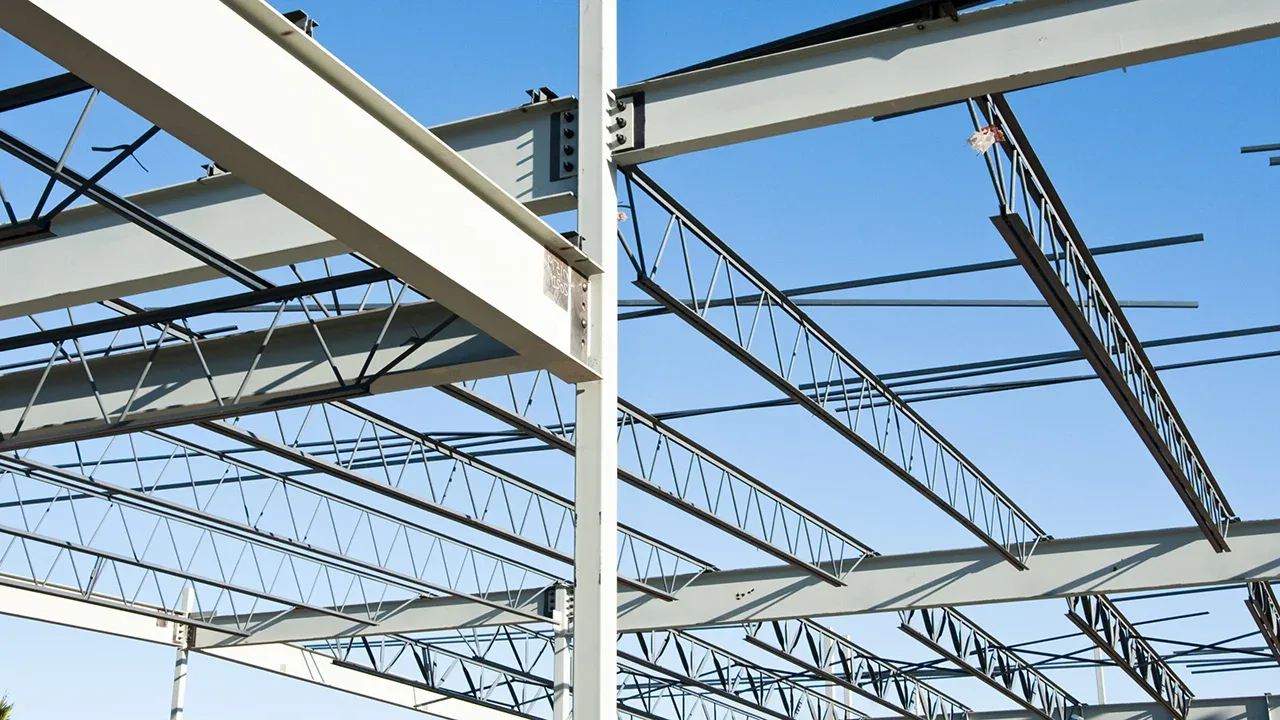
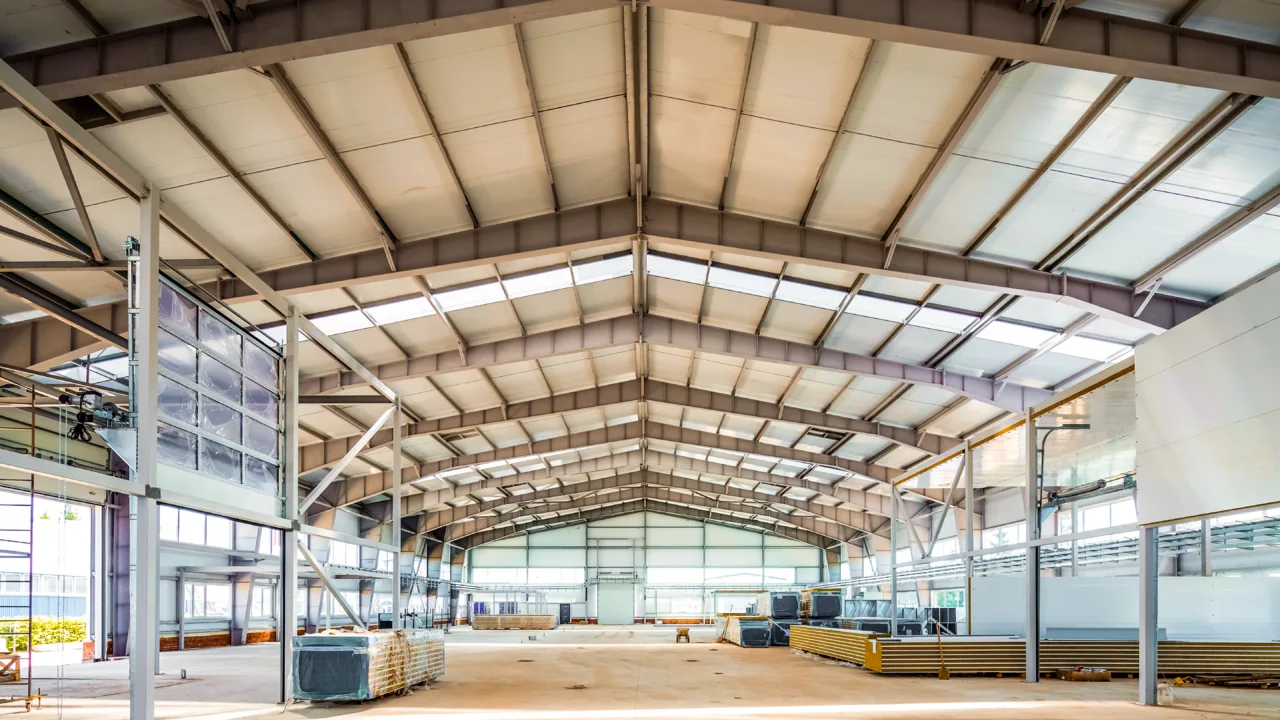
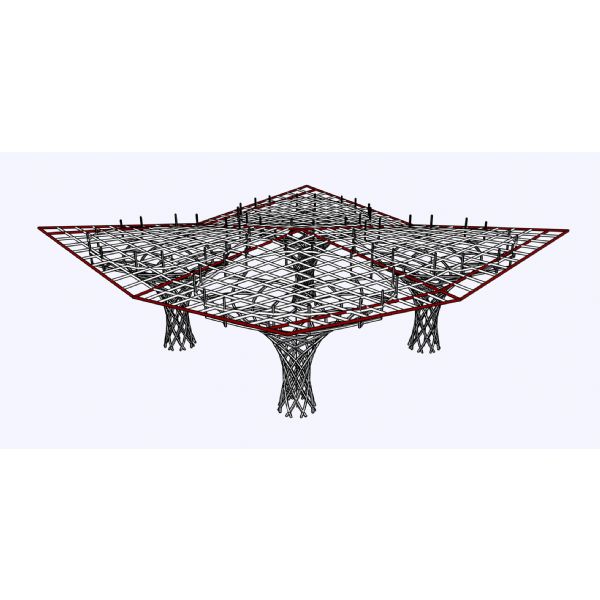
Unlike traditional steel exports that focus solely on raw materials, modern chinese steel overseas projects emphasize system-level delivery. This includes prefabricated steel structures, industrial buildings, warehouses, platforms, and large-span frameworks that are manufactured in China and assembled efficiently on-site abroad.
The Growing Role of Chinese Steel in Global Projects
Over the past decade, Chinese steel manufacturers have shifted from price-driven exporters to solution-oriented partners. This evolution is driven by experience gained from thousands of overseas projects, improved quality standards, and a deeper understanding of international construction requirements.
Today, chinese steel overseas projects cover a wide range of applications, including:
- Industrial plants and manufacturing facilities
- Warehouses and logistics centers
- Steel platforms and mezzanine systems
- Energy and infrastructure projects
- Large-span commercial and public buildings
These projects require more than steel supply. They demand reliable design coordination, export-ready fabrication, and seamless logistics execution.
Engineering and Fabrication Tailored for Overseas Use

One of the key strengths behind chinese steel overseas projects is the ability to adapt engineering designs to international standards. Chinese manufacturers commonly work with EN, AISC, and other global structural codes, ensuring compatibility with local regulations in target markets.
Steel components are fabricated with precise tolerances to support fast on-site installation. Bolted connections, modular members, and standardized assembly sequences reduce labor dependency and minimize construction risks in unfamiliar environments.
For developers and contractors, working with a reliable prefab steel structure manufacturer in china allows overseas projects to achieve predictable timelines, controlled costs, and consistent quality across borders.
Export Packing: Protecting Steel Structures Across Long Distances
Export packing plays a critical role in the success of chinese steel overseas projects. Steel structures often travel thousands of kilometers by sea before reaching their destination. Improper packing can result in corrosion, deformation, or missing components — all of which cause costly delays.
Professional steel manufacturers implement systematic export packing strategies, including:
- Component classification and labeling by installation sequence
- Anti-corrosion treatment and moisture protection
- Reinforced bundling for long-span members
- Custom packing plans for container or bulk shipping
This approach ensures that steel components arrive on site in optimal condition and can be installed immediately without rework or replacement.
International Logistics and Project Coordination
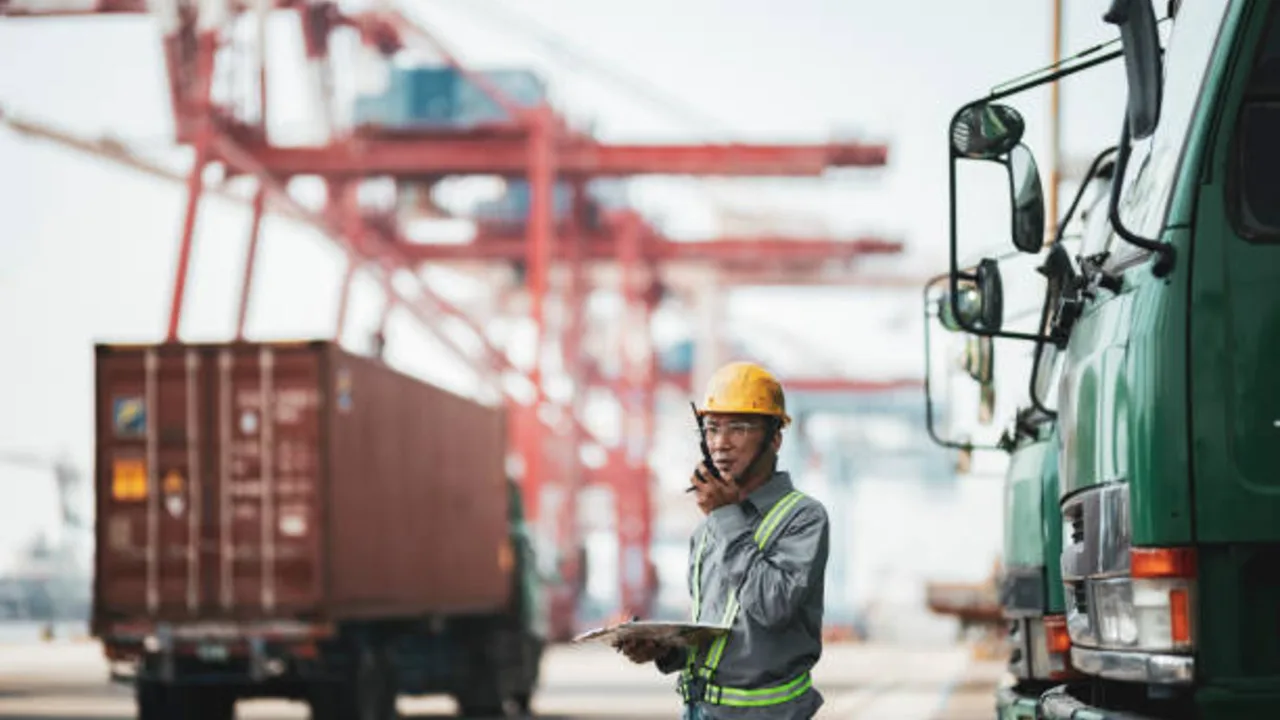
Beyond fabrication, logistics coordination is a major differentiator in chinese steel overseas projects. Shipping steel structures involves more than booking containers. It requires synchronization between production schedules, shipping windows, customs clearance, and on-site installation readiness.
Experienced manufacturers work closely with logistics partners to:
- Optimize container loading to reduce freight costs
- Plan phased deliveries aligned with construction milestones
- Prepare complete shipping documentation for customs compliance
- Reduce on-site storage pressure at overseas project locations
This integrated logistics model allows overseas projects to maintain momentum and avoid costly idle time.
Case Insight: Large-Scale Overseas Steel Projects
The scale and complexity of <strong>chinese steel overseas projects</strong> continue to grow as Chinese manufacturers move beyond traditional export roles and become long-term industrial partners in overseas markets. A notable example is the large-scale overseas steel project in Vietnam reported by Yicai Global, which illustrates how Chinese steel companies are increasingly involved in the entire industrial value chain rather than acting solely as material suppliers.
In this Vietnam project, Chinese companies are not only exporting steel products but also participating directly in overseas production, factory construction, and industrial ecosystem development. This includes the delivery of prefabricated steel structures, production workshops, equipment platforms, and supporting infrastructure — all engineered, manufactured, and coordinated under an integrated project model. Such involvement reflects a strategic shift toward localization, long-term investment, and operational presence in host countries.
These large-scale initiatives demonstrate a clear transition from simple export-based transactions to sustainable industrial collaboration. Instead of shipping finished steel components and disengaging after delivery, Chinese steel manufacturers now support overseas projects through design adaptation, construction coordination, and phased delivery aligned with local production schedules. Steel structures, equipment platforms, and factory buildings are increasingly delivered as complete systems, optimized for rapid installation and long-term operation.
Another important aspect highlighted by these projects is risk management. By controlling engineering standards, fabrication quality, export packing, and logistics planning, Chinese manufacturers reduce uncertainties associated with overseas construction — such as material mismatches, delayed shipments, and installation inefficiencies. This integrated approach allows overseas developers to shorten construction timelines, stabilize project costs, and accelerate the transition from construction to production.
More importantly, these projects signal a broader evolution in how <strong>chinese steel overseas projects</strong> are positioned globally. They are no longer viewed as low-cost export solutions, but as comprehensive industrial delivery models supported by Chinese engineering expertise, manufacturing scale, and project management experience. As infrastructure investment continues to expand across Southeast Asia, the Middle East, and Africa, this system-level capability is becoming a key reason why overseas developers increasingly rely on Chinese steel partners for complex, high-value industrial projects.
Why Overseas Developers Choose Chinese Steel Manufacturers
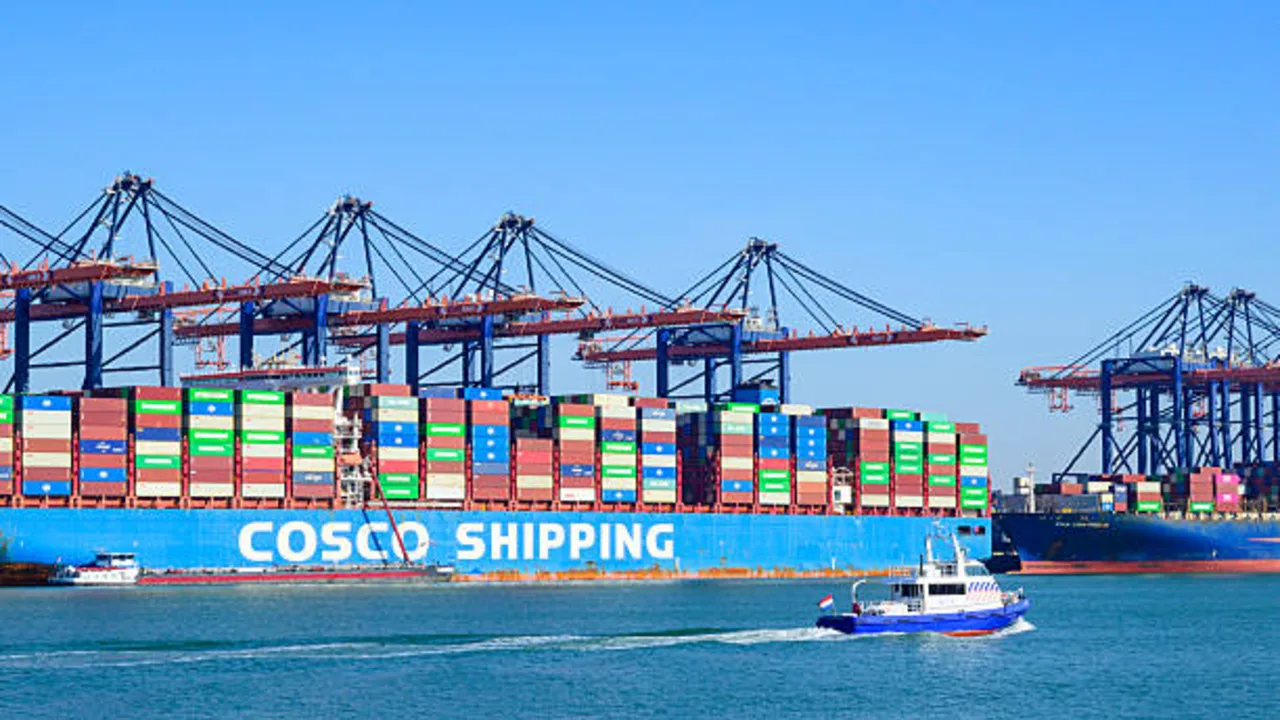
Developers and contractors involved in chinese steel overseas projects increasingly select Chinese steel manufacturers not only for cost considerations, but for their ability to deliver reliable, scalable, and execution-ready solutions across international markets. As overseas projects grow in size and technical complexity, decision makers prioritize partners who can reduce uncertainty while maintaining performance and schedule control.
One of the most significant advantages is China’s unmatched manufacturing capacity. Large-scale steel factories operate with high levels of automation, standardized production lines, and rigorous quality control systems. This allows manufacturers to scale output rapidly without sacrificing consistency — a critical factor for overseas projects where phased delivery and tight timelines are common. Whether the project involves a single industrial facility or a multi-phase development, production capacity remains stable and predictable.
Another key reason lies in proven overseas execution experience. Chinese steel manufacturers have accumulated extensive hands-on knowledge through projects across Southeast Asia, the Middle East, Africa, and other emerging markets. This exposure builds practical understanding of diverse climates, labor conditions, regulatory frameworks, and logistical challenges. As a result, manufacturers are better equipped to anticipate issues such as corrosion risks, transportation constraints, or installation limitations before they impact project progress.
Integrated service capability further strengthens their position. Rather than coordinating multiple suppliers for design, fabrication, export packing, and shipping, overseas developers can work with a single partner that manages the entire delivery chain. This integration reduces communication gaps, minimizes coordination errors, and shortens decision cycles. Design adjustments can be implemented quickly, fabrication schedules can be aligned with shipping windows, and logistics plans can be optimized around on-site installation readiness.
Cost efficiency remains a major factor, but its value extends beyond initial pricing. Chinese steel manufacturers achieve competitive costs through economies of scale, optimized material sourcing, and efficient production workflows. More importantly, these savings do not come at the expense of structural performance. Steel structures are engineered to meet international standards, ensuring strength, durability, and long-term safety in demanding industrial environments. For overseas developers, this balance between cost control and technical reliability translates into lower lifecycle costs and reduced project risk.
Together, these advantages position Chinese steel manufacturers as strategic partners rather than transactional suppliers. For overseas industrial and infrastructure projects that demand speed, reliability, and long-term value, working with experienced Chinese steel manufacturers provides a clear pathway to successful execution and sustainable project outcomes.
Conclusion: A Complete Ecosystem for Overseas Steel Projects
The success of chinese steel overseas projects lies in the ability to deliver more than steel. By combining engineering expertise, export packing discipline, and international logistics coordination, Chinese manufacturers support overseas projects from factory floor to final installation.
As global construction continues to expand, this integrated approach positions Chinese steel manufacturers as key contributors to the next generation of international industrial development.