In today’s global construction and industrial landscape, steel manufacturers are increasingly required to execute projects that follow different international standards simultaneously. Projects may involve European (EN), American (ASTM), British (BS), or ISO specifications, often within the same production facility. This growing complexity has made multi-standard steel manufacturing a critical capability for modern steel factories.
Rather than operating under a single unified standard, manufacturers must now develop systems that allow them to handle multiple technical requirements without compromising quality, efficiency, or compliance. Successfully managing mixed-standard projects requires precise coordination, robust documentation control, and disciplined production processes.
Factories that can effectively manage these complexities gain a significant competitive advantage in international markets. However, without proper systems in place, the risk of errors, misapplication of standards, and quality issues increases significantly.
What Is Multi-Standard Steel Manufacturing?
Definition and Scope
Multi-standard steel manufacturing refers to the capability of a steel factory to simultaneously execute projects that are governed by different international standards within a single production environment. This involves managing variations in material specifications, welding procedures, inspection criteria, and documentation requirements without compromising production efficiency or quality.
Unlike traditional manufacturing systems that operate under a single standard, multi-standard steel manufacturing requires a highly flexible operational framework. Production workflows, quality control systems, and documentation processes must all be adaptable to accommodate multiple technical requirements at the same time.
This complexity extends across the entire production chain—from procurement of raw materials to fabrication, inspection, and final delivery. Each stage must align with the specific requirements of the applicable standard, making coordination and traceability essential.
Why It Is Increasingly Common
The growing number of international EPC (Engineering, Procurement, and Construction) projects has significantly increased the need for multi-standard steel manufacturing. Globalization has enabled clients to source fabrication services from different regions, but they still require compliance with their domestic or project-specific standards.
As a result, steel manufacturers are no longer limited to a single regulatory framework. A single factory may be required to produce structural components for multiple projects simultaneously, each with its own set of standards.
For example, a manufacturer may be fabricating steel structures for a European infrastructure project under EN standards while also producing components for a North American project that must comply with ASTM specifications. This overlap creates both opportunities and operational challenges.
Types of Standards Involved
Mixed-standard projects typically involve a combination of widely recognized international codes. Each standard has its own technical requirements, documentation systems, and quality criteria.
| Standard | Region / Application | Key Focus Areas | Impact on Manufacturing |
|---|---|---|---|
| EN Standards | Europe | Structural design, execution classes, welding requirements | Strict compliance in fabrication tolerances and execution procedures |
| ASTM Standards | North America | Material specifications, testing methods, mechanical properties | Focus on material traceability and standardized testing protocols |
| BS Standards | UK and legacy systems | Structural codes and historical engineering practices | May require compatibility with older project specifications |
| ISO Standards | Global | Quality management, process control, documentation systems | Supports consistency across different projects and standards |
Managing an EN ASTM mix is one of the most common scenarios in multi-standard steel manufacturing. While both standards are widely used, they often differ in critical areas such as material grading systems, dimensional tolerances, and inspection acceptance criteria.
For example, a material grade defined under EN may not have a direct ASTM equivalent, requiring careful selection and validation. Similarly, welding acceptance levels and non-destructive testing requirements may vary between the two standards, making precise control essential.
To successfully manage these differences, manufacturers must implement clear segregation systems, robust documentation control, and highly trained personnel who understand the nuances of each standard.
Key Challenges in Mixed Standard Projects
Conflicting Technical Requirements
Different standards often specify different requirements for materials, fabrication, and testing. For example, material grades under EN may not have direct equivalents in ASTM, leading to confusion if not properly managed.
Similarly, welding procedures and acceptance criteria can vary significantly between standards, requiring careful coordination to avoid non-compliance.
Documentation Complexity
One of the biggest challenges in multi-standard steel manufacturing is managing documentation. Each project may require separate drawings, specifications, and quality records aligned with its respective standard.
Without strict document control, there is a high risk of using incorrect specifications during production.
Risk of Misapplication
In a mixed-standard environment, the risk of applying the wrong standard to a component is a major concern. This can lead to rework, delays, or even rejection during inspection.
Clear identification systems and disciplined workflows are essential to prevent such errors.
Quality Control Difficulties
Quality control becomes more complex when different standards require different inspection methods, tolerances, and acceptance criteria. QA/QC teams must be fully aware of the specific requirements for each project.
This requires not only technical knowledge but also strong coordination across departments.
Managing EN ASTM Mix in Production
Material Segregation Strategy
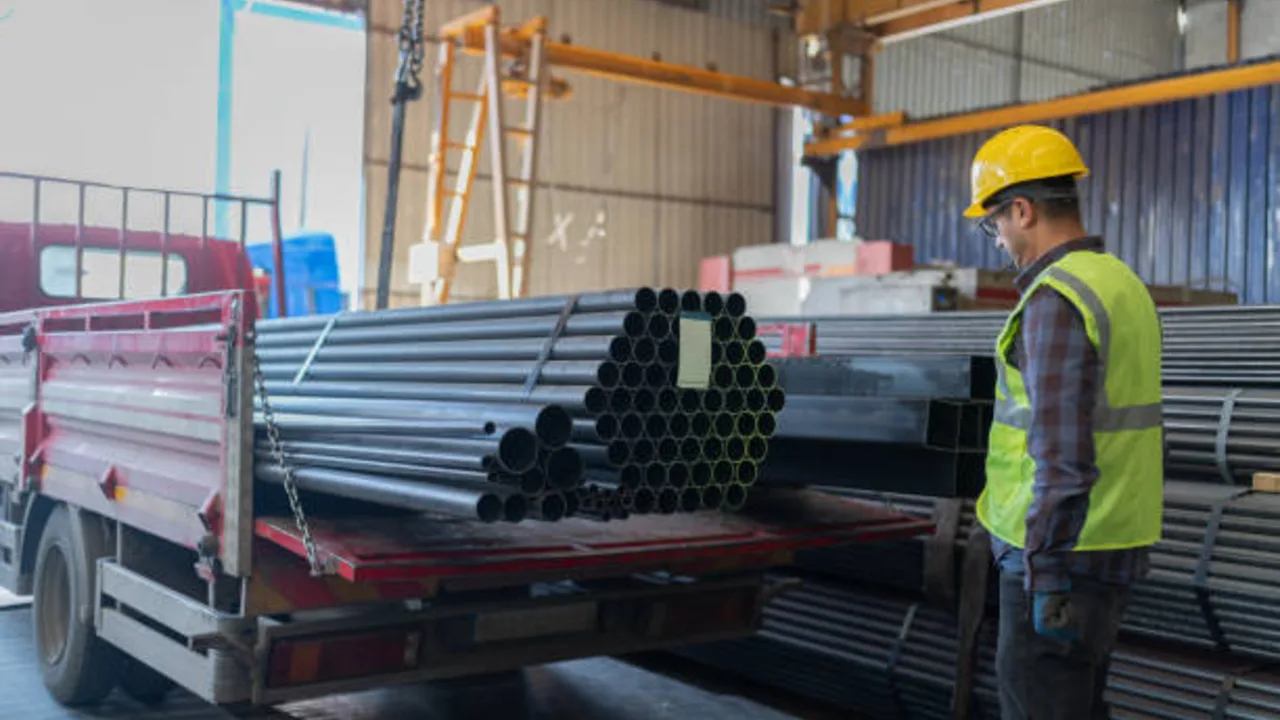
One of the most effective ways to manage an EN ASTM mix is through strict material segregation. Raw materials and components should be clearly separated based on their applicable standards.
This reduces the risk of mixing materials with different specifications and ensures traceability throughout the production process.
Standard-Specific Marking Systems
Clear labeling is critical in multi-standard environments. Each component should be marked with its corresponding standard, project reference, and identification code.
Color coding, tagging systems, and digital tracking tools are often used to enhance visibility and prevent confusion.
Separate Workflow or Unified System?
Factories must decide whether to run separate production lines for different standards or integrate them into a unified system. Both approaches have advantages and challenges.
- Separate workflows: reduce risk but may limit efficiency
- Unified systems: improve efficiency but require stricter control
The choice depends on factory scale, project complexity, and operational capabilities.
Traceability Requirements
Traceability is a core requirement in multi-standard steel manufacturing. Every material, weld, and inspection record must be traceable back to its source and corresponding standard.
Advanced tracking systems, including digital databases and barcode systems, are often used to maintain accurate records.
Welding and Fabrication Control Across Standards
WPS Qualification Differences
Welding Procedure Specifications (WPS) must be qualified according to the applicable standard. EN and ASTM may have different qualification requirements, including test methods and acceptance criteria.
Using the wrong WPS can lead to non-compliance and potential structural risks.
Welder Certification Requirements
Welder qualifications must also match the relevant standard. A welder certified under one standard may not automatically meet the requirements of another.
Factories must ensure that personnel certifications are aligned with project-specific standards.
Inspection Criteria Variations
Inspection standards vary between EN and ASTM, particularly in areas such as weld acceptance levels and dimensional tolerances. QA/QC teams must be trained to apply the correct criteria for each project.
NDT Requirements
Non-destructive testing (NDT) methods and acceptance criteria can differ significantly across standards. Radiographic testing, ultrasonic testing, and visual inspections must all be performed according to the relevant codes.
Strict adherence to these requirements is essential for successful project execution.
Documentation and Quality Control Systems
Multi-Standard Document Control
Effective multi-standard steel manufacturing depends heavily on disciplined document control. Each project must have clearly defined drawings, specifications, and procedures aligned with its applicable standard. Documents should be version-controlled, approved, and distributed through a centralized system to avoid confusion on the shop floor.
Segregating documents by project and standard helps prevent misapplication. Digital document management systems further enhance control by ensuring that only the latest approved revisions are accessible to production teams.
Inspection and Test Plan (ITP) Management
An Inspection and Test Plan (ITP) must be tailored to each standard involved in the project. In a mixed-standard environment, ITPs define inspection stages, responsibilities, and acceptance criteria specific to each code.
Clear identification of hold points and witness points is essential. QA/QC teams must coordinate closely with inspectors to ensure that inspections are conducted according to the correct standard at every stage.
Digital Tracking Systems
Digital tracking tools play a crucial role in managing complexity. Barcode systems, RFID tagging, and integrated production software allow manufacturers to track materials, components, and inspection records in real time.
These systems improve traceability, reduce human error, and provide instant access to critical information during audits or inspections.
Audit Readiness
Factories engaged in multi-standard steel manufacturing must always be prepared for audits. Clients and third-party inspectors often review documentation, procedures, and production records to verify compliance.
Maintaining well-organized records and consistent processes ensures smooth audits and builds client confidence.
Factory-Level Coordination for Mixed Projects
Cross-Department Communication
Effective coordination is one of the most critical success factors in multi-standard steel manufacturing. Managing projects that follow different standards requires seamless communication between engineering, production, procurement, and quality teams. Each department must fully understand not only its own responsibilities but also how its actions impact other functions within the production chain.
Engineering teams define specifications, procurement sources compliant materials, production executes fabrication, and QA/QC verifies compliance. If any of these functions operate in isolation, the risk of misalignment increases significantly.
To maintain consistency, manufacturers should implement structured communication channels such as regular coordination meetings, cross-functional briefings, and standardized reporting systems. These practices ensure that all stakeholders are aligned with project-specific requirements, timelines, and standards.
In complex environments where multiple standards are applied simultaneously, clear communication is not optional—it is essential for preventing errors and maintaining production efficiency.
Engineering vs Production Alignment
In multi-standard steel manufacturing, alignment between engineering and production is particularly important. Engineering teams are responsible for interpreting project specifications and converting them into technical drawings, procedures, and documentation. Production teams, on the other hand, must execute these requirements accurately on the shop floor.
Misalignment between these functions can lead to serious issues, such as applying the wrong standard, using incorrect material grades, or following improper welding procedures. These errors can result in rework, delays, or even rejection during inspection.
To prevent such issues, manufacturers must ensure that engineering outputs are clearly translated into actionable production instructions. This includes simplified shop drawings, clear labeling of standards, and detailed work procedures that are easy for operators to follow.
In addition, feedback loops should be established between production and engineering teams. When production encounters challenges or inconsistencies, this information must be communicated back to engineering for quick resolution.
QA/QC Integration
Quality assurance and quality control (QA/QC) must be fully integrated into every stage of production to ensure compliance across different standards. In multi-standard steel manufacturing, QA/QC teams cannot operate as a final checkpoint alone—they must be actively involved throughout the entire process.
This includes verifying material compliance during incoming inspection, monitoring fabrication processes such as cutting and welding, and conducting final inspections according to the applicable standard. Each inspection stage must be aligned with the specific requirements of the project’s governing code.
Real-time verification is particularly important. QA/QC personnel should work closely with production teams on the shop floor to identify and address issues immediately, rather than waiting until the final inspection stage.
By integrating QA/QC into daily operations, manufacturers can reduce defects, improve traceability, and ensure that every component meets the required standards without compromising efficiency.
Real Project Perspective: Multi-Standard Execution
In real-world scenarios, steel factories often handle projects that require simultaneous compliance with multiple standards. For example, a single facility may produce structural components for a European infrastructure project under EN standards while also manufacturing parts for a North American client following ASTM requirements.
Successful execution in such cases depends on structured planning and disciplined processes. Manufacturers typically begin by segregating materials and documentation, followed by implementing standard-specific workflows.
Targeted training programs ensure that personnel understand the requirements of each standard, while digital tracking systems maintain traceability throughout production.
This level of organization is commonly seen in operations run by experienced fabricated steel structure manufacturer teams, where global project demands require high flexibility and precision.
Best Practices for Multi-Standard Steel Manufacturing
Standard Segregation and Labeling
Clear segregation of materials, components, and documentation is essential. Labeling systems should indicate the applicable standard, project reference, and production stage.
This reduces confusion and prevents errors in production.
Strong Document Control
Maintaining strict control over documentation ensures that the correct specifications are used at all times. Version control, approval workflows, and centralized access are key elements of an effective system.
Training and Awareness
Personnel must be trained to understand the differences between standards. Awareness programs help ensure that workers apply the correct procedures during fabrication.
Continuous training keeps teams updated on changing requirements and best practices.
Continuous Monitoring
Monitoring production performance is critical in a multi-standard environment. Regular checks, audits, and performance reviews help identify potential issues early.
Continuous improvement ensures that processes remain efficient and compliant.
Conclusion: Building Flexible Manufacturing Systems
Multi-standard steel manufacturing represents a key capability for modern steel factories operating in global markets. By implementing structured processes, robust document control, and effective coordination, manufacturers can successfully manage the complexity of mixed-standard projects.
Flexibility, precision, and discipline are essential for maintaining quality and meeting diverse client requirements. Factories that invest in these capabilities are better positioned to compete internationally and deliver consistent, high-quality results.
Documentation and Quality Control Systems
Multi-Standard Document Control
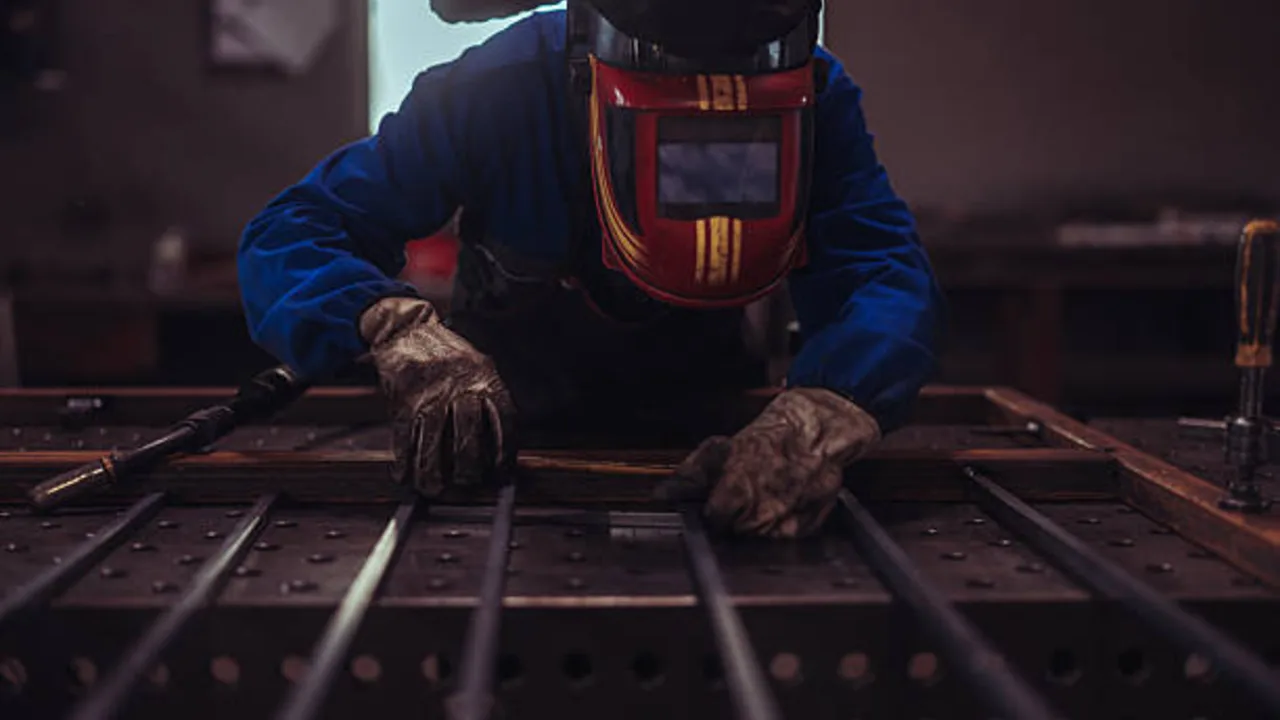
Effective multi-standard steel manufacturing depends heavily on disciplined document control. Each project must have clearly defined drawings, specifications, and procedures aligned with its applicable standard. Documents should be version-controlled, approved, and distributed through a centralized system to avoid confusion on the shop floor.
Segregating documents by project and standard helps prevent misapplication. Digital document management systems further enhance control by ensuring that only the latest approved revisions are accessible to production teams.
Inspection and Test Plan (ITP) Management
An Inspection and Test Plan (ITP) must be tailored to each standard involved in the project. In a mixed-standard environment, ITPs define inspection stages, responsibilities, and acceptance criteria specific to each code.
Clear identification of hold points and witness points is essential. QA/QC teams must coordinate closely with inspectors to ensure that inspections are conducted according to the correct standard at every stage.
Digital Tracking Systems
Digital tracking tools play a crucial role in managing complexity. Barcode systems, RFID tagging, and integrated production software allow manufacturers to track materials, components, and inspection records in real time.
These systems improve traceability, reduce human error, and provide instant access to critical information during audits or inspections.
Audit Readiness
Factories engaged in multi-standard steel manufacturing must always be prepared for audits. Clients and third-party inspectors often review documentation, procedures, and production records to verify compliance.
Maintaining well-organized records and consistent processes ensures smooth audits and builds client confidence.
Factory-Level Coordination for Mixed Projects
Cross-Department Communication
Managing multiple standards requires strong communication between engineering, production, procurement, and quality teams. Each department must clearly understand project-specific requirements.
Regular coordination meetings and clear reporting structures help ensure alignment across all functions.
Engineering vs Production Alignment
Engineering teams define technical requirements, while production teams execute them. Misalignment between these functions can lead to errors in standard application.
To avoid this, manufacturers must ensure that engineering outputs are clearly translated into production instructions.
QA/QC Integration
Quality control should be integrated into every stage of production. QA/QC teams must work closely with production personnel to verify compliance in real time.
This proactive approach reduces the likelihood of defects and rework.
Real Project Perspective: Multi-Standard Execution
In real-world scenarios, steel factories often handle projects that require simultaneous compliance with multiple standards. For example, a single facility may produce structural components for a European infrastructure project under EN standards while also manufacturing parts for a North American client following ASTM requirements.
Successful execution in such cases depends on structured planning and disciplined processes. Manufacturers typically begin by segregating materials and documentation, followed by implementing standard-specific workflows.
Targeted training programs ensure that personnel understand the requirements of each standard, while digital tracking systems maintain traceability throughout production.
This level of organization is commonly seen in operations run by experienced fabricated steel structure manufacturer teams, where global project demands require high flexibility and precision.
Best Practices for Multi-Standard Steel Manufacturing
Standard Segregation and Labeling
Clear segregation of materials, components, and documentation is essential. Labeling systems should indicate the applicable standard, project reference, and production stage.
This reduces confusion and prevents errors in production.
Strong Document Control
Maintaining strict control over documentation ensures that the correct specifications are used at all times. Version control, approval workflows, and centralized access are key elements of an effective system.
Training and Awareness
Personnel must be trained to understand the differences between standards. Awareness programs help ensure that workers apply the correct procedures during fabrication.
Continuous training keeps teams updated on changing requirements and best practices.
Continuous Monitoring
Monitoring production performance is critical in a multi-standard environment. Regular checks, audits, and performance reviews help identify potential issues early.
Continuous improvement ensures that processes remain efficient and compliant.
Conclusion: Building Flexible Manufacturing Systems
Multi-standard steel manufacturing represents a key capability for modern steel factories operating in global markets. By implementing structured processes, robust document control, and effective coordination, manufacturers can successfully manage the complexity of mixed-standard projects.
Flexibility, precision, and discipline are essential for maintaining quality and meeting diverse client requirements. Factories that invest in these capabilities are better positioned to compete internationally and deliver consistent, high-quality results.