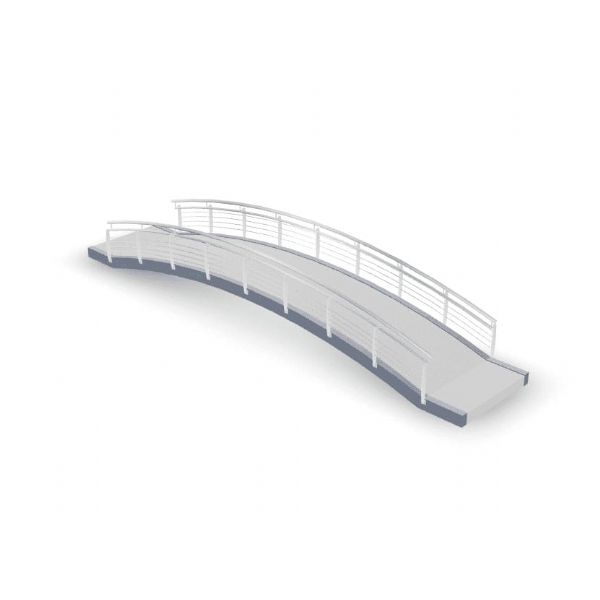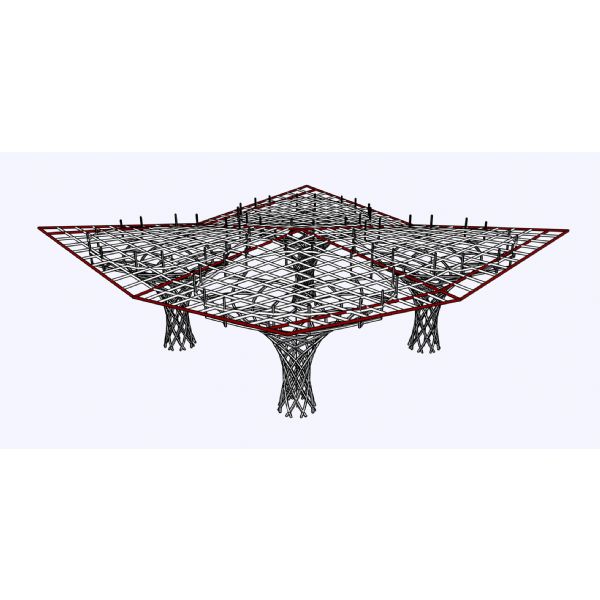
In global industrial supply chains, OEM ODM steel manufacturing has become a strategic solution for brands, contractors, and distributors that want high-quality steel products without owning fabrication facilities. From structural components to fully engineered steel systems, OEM and ODM models allow companies to scale production, reduce costs, and focus on market development.
However, many buyers still misunderstand the difference between OEM and ODM in steel manufacturing. Choosing the wrong model can lead to design limitations, branding issues, or unexpected production constraints. This article explains OEM vs ODM steel manufacturing in detail, helping you select the right approach for your business.
What Is OEM Steel Manufacturing?
OEM (Original Equipment Manufacturer) steel manufacturing refers to a production model where the client provides the complete design, drawings, specifications, and technical requirements, while the manufacturer is responsible only for fabrication and production.
In OEM steel manufacturing, the ownership of the design stays entirely with the client. The manufacturer acts as a production partner, executing the design with precision, quality control, and compliance with required standards.
Typical OEM Steel Manufacturing Scenarios
- Steel structure contractors providing their own engineering drawings
- Brands with in-house design teams outsourcing fabrication
- Projects requiring strict compliance with proprietary specifications
- Private-label steel products with fixed technical standards
OEM is ideal for businesses that already have mature designs but need a reliable fabrication partner with strong manufacturing capacity.
What Is ODM Steel Manufacturing?
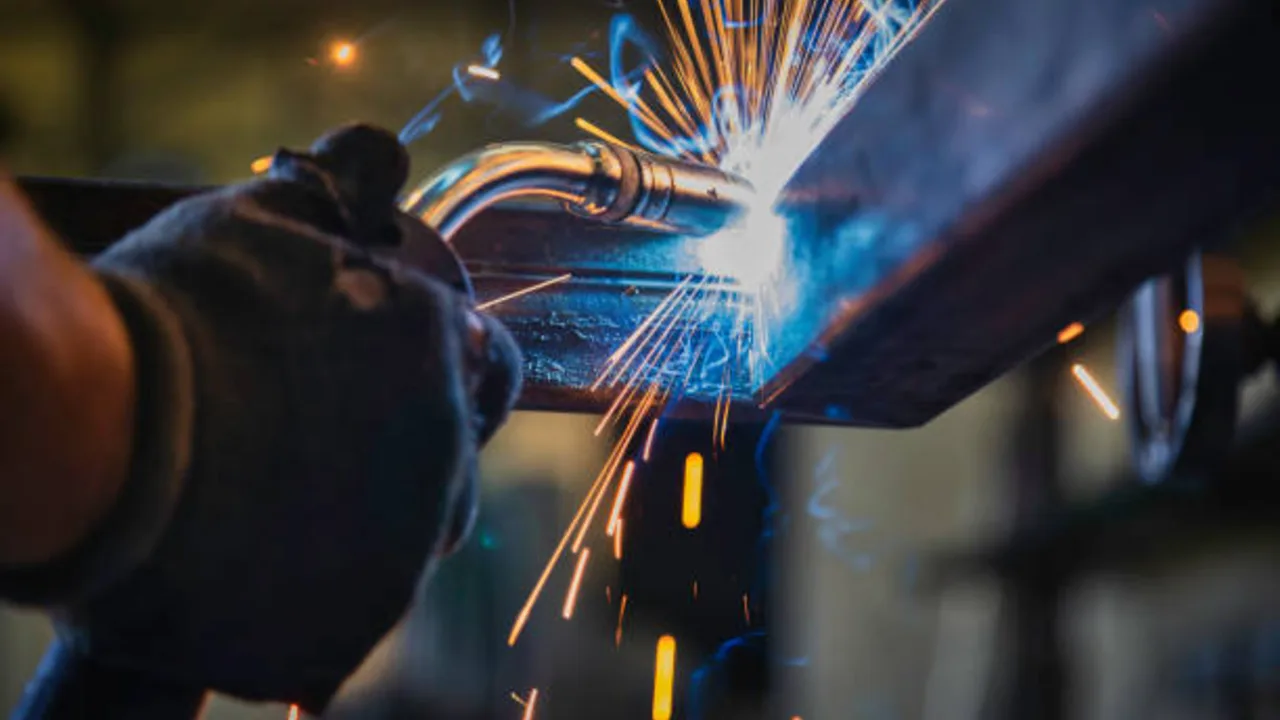
ODM (Original Design Manufacturer) steel manufacturing goes one step further. In this model, the manufacturer not only produces the steel components but also provides design, engineering, optimization, and sometimes even product development.
With OEM ODM steel manufacturing solutions, ODM is commonly chosen by clients who want ready-to-market steel products or customized systems without maintaining an internal engineering team.
Typical ODM Steel Manufacturing Scenarios
- Clients needing custom design support for steel structures
- Companies launching new product lines under private label brands
- Distributors entering new markets quickly
- Projects requiring cost-optimized structural solutions
ODM allows clients to leverage the manufacturer’s engineering experience, proven designs, and production know-how.
OEM vs ODM Steel Manufacturing: Key Differences
| Aspect | OEM Steel Manufacturing | ODM Steel Manufacturing |
|---|---|---|
| Design Ownership | Client-owned | Manufacturer-provided or co-developed |
| Engineering Responsibility | Client | Manufacturer |
| Customization Level | Based on provided drawings | Flexible and optimized design |
| Time to Market | Moderate | Faster |
| Best For | Established designs | New products or rapid expansion |
Why OEM ODM Steel Manufacturing Matters in Today’s Market
As steel projects become more complex and globally distributed, OEM ODM steel manufacturing enables companies to remain competitive without heavy capital investment.
By working with a capable fabricated steel structure manufacturer, businesses gain access to:
- Advanced fabrication equipment
- Experienced structural engineering teams
- International quality standards (EN, ASTM, GB, JIS)
- Scalable production capacity
This approach is especially valuable for steel structures, industrial platforms, warehouses, and prefabricated building systems.
OEM ODM Steel Manufacturing and Custom Design Capabilities
One of the biggest advantages of ODM steel manufacturing is its ability to support custom design. Manufacturers can optimize steel sections, connections, and layouts to improve load performance, reduce material usage, and simplify installation.
OEM ODM steel manufacturing models also support private label strategies. Clients can market steel products under their own brand while relying on the manufacturer’s technical expertise and production reliability.
Material Selection and Quality Control
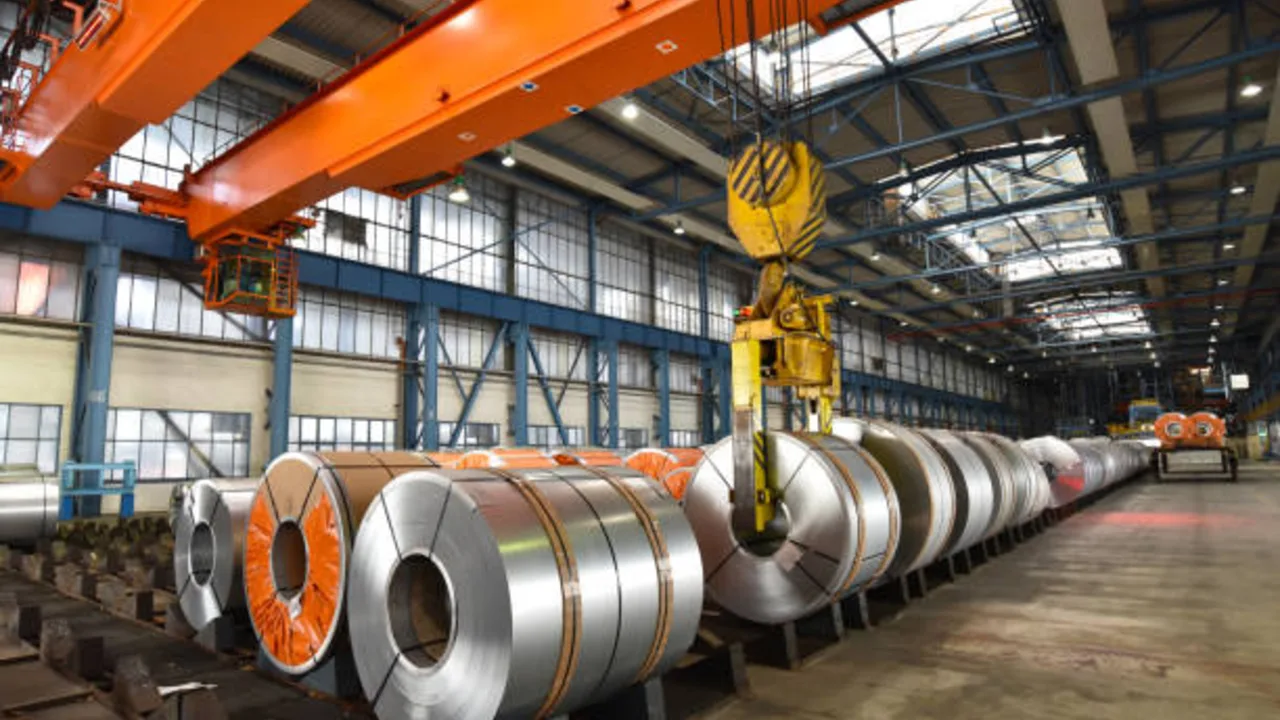
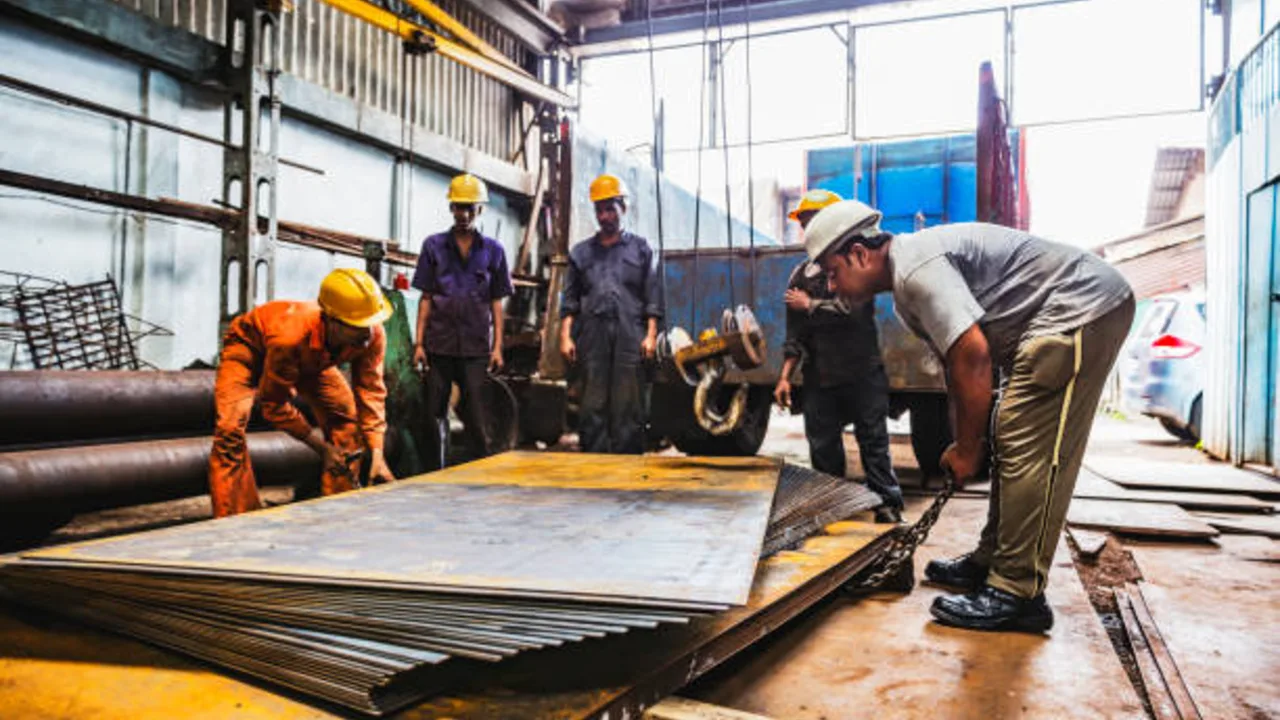
Whether operating under an OEM or ODM model, steel manufacturing depends heavily on material selection and disciplined quality control at every production stage. The performance, durability, and safety of the final steel product are determined long before fabrication begins—starting from raw material sourcing and continuing through cutting, welding, surface treatment, and final inspection.
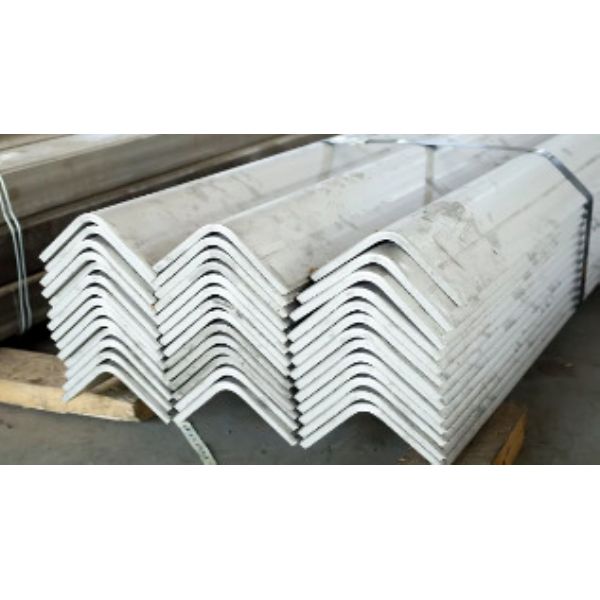
Material selection is the foundation of quality steel manufacturing. Depending on the application, manufacturers commonly work with carbon steel, alloy steel, and stainless steel in various forms such as coils, plates, pipes, and structural profiles. Each material category serves a different purpose: carbon steel is widely used for structural strength and cost efficiency, alloy steel provides enhanced mechanical properties for demanding environments, while stainless steel offers superior corrosion resistance for chemical, food-processing, or high-humidity applications.
In OEM steel manufacturing, materials are usually specified by the client, including steel grade, thickness tolerance, chemical composition, and applicable standards (ASTM, EN, GB, JIS, etc.). The manufacturer’s role is to ensure strict compliance with these specifications, verify mill certificates, and maintain traceability from raw material intake to finished product delivery.
In ODM steel manufacturing, material selection often becomes part of the manufacturer’s engineering responsibility. Experienced manufacturers may recommend alternative steel grades, optimized thicknesses, or different material forms to improve structural performance, reduce weight, or lower overall production cost—while still meeting functional and regulatory requirements.
Quality control spans the entire manufacturing workflow. This typically includes incoming material inspection, dimensional checks during cutting and forming, welding procedure qualification, non-destructive testing (such as ultrasonic or magnetic particle inspection), and surface treatment verification. Processes like shot blasting, galvanizing, or coating are closely monitored to ensure long-term corrosion protection and consistent surface quality.
Final inspection acts as the last safeguard before shipment, confirming dimensional accuracy, structural integrity, surface finish, and packaging standards. For international projects, proper documentation—such as inspection reports, material certificates, and compliance records—is equally critical to ensure smooth logistics and acceptance at the destination site.
For applications involving corrosion-resistant or precision components, understanding industrial stainless steel material forms is especially important. Detailed product specifications from established suppliers, such as those specializing in stainless steel coils for manufacturing, help manufacturers align material properties with fabrication processes and end-use requirements.
Ultimately, strong material control combined with systematic quality assurance is what allows OEM and ODM steel manufacturing projects to achieve consistent performance, long service life, and predictable outcomes—regardless of project size or complexity.
How to Choose Between OEM and ODM Steel Manufacturing
Choosing between OEM and ODM depends on your business goals, internal capabilities, and project requirements.
- Choose OEM if you already have finalized designs and want full control
- Choose ODM if you need engineering support and faster deployment
- Hybrid OEM-ODM models work well for large or evolving projects
Many successful steel projects today use a flexible OEM ODM steel manufacturing approach, allowing collaboration between client and manufacturer at different stages.
Conclusion
OEM ODM steel manufacturing is not just about production — it is about strategic collaboration. OEM offers precision execution of client-owned designs, while ODM delivers engineering-driven solutions that accelerate market entry and innovation.
Understanding the difference between OEM and ODM helps businesses choose the right manufacturing model, reduce risks, and build scalable steel solutions aligned with long-term growth.