Choosing the right supplier is one of the most critical decisions in any construction or industrial project. A proper steel manufacturer audit helps you verify whether a factory can truly deliver the quality, capacity, and reliability promised during sales discussions. Without a structured audit process, buyers risk delays, inconsistent quality, cost overruns, or even project failure.
This guide explains how to audit a steel manufacturer before placing an order, covering practical steps such as factory visits, capability reviews, and risk identification—so you can make informed, confident procurement decisions.
Why a Steel Manufacturer Audit Is Essential
Steel structures are not standardized commodities. Even when two manufacturers quote the same steel grade and drawings, the actual output quality can differ drastically depending on fabrication accuracy, welding discipline, material traceability, and production management systems.
A professional steel manufacturer audit allows buyers to move beyond brochures, certifications, and quotations—and instead evaluate the real operational capability of a factory under normal working conditions.
Without an audit, buyers are often making decisions based on assumptions, not verified facts.
What a Steel Manufacturer Audit Really Protects You From
| Risk Area | Without Audit | With Audit |
|---|---|---|
| Fabrication accuracy | Hidden tolerance issues discovered on-site | Dimensional control verified before ordering |
| Welding quality | Defects found during erection or inspection | WPS, welder qualification, and weld quality verified |
| Material control | Risk of mixed or uncertified steel grades | Full traceability from raw material to finished member |
| Production capacity | Delays due to overpromised output | Capacity confirmed with real production data |
| Project schedule | Unpredictable delivery timelines | Realistic lead time validated |
| Compliance | Non-conformance with project specs | Standards and procedures verified in advance |
Key Benefits of a Steel Manufacturer Audit
An effective audit helps buyers reduce uncertainty at every critical stage of the supply chain.
1. Confirm Real Production Capacity and Technical Competence
Sales capacity and actual fabrication capacity are often not the same.
A steel manufacturer audit verifies:
- Annual fabrication output (tons/year)
- Number of active production lines
- Maximum member size and weight
- Equipment utilization under real workloads
This ensures the factory can handle your project volume without sacrificing quality or schedule.
2. Identify Quality Risks Before Contracts Are Signed
Many steel quality issues are systemic, not accidental.
Audits help uncover risks such as:
- Inconsistent welding procedures
- Lack of in-process inspection
- Poor dimensional control
- Incomplete quality documentation
Fixing these issues after production starts is expensive—identifying them early protects your budget and timeline.
3. Verify Compliance With Standards and Specifications
A steel manufacturer audit validates whether the factory can truly comply with:
- Material standards (EN, ASTM, GB, JIS, etc.)
- Welding and inspection standards
- Project-specific specifications
- Client or consultant requirements
Certificates alone are not enough—implementation matters more than paperwork.
4. Reduce Supply Chain and Delivery Uncertainties
Delays in steel supply often come from:
- Poor material planning
- Bottlenecks in welding or painting
- Weak coordination between departments
Audits allow buyers to assess:
- Production planning systems
- Inventory management
- Workflow efficiency
This translates into more predictable delivery schedules and fewer surprises during execution.
Strategic Value Beyond One Project
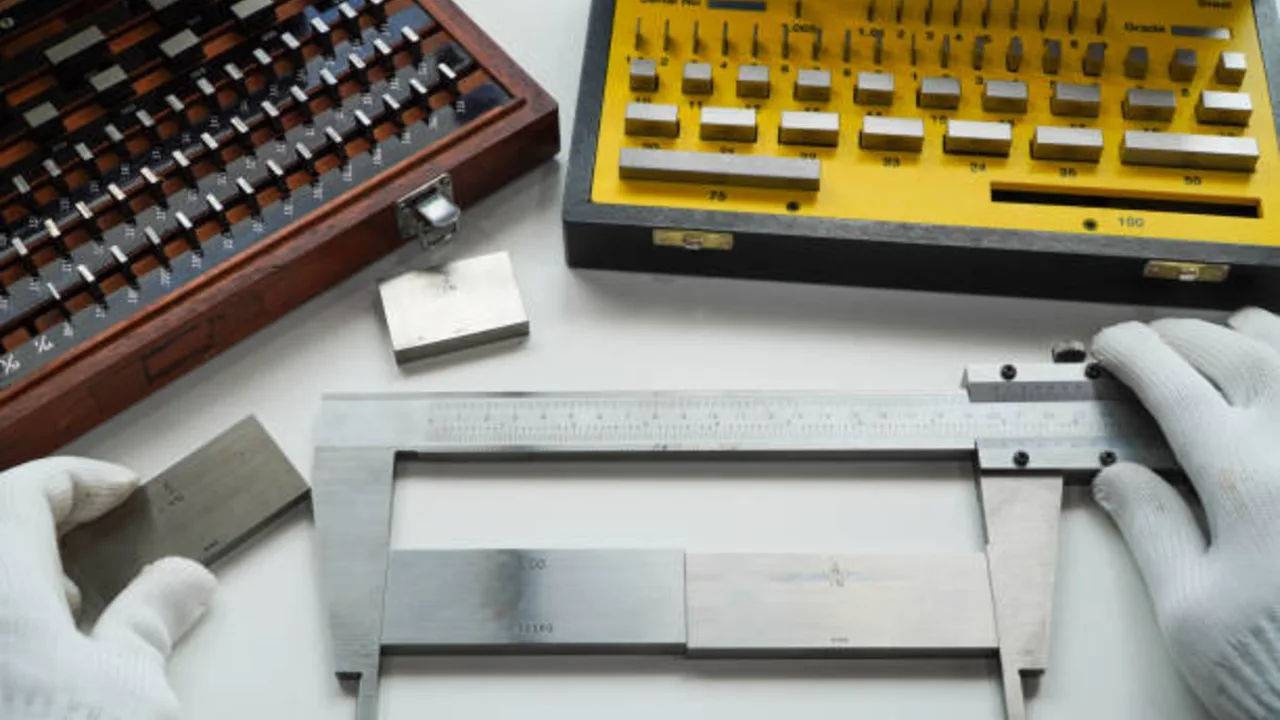
A steel manufacturer audit is not just a quality check—it’s a strategic sourcing tool.
| Audit Outcome | Long-Term Value |
|---|---|
| Verified capability | Confidence to place repeat orders |
| Transparent processes | Easier project coordination |
| Proven quality systems | Reduced inspection costs |
| Reliable delivery | Lower project risk |
For buyers managing multiple projects or long-term procurement, auditing builds a foundation for stable supplier partnerships, not one-off transactions.
Step 1: Conduct a Structured Factory Visit
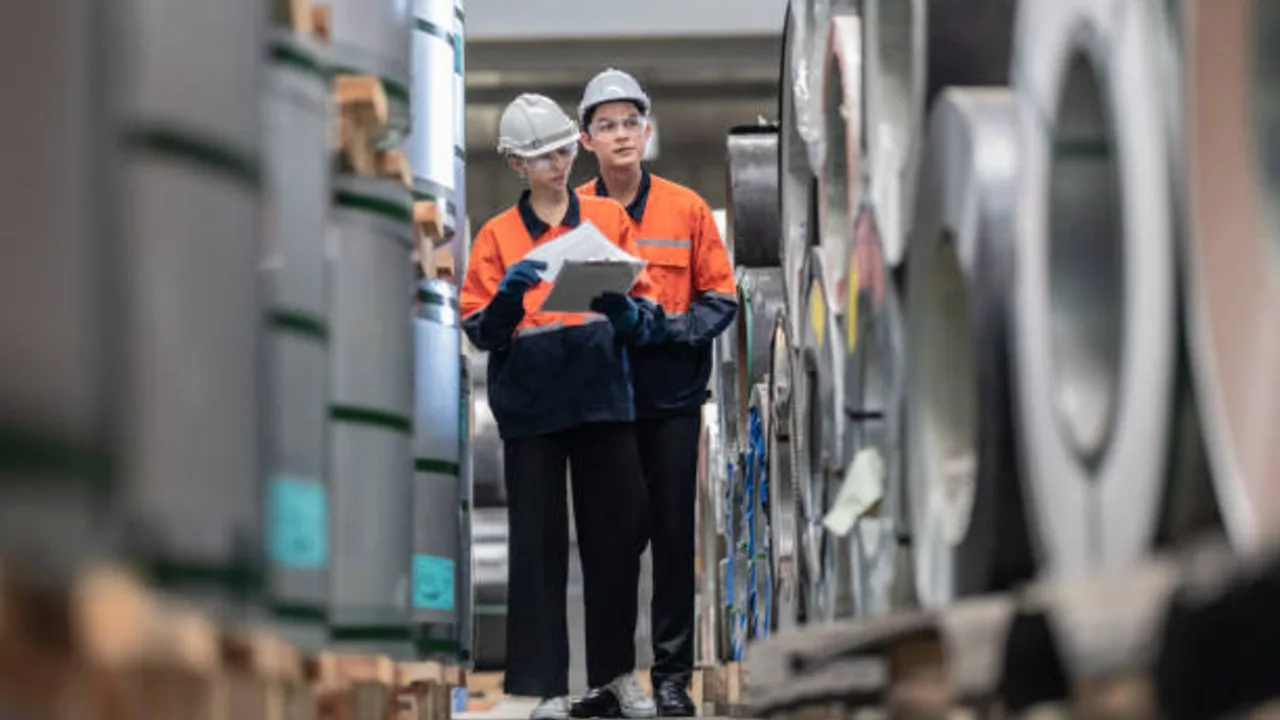
A factory visit is the foundation of any steel manufacturer audit. It provides direct insight into how steel components are actually produced—not just how they are marketed.
What to Observe During the Factory Visit
- Workshop layout: Logical workflow from cutting to welding, painting, and packing
- Equipment condition: CNC cutting machines, welding lines, drilling systems, and lifting equipment
- Housekeeping: Clean, organized workshops often reflect disciplined management
- Worker skill level: Certified welders, inspectors, and experienced supervisors
A factory that welcomes audits and provides transparent access usually demonstrates higher confidence in its operations.
Step 2: Review Manufacturing Capability
A detailed capability review evaluates whether the manufacturer can meet your technical and volume requirements—not just today, but consistently throughout your project.
Key Capability Factors to Review
- Annual steel fabrication capacity (tons per year)
- Maximum member length, weight, and section size
- Welding processes used (SAW, FCAW, GMAW, etc.)
- Experience with similar project types (warehouses, plants, platforms, bridges)
This step ensures the manufacturer’s capabilities align with your project scope, complexity, and schedule.
Step 3: Evaluate Quality Control Systems
Quality control is a core pillar of any steel manufacturer audit. Even advanced equipment cannot compensate for weak inspection processes.
Quality System Checklist
- Incoming material inspection and traceability
- Welding procedure specifications (WPS) and welder qualifications
- In-process dimensional and visual inspections
- Final inspection and documentation before shipment
Ask to see real inspection records, not templates. Consistent documentation indicates disciplined execution.
Step 4: Assess Management and Project Experience
Strong management systems are often the difference between on-time delivery and repeated delays. During a steel manufacturer audit, evaluate how projects are planned, tracked, and controlled.
- Project scheduling and progress reporting systems
- Material planning and inventory management
- Communication workflow with international clients
- Past export or overseas project experience
Manufacturers with proven export experience usually handle documentation, packing, and logistics more efficiently.
Step 5: Identify Common Audit Risks and Red Flags
Many buyers fall into predictable audit traps—focusing too much on surface-level indicators and missing deeper risks. A helpful reference on this topic outlines frequent audit mistakes and how to avoid them, which you can review here.
Common red flags include:
- Outdated or poorly maintained equipment
- Inconsistent quality records
- Overpromising capacity without data support
- Reluctance to allow third-party inspections
Step 6: Verify Long-Term Partnership Potential
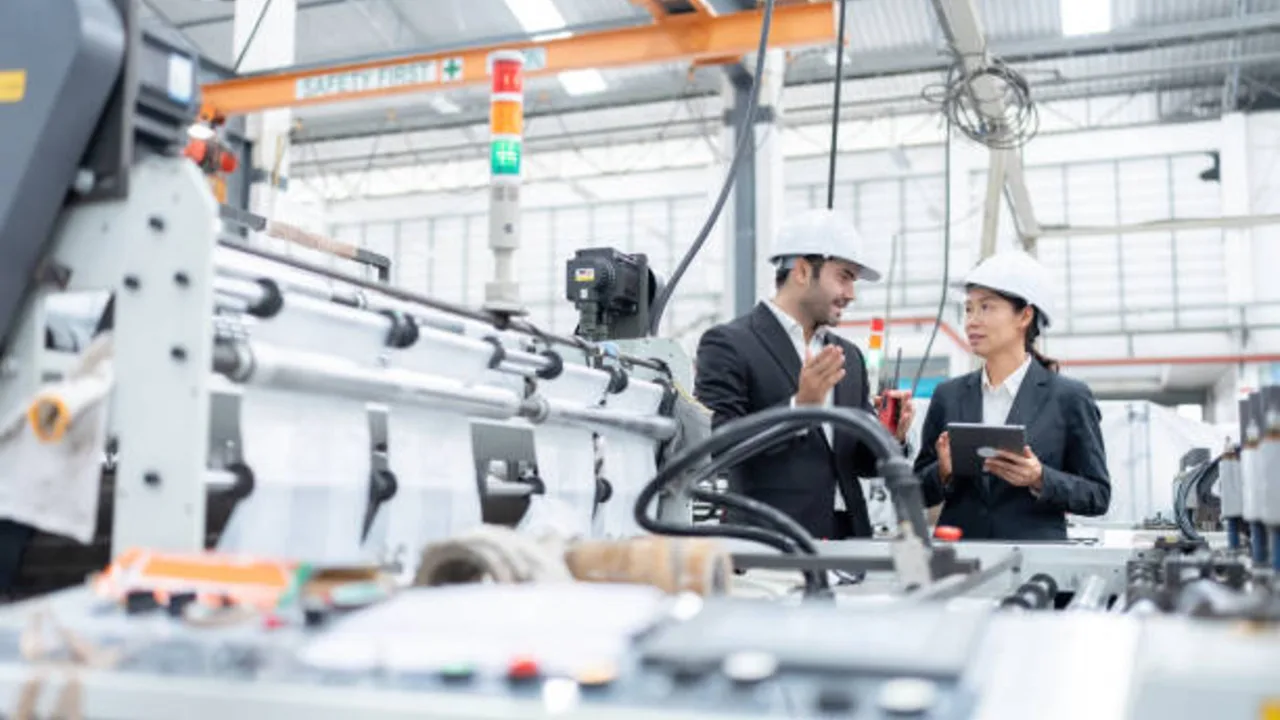
Auditing is not only about one order—it’s about selecting a reliable long-term partner. A qualified steel structure manufacturer should demonstrate stability, scalability, and commitment to continuous improvement.
Consider whether the manufacturer can:
- Scale production as your business grows
- Adapt designs and specifications efficiently
- Provide consistent quality across multiple projects
Conclusion: Audit First, Order with Confidence
A thorough steel manufacturer audit reduces procurement risk and strengthens project outcomes. By combining on-site factory visits, structured capability reviews, and careful evaluation of quality and management systems, buyers can avoid costly mistakes and build reliable supply partnerships.
Before placing your next steel order, invest the time to audit properly—because in steel manufacturing, what happens inside the factory ultimately determines success on-site.