In today’s global construction and manufacturing market, choosing a steel supplier is no longer just about price or production capacity. Compliance, quality assurance, and long-term reliability have become equally critical. This is where the steel manufacturer certification importance comes into play.
Certifications such as ISO, CE, and EN standards act as verifiable proof that a steel manufacturer meets internationally recognized benchmarks for quality, safety, and process control. For project owners, EPC contractors, and developers, certifications reduce risk, improve consistency, and ensure structural integrity across the entire project lifecycle.
Understanding Steel Manufacturer Certifications
Steel manufacturer certifications are formal approvals issued by independent organizations or regulatory bodies. They confirm that a manufacturer’s processes, materials, and quality management systems comply with defined standards.
The steel manufacturer certification importance lies in its ability to create a common technical language between suppliers and buyers—especially in cross-border projects where local standards may differ.
Common International Certifications in Steel Manufacturing
- ISO Certifications – Focus on quality management systems, environmental control, and continuous improvement.
- CE Marking – Required for steel products entering the European market, confirming compliance with EU safety and performance regulations.
- EN Standards – European Norms that define material properties, fabrication tolerances, and structural performance.
Why Steel Manufacturer Certification Importance Cannot Be Ignored
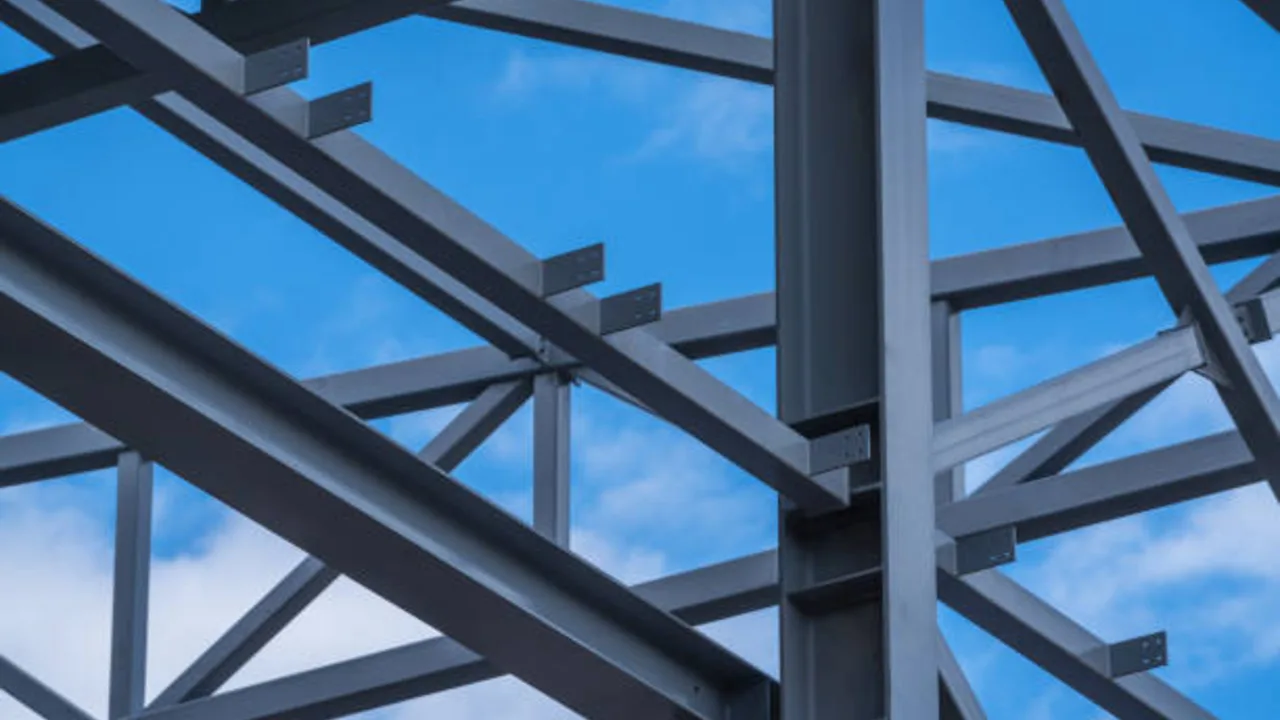
Ignoring certifications can lead to serious project risks, including structural failures, compliance issues, and costly delays. Below are key reasons why certifications should be a non-negotiable factor when selecting a steel supplier.
1. Quality Consistency Across Projects
Certified manufacturers follow standardized production and inspection procedures. This ensures consistent steel quality across batches, which is essential for large-scale or phased construction projects.
The steel manufacturer certification importance becomes especially evident when projects span multiple locations or timelines, where material consistency directly impacts structural performance.
2. Compliance With International Regulations
Many government and private-sector projects require steel products to meet specific standards such as EN or CE. Working with a certified manufacturer eliminates regulatory uncertainty and speeds up approval processes.
Without proper certification, even technically sound steel structures may be rejected by inspectors or authorities.
3. Reduced Structural and Safety Risks
Certifications ensure that steel components meet defined mechanical properties, welding standards, and load-bearing requirements. This directly reduces the risk of fatigue failure, deformation, or corrosion-related issues.
From an engineering perspective, the steel manufacturer certification importance lies in risk mitigation—not just compliance.
How Certifications Reflect Manufacturing Capability
Certifications are not awarded easily. They require documented systems, skilled personnel, calibrated equipment, and ongoing audits. As a result, certified manufacturers usually demonstrate higher levels of operational maturity.
Process Control and Traceability
Certified steel manufacturers maintain full traceability—from raw materials to finished components. This allows project owners to verify material origins, test reports, and compliance records at any stage.
Skilled Workforce and Qualified Welding
Standards such as EN require certified welders, approved welding procedures, and regular inspection. This ensures that fabricated steel structures meet both strength and durability requirements.
Certifications in Global Steel Structure Projects
In international projects, certification often determines whether a manufacturer is even eligible to bid. Developers sourcing from a china steel structure manufacturer frequently prioritize suppliers with ISO, CE, and EN certifications to meet overseas project requirements.
This highlights the strategic value of the steel manufacturer certification importance—it enables global market access and builds trust with international clients.
Certification vs Price: Making the Right Decision
While uncertified manufacturers may offer lower prices, the long-term costs often outweigh the short-term savings. Delays, rework, failed inspections, or structural remediation can significantly impact project budgets.
Certified steel manufacturers provide predictable outcomes, clearer accountability, and better lifecycle value—making certifications a cost-saving factor rather than an expense.
How to Verify Steel Manufacturer Certifications
Step 1 — Request complete certification documents
Ask the manufacturer to provide official certification files (PDF or clear scanned copies), not screenshots or partial documents. Each certificate should clearly show the company name, certificate number, applicable standard (ISO, CE, EN), scope of certification, and the issuing certification body.
Step 2 — Check validity and expiration dates
Review the issue date and expiration date carefully. Most steel manufacturing certifications require periodic renewal and regular surveillance audits. If a certificate is close to expiration, request evidence of recent audits or confirmation that renewal is in progress.
Step 3 — Confirm the credibility of the issuing body
Ensure the certification body is properly accredited by a recognized national or international accreditation authority. Certifications issued by non-accredited or unknown bodies may not be accepted by project owners, consultants, or regulatory authorities.
Step 4 — Verify certificates through official databases
When possible, use the issuing body’s official website or online verification system to confirm the certificate’s authenticity. Match the certificate number, company name, scope, and current status (active or suspended) with the information provided by the manufacturer.
Step 5 — Confirm the certification scope matches your project needs
A certification is only valuable if its scope covers the required work. Verify that the certificate explicitly includes relevant activities such as structural steel fabrication, welding, steel structure manufacturing, or surface treatment, rather than unrelated or generic manufacturing processes.
Step 6 — Request supporting technical documentation
Beyond certificates, ask for technical documents that demonstrate real compliance, such as:
- Mill Test Certificates (MTC / EN 10204 3.1 or 3.2, if applicable)
- Welding Procedure Specifications (WPS) and Procedure Qualification Records (PQR)
- Welder qualification certificates
- Quality control and inspection reports (dimensional checks, NDT, coating inspections)
Step 7 — Align certifications with project requirements
Review the project’s technical specifications and ensure the manufacturer’s certifications meet all required standards. Some projects require EN or CE compliance specifically, while others may demand additional owner or consultant approvals.
Step 8 — Request comparable project references
Ask for references or case studies of completed projects that required similar certification standards. This confirms the manufacturer has practical experience delivering certified steel structures under real project conditions.
Step 9 — Check consistency between documentation and operations
If feasible, conduct a factory audit—either onsite or virtual. Observe whether the manufacturer’s actual production processes, quality control systems, and inspection procedures align with what is stated in their certification documents.
Step 10 — Create a final compliance checklist
Compile all verification results into an internal checklist covering certification validity, scope, supporting documents, project references, and audit findings. This structured approach helps procurement teams compare suppliers objectively and reduce selection risks.
Conclusion: Certifications as a Strategic Selection Criterion
The steel manufacturer certification importance extends far beyond paperwork. Certifications represent quality assurance, risk control, and global credibility. In modern steel construction and fabrication projects, they are essential tools for ensuring safety, compliance, and long-term performance.
When selecting a steel manufacturer, certifications such as ISO, CE, and EN standards should be viewed as strategic requirements—not optional extras.